
WASHINGTON (AP) – Millions of people who buy individual health insurance policies and get no financial help from the Affordable Care Act are bracing for another year of double-digit premium increases, and their frustration is boiling over.
Some are expecting premiums for 2018 to rival a mortgage payment.
What they pay is tied to the price of coverage on the health insurance markets created by the Obama-era law, but these consumers get no protection from the law’s tax credits, which cushion against rising premiums. Instead they pay full freight and bear the brunt of market problems such as high costs and diminished competition.
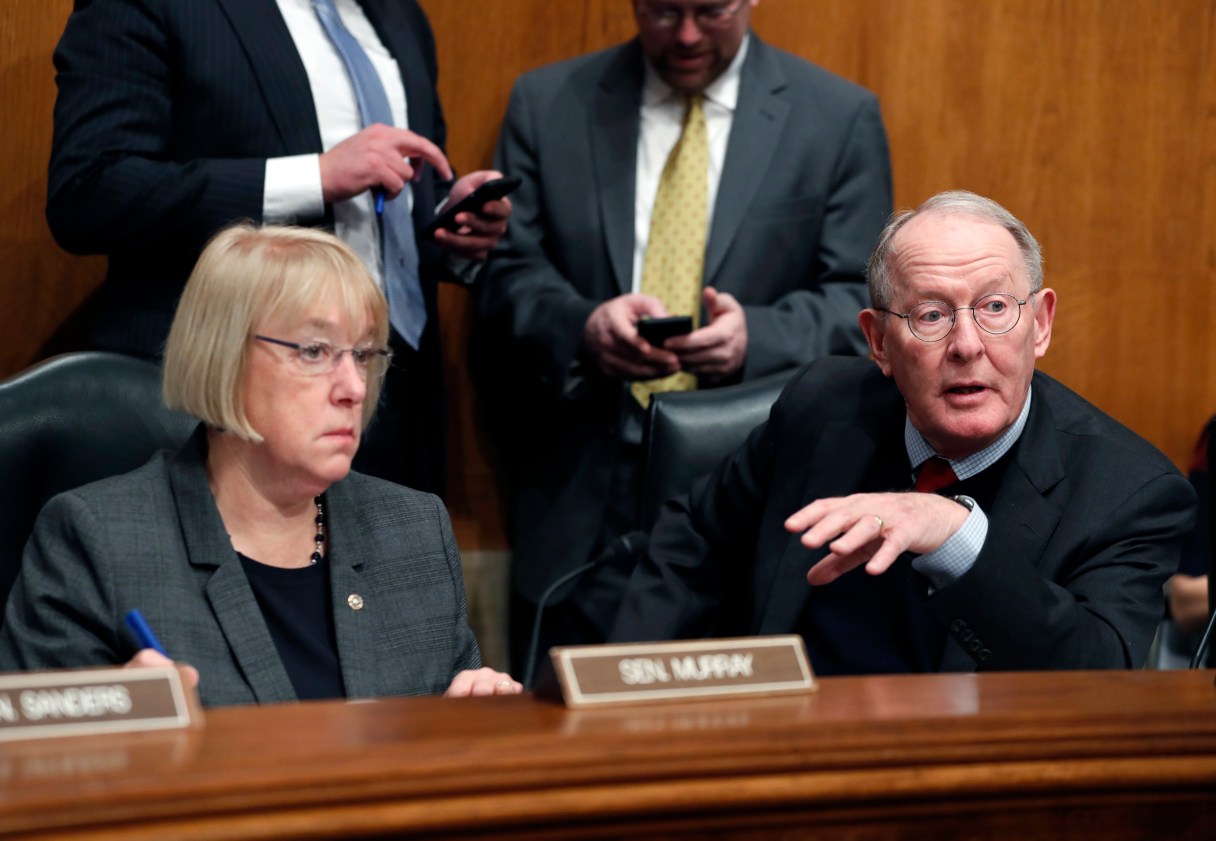
On Capitol Hill, there’s a chance that upcoming bipartisan hearings by Sens. Lamar Alexander, R-Tenn., and Patty Murray, D-Wash., can produce legislation offering some relief. But it depends on Republicans and Democrats working together despite a seven-year health care battle that has left raw feelings on both sides.
The most exposed consumers tend to be middle-class people who don’t qualify for the law’s income-based subsidies. They include early retirees, skilled tradespeople, musicians, self-employed professionals, business owners, and people such as Sharon Thornton, whose small employer doesn’t provide health insurance.