
Pre-orders for the 10th anniversary iPhone that uses facial recognition instead of a PIN or passcode are now being accepted. According to Apple’s promotions, your “Face ID is a secure way to unlock, authenticate and pay” using your smartphone. This security feature seems futuristic, yet timely after one of the largest data breaches involving about half of the U.S. population.
No, most of us won’t plunk down $999 for a new phone, but the technological advances that centralize so much of our lives on one device – our phone, our email, access to cloud storage of our documents, digital payment platforms such as Apple or Android Pay or PayPal – demand increased security to protect our critical information.
Tell that to Equifax, one of the three largest credit reporting and monitoring agencies, which disclosed a colossal hacking of its data affecting an estimated 143 million Americans, a number which will likely grow. Equifax reported the cyber-intrusion on Sept. 7, yet the crime occurred from mid-May through July this summer. The “epic breach was discovered on July 29,” USAToday.com reported.
The magnitude of unauthorized access to personal data is almost incomprehensible. Equifax’s website touts its “more than 820 million consumers and more than 91 million businesses worldwide, and its database includes employee data contributed from more than 7,100 employers.” The database includes information with no shelf-life, meaning the information stolen doesn’t expire or is so rarely changed.
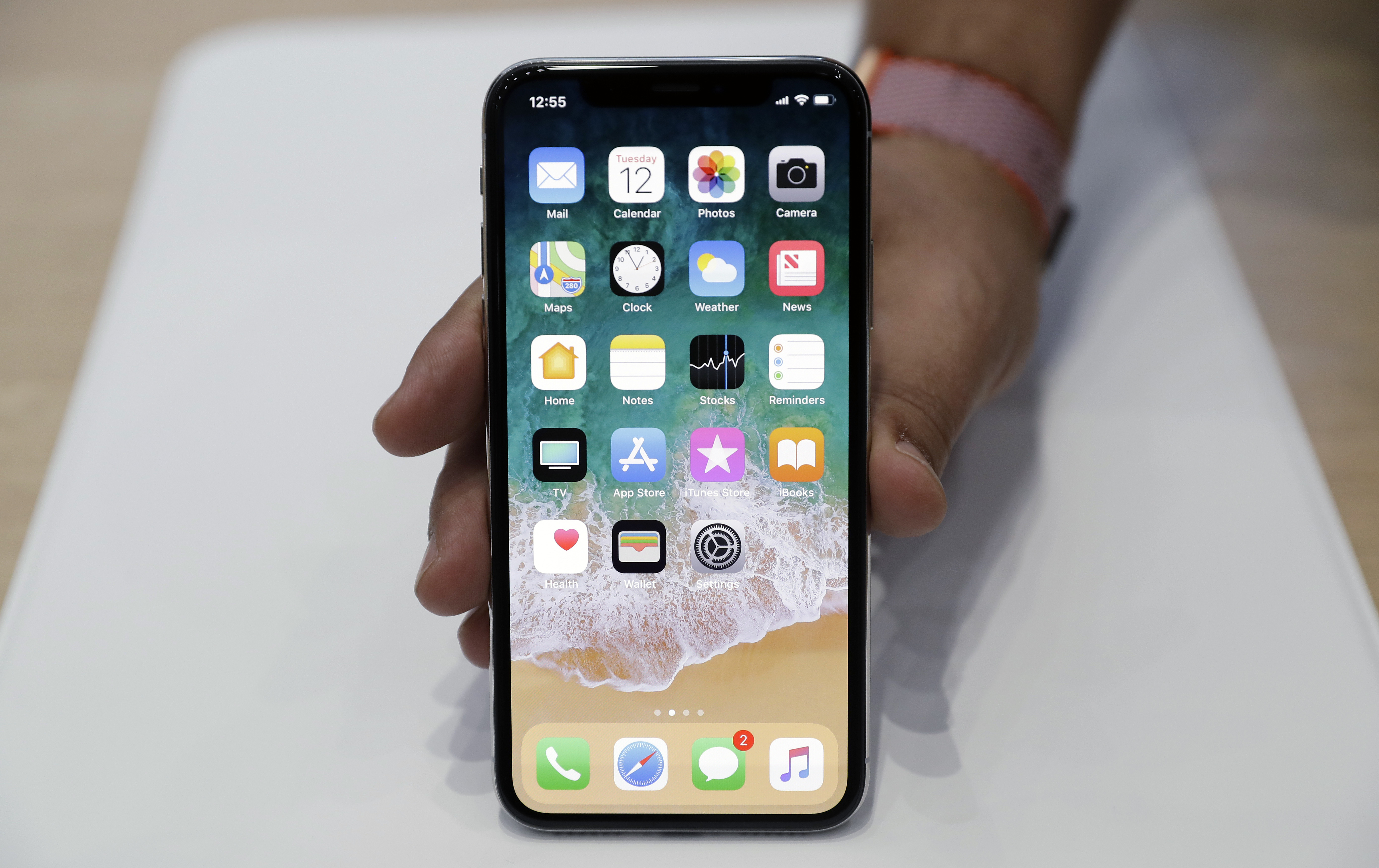 FILE – In this Tuesday, Sept. 12, 2017, file photo, the new iPhone X is displayed in the showroom after the new product announcement at the Steve Jobs Theater on the new Apple campus in Cupertino, Calif. Apple fans who froze their credit after the Equifax data breach may end up with another hassle on their hands if they try to get one of the new iPhones that can cost more than $1,000. People who did so and want to make any big purchase may find the same. (AP Photo/Marcio Jose Sanchez, File)
 Robin Smith
Social Security numbers, birthdates and addresses for more than 143 million Americans were stolen. Also included were driver’s license numbers, 209,000 credit card numbers as well as dispute documentation submitted by about 182,000 consumers challenging their credit reports.