
Friday, October 30, 2026Oct 30

This story is free to read.

Why some hurricanes linger while other storms die quickly

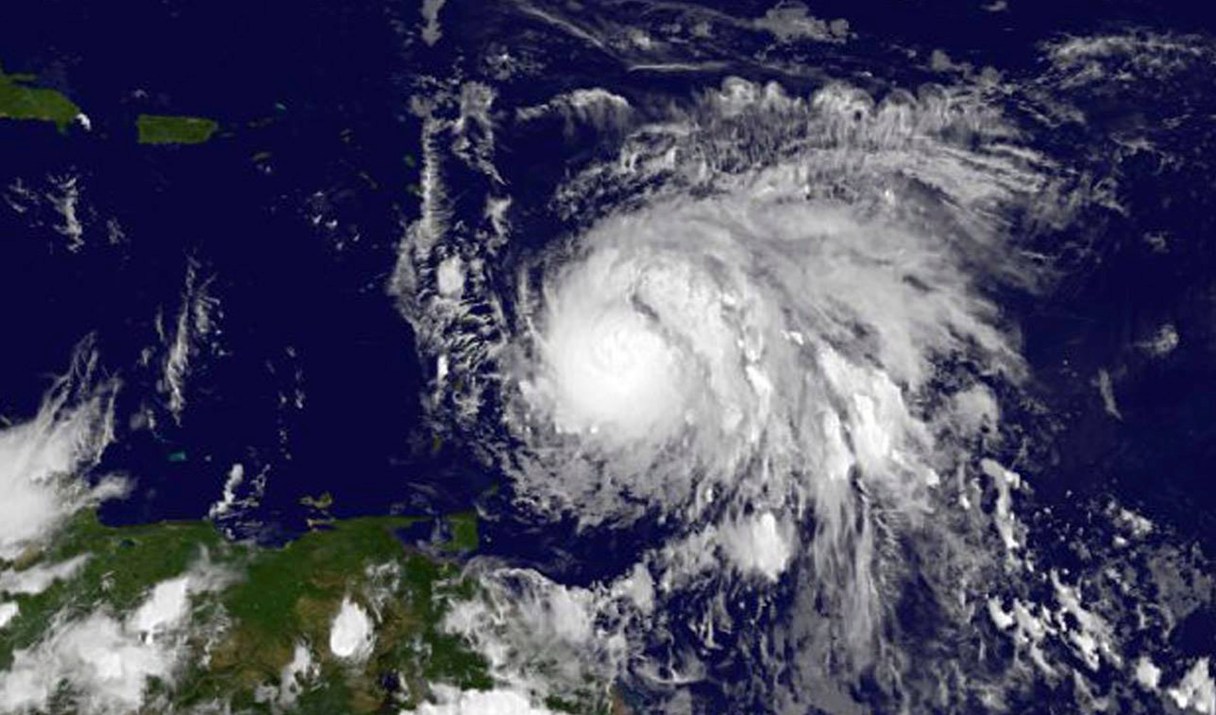
This Sunday, Sept. 17, 2017, GOES East satellite image provided by NASA taken at 7:45 p.m EDT, shows Hurricane Maria as it approaches the Lesser Antilles. Maria swiftly grew into a hurricane Sunday, and forecasters said it was expected to become much stronger over the coming hours following a path that would take it near many of the islands wrecked by Hurricane Irma and then on toward Puerto Rico, the Dominican Republic and Haiti. (NASA via AP)
This Sunday, Sept. 17, 2017, GOES East satellite image provided by NASA taken at 7:45 p.m EDT, shows Hurricane Maria as it approaches the Lesser Antilles. Maria swiftly grew into a hurricane Sunday, and forecasters said it was expected to become much stronger over the coming hours following a path that would take it near many of the islands wrecked by Hurricane Irma and then on toward Puerto Rico, the Dominican Republic and Haiti. (NASA via AP) This Sunday, Sept. 17, 2017, GOES East satellite image provided by NASA taken at 7:45 p.m EDT, shows Hurricane Maria as it approaches the Lesser Antilles. Maria swiftly grew into a hurricane Sunday, and forecasters said it was expected to become much stronger over the coming hours following a path that would take it near many of the islands wrecked by Hurricane Irma and then on toward Puerto Rico, the Dominican Republic and Haiti. (NASA via AP)

WASHINGTON (AP) – This hurricane season is showing how wild and varied storms’ life cycles can be.

Most storms seem to be tracked for days while others appear to pop out of nowhere. And some just linger around.

Hurricane Jose is pushing the two-week mark as it meanders off the U.S. East Coast. Lee, named a tropical storm last Saturday, is barely hanging on as a tropical depression.

Harvey formed, died and then came back to life as a major hurricane, dumping a record amount of rainfall on south Texas last month. Hurricane Katia seemed to just pop up in the Gulf of Mexico days before hitting the Mexico coast.

Forecasters for days watched Harvey, Irma, Jose, Lee and now Maria make steady marches west off Africa before they got named. About four out of five major hurricanes – those with winds of at least 111 mph – start out similarly: They form off the African coast as unstable waves or patches of storminess. The National Hurricane Center monitors them, giving them yellow, orange or red letter Xs on forecast outlook maps.