
Friday, November 6, 2026Nov 6

This story is free to read.

Congo leader opens peace conference in bloody Kasai region

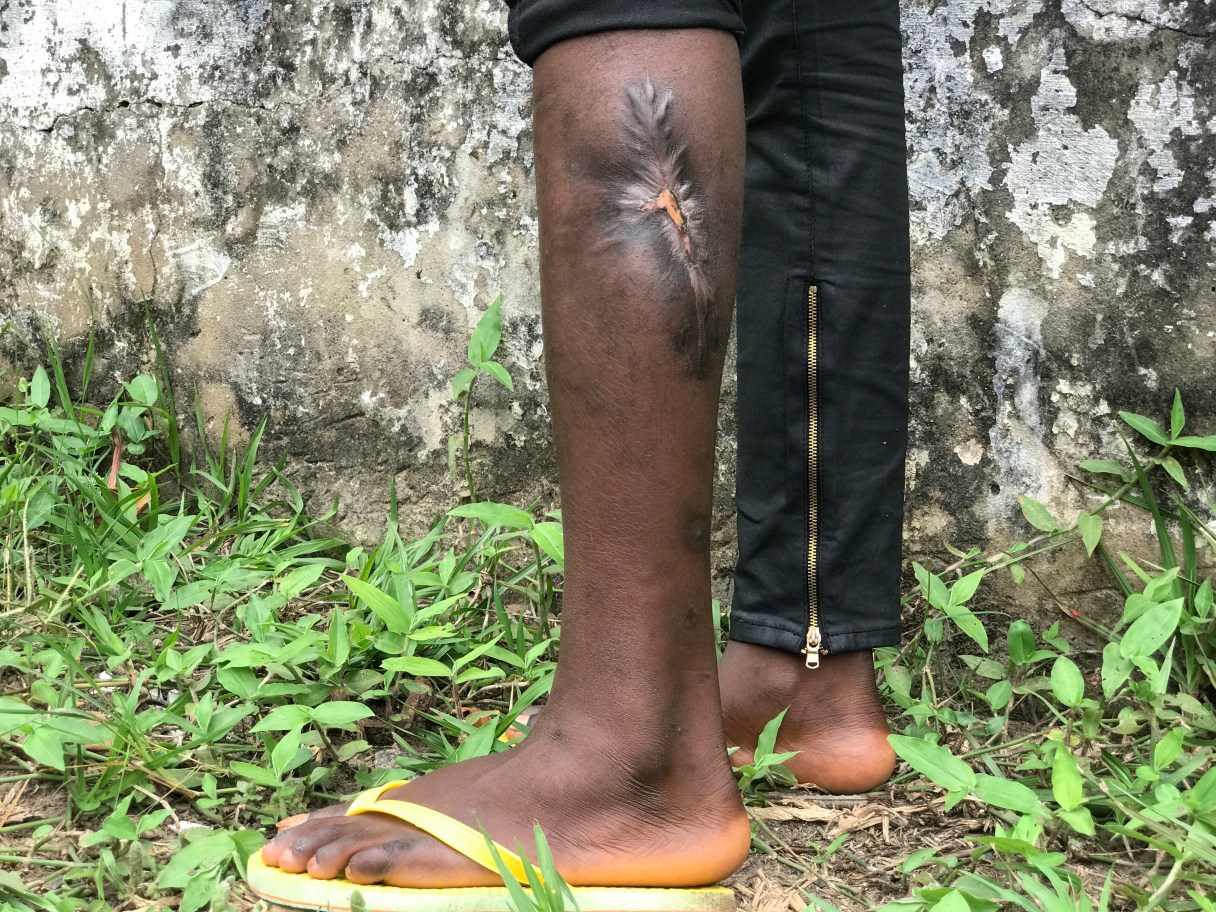
In this Tuesday, Aug. 29, 2017 photo made available by UNICEF, a boy displays a scar from a wound he obtained during his time in the militia, in Mbuji Mayi, Kasai province, Democratic Republic of the Congo. Congo’s Kasai region is the latest deadly hotspot in the vast Central African country that has seen violent rebellions for decades. Once again, children are among the most vulnerable victims.  (Patrick Rose/UNICEF via AP)
In this Tuesday, Aug. 29, 2017 photo made available by UNICEF, a boy displays a scar from a wound he obtained during his time in the militia, in Mbuji Mayi, Kasai province, Democratic Republic of the Congo. Congo’s Kasai region is the latest deadly hotspot in the vast Central African country that has seen violent rebellions for decades. Once again, children are among the most vulnerable victims. (Patrick Rose/UNICEF via AP) In this Tuesday, Aug. 29, 2017 photo made available by UNICEF, a boy displays a scar from a wound he obtained during his time in the militia, in Mbuji Mayi, Kasai province, Democratic Republic of the Congo. Congo’s Kasai region is the latest deadly hotspot in the vast Central African country that has seen violent rebellions for decades. Once again, children are among the most vulnerable victims. (Patrick Rose/UNICEF via AP)

DAKAR, Senegal (AP) – Congo President Joseph Kabila has declared that “justice must be done” as he opened a peace conference in the bloody Kasai region where thousands of people have died in a year of fighting among government troops and militias.

Kabila blamed the unrest on a “terrorist militia” and told officials, civil society leaders and former militia members Tuesday that all who have contributed to the violence in the once-peaceful region will have to answer for their crimes.

The fighting in the Kasai provinces began in August 2016 after Congolese troops killed the leader of the Kamwina Nsapu militia. More than 3,300 people have died since then, according to the Catholic church, and the United Nations says more than 1.4 million people have been displaced.