
You could say mathematics wasn’t my favorite subject in school. I believe I have told people more than once that was one reason I went into law enforcement. When I enrolled in college, I decided to major in criminal justice because they told me there would be little, if any, math involved. At least that is how I remember it.
If you throw too many numbers at me, I start to glaze over.
However, sometimes there are numbers we have to face. According to a release from the U.S. Department of the Interior this month, a new report by the U.S. Fish and Wildlife Service shows 101.6 million Americans – 40 percent of the U.S. population age 16 and older – participated in wildlife-related activities (such as hunting, fishing and watching wildlife) in 2016. The USFWS has released this report about every five years since the 1950s, and it is a good way to watch trends in the outdoors world and get a handle on what is going on out there.
The report seems to give an optimistic view of the numbers of people involved in hunting and fishing, but I am not as hopeful about all of this (as usual), and in a minute I will tell you why.
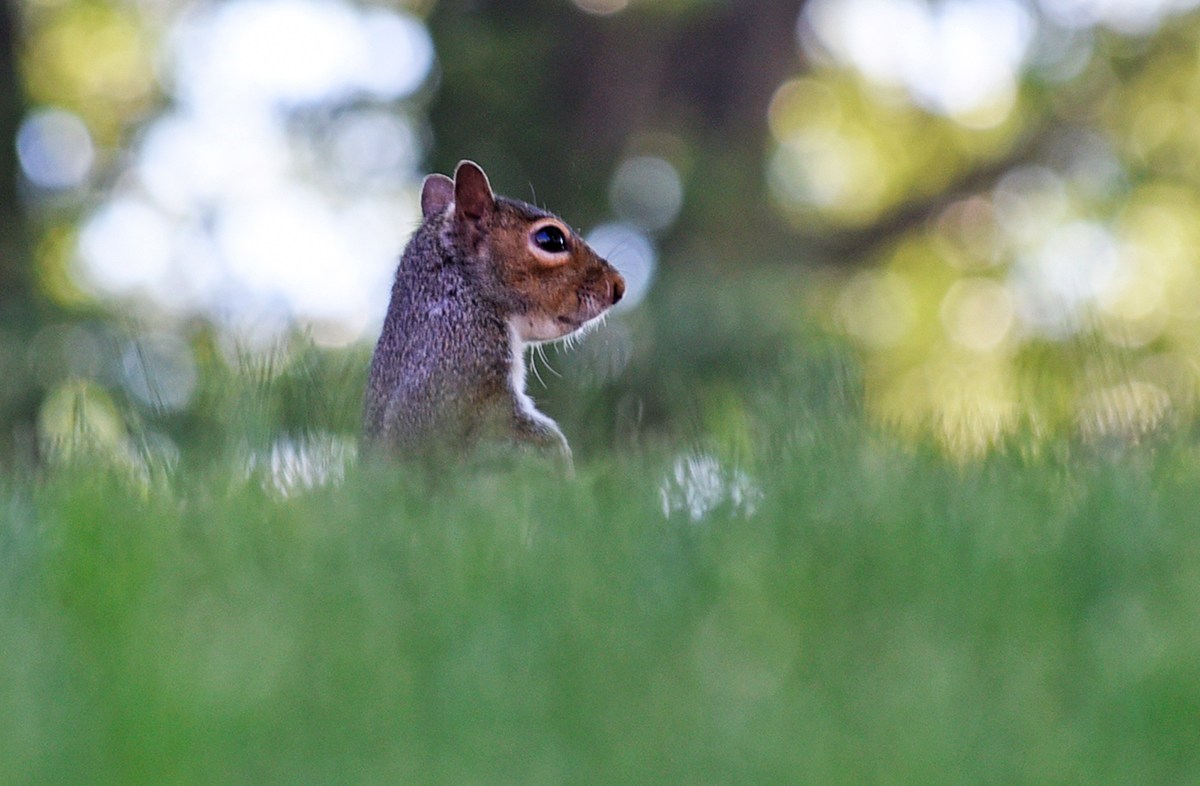
 Contributed photo / Larry Case
The survey shows the most substantial increases in participation involve watching wildlife – observing and photographing animals. The report indicates these activities surged 20 percent from 2011 to 2016, from 71.8 million to 86 million participants during that time. Expenditures by wildlife watchers also rose sharply – 28 percent – between 2011 and 2016, from $59.1 billion to $75.9 billion. Participating in the activity around the home increased 18 percent, from 68.6 million participants in 2011 to 81.1 million in 2016. More modest gains were made for the activity away from home, with a 5 percent increase, from 22.5 million to 23 million.