
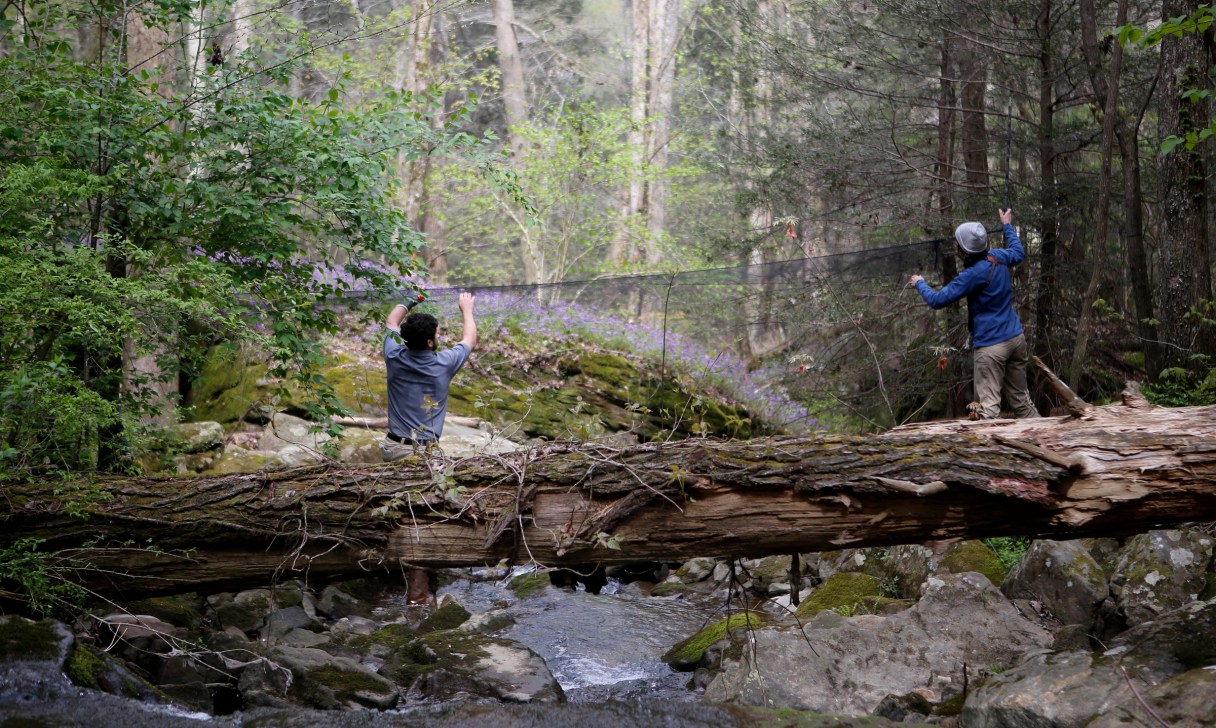
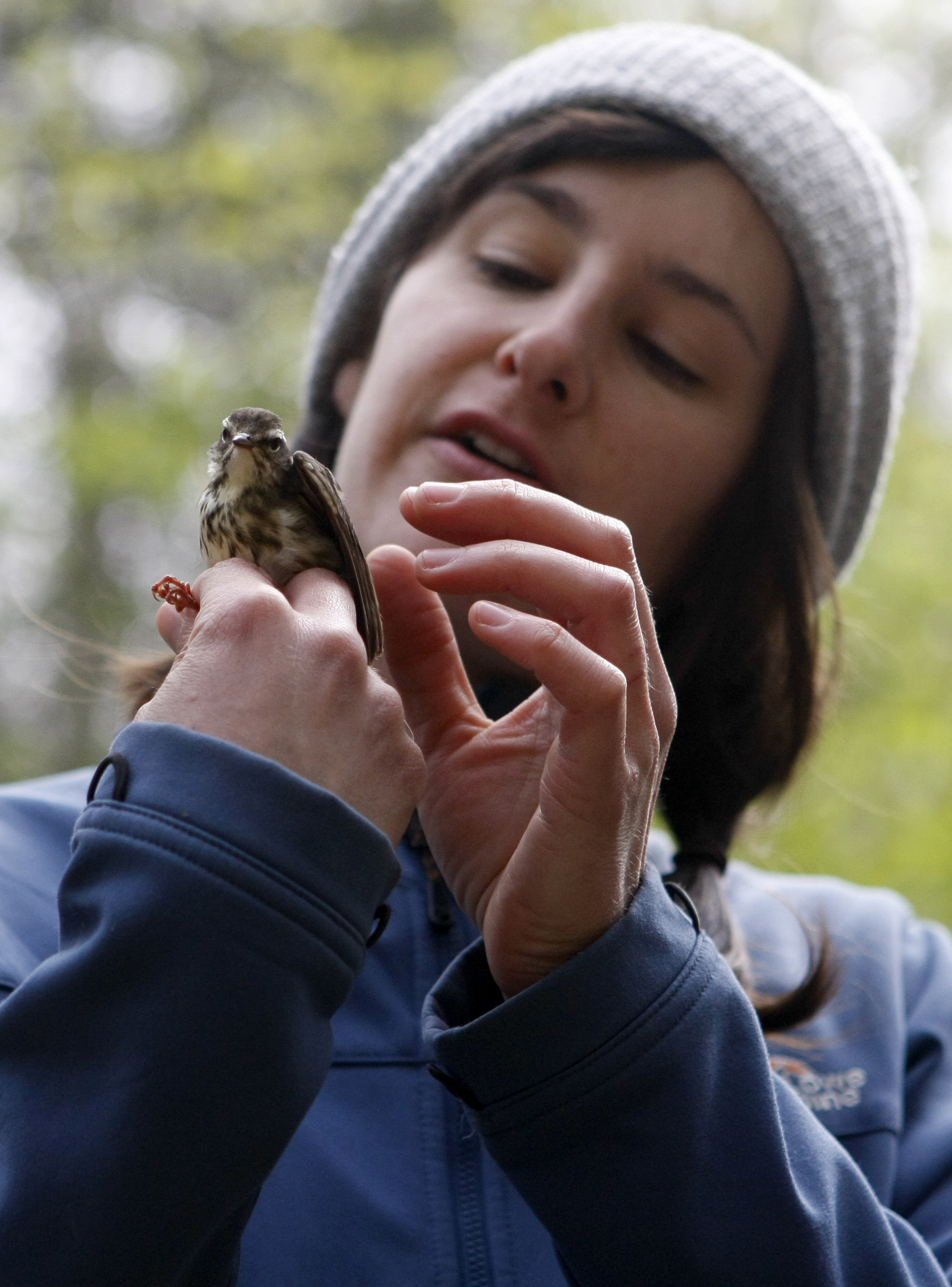

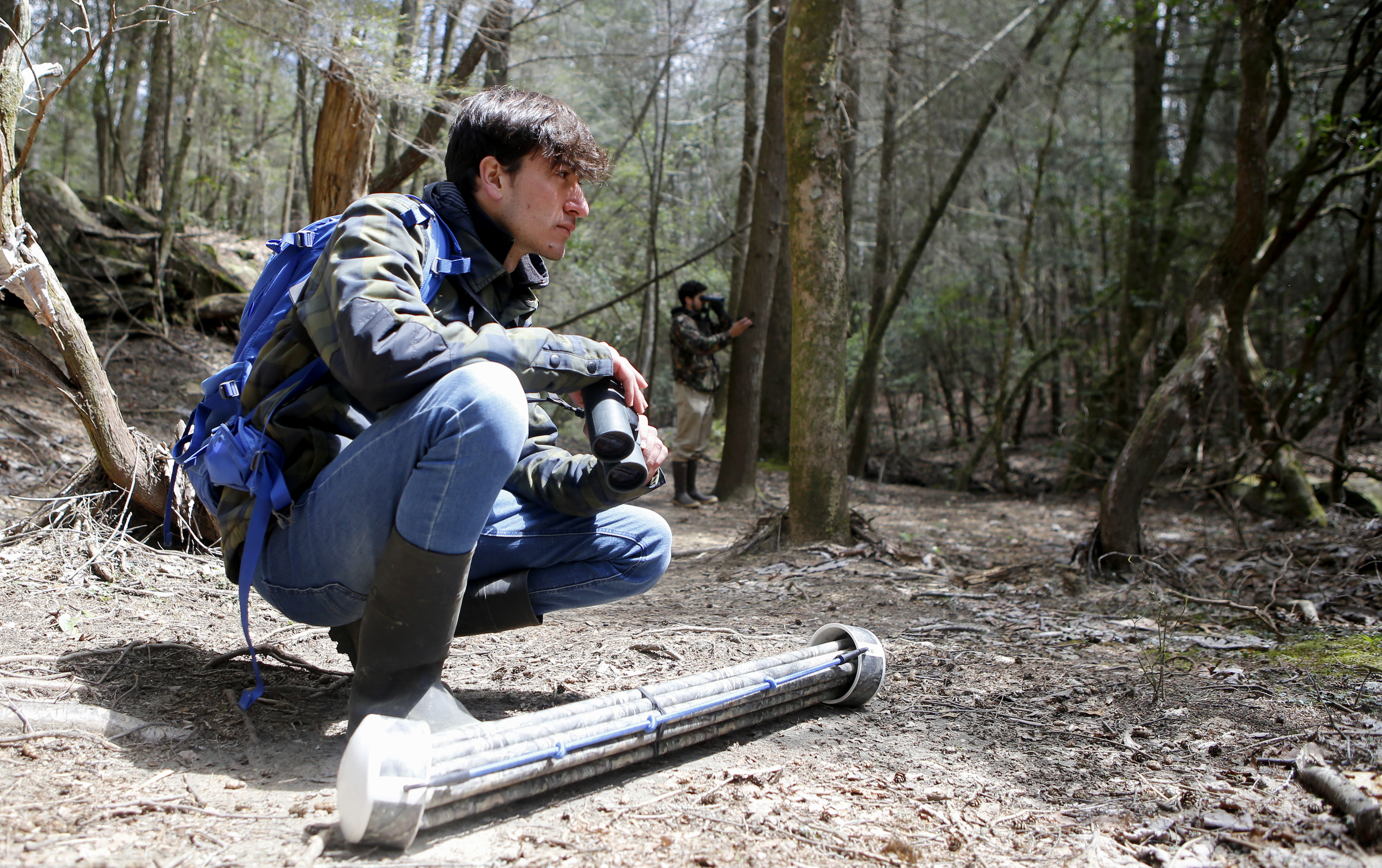
A Louisiana waterthrush sang and danced above the Bee Branch tributary along the Middle Creek watershed. The 6-inch bird worked tirelessly to intimidate a mechanical replica sitting on a rock in the middle of the water. The faux intruder aggravated the waterthrush with its mere presence and a song of its own trumpeting from two nearby speakers.
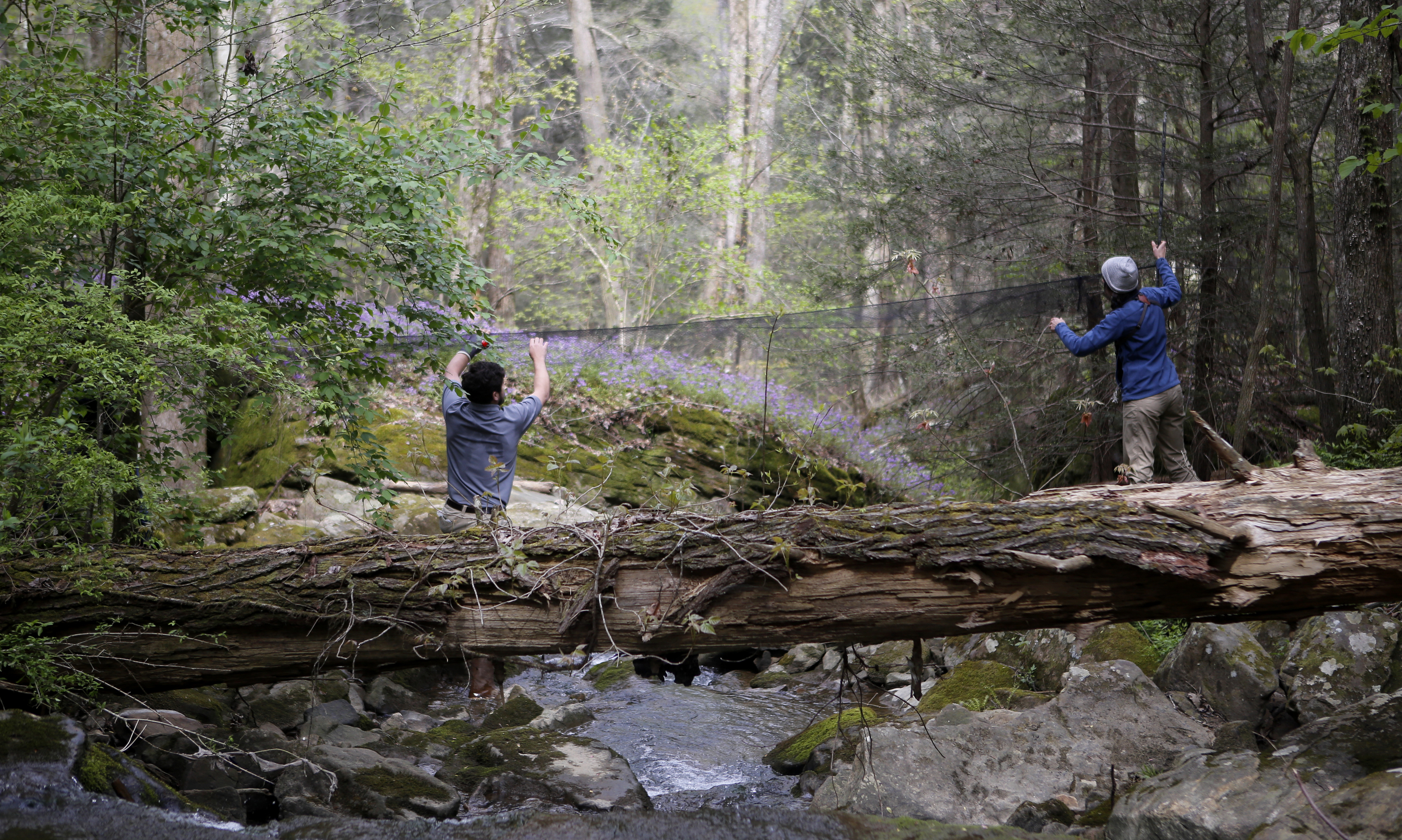
The male bird charged toward the replica, unknowingly flying under a net before retreating to take another pass. The real bird was trying unsuccessfully to shoo away the intruder. It quickly backed away, flying again under the net and settling on a nearby rock before charging a second time. It repeated the sequence once more.
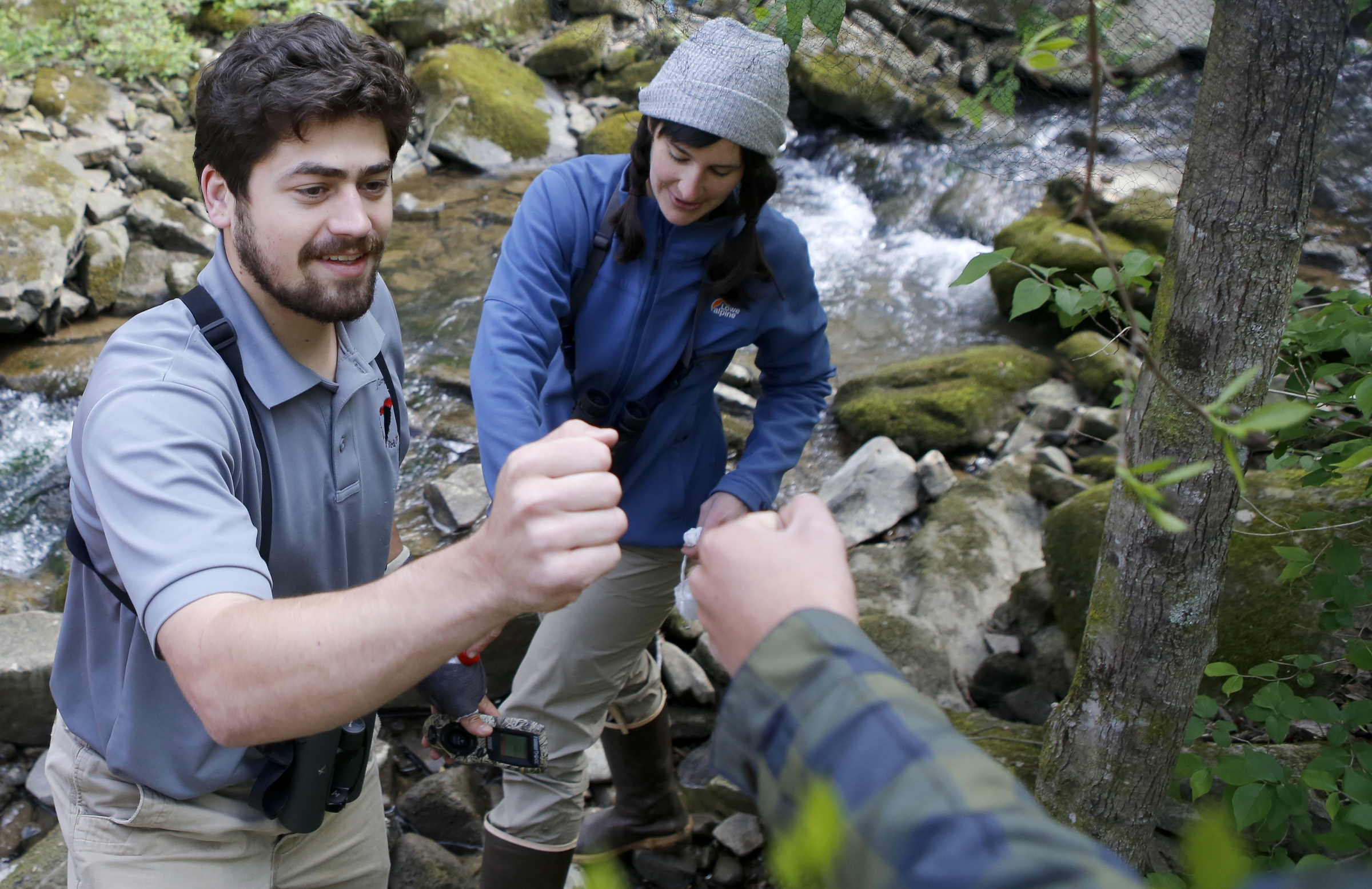
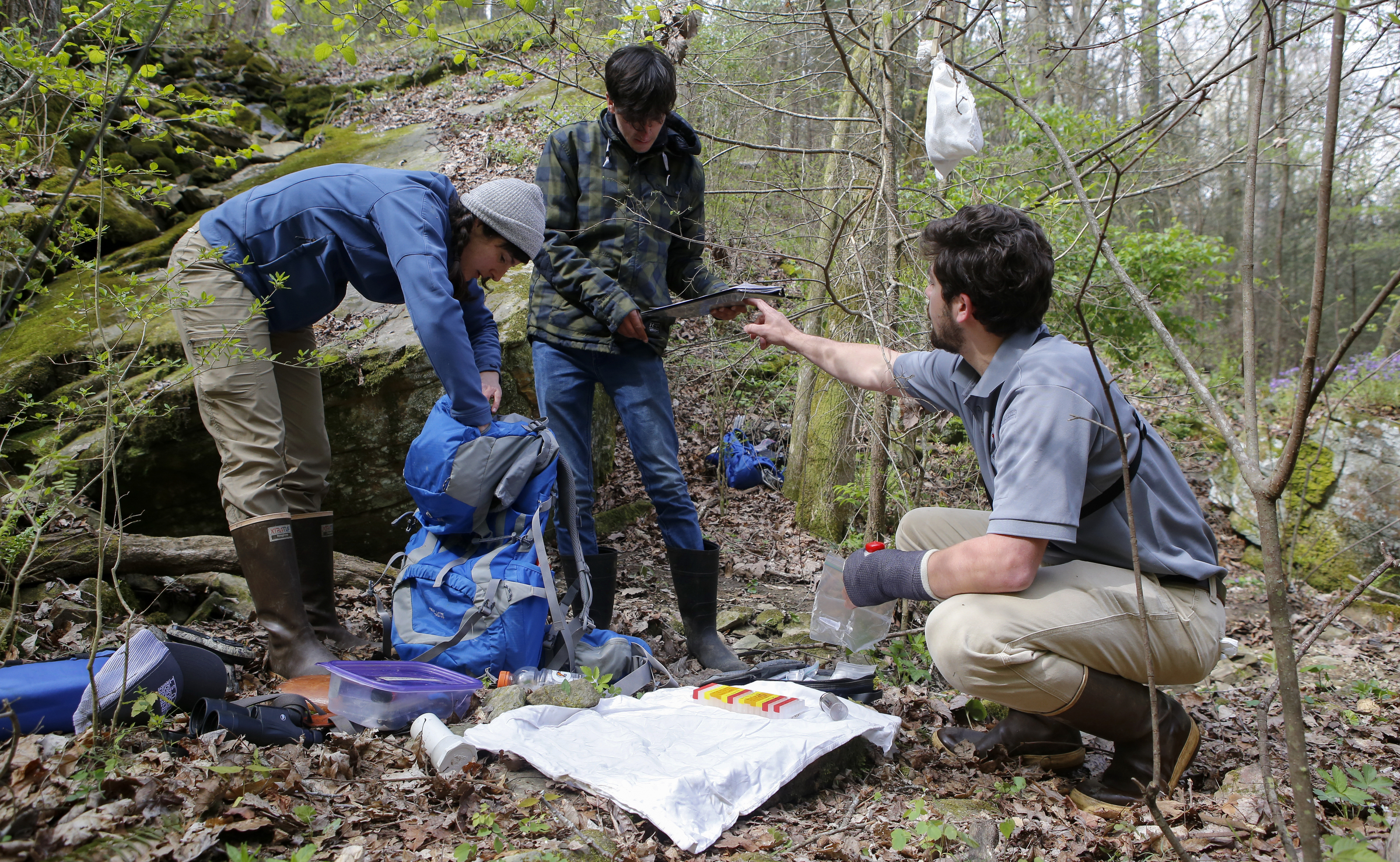
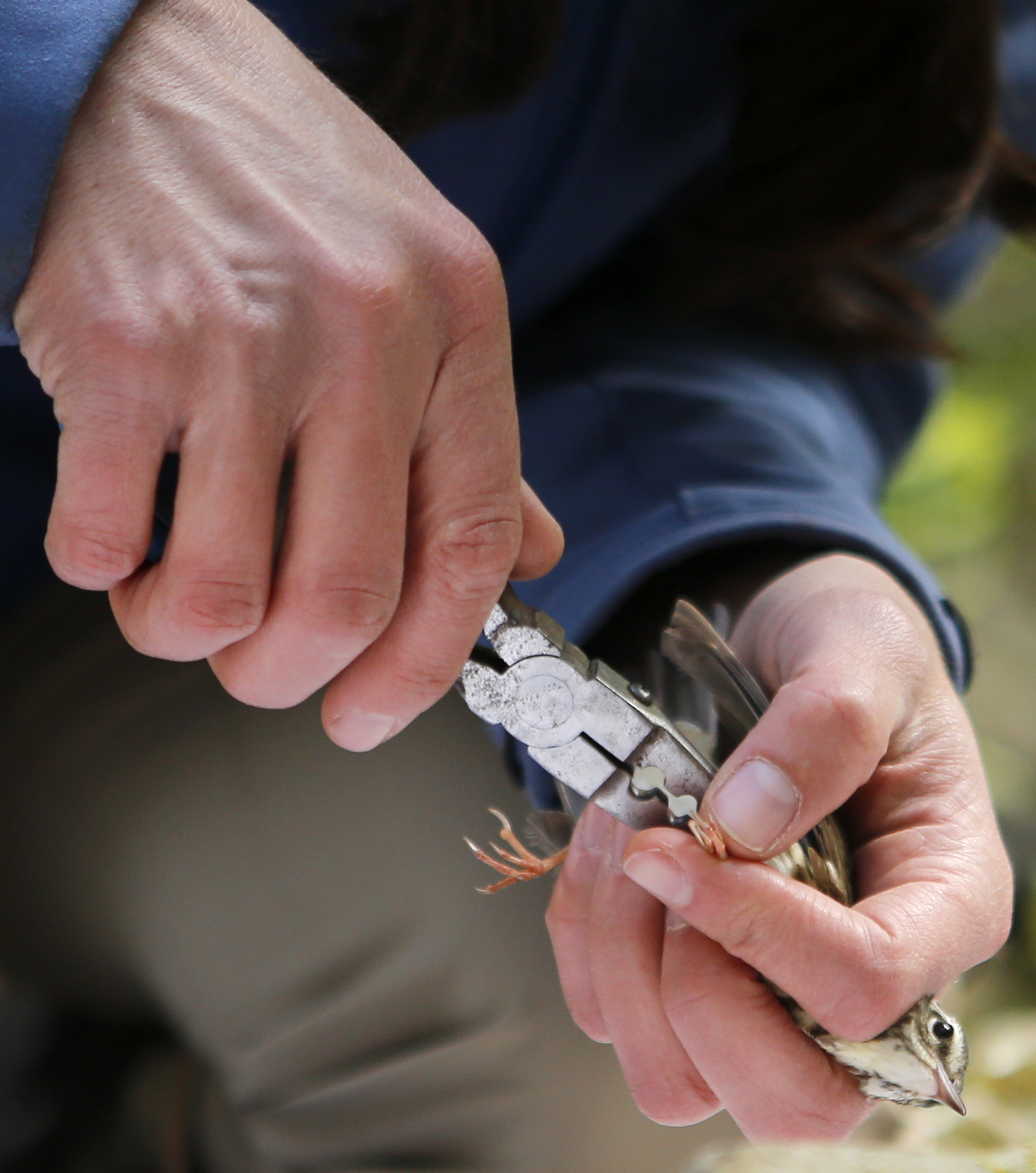
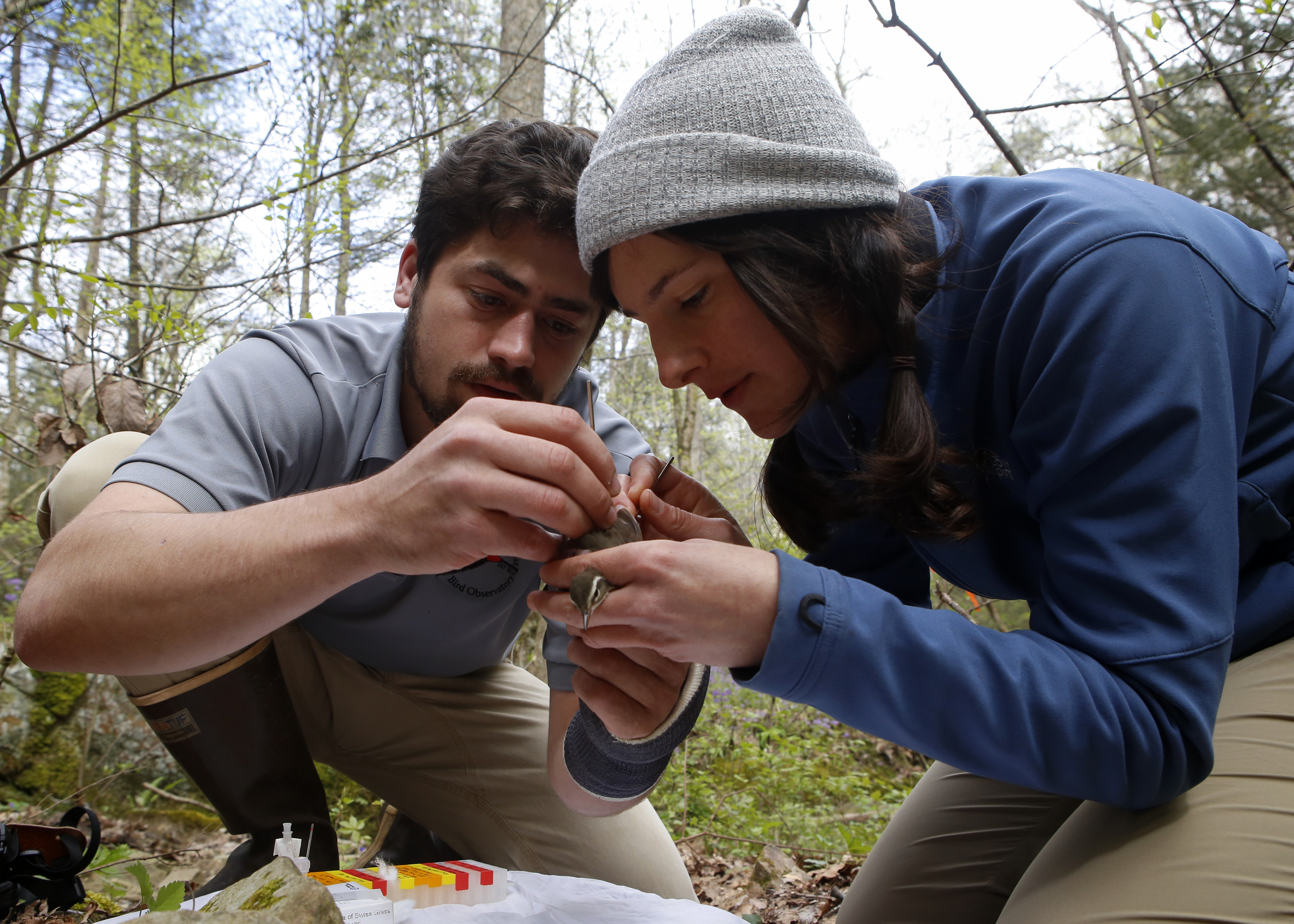
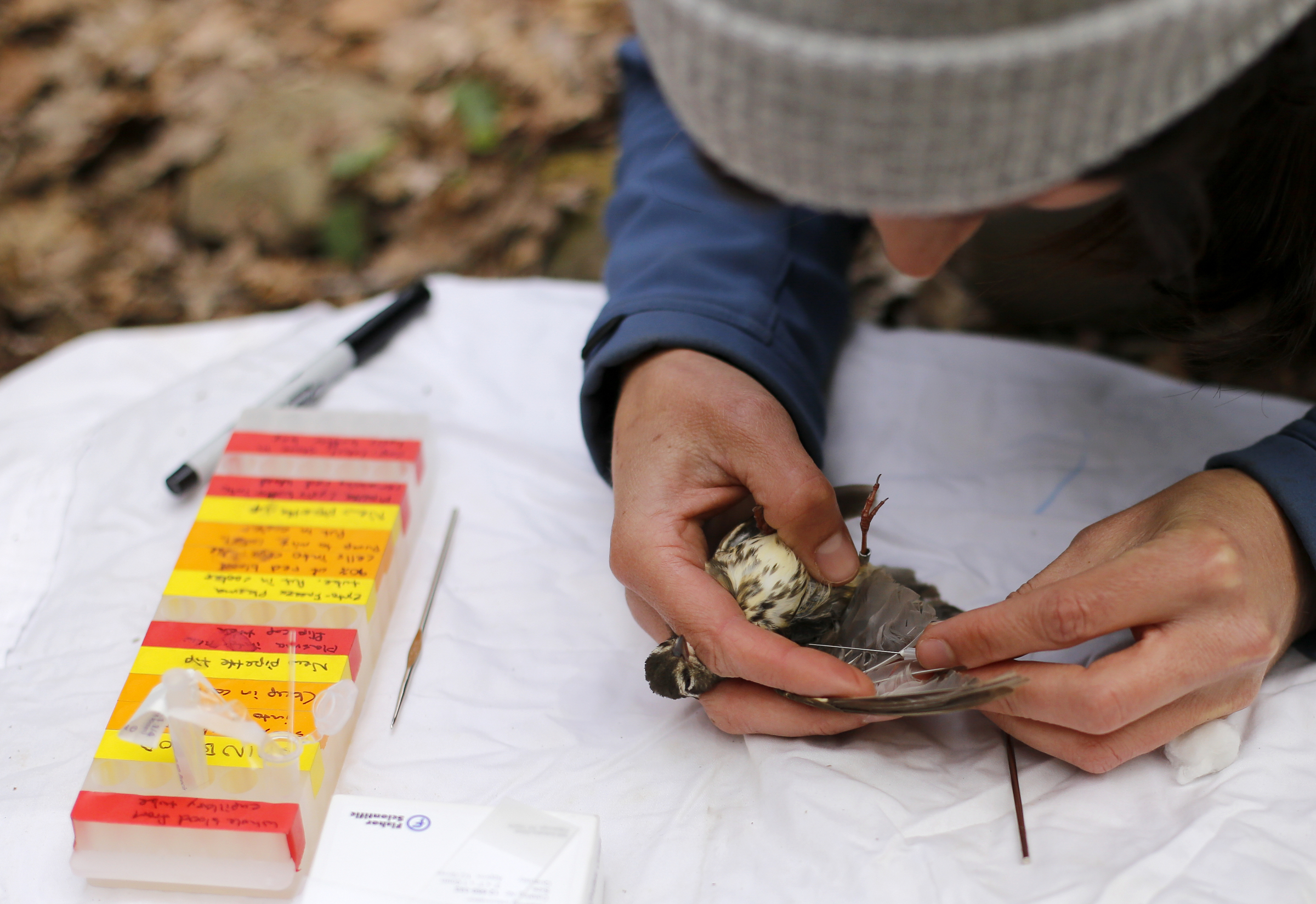
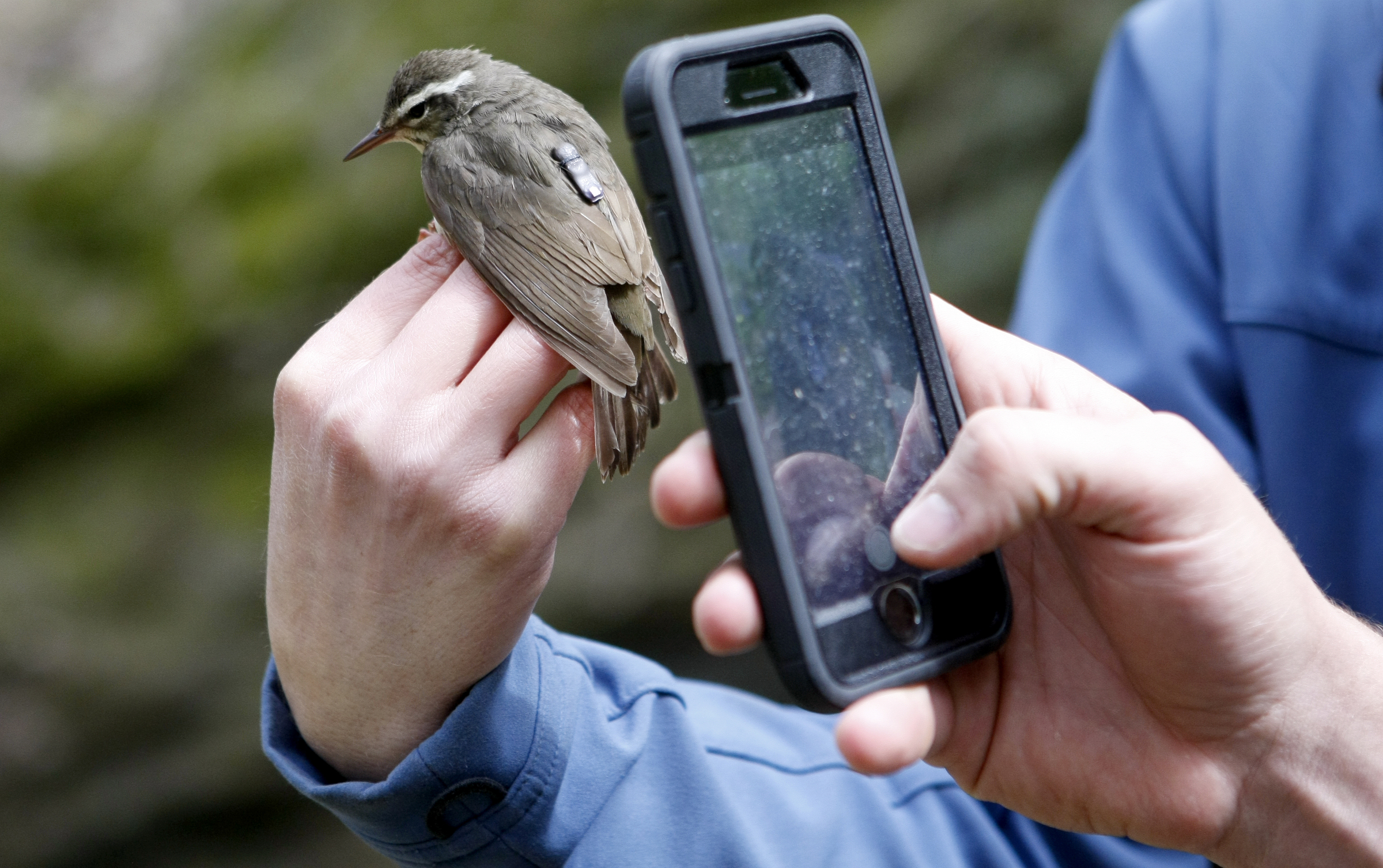
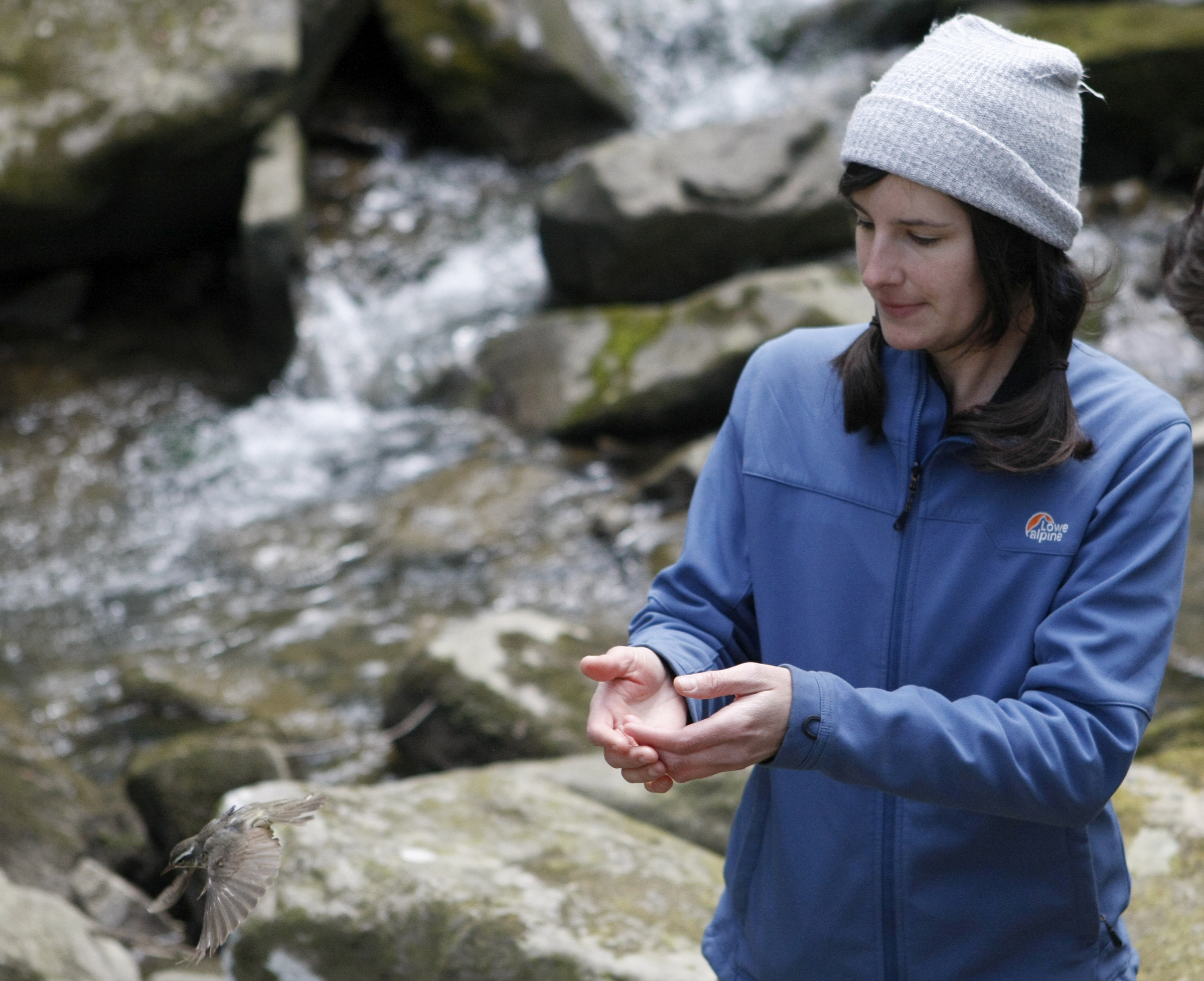
Two researchers and an intern huddled nearby signaled the call from the speakers again, instigating the bird to charge a third time. This time they had it. The bird flew into the net spanning the tributary and was trapped. The workers shuffled over and quickly gathered the bird for some quick testing before releasing it back into its habitat.
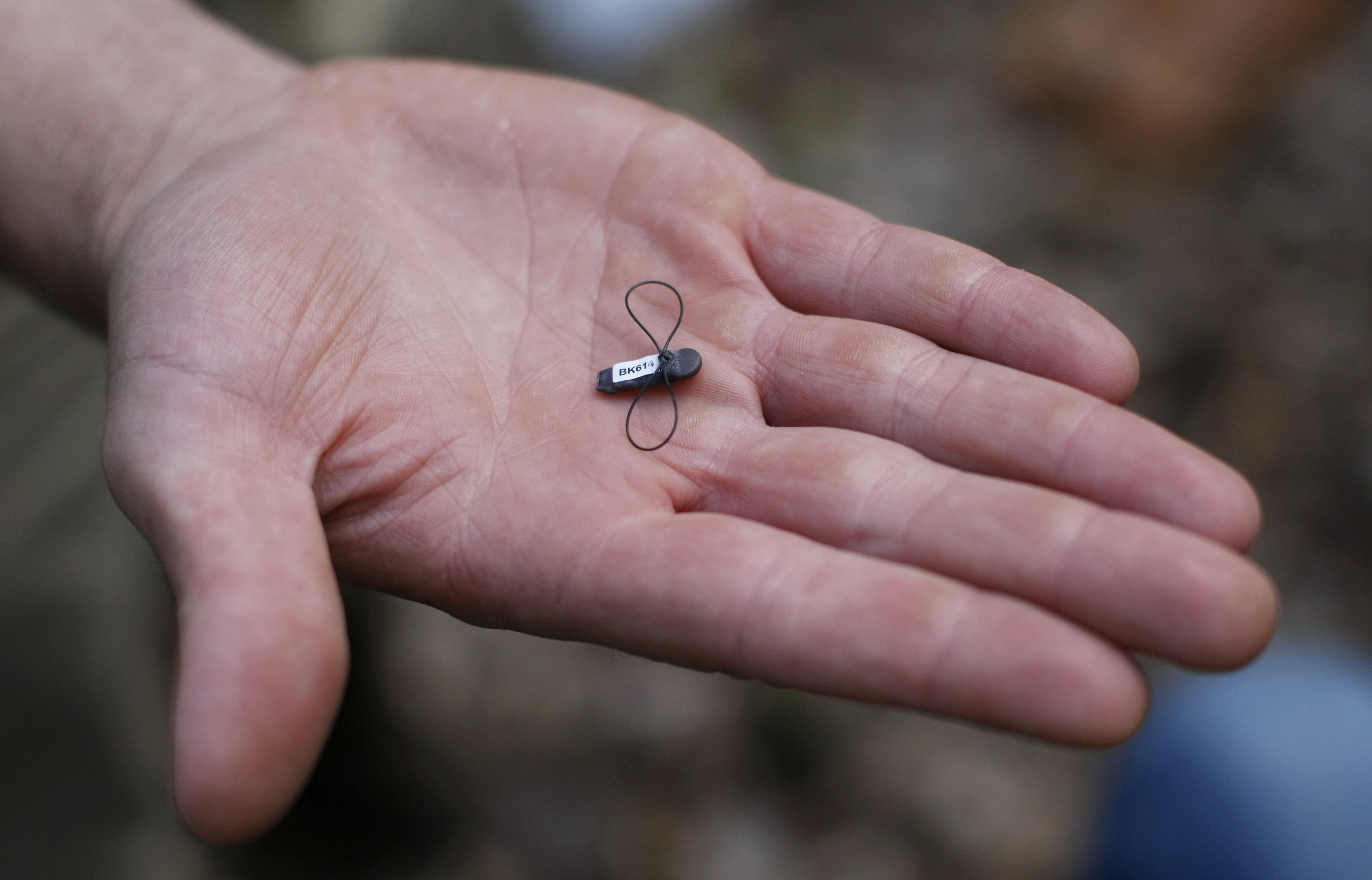
“The goal of this is to investigate the population trends by tracking their migration,” said Eliot Berz, Tennessee River Gorge Trust avian and research technician.
The trust began studying the birds two years ago. The first years were spent determining whether Louisiana waterthrush could safely carry a geolocator. Once researchers found they could, the trust turned its focus to studying migratory patterns in larger quantities.