
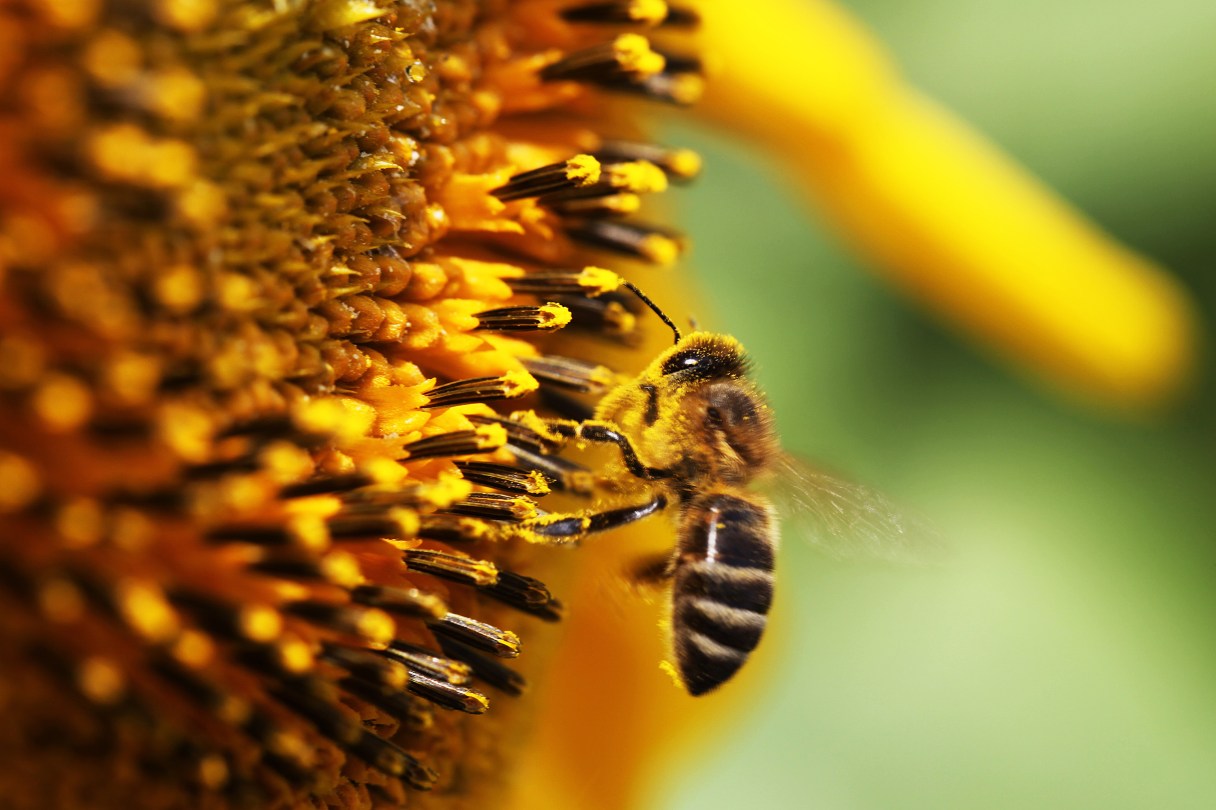
When the buzzing stops, we’re in big trouble.
The quiet already has begun in many places, and with that quiet comes fewer apples, fewer melons, lower almond crops, diminished vegetable gardens.
We must not think of this impending loss as just a depletion of wildlife. Almost all flowers – and especially fruit and vegetable blooms – depend on bees, butterflies, moths and other pollinating insects to flourish, to fruit and to reproduce. Experts tell us one in every three bites we eat was made possible by the pollination of bees.
We hear a lot about honey bees and bee colony collapse. In Tennessee alone, beekeepers tallied a 25 percent total winter colony loss in the cold months of 2016/2017, according to the Bee Informed Partnership, a nonprofit collaboration of leading research labs and universities in agriculture and science to better understand honey bee declines in the United States.
But honey bees – which are not native to North America but were introduced here by white settlers from Europe – are just one indicator of the problem.