
A little over three years ago, our president gathered people in the East Room of the White House to announce a plan to fight a foe.
Barack Obama brought laughter to the room when he noted that not everyone there was a scientist – a take-off on Republicans’ reasoning for not blaming human activities for climate change.
And he brought applause when he announced his administration’s Clean Power Plan, adding that “no challenge poses a greater threat to our future and future generations than a changing climate.”
Obama continued: “Levels of carbon dioxide, which heats up our atmosphere, were higher than they’ve been in 800,000 years. 2014 was the planet’s warmest year on record [though 2015, 2016 and 2017 would soon make new history].”
When Obama was talking, 14 of the 15 warmest years on record had occurred within the previous 15 years. Today, we can say that the 20 warmest years on record have all fallen in the last 22 years – since 1995.
Climate change is no longer just about the future we’re predicting for our children or grandchildren; it’s the reality we’re living every day, right now.
On Monday, The Washington Post recounted the dilemma of Elizabeth Boineau, whose 1939 Colonial-style home and neighborhood a block and a half from the Ashley River in a sought-after Charleston, South Carolina, neighborhood shaded by ancient live oaks has flooded four times since 2015.
She put the house on the market last August, priced just shy of $1 million, after repairs from two straight years of river and high-tide flooding came up under the house but left the interior largely unaffected. But in September, the remnants of Hurricane Irma left the first floor standing in eight inches of water. She dropped the price to $599,900 and began the process of getting permission to demolish a property in a historic district. Boineau says a new buyer can build an elevated structure on the land.
Three studies have found evidence that the threat of higher seas is undermining nearly all coastal property values as homebuyers and investors retreat to higher ground.
The sea has risen seven to eight inches since 1900, and the pace is accelerating, with three inches occurring since 1993, according to the comprehensive “Climate Science Special Report,” released last year. Scientists predict the oceans will rise an additional three to seven inches by 2030, and as much as 4.3 feet by 2100.
But don’t expect Donald Trump and his right-wing cabinet and congressional groupies to pay attention. The only thing they care about is fossil fuel money and erasing anything with any vestige of Obama in its making.
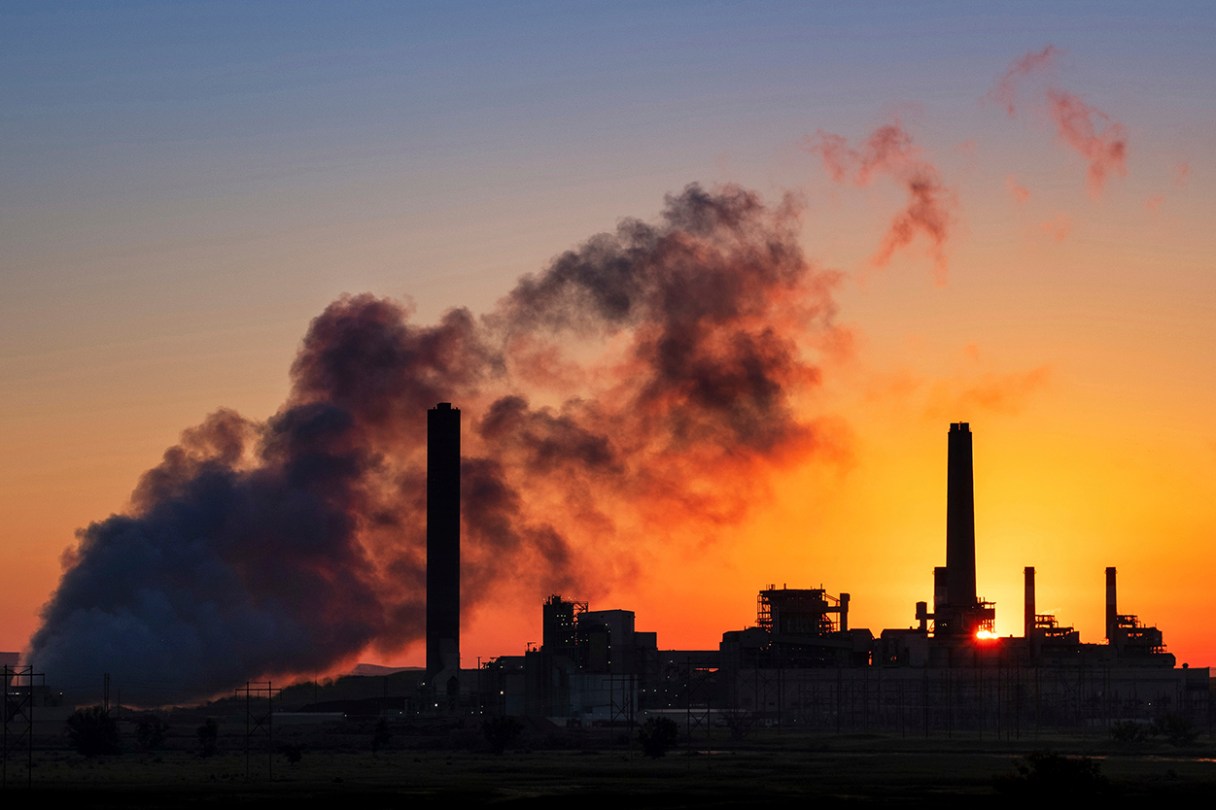
Last Tuesday, the Trump administration made public the details of its new pollution rules governing coal-burning power plants.
Out with the Clean Power Plan. In with the Affordable Clean Energy Rule.
Obama’s plan was an aggressive effort to speed up the closures of coal-burning plants, one of the main producers of greenhouse gases, by encouraging utilities to use cleaner energy sources like wind and solar.
Trump’s “affordable” plan lets states relax pollution rules for outdated power plants that need upgrades, keeping them active and polluting still longer. In the fine print of the Trump plan is an acknowledgment that it would increase carbon emissions and lead to up to 1,400 premature deaths annually.
By 2030 under the Trump plan, we’ll see increased rates of microscopic airborne particulates known as PM 2.5, dangerous for their link to heart and lung disease. Those pollution “particulates” also are known to trigger chronic asthma and bronchitis.
That may be affordable for coal barons and electricity makers, but not for the rest of us.
Gina McCarthy, former EPA administrator under Obama and an architect of the Clean Power Plan, called the Trump move “a huge gimme to coal-fired power plants” by giving them a “free pass” to increase not just carbon emissions but other unhealthy pollutants as well.
“They [Trumpites] are continuing to play to their base, and they are following industry’s playbook step by step,” she told reporters. “This is all about coal at all costs.”
Nothing will bring back coal’s glory days of the 1920s when the industry employed almost 785,000 miners. There were 52,200 people employed in the coal industry in February of 2018, a slight increase from the year before, but down from the 89,700 in January 2012, according to the Energy Information Administration and Bureau of Labor Statistics.
By contrast, just under 374,000 people were employed in solar energy, according to a 2017 Department of Energy report titled “U.S. Energy and Employment.”
Labor-saving mountaintop removal with machines and blasting is the workhorse of the coal industry these days, and the clean-up costs to pay for things like coal ash spills won’t shrink. Tennessee’s Kingston ash spill carried a $1.2 billion price tag, and a court-ordered plan to dig up and relocate coal ash stored at TVA’s Gallatin Fossil Plant northeast of Nashville is estimated at $2 billion.
Does that sound affordable? Does more illness sound affordable? Do declining property values sound affordable?
Climate change is real, and it’s already changing our geography, our crops, our homes and our health. The only thing Trump’s denial of it does – especially with his new full-pollution ahead scheme – is speed it forward.