
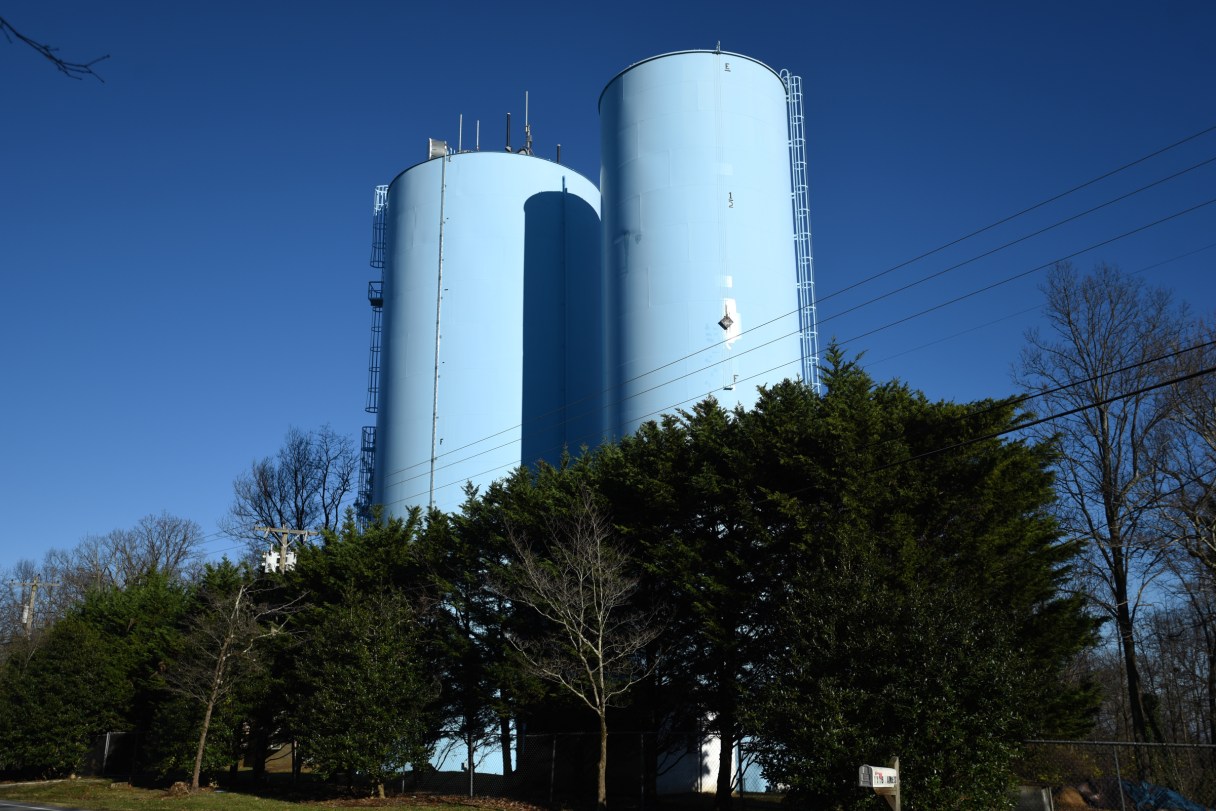

Signal Mountain town councilors voted unanimously to have the Municipal Technical Advisory Service conduct a comprehensive rate study for the town’s water utility, for a cost of up to $3,000.
MTAS is a public service institute that offers programs and services to Tennessee city governments, including training, finance, legal, technical and municipal management assistance. The independent entity previously performed a study of the viability of the town keeping its municipal water system. That study recommended the town also have a comprehensive rate study performed, as did the committee of town residents formed to study the viability of keeping the system.
“I think that’s a great bargain,” Councilwoman Susannah Murdock said of the study’s $3,000 cost.
Mayor Dan Landrum pointed out that the council was not only voting to authorize the expenditure for the study, but also committing the governing body and the town staff to provide the information necessary for the study. That includes audits for the last three to four years of the water utility’s operations, the current year’s financial reports and budget for water and sewer, and water-related capital projects scheduled for the next three to five years.
The town will also need to provide copies of ordinances establishing current water fees and rates; loan information; expected new customers; copies of any special contracts, such as to buy water from other utilities or to supply water to other utility districts; as well as a summarized 12-month billing history showing total customer usage and water sales revenue, any major anticipated increases or decreases in revenues or expenditures for the next three to five years, and any special circumstances affecting the water system’s finances.
Town Manager Boyd Veal said one of the reasons he’s advocated for the rate study is that the information the town must provide pushes the council to look, in detail, at factors that will help to further determine the viability of keeping the water system, including staffing levels and associated costs as well as how aggressive the town plans to be with related capital projects.
“When [MTAS staff members] are in a position to study this, that means we will have worked through some of these things and will have a little clearer vision of what it looks like to continue to operate the system and do it as well as we possibly can,” said Veal.
Once the study is complete, which is expected to occur by the end of February 2019, MTAS will provide the council with recommendations for setting fair and equitable rates for customers, including how to restructure rates, taking the model from a flat fee with additional charges for those who go over the base water usage amount, to a charge based entirely on each customer’s usage.
MTAS will also provide spreadsheets showing the past two or three municipal audits, current year-to-date water revenues and expenditures, and three- to four-year projections of water utility revenues.
“It’s more than just something saying, ‘This is how you should set your rates,'” said Landrum.
MTAS will give a PowerPoint presentation of its findings at a future meeting of the council, he said.
Email Emily Crisman at ecrisman@timesfreepress.com.