
Monday, November 16, 2026Nov 16

Alabama files lawsuit against opioid manufacturer

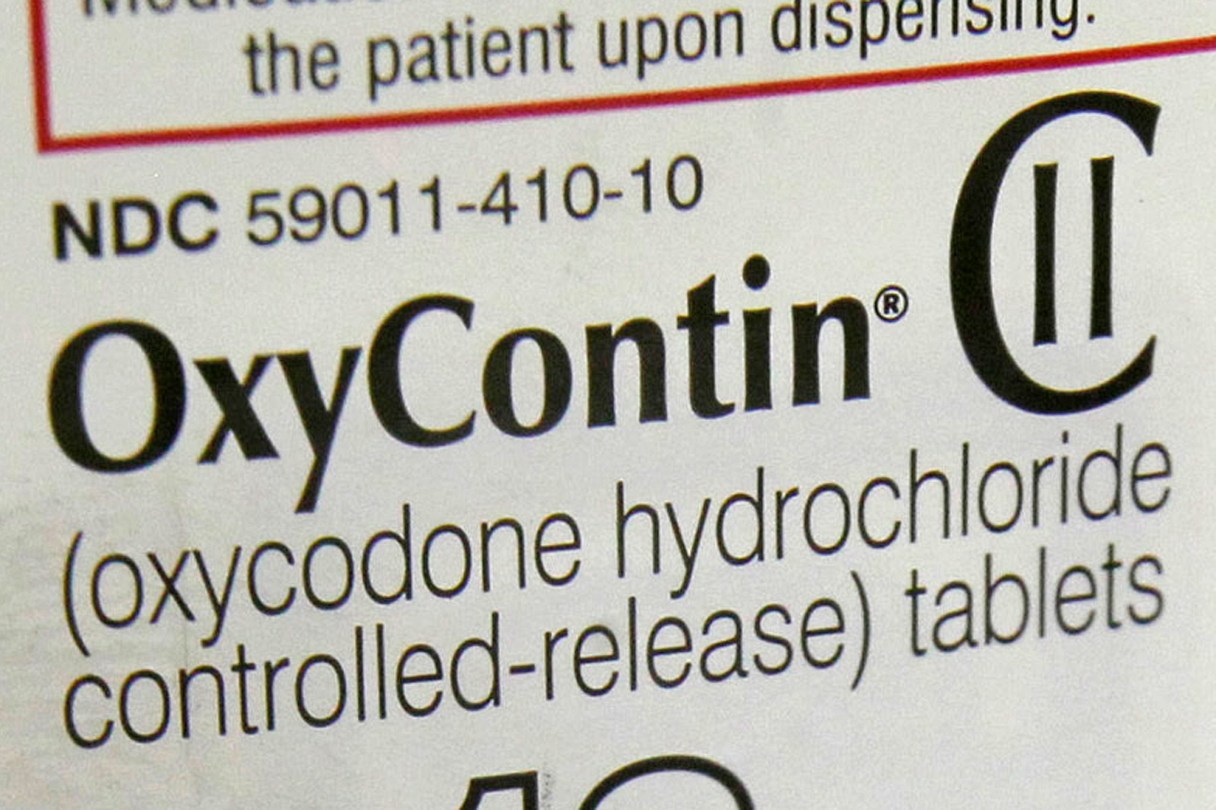
FILE - This Feb. 19, 2013, file photo, shows a portion of the label for OxyContin pills in Montpelier, Vt. On Thursday, Aug. 31, 2017, safety advocates and state health officials filed a petition calling on the U.S. Food and Drug Administration to ban high-dose opioid painkillers to prevent accidental overdose deaths among patients and people who abuse drugs. The petition singles out the OxyContin 80 milligram tablet, which is taken twice daily, adding up to 240 morphine-equivalent milligrams. It seeks a ban on other high-dose opioid tablets and under-the-tongue films. (AP Photo/Toby Talbot, File)

MONTGOMERY, Ala. (AP) – Alabama filed a lawsuit on Tuesday against the manufacturer of OxyContin and other opioids, becoming the latest state seeking to hold drug companies accountable for an addiction epidemic.

Alabama Attorney General Alabama Steve Marshall filed the lawsuit in Montgomery federal court against Purdue Pharma, L.P. and its branches. The lawsuit claims the manufacturer engaged in deceptive marketing practices that misled patients and doctors about the benefits of the drugs and the risks of addiction to the powerful painkillers.

“Folks are dying every day as a result of overdoses,” Marshall told The Associated Press. “It’s not just a law enforcement problem. It’s a public health problem.”

The Connecticut-based company denied the allegations in a statement, saying it also was troubled by the epidemic and was seeking through specific steps to be “part of the solution.”

The lawsuit alleges the company violated a state law against deceptive marketing practices and created a drug-related public nuisance. Alabama said the company engaged in a marketing campaign so that opioids would be prescribed, not just for severe short-tern pain, but for more common aches and pains like arthritis, lower back pain and headaches.