
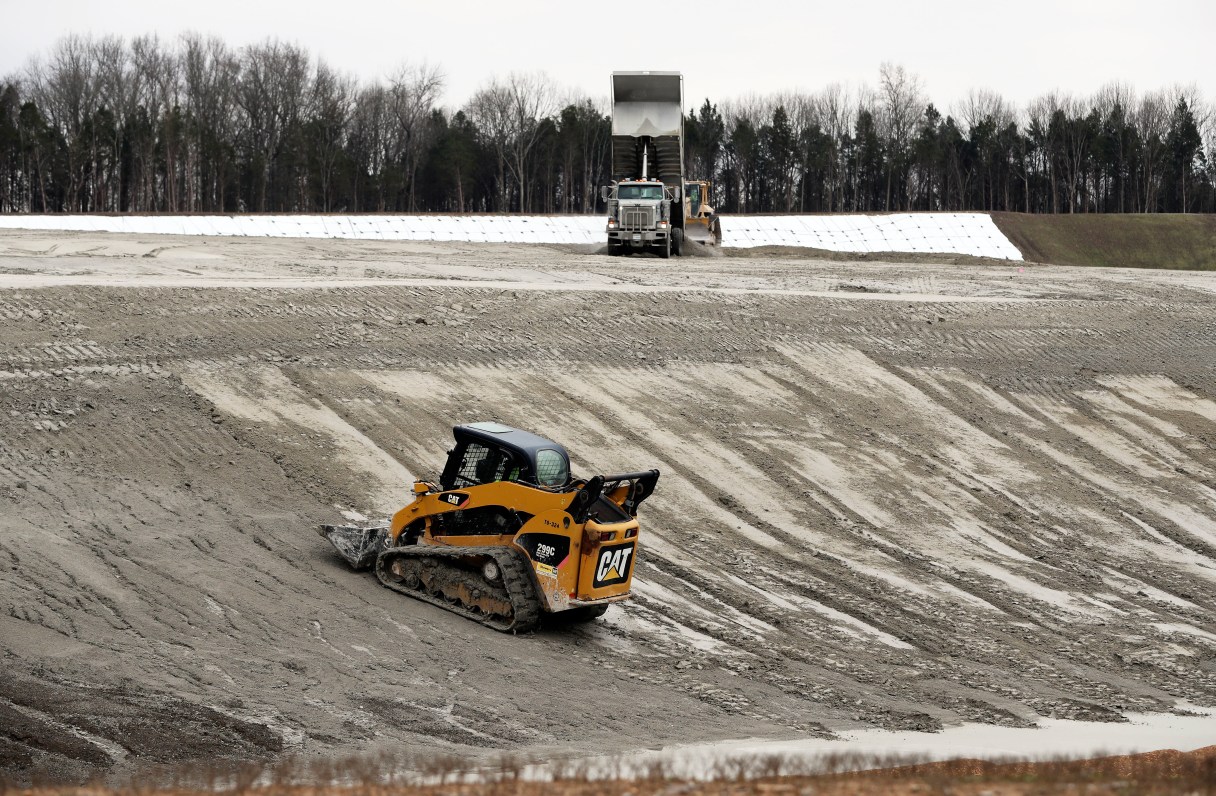
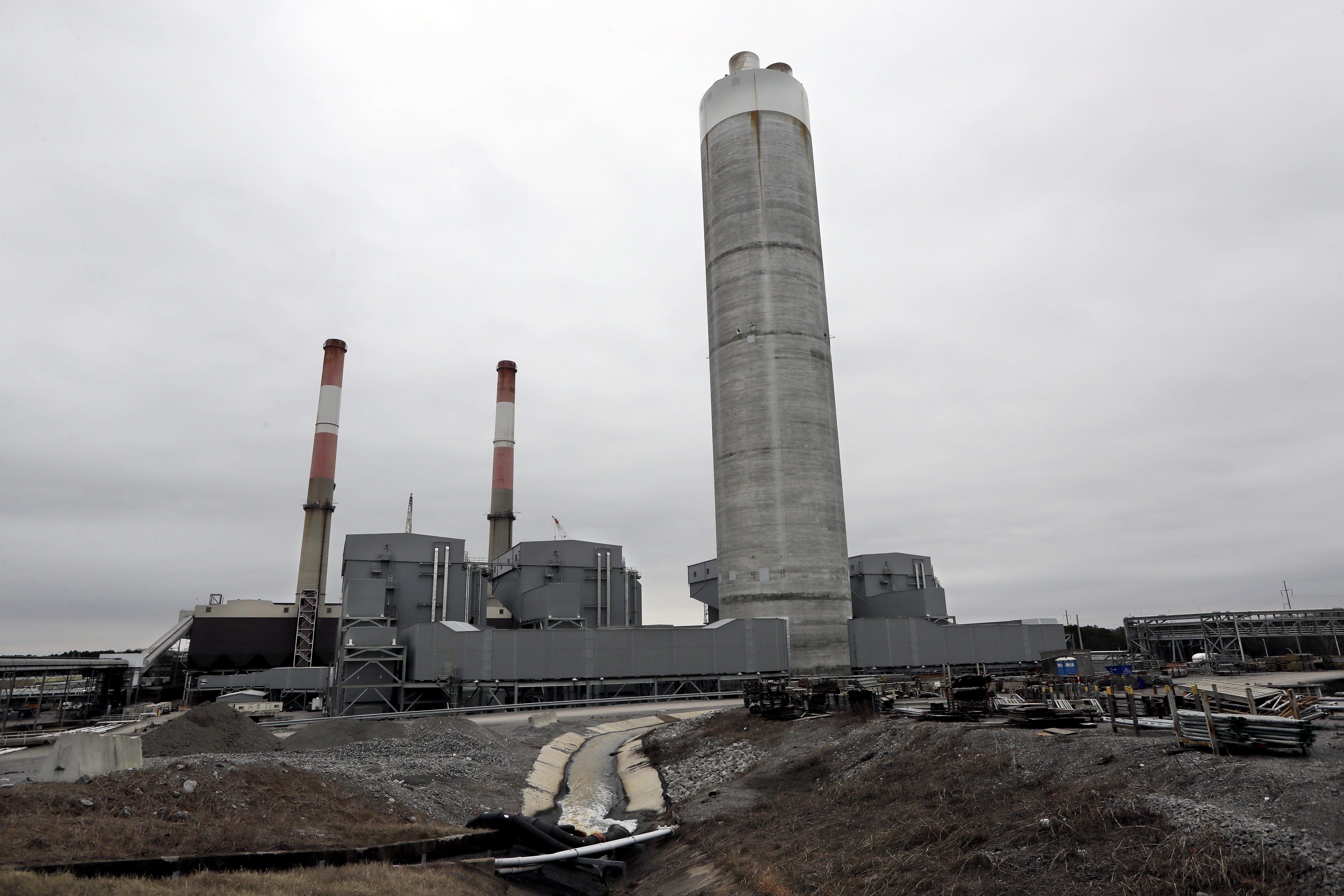
 FILE – This Jan. 25, 2017 file photo shows the Gallatin Fossil Plant in Gallatin, Tenn. A federal judge on Friday, Aug. 4, 2017 ordered the nation’s largest public utility to dig up its coal ash at Tennessee Valley Authority’s Gallatin Fossil Plant and move it to a lined waste site where it doesn’t risk further polluting the Cumberland River.(AP Photo/Mark Humphrey, File)
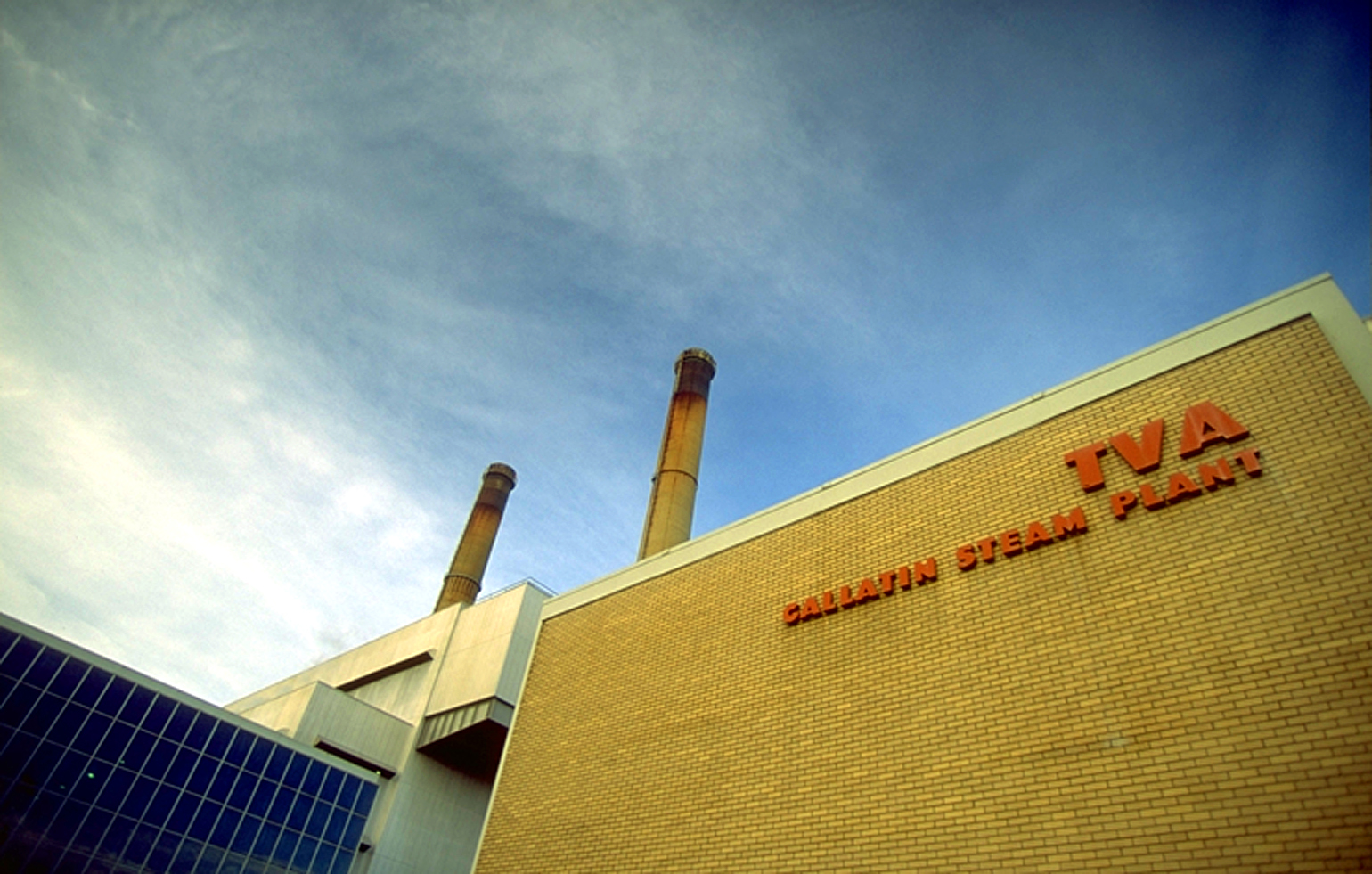 TVA’s Gallatin Fossil Plant is shown in this file photo.
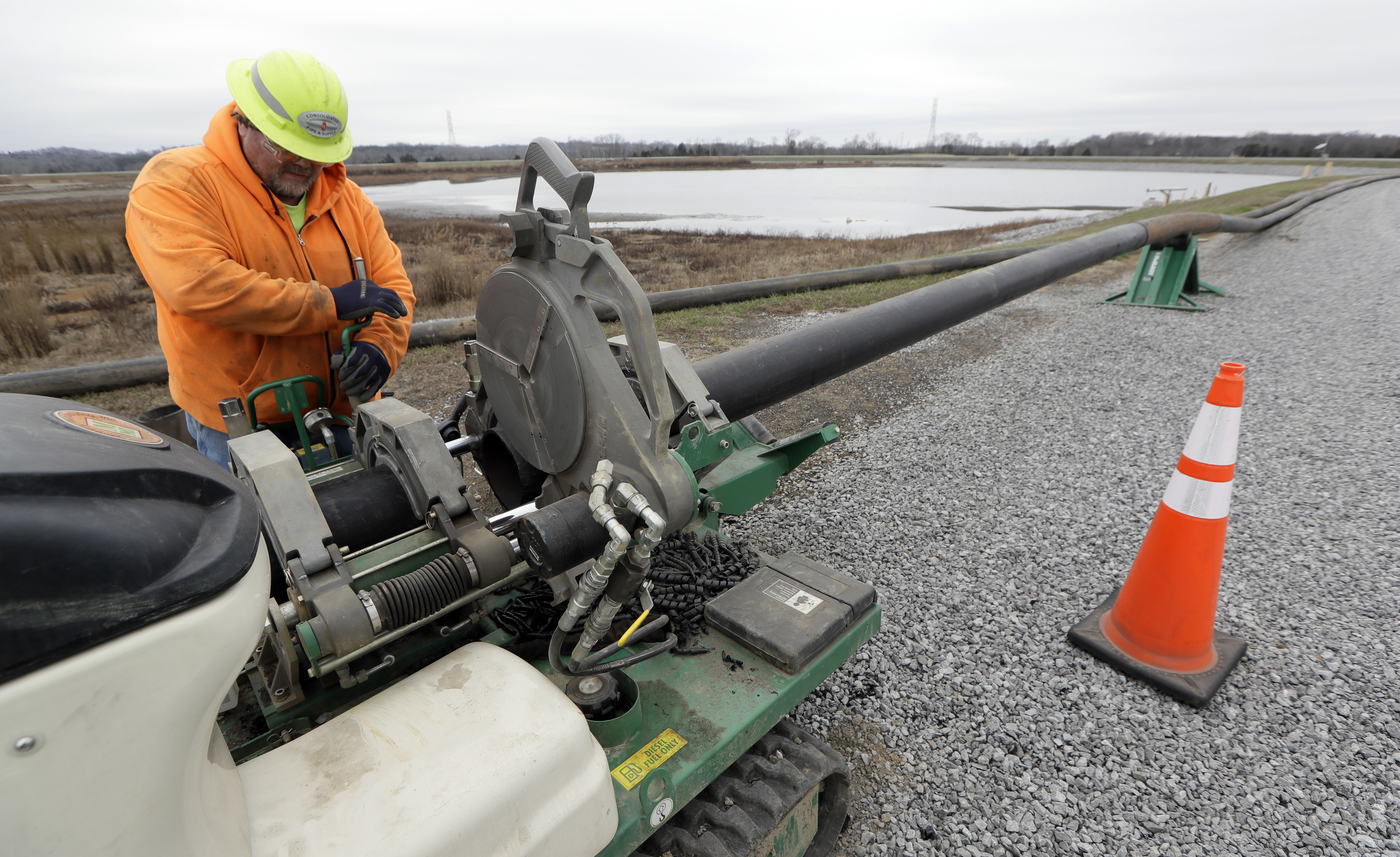 In this Jan. 25, 2017 photo, Richard Lawson heat welds sections of pipe together that will move water between ash storage ponds at Gallatin Fossil Plant in Gallatin, Tenn. Environmental groups are taking the Tennessee Valley Authority, the nation’s largest public utility, to trial over whether waste from the coal-fired power plant near Nashville polluted the Cumberland River. A trial opens Monday, Jan. 30, in federal court in Nashville as the groups claim coal ash waste illegally seeped into the Cumberland River. (AP Photo/Mark Humphrey)
A court-ordered plan to dig up and relocate coal ash stored at TVA’s Gallatin Fossil Plant in Tennessee threatens to push up TVA’s electricity prices without necessarily helping the environment more than capping the ash residues where they are now, TVA customers and 18 attorneys general said in new court filings.
TVA and its distributors and allies are fighting a ruling from U.S. District Judge Waverly Crenshaw in Nashville that TVA violated the Clean Water Act by dumping coal ash near the Cumberland River for decades. Crenshaw ruled last year in favor of the Tennessee Scenic Rivers Association and the Tennessee Clean Water Network, ordering TVA to remove more than 13 million cubic yards of coal ash that is piled up to 25 feet deep in unlined stilling ponds and dry storage.
“While the decision to build the Ash Pond Complex is in the past, the consequences of that decision continue today, and it now falls on the Court to address them,” Crenshaw wrote in his decision last year. “The way to do so is not to cover over those decades-old mistakes, but to pull them up by their roots.”
But TVA, which is appealing the ruling, estimates it will cost about $2 billion to excavate and truck out the ash, which could take 20 years of 50 to 100 truckloads a day.
TVA said it would cost about $230 million and may be safer and more environmentally friendly to keep the ash where it is and cover it with a cap.