
Monday, November 16, 2026Nov 16

Is inflation rising as investors fear? 5 ways to keep track

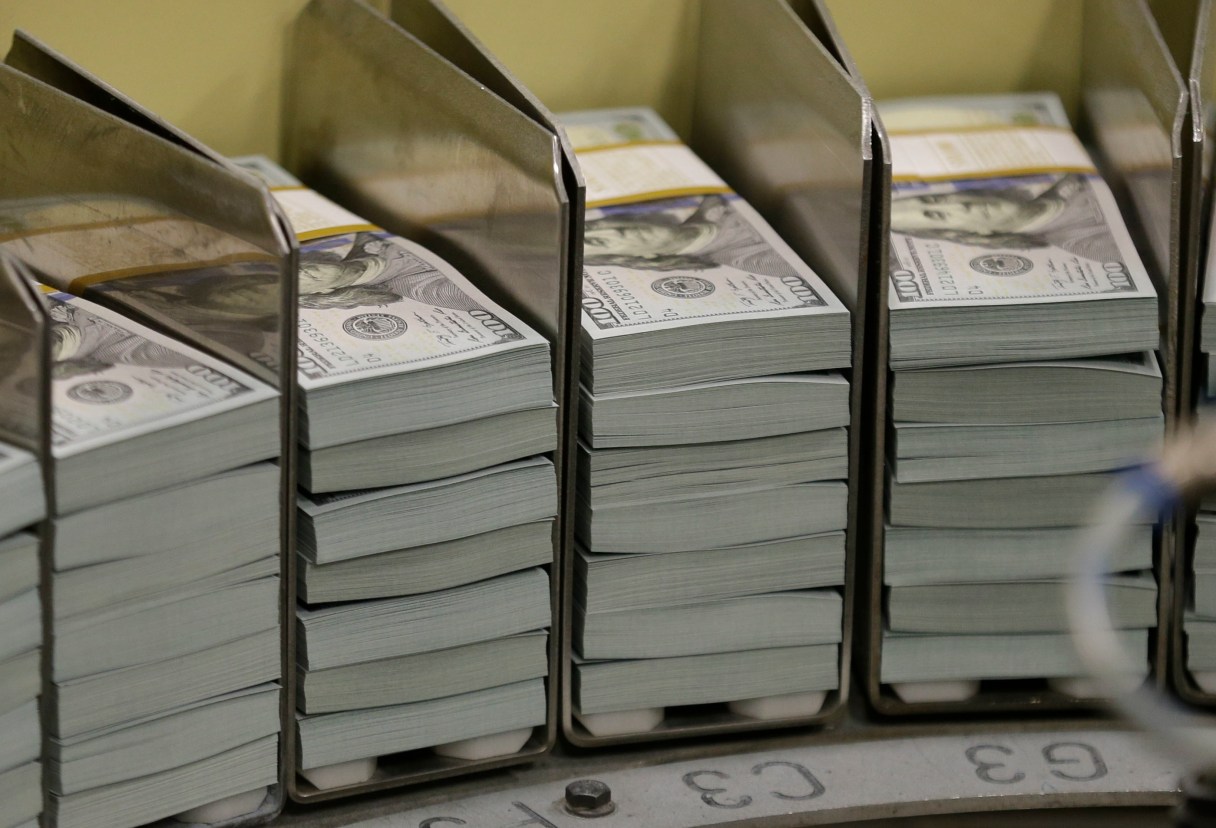
In this Sept. 24, 2013, file photo, just cut stacks of $100 bills make their way down the line at the Bureau of Engraving and Printing Western Currency Facility in Fort Worth, Texas. Tentative signs have emerged that prices could accelerate in coming months. Most economists expect inflation to edge up and end the year a few tenths of a percentage point above the Federal Reserve's target. But most foresee only minimal effect on the economy. (AP Photo/LM Otero, File)

WASHINGTON (AP) – After nearly a decade of being all but invisible, inflation – or the fear of it – is back.

Tentative signs have emerged that prices could accelerate in coming months. Pay raises may be picking up a bit. Commodities such as oil and aluminum have grown more expensive. Cellphone plans are likely to appear costlier.

The specter of high inflation has spooked many investors, who worry it would force up interest rates, making it costlier for consumers and businesses to borrow and weighing down corporate profits and ultimately the economy. Historically, fear of high inflation has led the Federal Reserve to step up its short-term interest rate increases.

It’s a big reason investors have dumped stocks and bonds in the past two weeks.

Yet for all the market turmoil, inflation for now remains quite low: Prices, excluding the volatile food and energy categories, have risen just 1.7 percent in the past year. That’s below the Fed’s target of 2 percent annual inflation.