
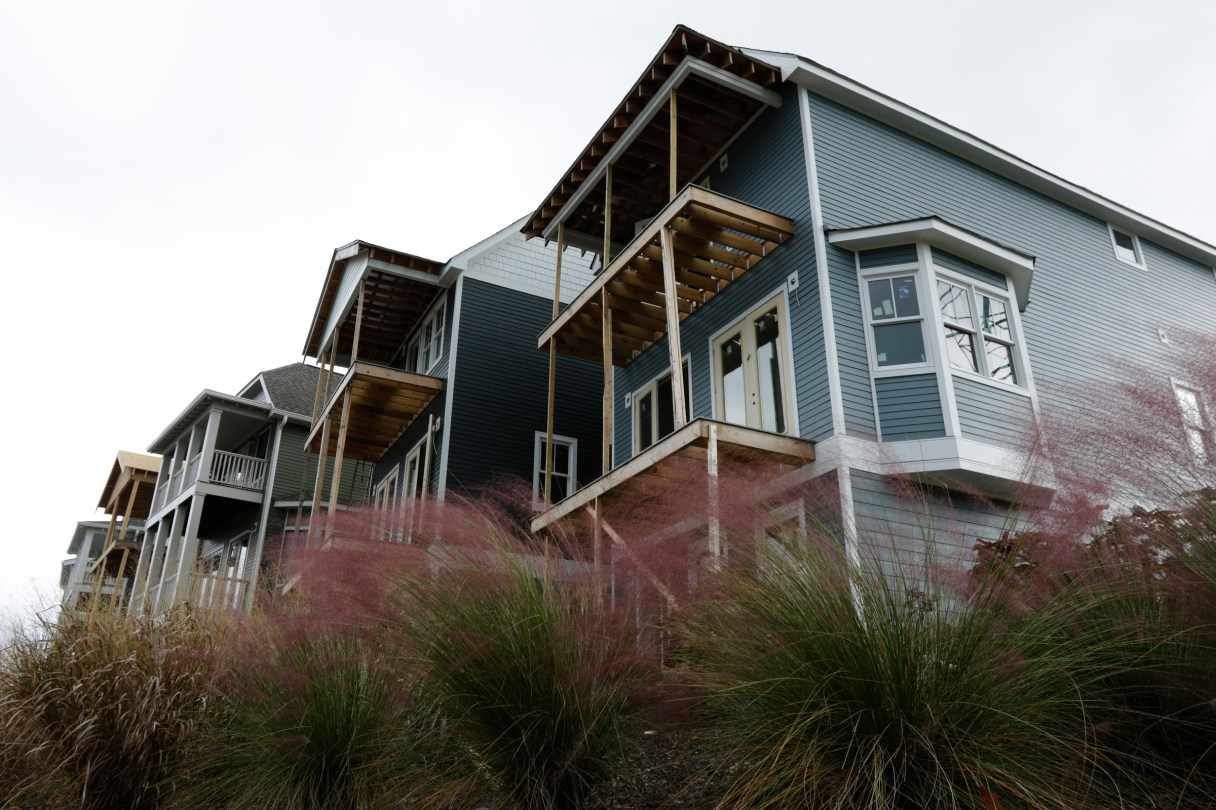

Not enough i’s were dotted and t’s crossed Monday for the city’s plans to extend Martin Luther King Jr. Boulevard across Riverfront Parkway to create a gateway for the Tennessee Riverwalk, so those plans didn’t go forward.
That’s as it should be.
The city had proposed using a $4 million tax increment financing (TIF) agreement to allow developers of the privately owned Cameron Harbor housing community to build the extension, but information at the public hearing indicated state approval may be needed and approval necessary by the state commissioner of economic development and state comptroller’s office before any public money is used for private benefit.
With questions about such approval and others raised at the hearing, the city’s Industrial Development Board decided not to vote on whether to accept an economic impact analysis and a development and financing agreement with developer Evergreen Real Estate.
We believe there are occasions when TIF plans are warranted, but – despite support from Chattanooga Mayor Andy Berke and Hamilton County Mayor Jim Coppinger – we’re not absolutely convinced this is one. We feel sure Cameron Harbor developers would build out their community regardless of the TIF.
That build-out – according to the economic impact analysis – includes $50 million of investment, including 180 apartments, a mixed-use building, a medical office building and a restaurant. In 15 years, total economic impact would reach $248 million, 80 permanent jobs and nearly $6.5 million in new local taxes paid.
That’s not bad for a $4 million taxpayer investment, and the city would get the King Boulevard extension and, according to the plan, some subsidized “workforce” housing within the Cameron Harbor community. But, it seems, the agreement would continue the crutch of public financing for largely private benefit. It also makes it hard to say no for anything similar in the future.
Adding to questions about state approval and public money being used for private benefit, critics at the hearing also raised the issue of whether information in the public notice about the project was complete and whether the project had any upside for residents of the nearby Westside public housing facility.
We don’t foresee the Industrial Development Board shutting down a project both the city and county mayors believe should go forward, but at a minimum any state approval should be secured and further questions asked about the TIF agreement (and potential future ones) by the board and, subsequently, by the Chattanooga City Council and Hamilton County Commission, both of which must sign off on it.