
Kimberly-Clark to cut 5,500 jobs
Americans are having fewer babies and diaper makers are feeling the pinch.
Kimberly-Clark said Tuesday it will cut as many as 5,500 jobs, or 13 percent of its workforce, in an attempt to lower costs.
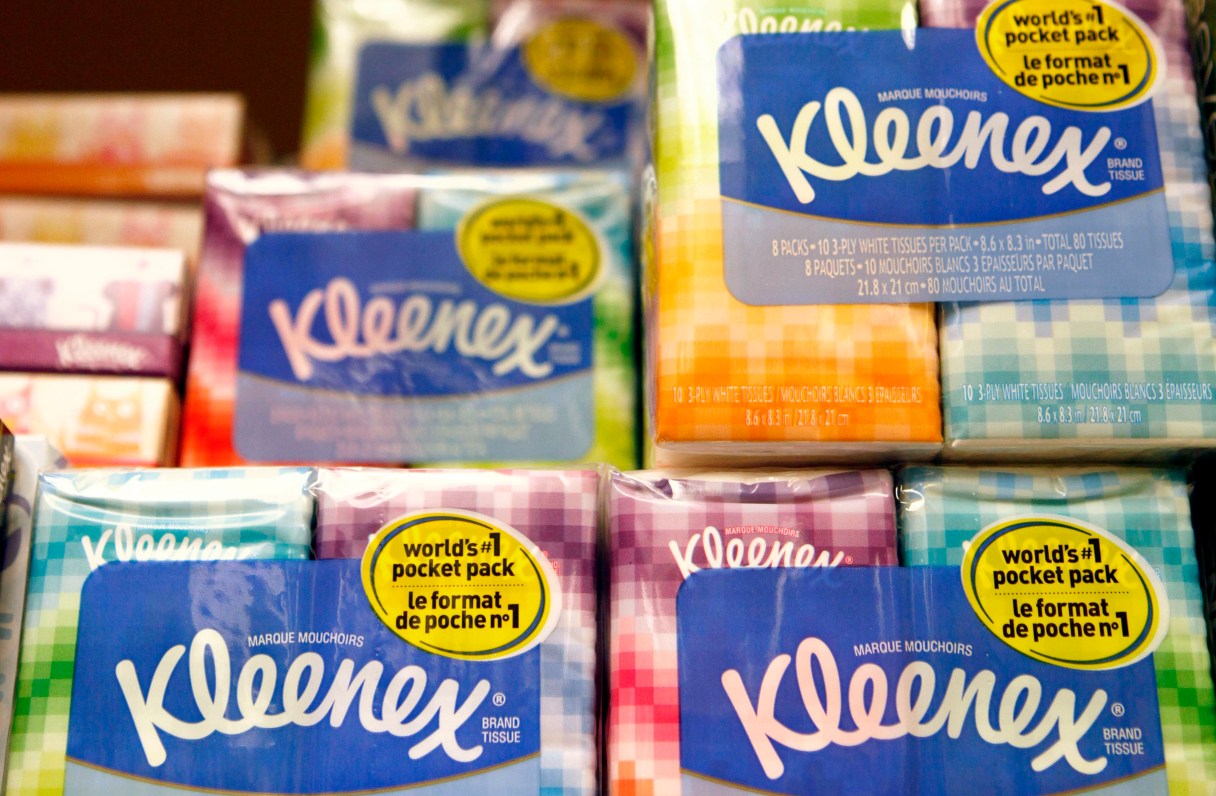
The job cuts come as the maker of Huggies and Kleenex – along with other consumer-products companies – is seeing a decline in demand for some core products as U.S. birthrates fall.
First Tennessee raises dividend
The parent company of First Tennessee Bank is boosting its quarterly dividend payments by a third and expanding its stock repurchase program after giving most of its 4,300 employees a $1,000 bonus check this month.
First Horizon National Corp. said Tuesday it is increasing its quarterly cash dividend on common stock to 12 cents per share, up 33 percent from the previous 9-cents-per-share quarterly payment. The higher dividend will be paid April 2 to the common shareholders of record as of March 9.
In addition, the First Horizon board approved a new $250 million common share purchase program that will expire on Jan. 31, 2020. The board terminated the older program, which was originally announced in 2014, and still had approximately $190 million remaining in available share purchase authority.
Apple to expand into speaker market
SAN FRANCISCO – Apple is finally ready to launch its attempt to compete with the internet-connected speakers made by Amazon and Google with the release of its long-awaited HomePod.
Pre-orders for the HomePod will begin Friday in the U.S, U.K. and Australia, two weeks before the speaker goes on sale in stores for $349. It will be trying to upstage Amazon’s Echo and Google’s Home speakers. All feature voice-activated assistants to help people manage their homes and lives.
Amazon’s lobbying total $12.8 million
SEATTLE – Amazon spent a record $12.8 million lobbying the federal government in 2017, as the online retailer nudged policymakers on issues from tax reform to drones and clashed with the Trump administration.
The Seattle company’s spending was up 17 percent from 2016, and trailed only Google, which spent $18 million, among technology giants. Redmond-based Microsoft’s spending fell 2 percent, to $8.5 million.
Just a few years ago, Amazon had a small presence in Washington, D.C., geared toward the company’s core in e-commerce, and primarily a longstanding push for a standardized nationwide tax regime for online purchases. In 2014, Amazon spent $4.7 million.
But as the company expanded its business into cloud computing, logistics, electronics and online video content, its lobbyists have sought input on matters before a dizzying range of federal agencies. The company’s latest disclosures, filed late Monday, note that in addition to members of Congress, Amazon lobbied more than two dozen federal entities, from the Federal Communications Commission (on broadband and Wifi issues) to the Department of Defense (technology procurement and cloud computing) and NASA.