
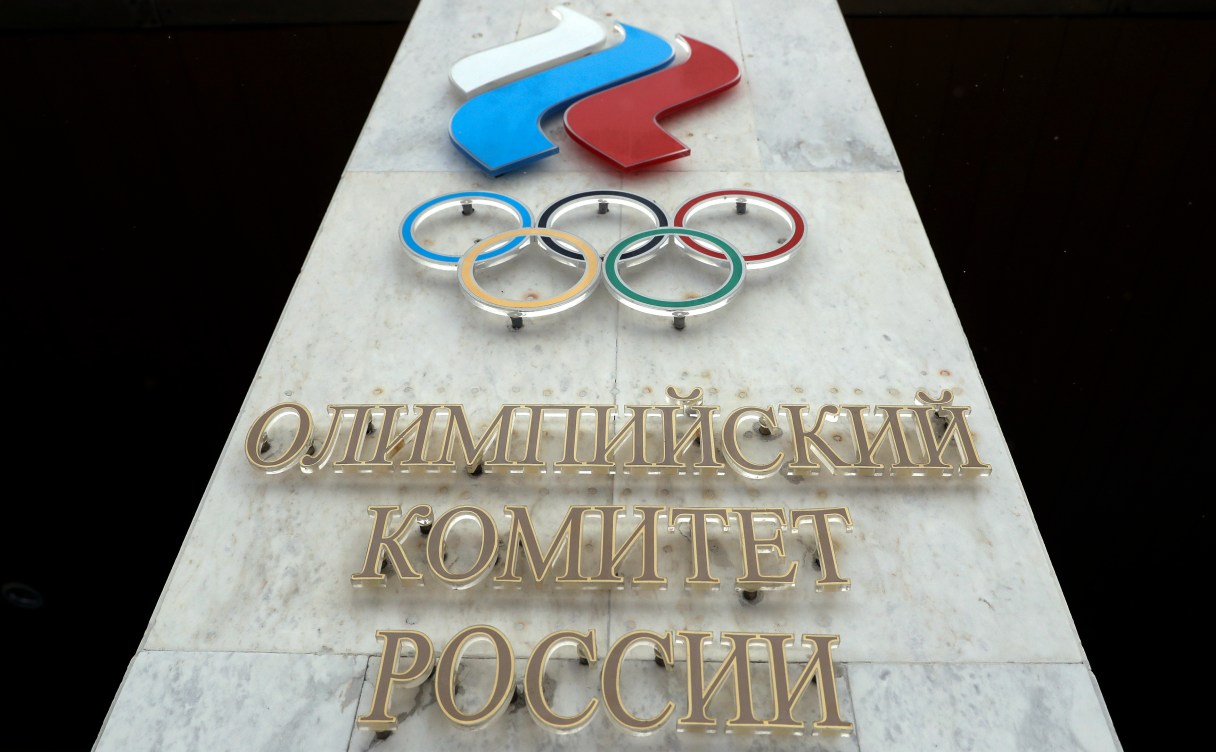
MOSCOW (AP) – New evidence is being used to vet Russian athletes ahead of next month’s Pyeongchang Games, the International Olympic Committee said Thursday.
The IOC said a database from the Moscow anti-doping laboratory shows evidence of attempts to “hide and modify” biological data pointing to steroid use. The Olympic body said it will pass on the data to international sports federations, who could take further action.
Russian athletes must compete in neutral uniforms under the Olympic flag in Pyeongchang as part of the country’s punishment for what the IOC ruled was a doping program when it hosted the 2014 Sochi Olympics. They will be known as “Olympic Athletes from Russia.” An IOC panel led by former French Sports Minister Valerie Fourneyron has been vetting Russian athletes before issuing invitations to compete.
“The (database) was reconstructed by a WADA forensic expert and then subjected to a rigorous authentication process to confirm its accuracy,” the IOC said in a statement. “This additional intelligence has been provided to the respective International Federations.”
The IOC panel has faced criticism in Russia over a lack of explanation for why some athletes, like six-time Olympic short-track speedskating champion Viktor Ahn, were not invited to Pyeongchang despite not having previously faced doping charges.