
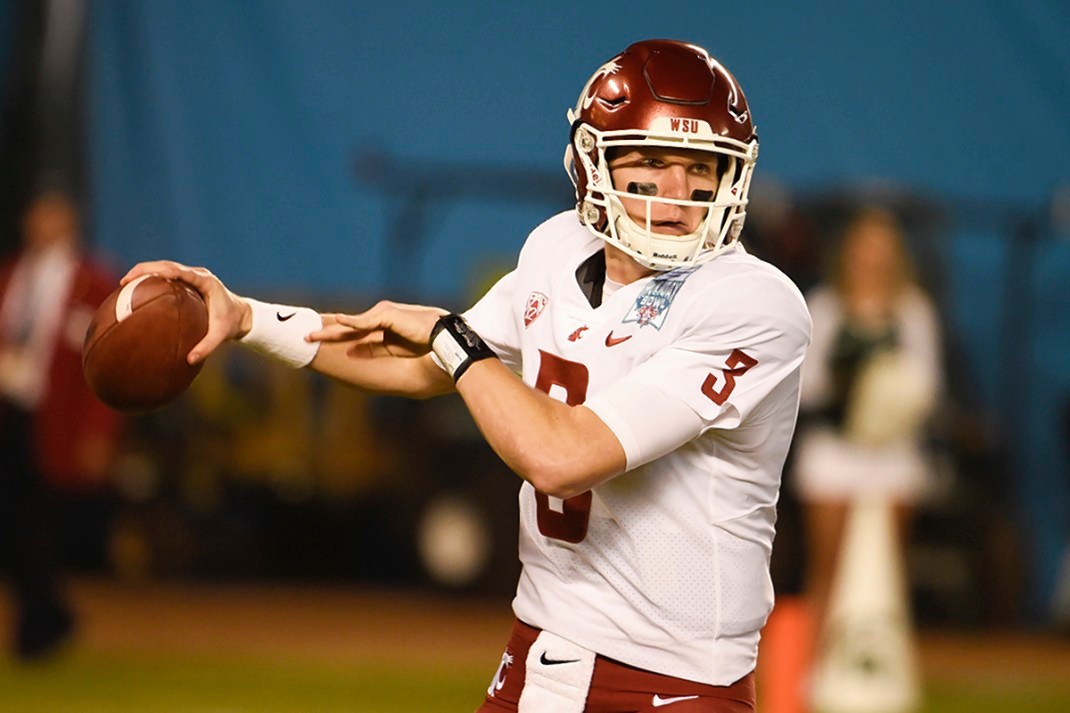
 Mark Wiedmer
It’s football time in Tennessee. And Alabama. And Georgia. And everywhere else in the Southeastern Conference, including Columbia, South Carolina, and Columbia, Missouri, which somehow – despite a span of 870 miles that separates the two college towns – seemed close enough to place South Carolina’s Gamecocks and Missouri’s Tigers in the same Eastern Division.
Not that the SEC has ever been revered as an academics-first league.
Yet its football teams are a different matter, what with one conference member or another winning six of the past 10 national championships and finishing runner-up on four occasions, including twice to SEC brothers. Put another way, going back to the first BCS title game at the close of the 1998 season and continuing through the first four College Football Playoff championships, only seven times in the past 20 years has the SEC not competed in the national championship game.
No wonder the hype, if not downright hysteria, to continue that excellence will begin anew Tuesday in Atlanta with the start of another SEC Media Days, perhaps the second biggest college football media event out there after the national championship game.
So while the rock group Panic at the Disco may not have had the SEC’s football chops in mind in its latest hit “Say Amen,” at least two lines from the chorus – “Mama, can I get another amen? Oh, it’s Saturday night” – surely will be in the minds and on the lips of SEC fans the nation over by the first Saturday of September.