

Let there be no doubt that United States presidents have absolute pardon power.
But that doesn’t mean they should exercise it willy-nilly.
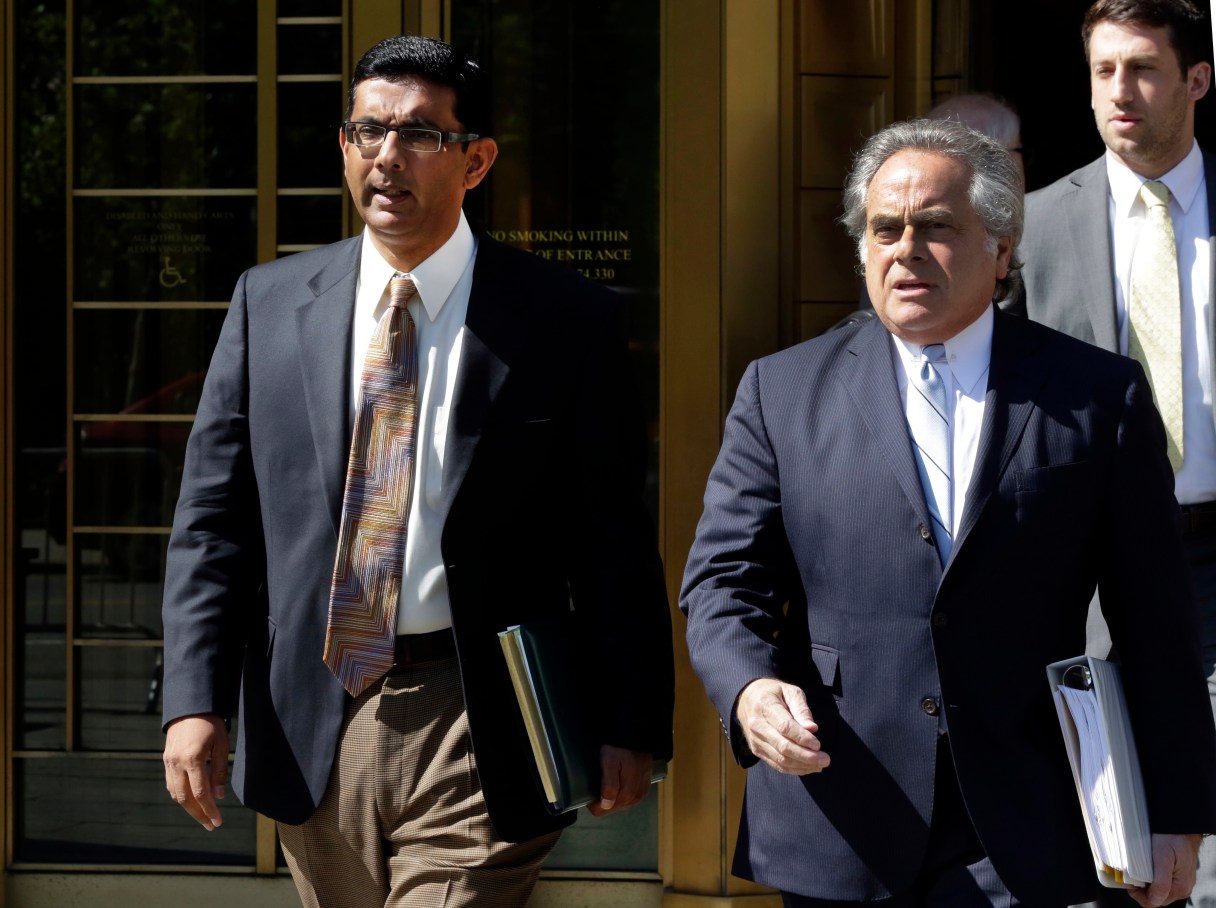
In pardoning author and conservative pundit Dinesh D’Souza Thursday, having previously pardoned former Vice President Dick Cheney chief of staff Lewis “Scooter” Libby and controversial Arizona Sheriff Joe Arpaio, and floating rumors about possible pardons for the likes of Martha Stewart and Rod Blagojevich, President Donald Trump is setting himself up to be a celebrity fairy godfather of sorts.
Worse, his actions portend him being the potential grantor of absolution for any and all crimes that deal with the special counsel’s investigation of Russia’s involvement in the 2016 presidential election.
It seems smarmy and a little worrisome.