
Photo Gallery
Local residents moved by visit to Montgomery’s new National Memorial for Peace and Justice

Closer to home
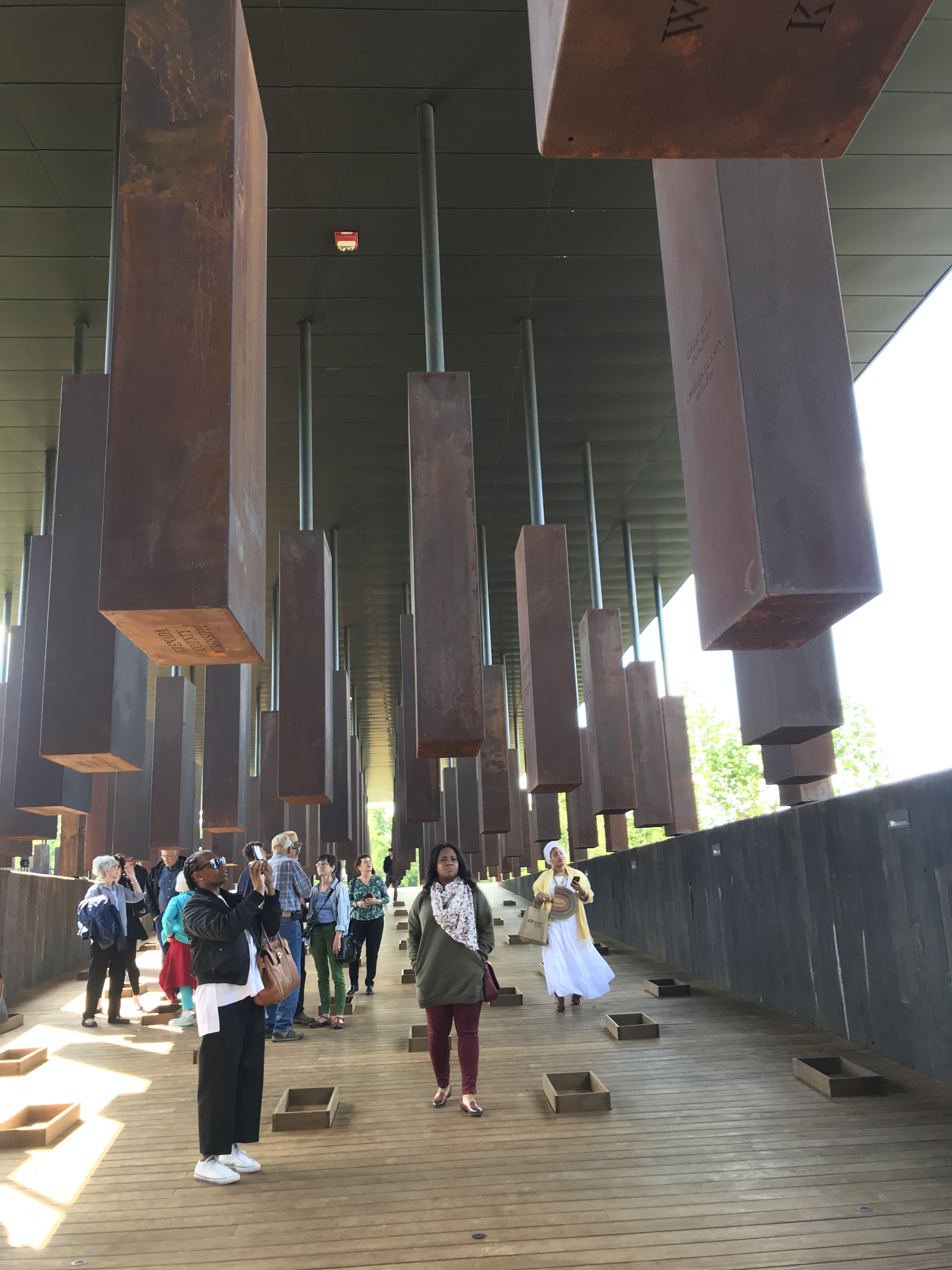
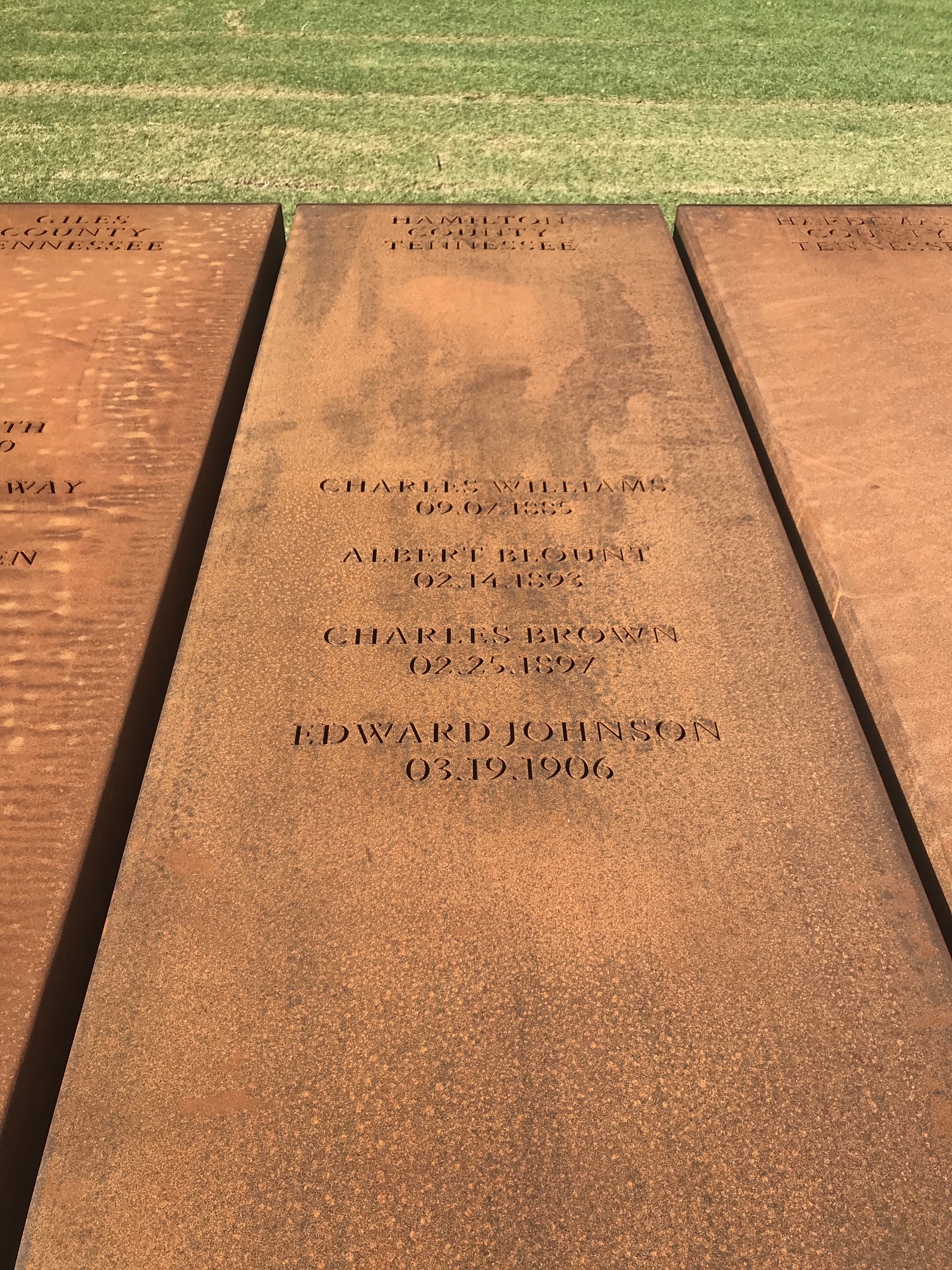
More than 4,000 people were lynched across the South in the decades after the Civil War from 1877 to 1950. At least four men were lynched in Hamilton County.› Charles Williams, lynched on Sept. 7, 1885, at historic Hamilton County Jail, 605 Walnut St.› Alfred Blount, lynched on Feb. 9, 1893, on the Walnut Street Bridge.› Charles Brown, lynched on Feb. 25, 1897, from a bridge in Soddy-Daisy.› Ed Johnson, lynched on March 19, 1906, on the Walnut Street Bridge.
If you go
The National Memorial for Peace and Justice is at 417 Caroline St. in Montgomery, Alabama. Hours are . Tickets are $5 all ages (7 and older). Combination
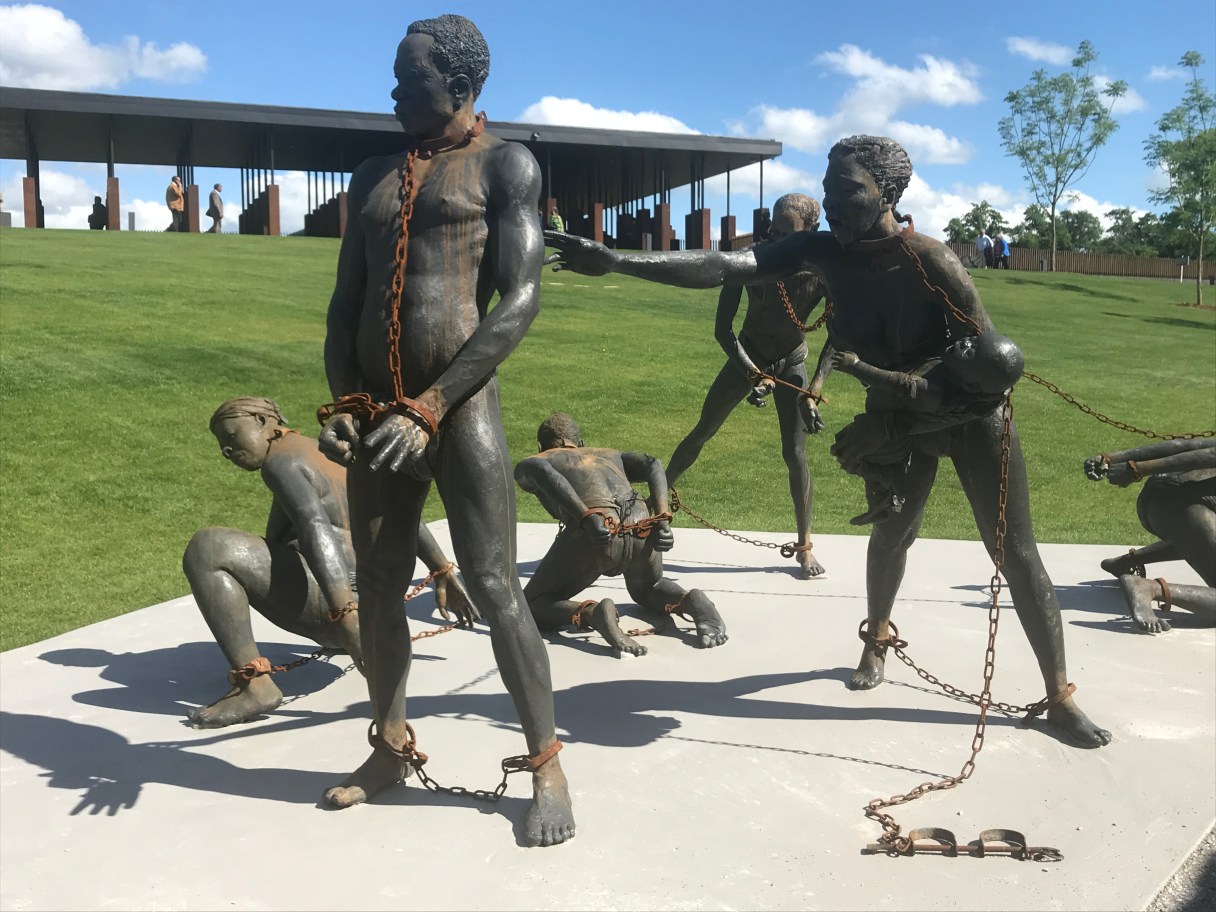
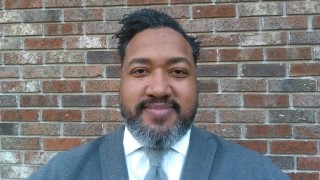
Donivan Brown has toured the Vietnam Memorial, the Holocaust Museum, the Museum of African American History in Washington, D.C., and Martin Luther King Jr. museums in Atlanta and Memphis, but he says he’s never experienced anything like the emotion that overtook him at the National Memorial for Peace and Justice in Montgomery, Alabama.
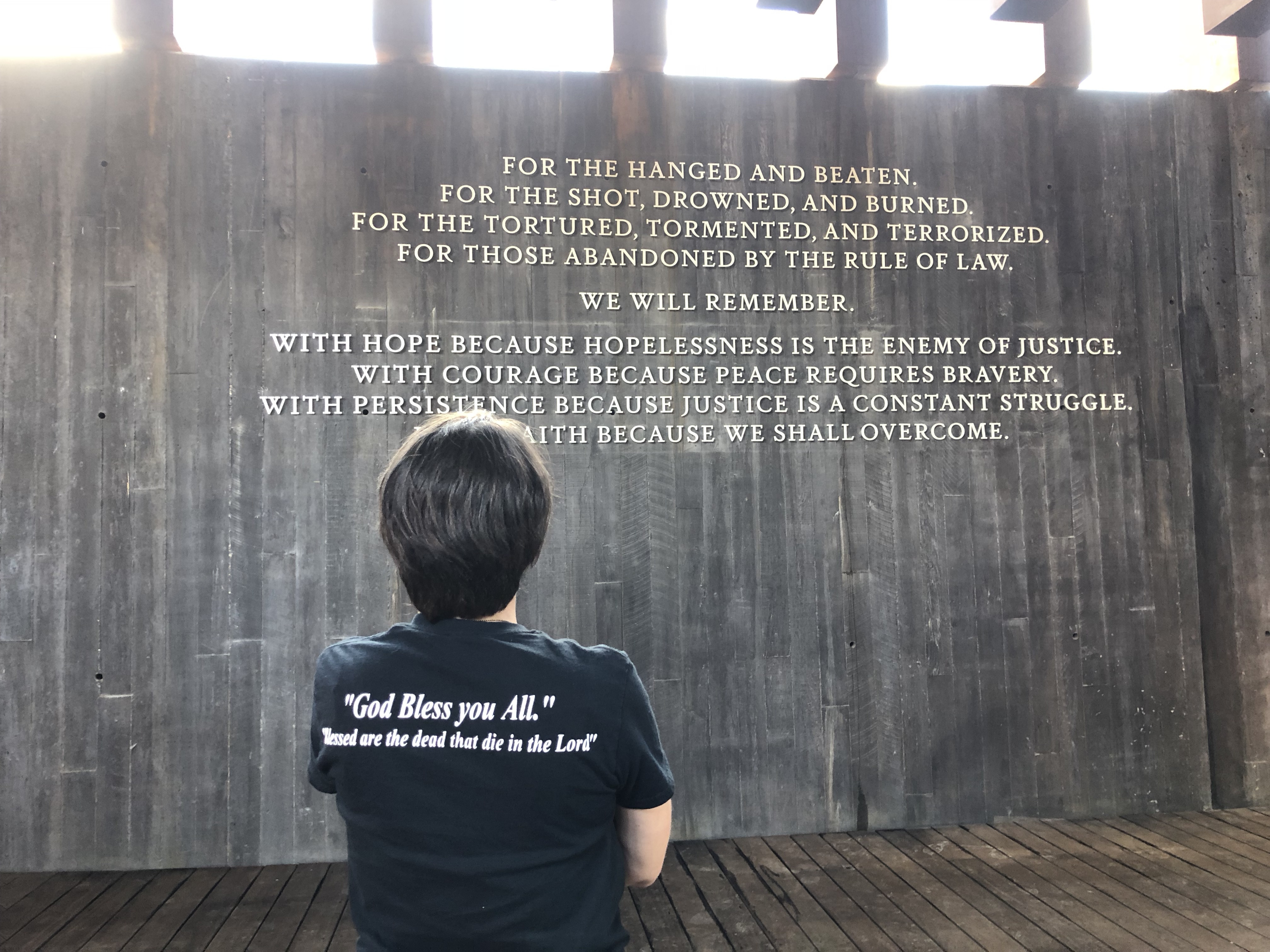
“It was more emotionally resonant than I thought it would be,” says the Chattanooga resident. Brown is a writer, organizer and speaker, a man who makes his living with words, but he says the memorial left him mute.
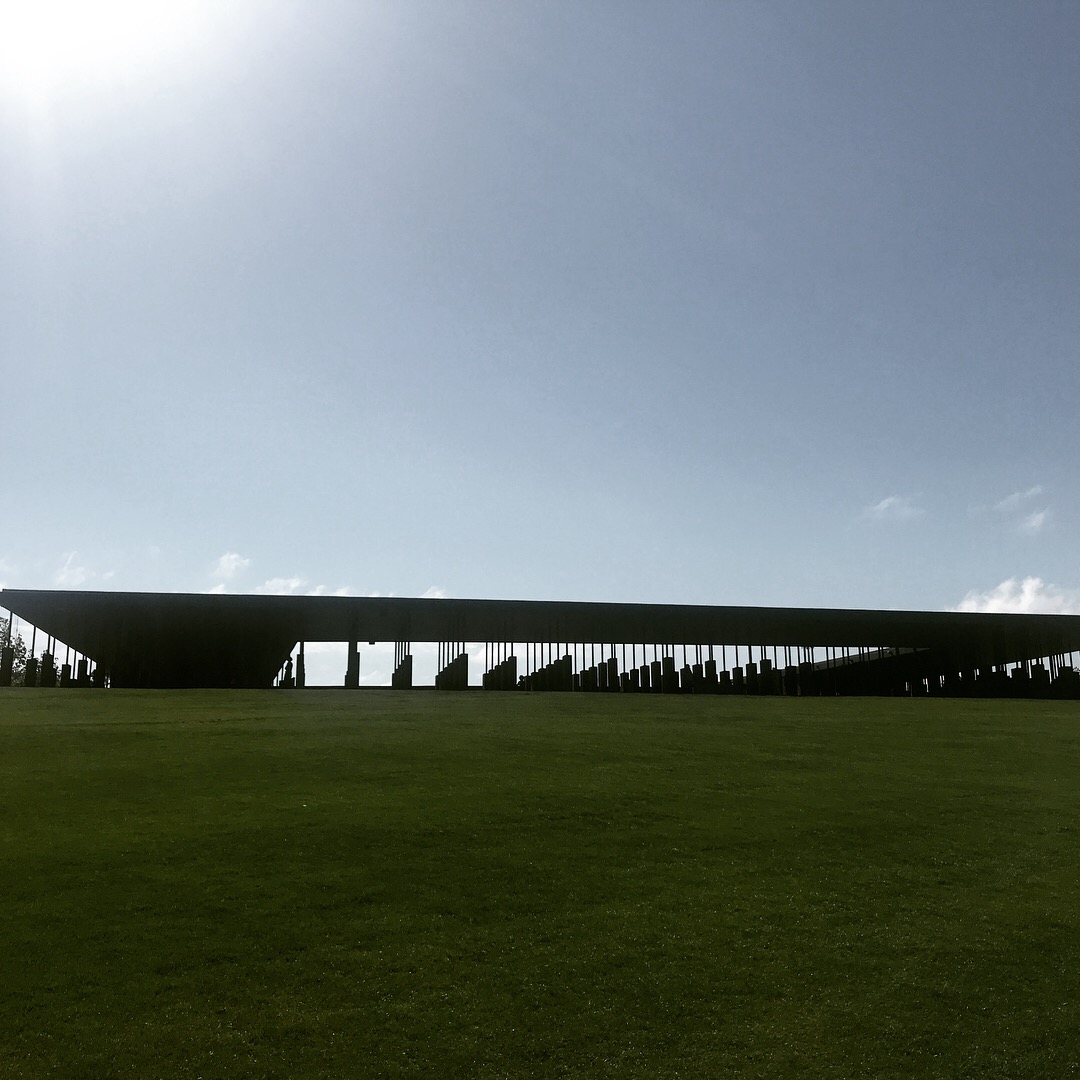
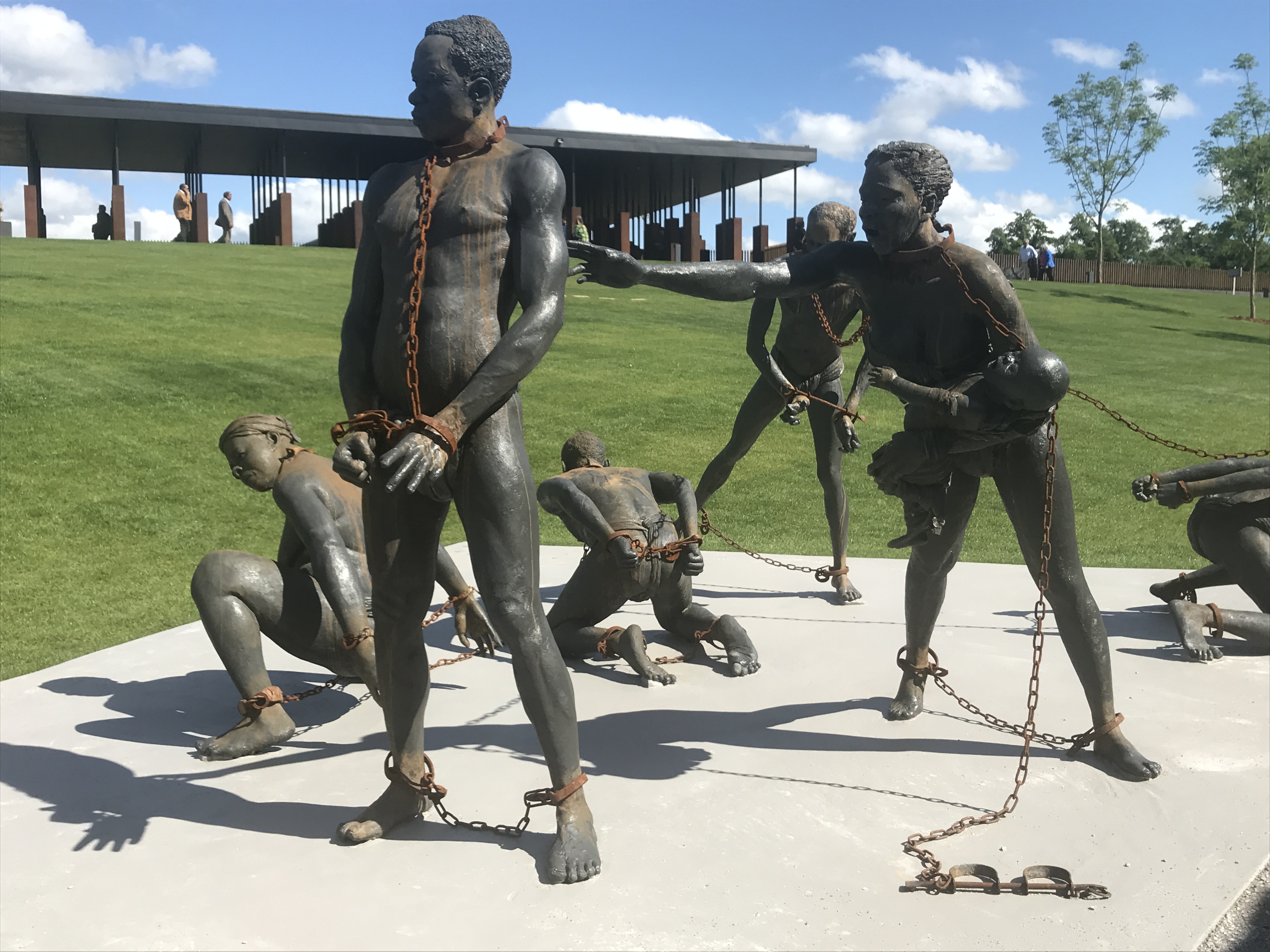
Such overwhelming emotion appears to be common for visitors to the memorial, which exposes a dark time in American history. It’s the country’s first museum dedicated to the legacy of enslaved black people, the more than 4,000 people terrorized by lynching, the African-Americans humiliated by racial segregation and Jim Crow, and the people of color burdened with contemporary presumptions of guilt and police violence, according to the web site eji.org.