
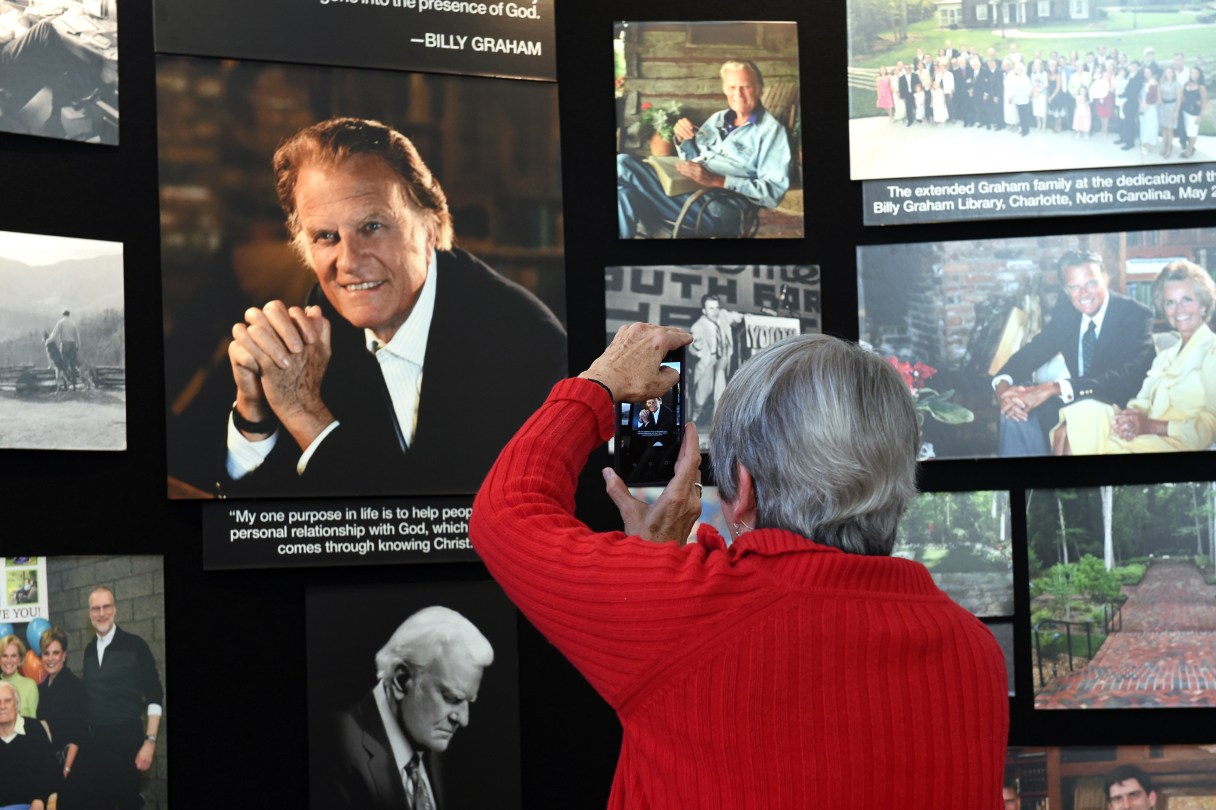
In light of the passing of one of the most significant Christians of our era, we asked leading Christians what they considered was a significant, yet perhaps underappreciated element of Billy Graham’s life, ministry and legacy. We were not looking for eulogies, biographical sketches or well-known details of his life. Rather, we hope to help articulate the Christian and cultural significance of Graham’s life and work. Evaluating a giant like Graham in so short a space as we have here allows only for the briefest comment, but we are overjoyed with the depth and breadth of what our wonderful contributors have provided.
We asked: “Please reflect on a specific (perhaps even overlooked) aspect of Billy Graham’s legacy, describing both its importance as well as its lasting influence on the church and society.”
-Chris Brooks, pastor, radio host, campus dean:
The spiritual legacy of Billy Graham is well known, but yet impossible to full capture in mere words. However, far less known is the social impact of the life and ministry of Dr. Graham. Today, I am grateful for his bold declaration, in 1953 at his Chattanooga Crusade, that he would no longer preach to segregated audiences. This announcement was not well received by many. There were donors who threatened to withdraw their support, but Billy Graham forged ahead in his conviction that racial injustice was an intolerable offense to the gospel.
Later, in 1957, Dr. Graham invited his friend Rev. Dr. Martin Luther King, Jr. to join him onstage in New York. Again, there was resistance by some, but the two men stood tall and bold for the gospel of Jesus Christ that night and beyond. Today, I celebrate the legacy of gospel-centered racial equality that Billy Graham preached and lived. It is an encouragement to my generation and a reminder that God is looking for tough-minded, tenderhearted men and women; those who can think critically and live compassionately. These are the type of people that God will use to change the world!