
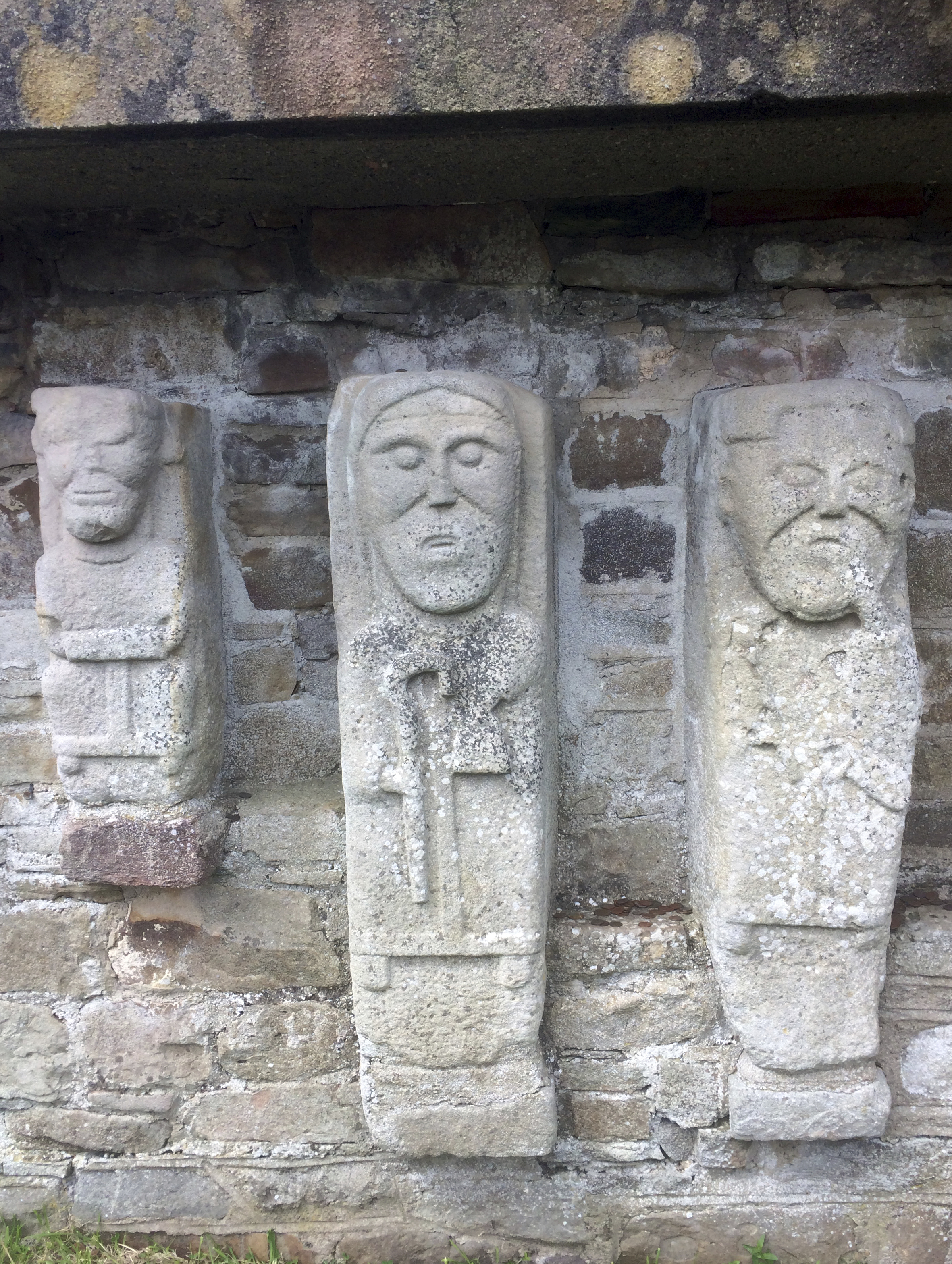
 This July 27, 2017 photo shows early Christian figures on White Island, Lough Erne in Northern Irelend. The island is the site of the ruins of an ancient church built around A.D. 1200. Six early Christian sculptures believed to depict Saint Patrick, Jesus and other holy figures are thought to date from the 9th to 11th century. (AP Photo/ Siobhan Starrs)
If you go
› Lough Erne Resort: lougherneresort.com/› Ulster American Folk Park: nmni.com/our-museums/ulster-american-folk-park/Home.aspx› White Island: megalithicireland.com/White%20Island%20Figures.htm
ENNISKILLEN, Northern Ireland – We stood at the bar of the grand Lough Erne Resort, looking out at the driving rain.
“You see that lake out there,” mused the barman wryly. “That was a field this morning.”
This was my first trip to Northern Ireland’s lake lands in the western region, two hours by car from Belfast and a slightly longer drive from Dublin. We had rented a two-bedroom static caravan – what Americans call a mobile home – on the shores of Lower Lough Erne last summer. It was just the right side of cozy for me and my partner, Matthew, and our 6-year-old daughter ,Kitty. Our verandah overlooked the larger of two interconnecting lakes that comprise Lough Erne. Speed boats and jet skis often zipped past.
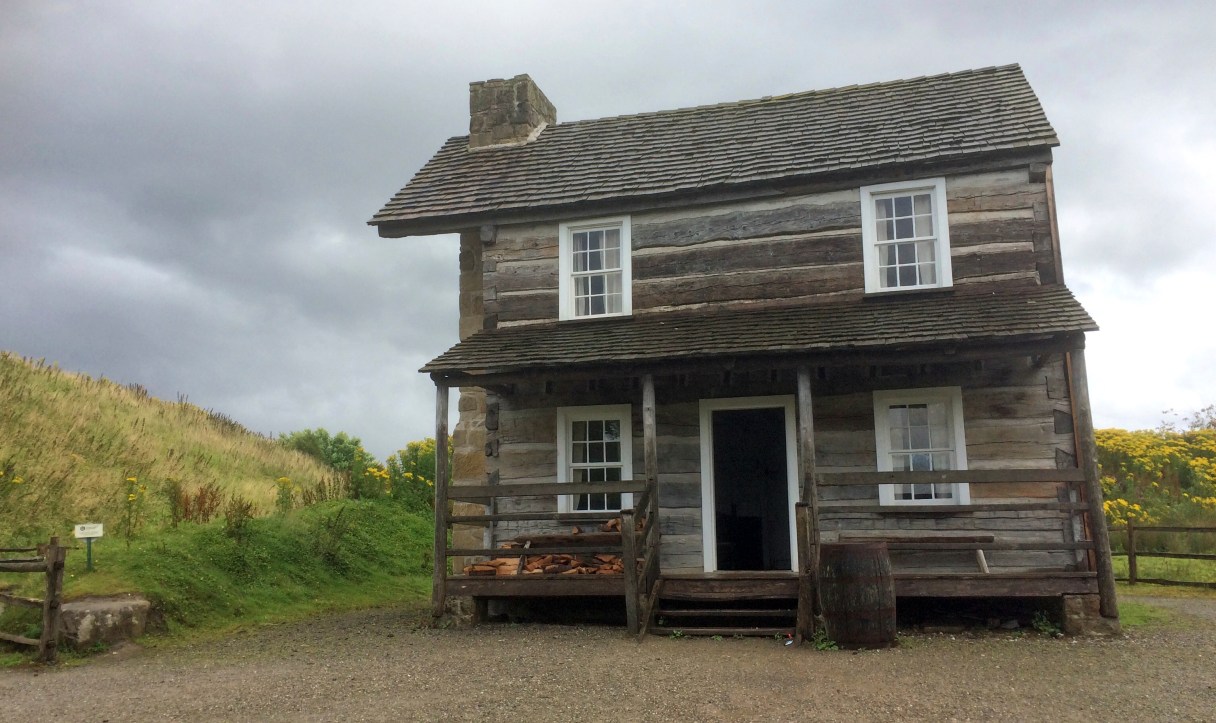
But the changeable weather meant we enjoyed a week of sunshine and showers, often at the same time. We also had an opportunity to sightsee and glimpse history, from centuries-old Christian ruins to a park that tells the story of the mass migration of the 18th and 19th centuries – including the roots of a famous and wealthy American family.