

Innovation or deceit? It depends on who’s behind it.
In 2012, in the glow of re-election victory, the Barack Obama campaign talked about its Facebook data mining as a “game-changer” and “the most groundbreaking piece of technology developed for the campaign.”
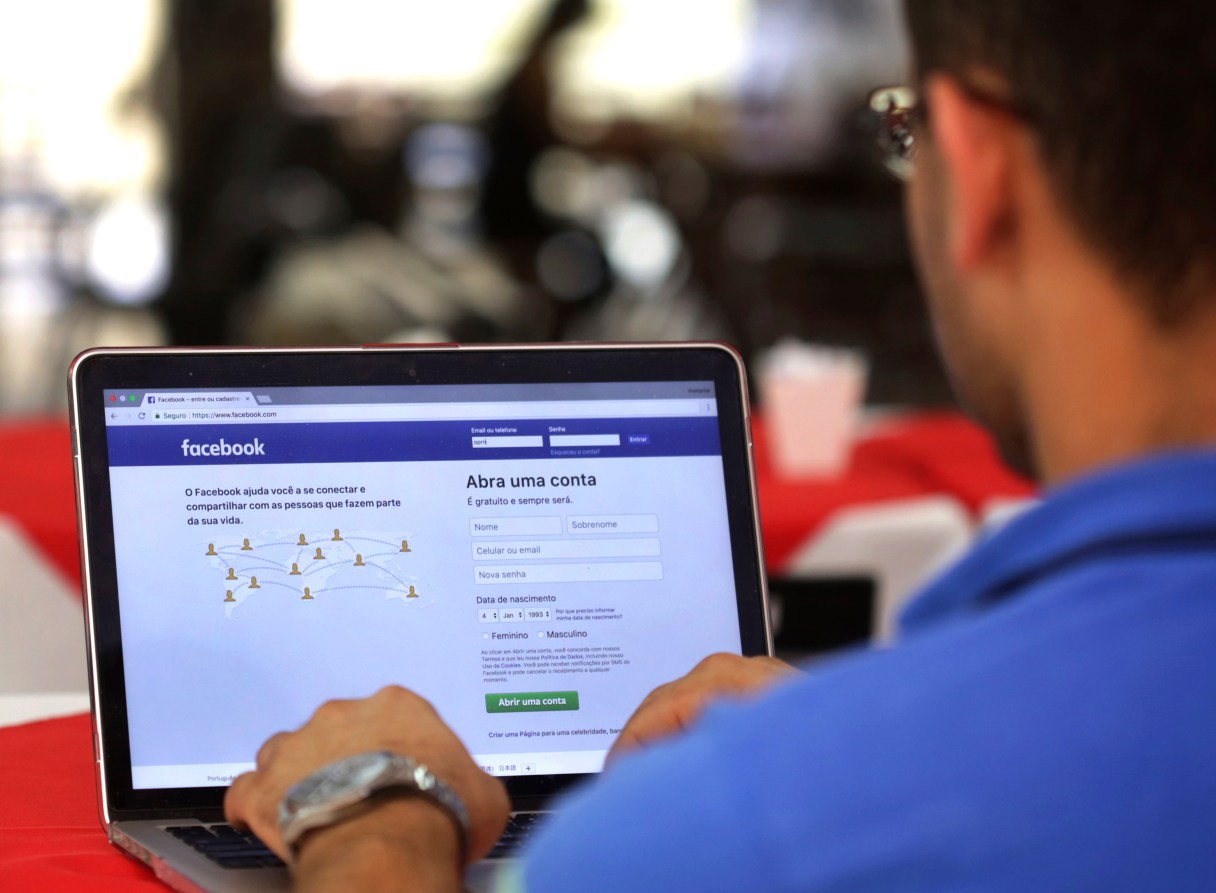
The campaign had encouraged backers of the president to download an Obama 2012 Facebook app that, when activated, would unleash information such as birthdates, locations and “likes” about the user and the user’s friends.
The president’s organization said more than 1 million people downloaded the app that – multiplied by the average 190-person friend list – meant that they had information on 190 million people. Such information is used by candidates to determine, for example, where campaign money ought to be spent and who exactly is supportive of the campaign. While the app users may have been clear that their information would be used, their friends didn’t know anything about it.
In recent days, a “whistle-blower” revealed that a consulting firm, Cambridge Analytica, that later worked with the Trump campaign had paid for similar information mined from a Facebook app that involved a personality quiz, “thisisyourdigitallife.” The approximately 270,000 quiz takers knew their information and that of their friends would be accessed for what was said to be academic purposes, but the friends didn’t know it. And none of them knew the information might later be used by the Trump campaign.