
Monday, November 16, 2026Nov 16

States: Federal money for opioid crisis a small step forward

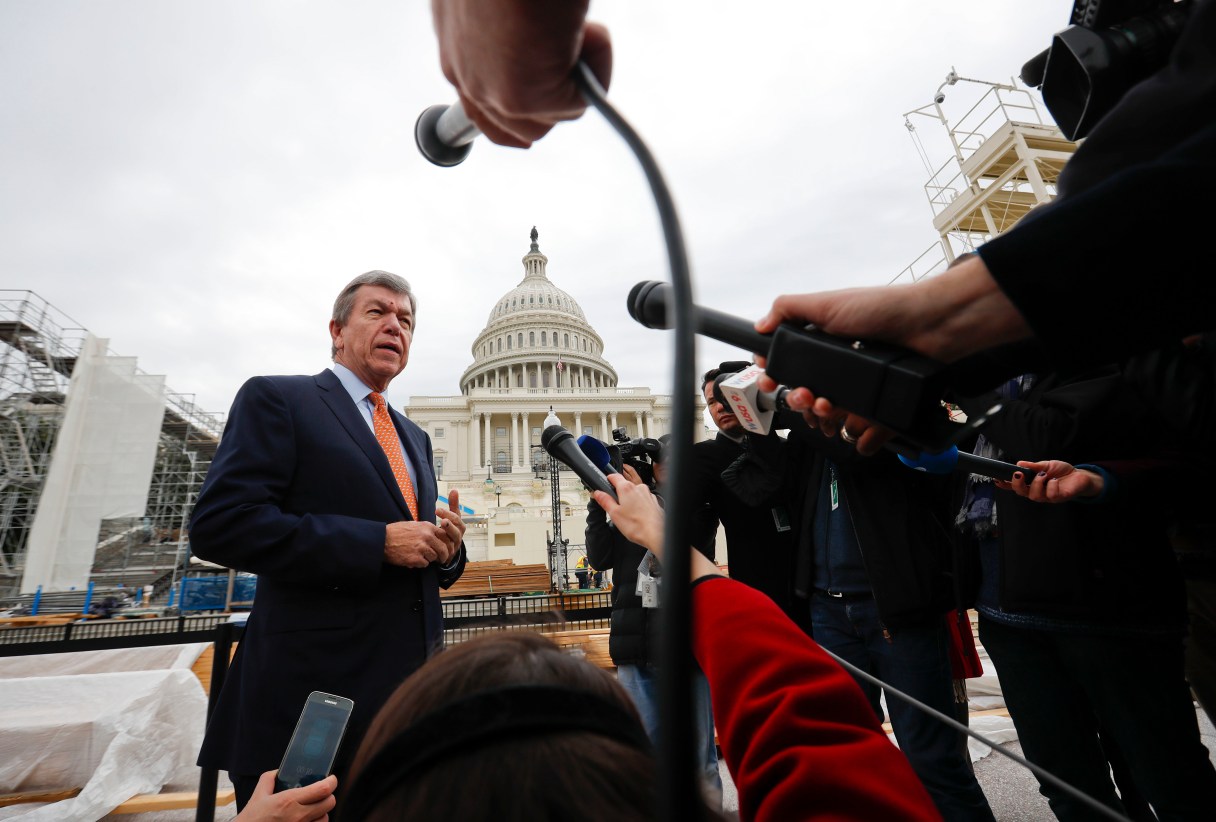
FILE - In this Thursday, Dec. 8, 2016 file photo, Sen. Roy Blunt, R-Mo., head of the Joint Congressional Committee on Inaugural Activities (JCCIC) speaks to reporters on Capitol Hill in Washington, as preparations continue for the inauguration and swearing-in ceremonies for President-elect Donald Trump. A $4.6 billion federal spending plan signed Friday, March 23, 2018, by Trump to fight the nation’s deepening opioid crisis “provides the funding necessary to tackle this crisis from every angle,” said the Missouri Republican who is chairman of a subcommittee overseeing much of the funding. “It’s another major step in our effort to get this epidemic under control and save lives.” (AP Photo/Pablo Martinez Monsivais)

CHERRY HILL, N.J. – The federal government will spend a record $4.6 billion this year to fight the nation’s deepening opioid crisis, which killed 42,000 Americans in 2016.

But some advocates say the funding included in the spending plan the president signed Friday is not nearly enough to establish the kind of treatment system needed to reverse the crisis. A White House report last fall put the cost to the country of the overdose epidemic at more than $500 billion a year.
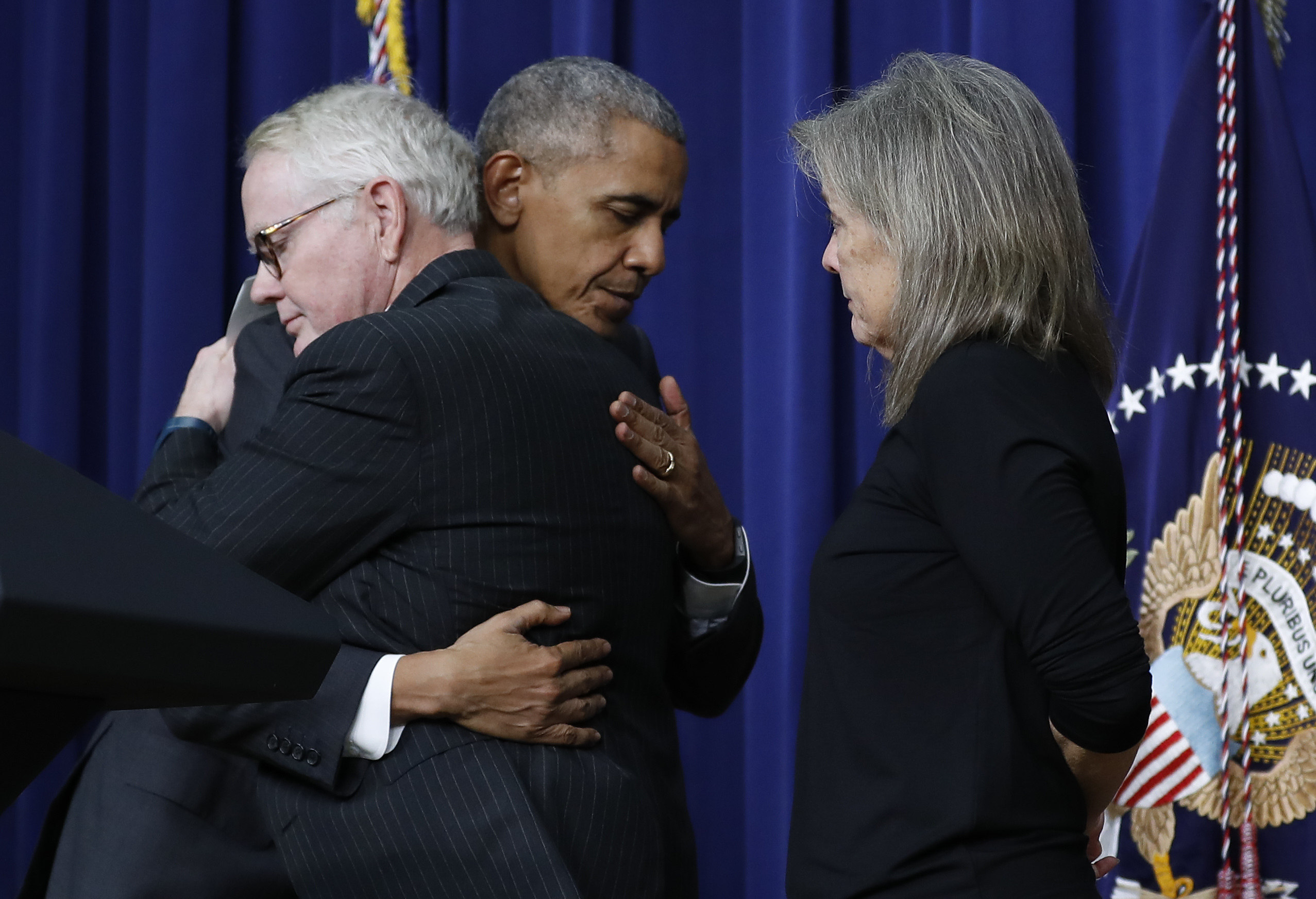
photo FILE – In this Tuesday, Dec. 13, 2016 file photo, President Barack Obama hugs David Grubb, as his wife Kate, watches at right, before signing the 21st Century Cures Act in the South Court Auditorium in the Eisenhower Executive Office Building on the White House complex in Washington. The Grubb family, from Charleston W.Va., lost their daughter, Jessie, in the spring of 2016 after a long battle with substance abuse. (AP Photo/Carolyn Kaster)

Former U.S. Rep. Patrick Kennedy, a Democrat who served on President Donald Trump’s opioid commission last year, said that there are clear solutions but that Congress needs to devote more money to them.

“We still have lacked the insight that this is a crisis, a cataclysmic crisis,” he said.

By comparison, the Kaiser Family Foundation found the U.S. is spending more than $7 billion annually on discretionary domestic funding on AIDS, an epidemic with a death toll that peaked in 1995 at 43,000.