
Big banks are getting a big reprieve from a post-crisis rule aimed at curbing risky behavior on Wall Street.
Federal bank regulators on Wednesday unveiled a sweeping plan to soften the Volcker Rule, opening the door for banks to resume some trading activities restricted as part of the 2010 Dodd-Frank law. The changes would give the largest banks significant freedom to engage in more complicated – and possibly riskier – activities by allowing Wall Street firms to determine which trading they view as permissible under the rule.
The Volcker Rule was put in place to prevent banks from making risky bets with depositors’ money. It took five agencies three years to write it and has been criticized by Wall Street as too onerous and harmful to the proper functioning of financial markets. On Wednesday, the Federal Reserve proposed easing several parts of the rule and four other regulators are expected to soon follow suit, kicking off a public comment period that is expected to last 60 days.
Regulators said Wednesday that the primary intent of the Volcker Rule will remain intact and that banks will not be allowed to return to the wild days of proprietary trading, when traders made big bets with the bank’s money and sometimes lost huge sums. But they said the rule needed to be simplified so that banks could more easily comply with it and Washington could adequately enforce it.
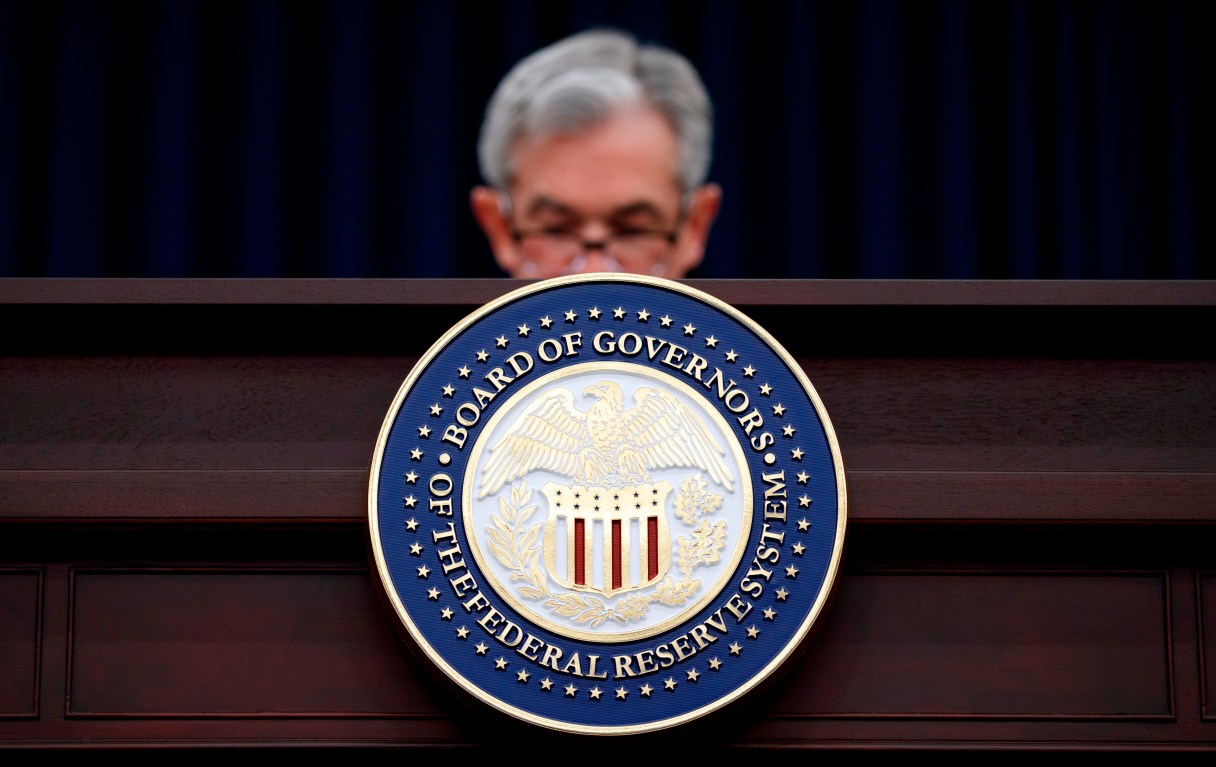
“The proposal will address some of the uncertainty and complexity that now make it difficult for firms to know how best to comply, and for supervisors to know that they are in compliance,” Fed Chairman Jerome Powell said at a Board of Governors meeting. “Our goal is to replace overly complex and inefficient requirements with a more streamlined set of requirements.”