
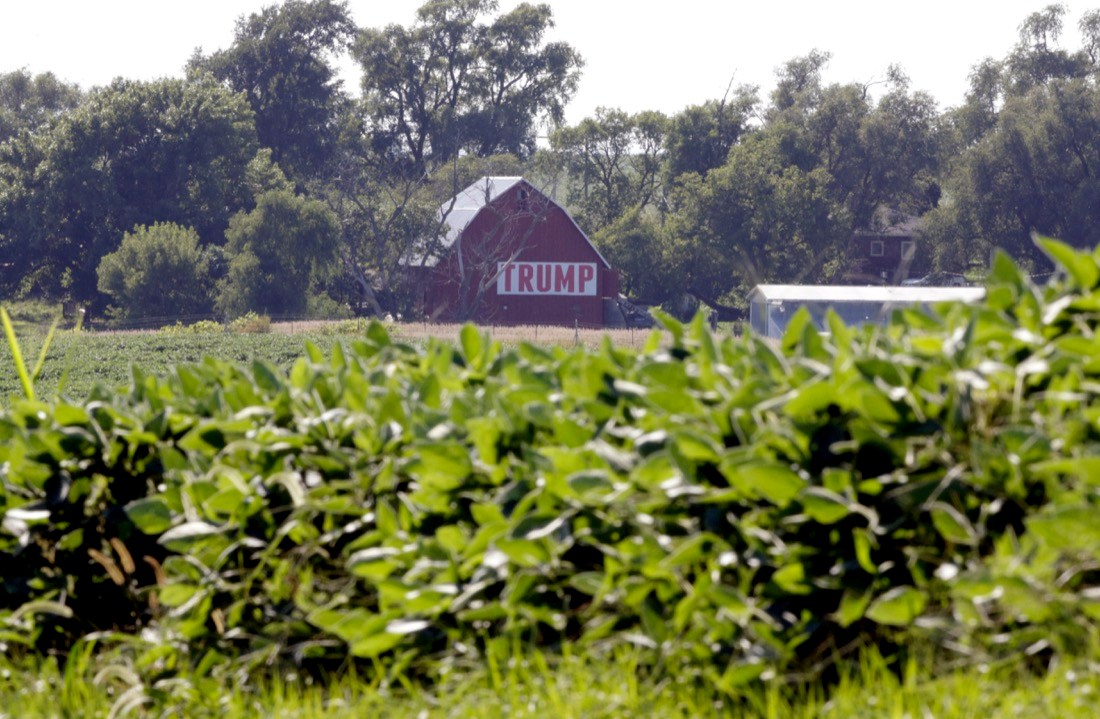
Farmers worry about falling crop prices and lost sales overseas. Manufacturers fear rising costs and new foreign taxes on their exports. American allies overseas are furious.
By any conventional gauge, President Donald Trump’s uncompromising stance toward tariffs and the pain they’ve begun to cause U.S. individuals and companies so close to midterm elections would seem politically reckless. Yet Trump appears to be betting that his combative actions will soon benefit the country and prove a political winner.
Ditching decades of U.S. trade policy that he says swindled America and robbed its workers, Trump insists he can save U.S. jobs and factories by abandoning or rewriting trade deals, slapping taxes on imports and waging a brutal tariff war with China, America’s biggest trading partner.
“Prior presidents in both political parties have never really moved to try to help and protect the American economy and its workforce, its farmers, its manufacturing workers, in a way of creating a level playing field,” Larry Kudlow, the top White House economic adviser, told reporters last week. “They give it lip service, and then they back off. This president has no intention of backing off. None. Zero.”
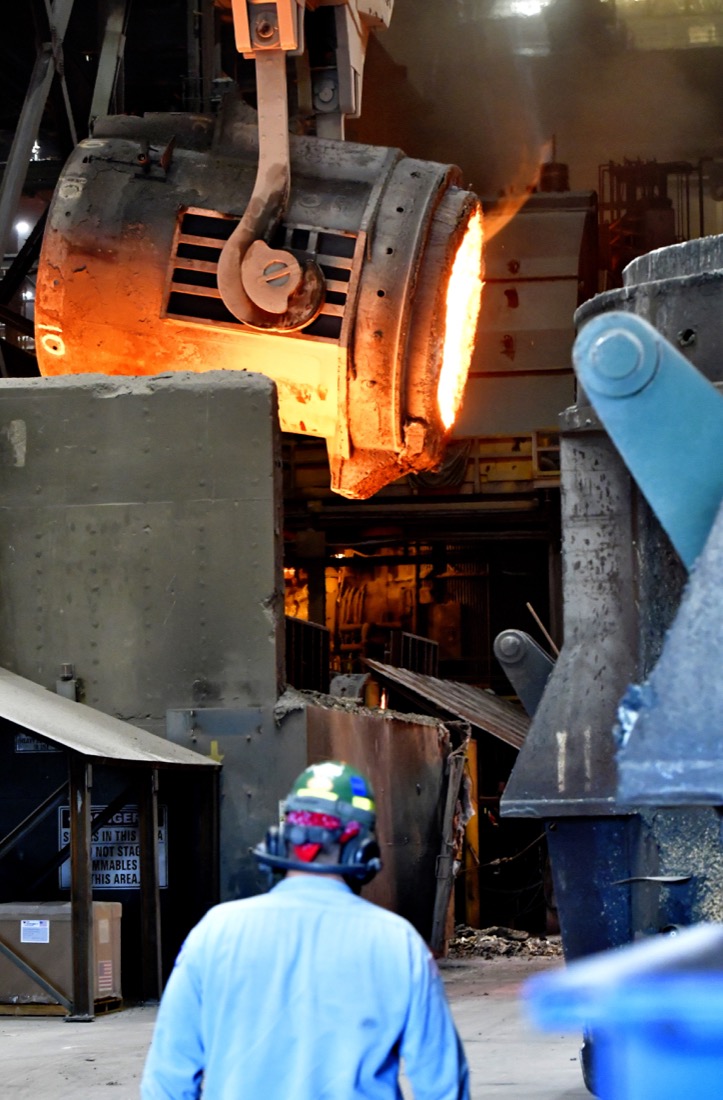 In this July 25, 2018, photo a worker watches as a cauldron of melted recycled steel finishes it’s pour, at the NUCOR Steel Gallatin plant in Ghent, Ky. Ditching decades of U.S. trade policy that he says swindled America and robbed its workers, President Donald Trump insists he can save U.S. jobs and factories by abandoning or rewriting trade deals, slapping taxes on imports and waging a brutal tariff war with China, America’s biggest trading partner. Separately Trump has enraged U.S. allies like Canada and the European Union by declaring their steel and aluminum a threat to America’s national security as justification for slapping taxes on them. (AP Photo/Timothy D. Easley)
Trump’s apparent belief is that he and congressional Republicans can rely on the unswerving support of core GOP voters – even in rural areas that have been economically hurt by his trade disputes – and maybe succeed in delivering better trade deals before Election Day. Still, as an insurance policy against failure, the administration is providing $12 billion in farm aid to soothe trade-war wounds in rural America.