
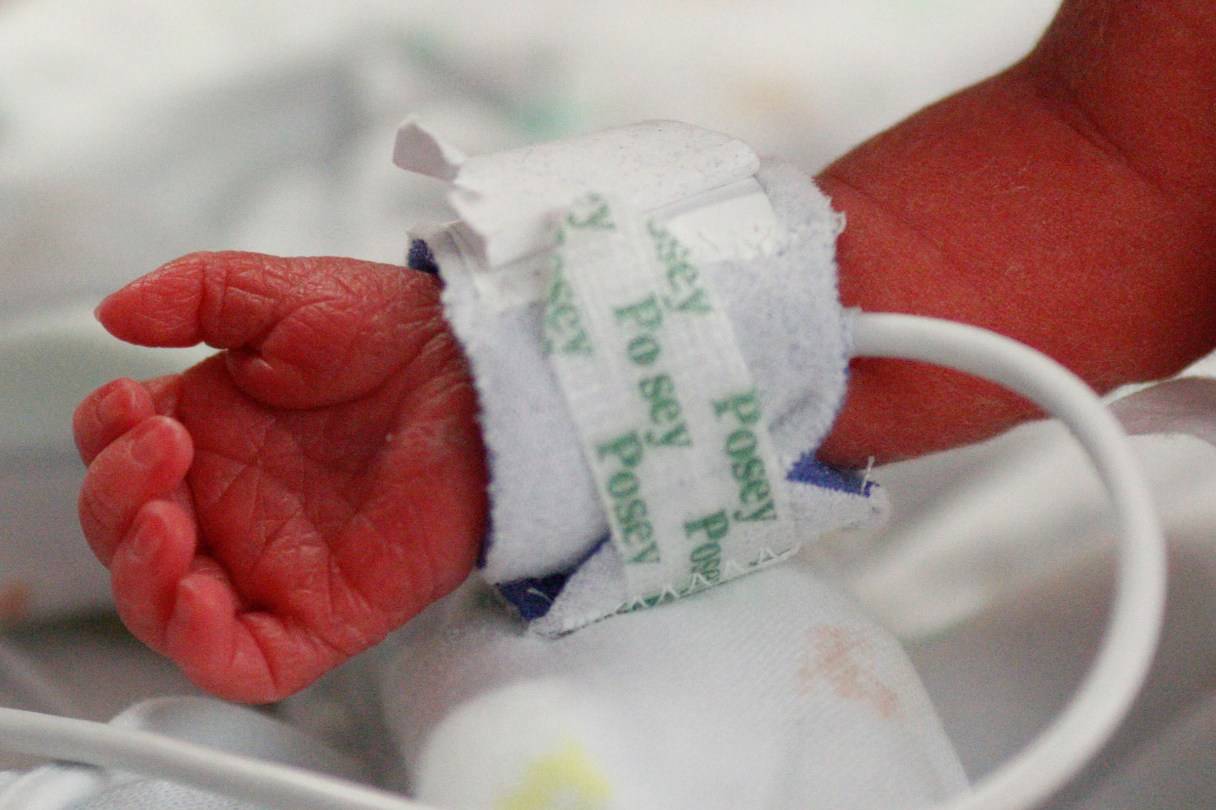
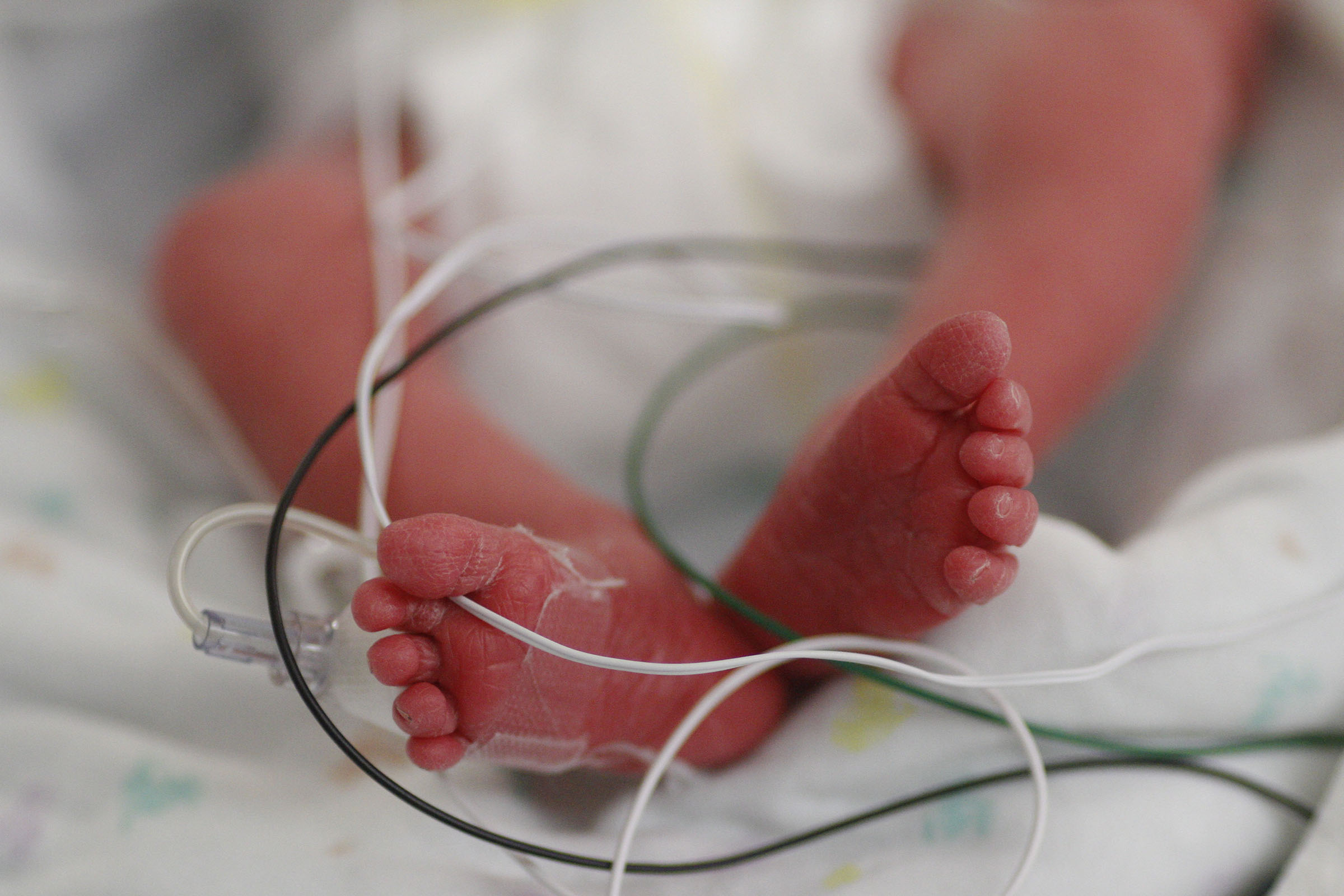


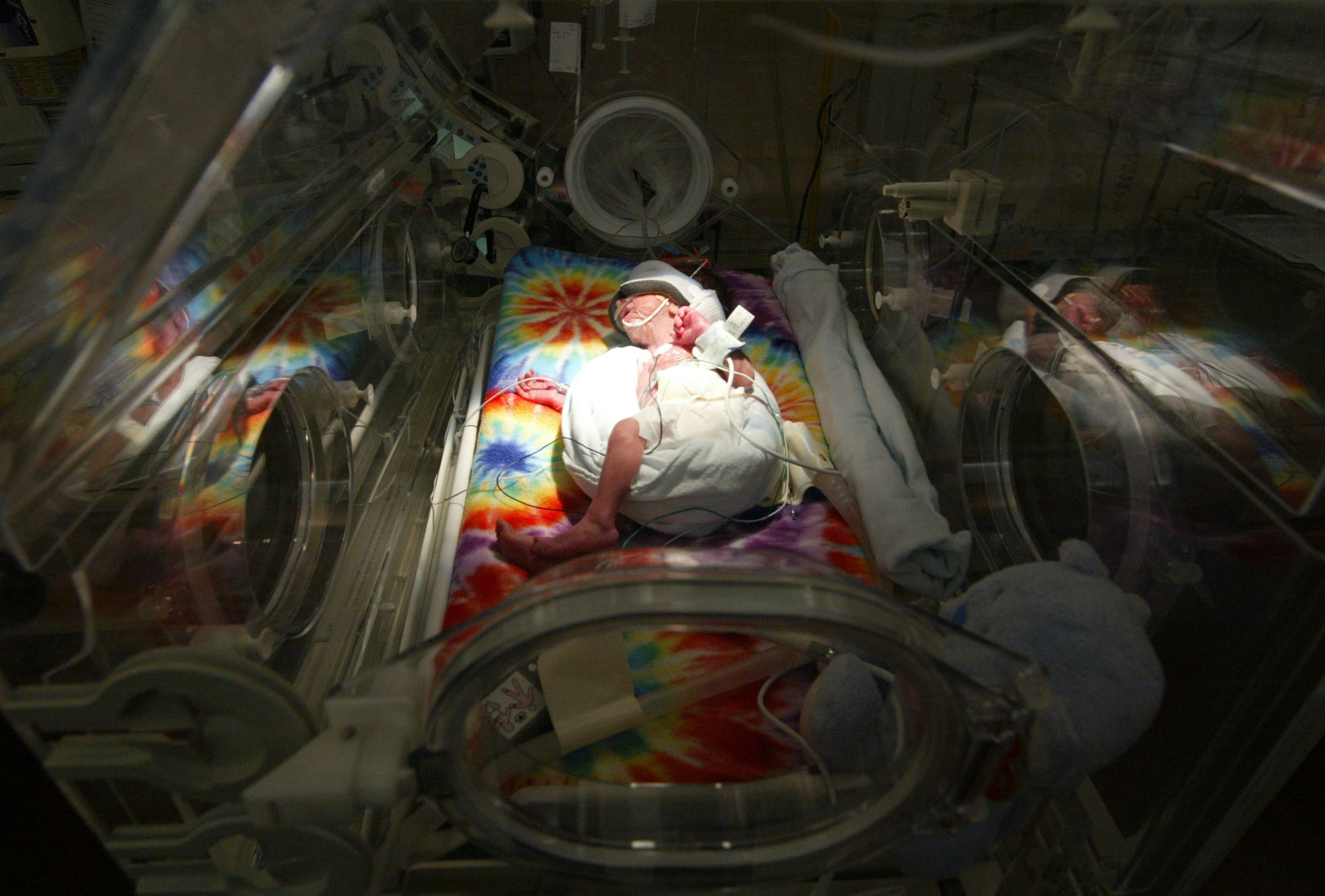
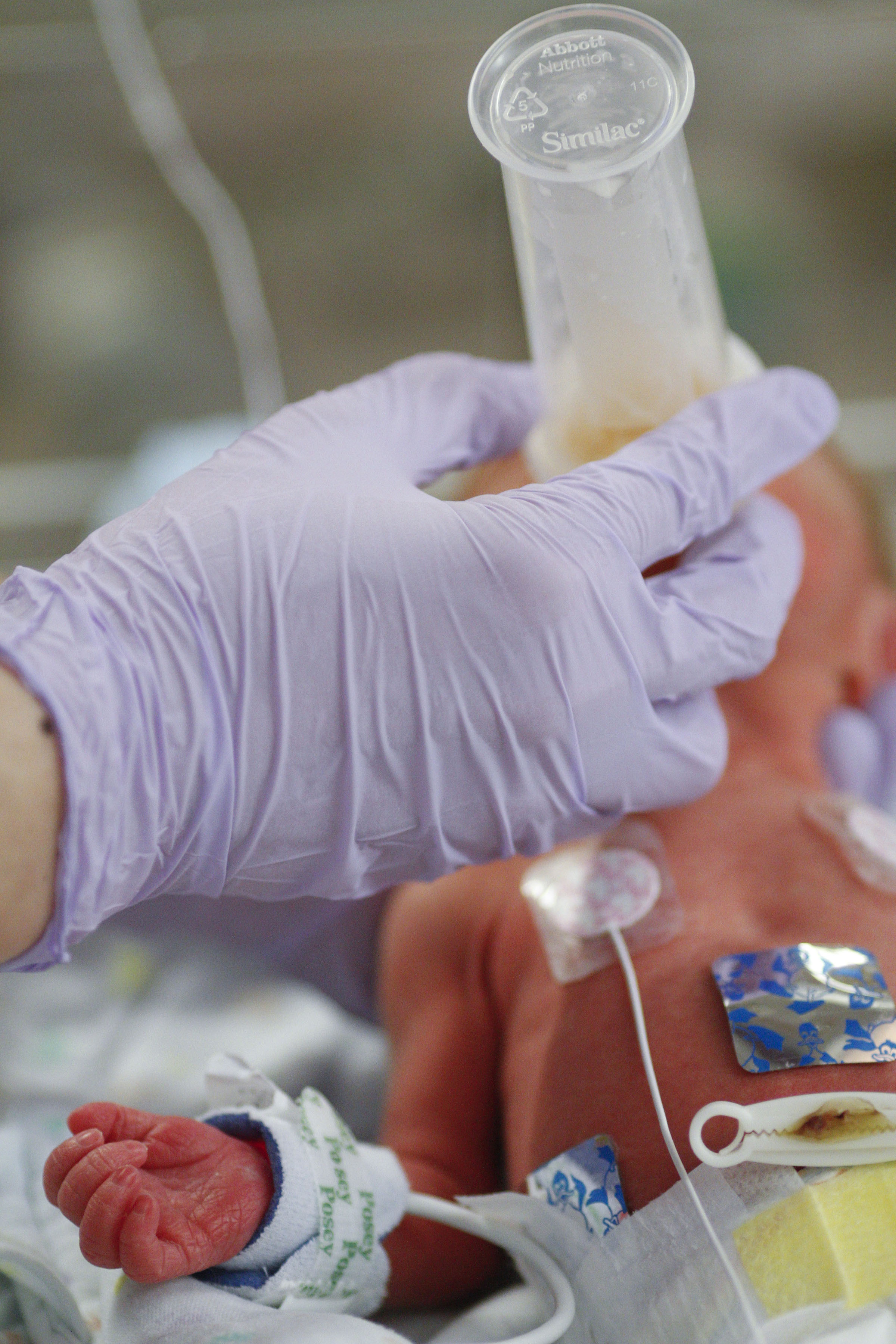

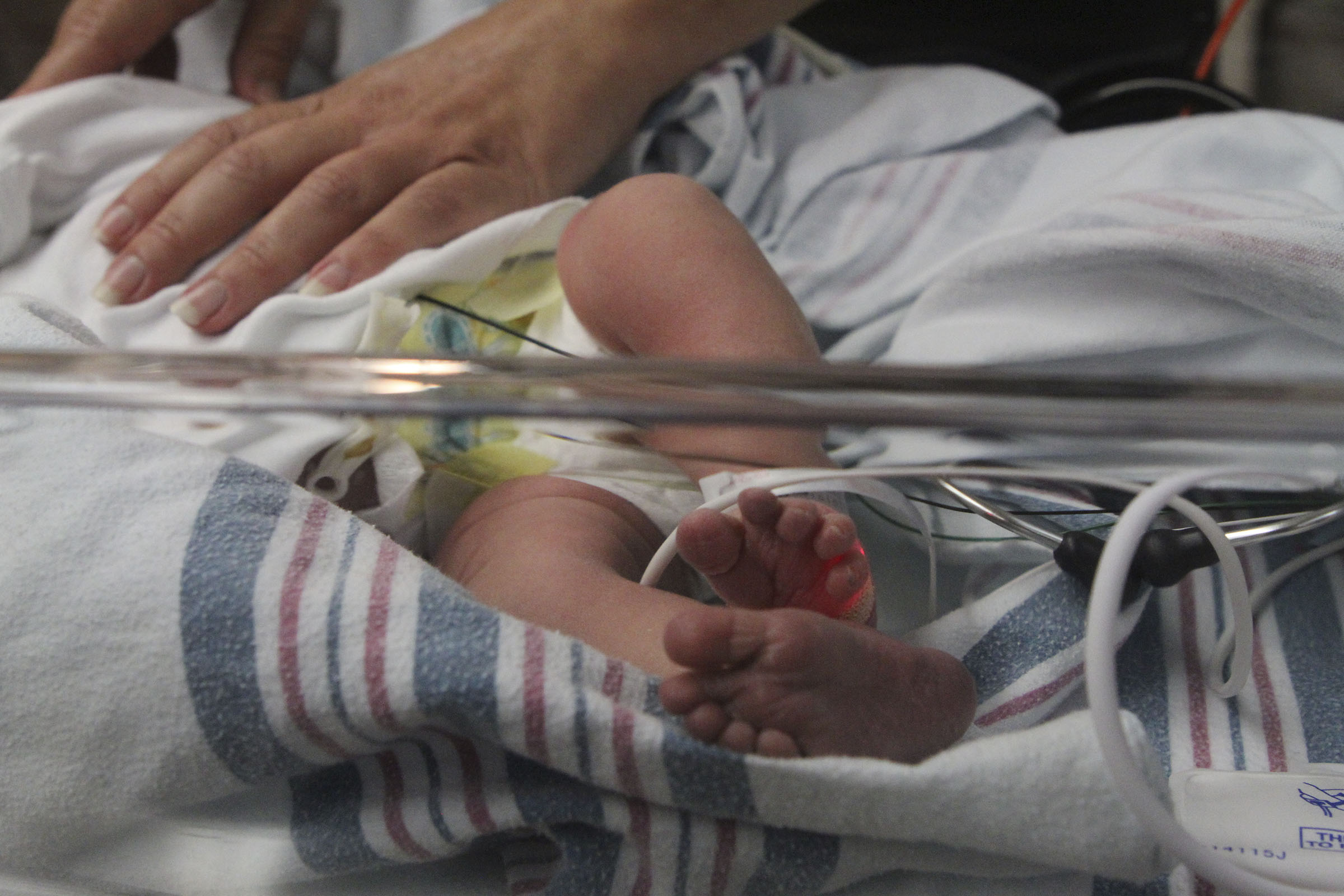
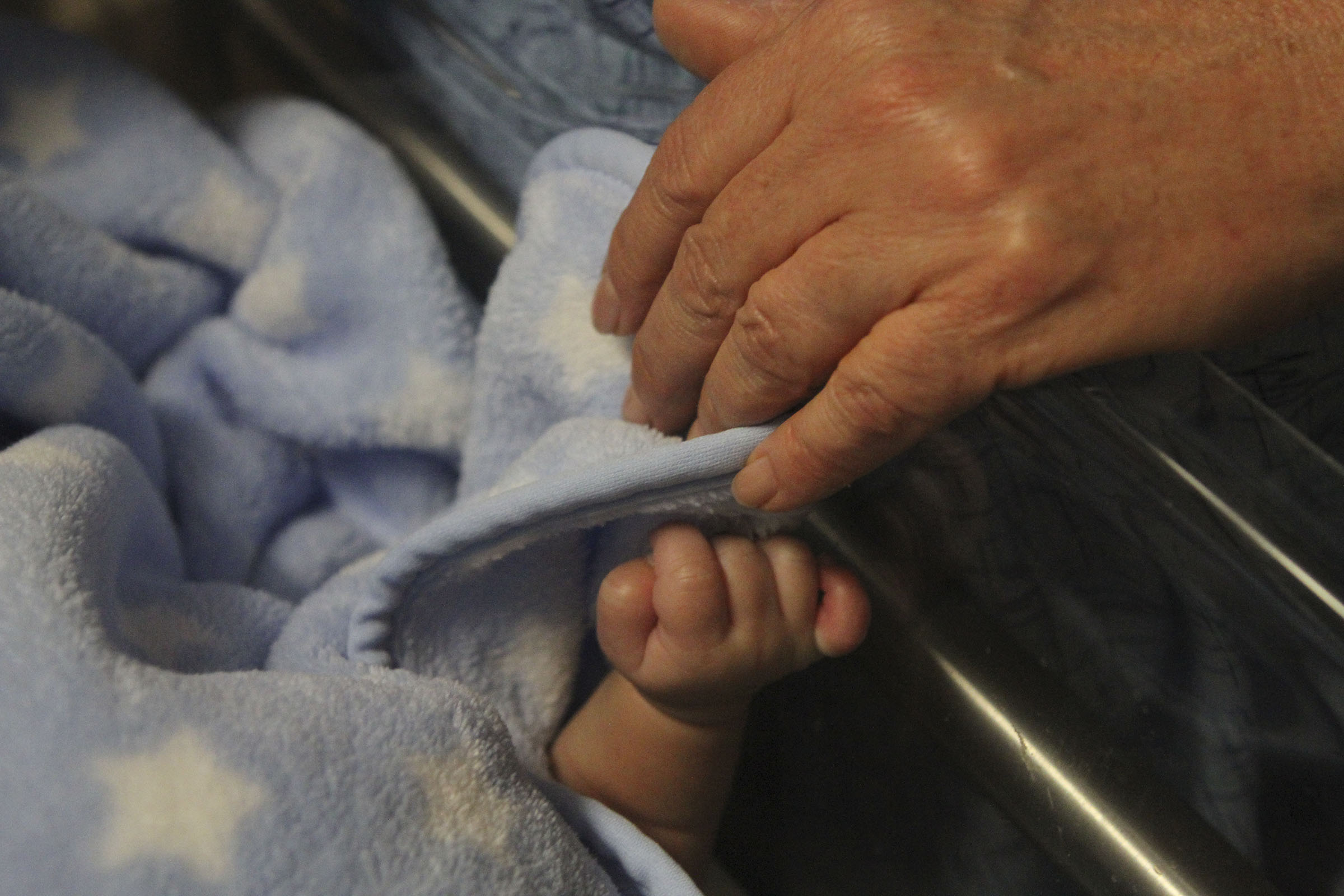
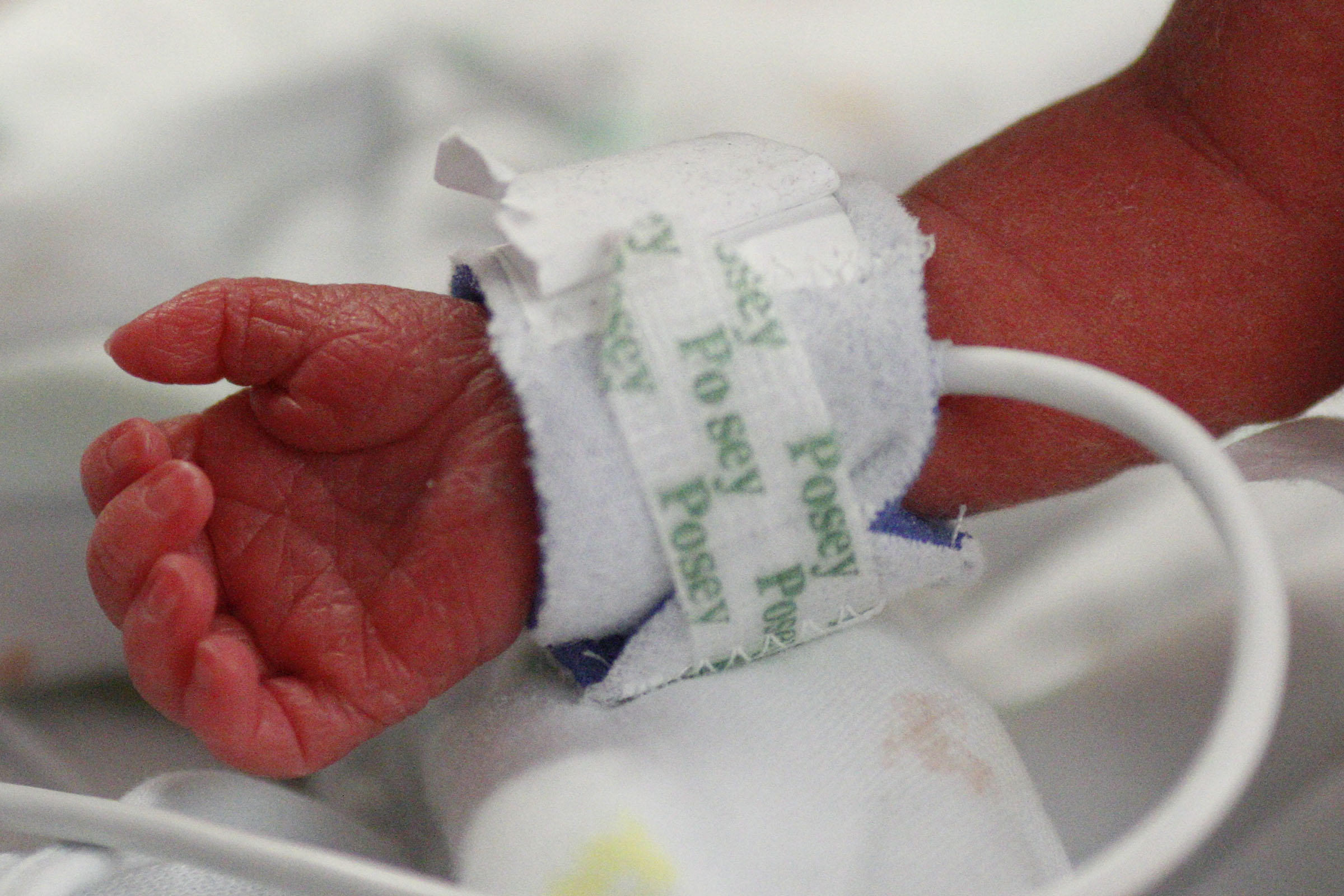
A new study by a Nashville-based advocacy group says Tennessee mothers and babies are dying for lack of health care and urges state lawmakers to expand the state’s Medicaid program to put more money into maternal and infant care.
The Tennessee Justice Center study released this week says Tennessee “is among the worst-performing states for high rates of infant and maternal deaths, and poor health care access is likely to blame.”
Pregnant women in the state have higher rates of smoking, obesity and diabetes, the study says, and rates for babies born with opioid addiction are eight times the national average in some East Tennessee counties.
Kinika Young, director of of children’s health for the nonprofit that advocates for needy families, said the study expands on a recent national report on infant mortality.
“We looked at infant mortality rates, saw how horribly Tennessee was doing, and thought to highlight causes and initiatives that are underway to try to reduce those rates,” Young said. “We’re hoping to educate people and highlight some solutions.”
Medicaid expansion is a key issue in state political campaigns from governor on down, but it’s not clear that state lawmakers have softened opposition to an idea they’ve consistently rejected for half a decade.
In the governor’s race, Democrat Karl Dean and Republican Bill Lee take opposing stances.
Dean, the former Nashville mayor, is campaigning hard in favor of expansion, hitting rural areas in West Tennessee where at least 11 hospitals have closed in recent years. He blames state lawmakers’ refusal to expand Medicaid to an estimated 280,000 adult working people as a major cause.
“I think most Tennesseans over the past couple of years in particular have discovered we are losing billions of dollars and that we are seeing hospitals close and that we have been really hurt by that partisan decision not to do Medicaid expansion,” Dean told the Times Free Press.
“They know that money is going to other states and they know that our people here in Tennessee are hurting, and they want a sensible solution, which I think I’m proposing.”
Lee, speaking this month about the closure of McKenzie Regional Hospital in Carroll County, called the health care system “fundamentally flawed.”
“Rural hospitals are closing because our model is not working. Expanding Medicaid under Obamacare is expanding a flawed system that will ultimately be unsustainable for the state,” Lee said. “So we look at health outcomes to lower costs. Eighty percent of the cost of health care is associated with primarily chronic, preventable disease. So when we look at health and address health, then we begin to lower the cost of health and that allows more people to have access to it.”
At-risk pregnancies
The study said Tennessee ranked 33rd-worst in the U.S. for maternal mortality and 38th in infant mortality. And that’s in a nation that has about a third more infant deaths than comparable developed countries such as Japan, the United Kingdom and Australia, the study says.
The study, assembled from sources such as KidsCount, the Centers for Disease Control and Prevention, state government and media reports, says Tennessee babies are more likely to be born premature, underweight or with congenital defects. Those afflictions are associated with maternal smoking, obesity, poor diet, high blood pressure and diabetes, the study says, all conditions affecting Tennessee moms at higher rates than the national average.
Those moms may also have less access to health care in general and obstetrical care in particular, the study says, noting that 47 of Tennessee’s 95 counties don’t have an ob-gyn.
“To combat those issues, it’s important for pregnant women and women who plan on becoming pregnant to have regular access to the health care they need for their sake and their children’s,” the study says.
And though the share of uninsured children has shrunk under TennCare and the Children’s Health Insurance Program, around 53,000 children, or 4 percent, of Tennessee children were uninsured as of 2016, the report adds.
The state’s opioid crisis also plays a role. Babies born to addicted moms may be premature, underweight and have a variety of health problems. Treating neonatal abstinence syndrome – sudden withdrawal after birth – requires a hospital stay averaging 17 days and costs more than $60,000, the study says.
And while the national rate of neonatal abstinence syndrome is 6 cases per 1,000 live births, some East Tennessee counties have seen more than 50 per 1,000 births, according to the study.
What’s being done?
Tennessee has a number of programs aimed at improving health and outcomes for moms and babies, from tobacco cessation to counseling, abuse prevention, access to care and others.
Some of those program have come out of the Fetal and Infant Mortality Review [FIMR], which interviews mothers whose babies died and tries to use their experiences to help others.
Lisa Vincent is FIMR program manager in the Hamilton County Health Department. Her office has done maternal research to establish the main causes of infant deaths here as sleep-related, genetic defects and premature delivery or its complications. She said the office responded in several ways: creating a healthy baby resource guide, empowering moms by giving them medical records, promoting hormone treatment for women at risk for preterm births and other initiatives.
“Many factors affect infant mortality rates in community,” Vincent said. “That’s why it’s looked at as an overall indicator of the health of the community: Healthy families and healthy moms have healthy babies for the most part.
“Our greatest success has been in creating greater awareness of infant mortality among the general population and stakeholder agencies that work with families, infants and children, and bringing many of those agencies together to focus on reducing infant mortality and creating healthy babies.”
Young, with the Tennessee Justice Center, said expanding Medicaid would allow more focus on programs and increased access to health care for moms and babies.
Will it happen?
Though state lawmakers twice killed Republican Gov. Bill Haslam’s attempt at Medicaid expansion, Insure Tennessee, and have prevented its resurrection, Young has hope.
President Barack Obama’s Affordable Care Act has survived congressional attempts to kill it, and lawmakers now have several years of data to compare among states that did or did not expand their Medicaid programs.
Young said expansion states have better health and financial outcomes and have seen fewer hospital closures.
“There may be an opportunity to change some people’s minds and to realize that Medicaid expansion may be a viable option,” she said.
State Sen. Todd Gardenhire, a Chattanooga Republican whom Haslam put on a Senate health committee considering his Insure Tennessee plan, disagrees with Young’s view of Obamacare as a success.
“I don’t think you can say Obamacare is working while you have such a huge increase in premiums people have to pay,” Gardenhire said. “A lot of it hasn’t worked, period, and there’s still the question of whether it’s constitutional.”
New data shows, however, that premiums are leveling off and new insurers are coming into the federal marketplace for the coming year
And even if lawmakers have a change of heart, Gardenhire said, an expansion is highly unlikely in 2019.
He said Haslam’s goal was a Medicaid block grant funding a Tennessee-designed program, one that capped enrollment for people earning up to 138 percent of the federal poverty level and allowed the state to cancel the expansion if it proved too expensive.
The Obama administration refused to go along, he said.
Now, even if a friendlier Republican administration in Washington gave the go-ahead, there’s going to be too much upheaval in Nashville in the coming session, Gardenhire said.
Around a quarter of the 99 House seats and five of the 33 Senate seats will have new occupants, he said, along with a new governor who’ll be busy assembling a new administration.
“Next year, in my opinion, there will be no major legislation coming,” he said.
Staff writer Andy Sher contributed to this report.
Contact staff writer Judy Walton at jwalton@timesfreepress.com or 423-757-6416.