
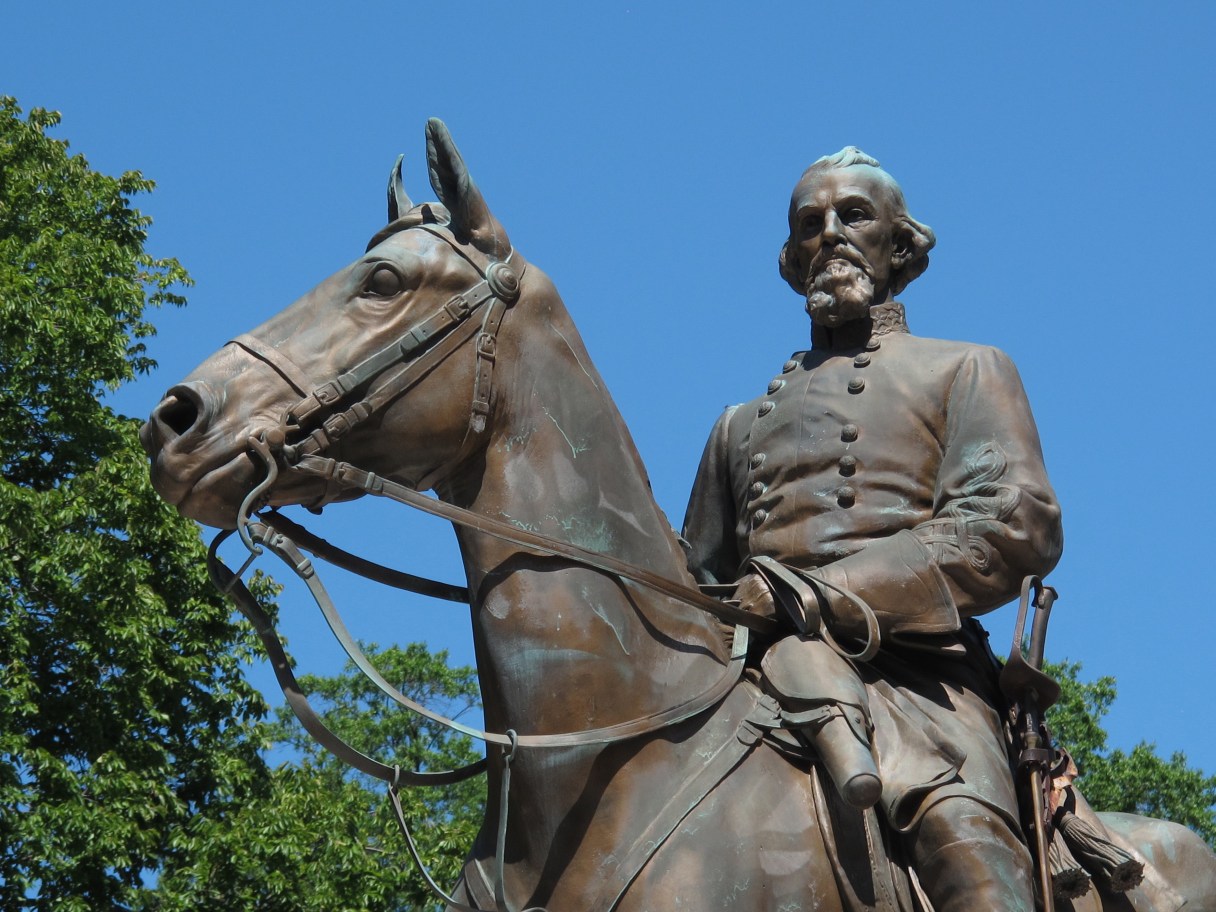
The worst atrocity of a single day during our Civil War occurred on April 12, 1864, at Fort Pillow, Tennessee. The date marked the third anniversary of the outbreak of the war with the shelling of Fort Sumter in South Carolina. This may have contributed to the ferocity of the Confederate attack.
Constructed in 1861 by the Confederate Army on a bluff overlooking the Mississippi River, 49 miles north of Memphis, the fort safeguarded a vital route for supplies. As Union forces gained control of West Tennessee and most of the bordering river in 1862, Confederates abandoned the fort, which became a supply and recruitment center for the Union Army. Because of the fort’s isolation, senior commanders ordered its closure in early 1864, but the orders were soon canceled.
 Clif Cleaveland
In the early months of 1864, Confederate Gen. Nathan Bedford Forrest had created havoc in western Tennessee and Kentucky with lightning cavalry raids against supply Union depots, fortifications and rail lines. His force struck quickly and disappeared, moving swiftly to another target before a Union response could be organized.
Forrest led a force of 1,500 to 2,500 soldiers in a mid-morning attack against Fort Pillow, which was defended by 557 Union troops, half of whom were black, many former slaves. Many of the white defenders were Unionist Southerners.
By mid-afternoon, after hours of sniper and artillery fire directed at the fort, Forrest offered under a flag of truce unconditional surrender to Union troops whose defenses had been breached. The Union commander rejected the offer. Fighting resumed with Union forces quickly overwhelmed. Unionists fleeing down the bluff to the river died in a crossfire. Those who reached the water to swim to safety were quickly killed by snipers. A witness described a wounded Union soldier who was pulled from the water only to be shot in the head. Observers described a river turned red with blood.