
Friday, October 30, 2026Oct 30

This story is free to read.

Charging Assange reflects dramatic shift in US approach

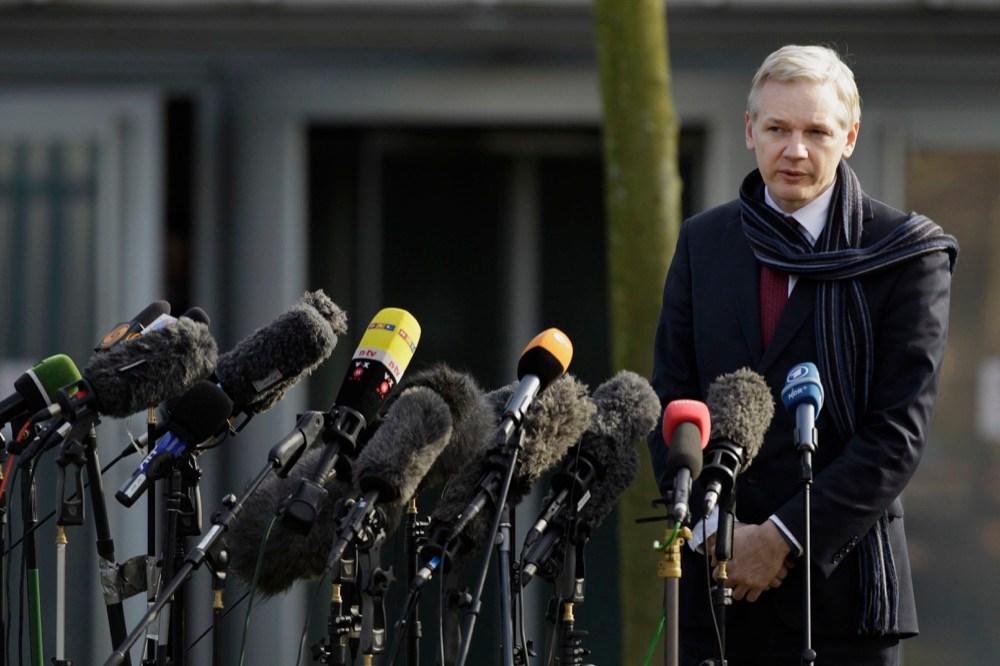
FILE - In this Feb. 24, 2011, file photo, the founder of WikiLeaks Julian Assange speaks to the media after his extradition hearing at Belmarsh Magistrates' Court in London. The arrest of Assange reignites a debate with no easy answer: Is the former computer hacker and founder of WikiLeaks a journalist or not? His lawyers are quick to characterize the case against him as a threat to all journalists. (AP Photo/Matt Dunham, File)
FILE - In this Feb. 24, 2011, file photo, the founder of WikiLeaks Julian Assange speaks to the media after his extradition hearing at Belmarsh Magistrates' Court in London. The arrest of Assange reignites a debate with no easy answer: Is the former computer hacker and founder of WikiLeaks a journalist or not? His lawyers are quick to characterize the case against him as a threat to all journalists. (AP Photo/Matt Dunham, File) FILE - In this Feb. 24, 2011, file photo, the founder of WikiLeaks Julian Assange speaks to the media after his extradition hearing at Belmarsh Magistrates' Court in London. The arrest of Assange reignites a debate with no easy answer: Is the former computer hacker and founder of WikiLeaks a journalist or not? His lawyers are quick to characterize the case against him as a threat to all journalists. (AP Photo/Matt Dunham, File)

WASHINGTON (AP) – The decision to seek the extradition of Julian Assange marked a dramatic new approach to the founder of WikiLeaks by the U.S. government, a shift that was signaled in the early days of the Trump administration.

President Barack Obama’s Justice Department had extensive internal debates about whether to charge Assange amid concerns the case might not hold up in court and would be viewed as an attack on journalism by an administration already taking heat for leak prosecutions.

But senior Trump administration officials seemed to make clear early on that they held a different view, dialing up the rhetoric on the anti-secrecy organization shortly after it made damaging disclosures about the CIA’s cyberespionage tools.

“WikiLeaks walks like a hostile intelligence service and talks like a hostile intelligence service,” former CIA Director Mike Pompeo said in April 2017 in his first public speech as head of the agency.

“Assange and his ilk,” Pompeo said, seek “personal self-aggrandizement through the destruction of Western values.”