
Sunday, November 15, 2026Nov 15

Islamic extremist group leader blamed in Sri Lanka attacks posted videos 3 years ago calling for non-Muslims to be ‘eliminated’

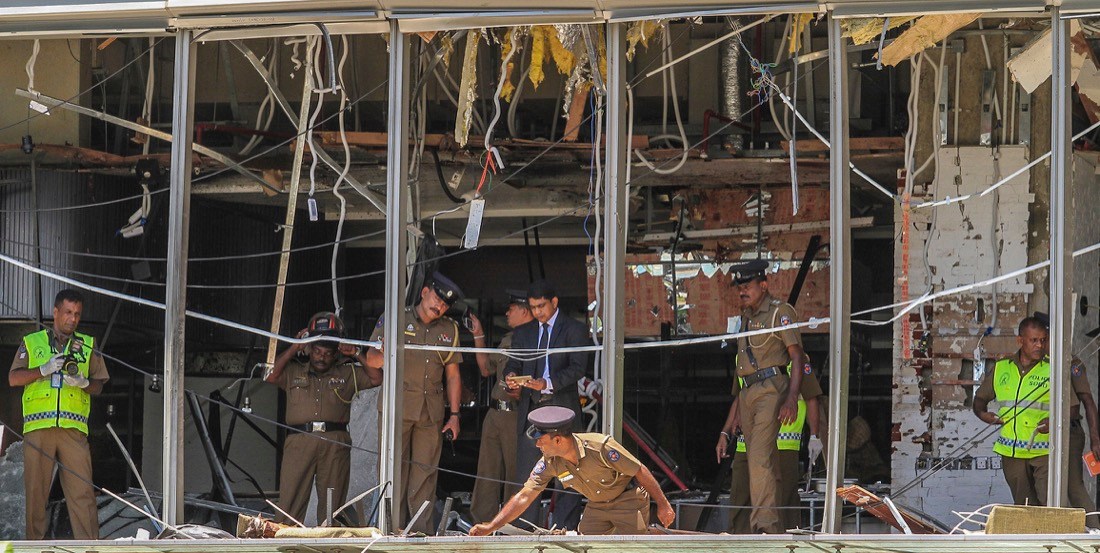
In this Sunday April 21, 2019, photo, a Sri Lankan Police officer inspects a blast spot at the Shangri-la hotel in Colombo, Sri Lanka. Sri Lankan authorities blame seven suicide bombers of a domestic militant group for coordinated Easter bombings that ripped through Sri Lankan churches and luxury hotels which killed and injured hundreds of people. It was Sri Lanka's deadliest violence since a devastating civil war in the South Asian island nation ended a decade ago. (AP Photo/Chamila Karunarathne, file)

COLOMBO, Sri Lanka (AP) – The purported leader of an Islamic extremist group blamed for an Easter attack in Sri Lanka that killed over 320 people began posting videos online three years ago calling for non-Muslims to be “eliminated,” faith leaders said Tuesday.

Much remains unclear about how a little-known group called National Thowfeek Jamaath allegedly carried out six large nearly simultaneous suicide bombings striking churches and hotels on Sunday.

However, warnings about growing radicalism in the island nation off the coast of India date to at least 2007, while Muslim leaders say their repeated warnings about the group and its leader drew no visible reaction from officials responsible for public security.

“Some of the intelligence people saw his picture but they didn’t take action,” said N.M. Ameen, the president of the Muslim Council of Sri Lanka.

Tension coursed through Colombo on Tuesday as the military took on emergency war-time powers, allowing them to conduct warrantless searches and detain suspects for up to two weeks before a court hearing.