


Monday, November 16, 2026Nov 16

Focus remains on Kentucky, Tennessee in fight against Asian carp [photos, video]

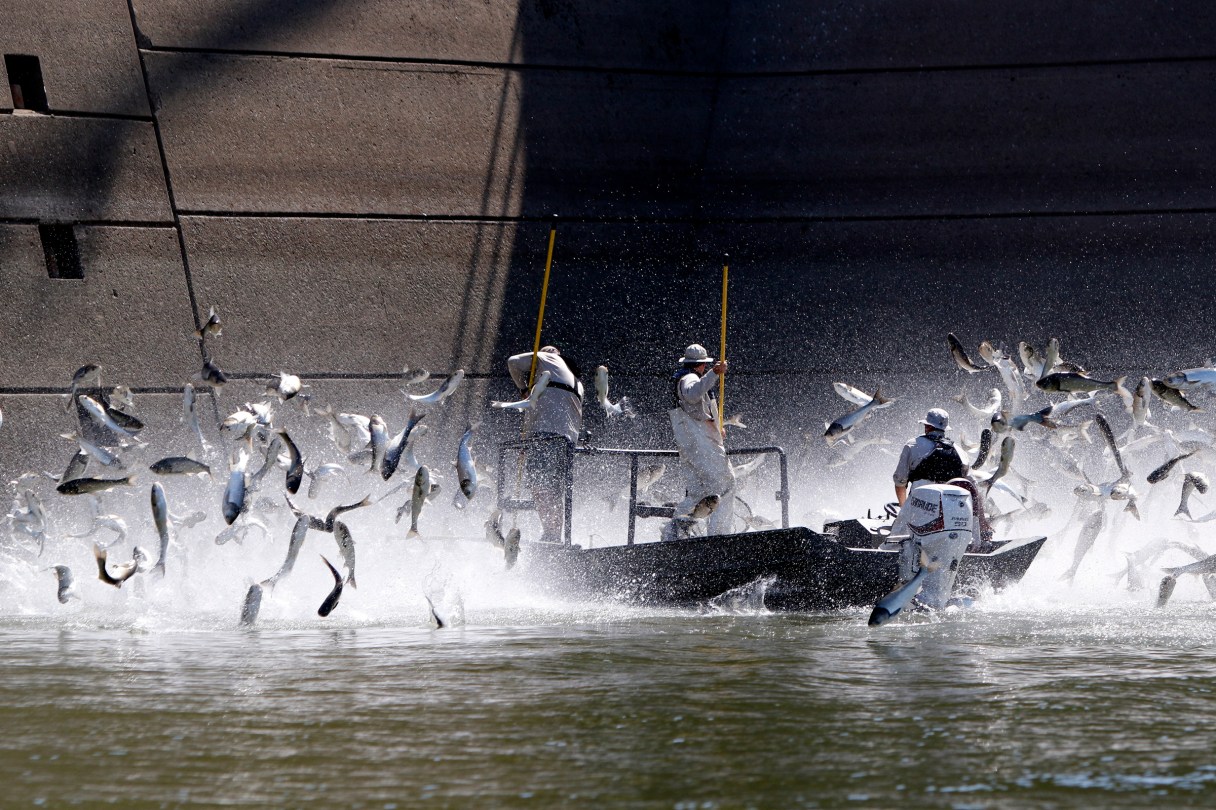
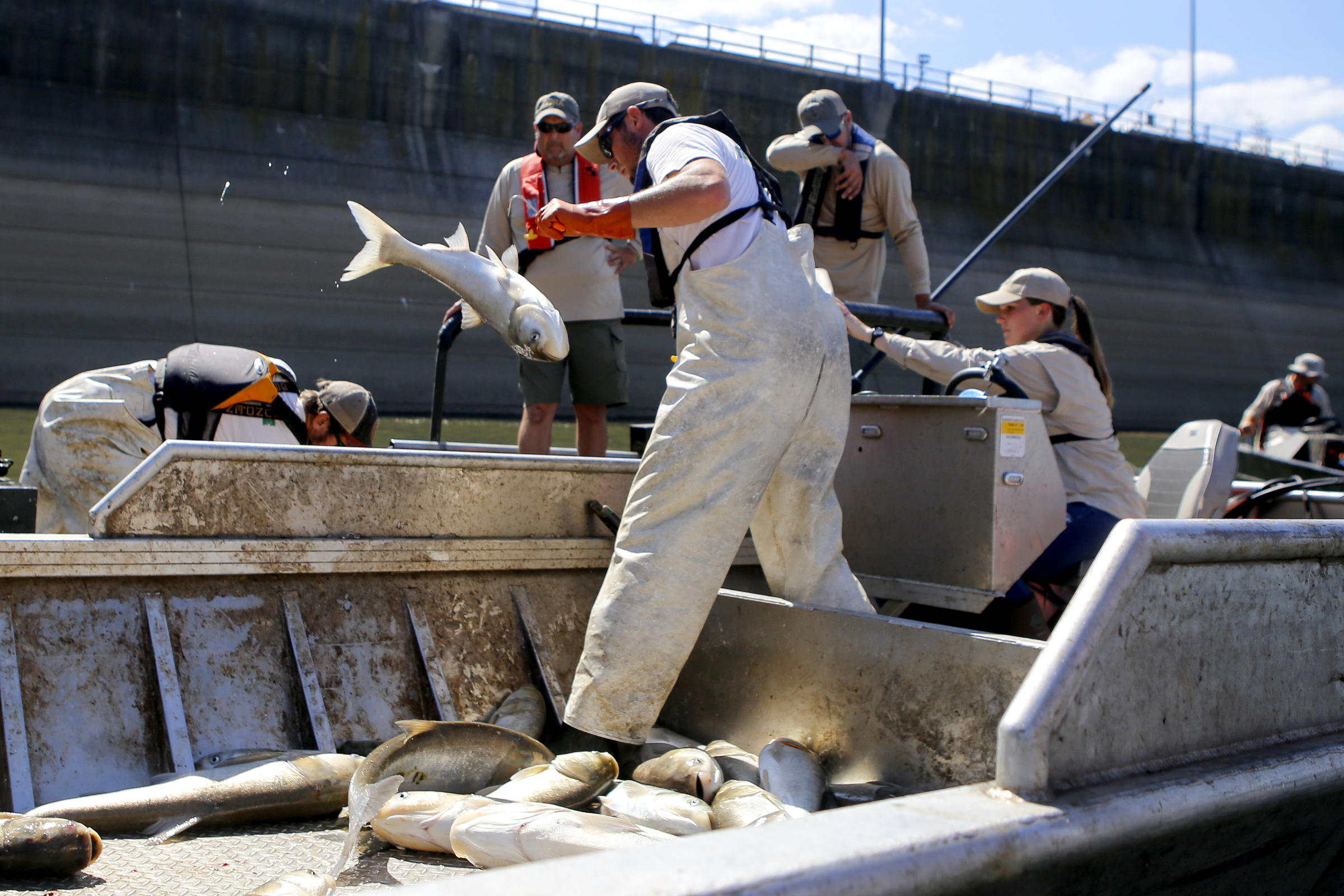
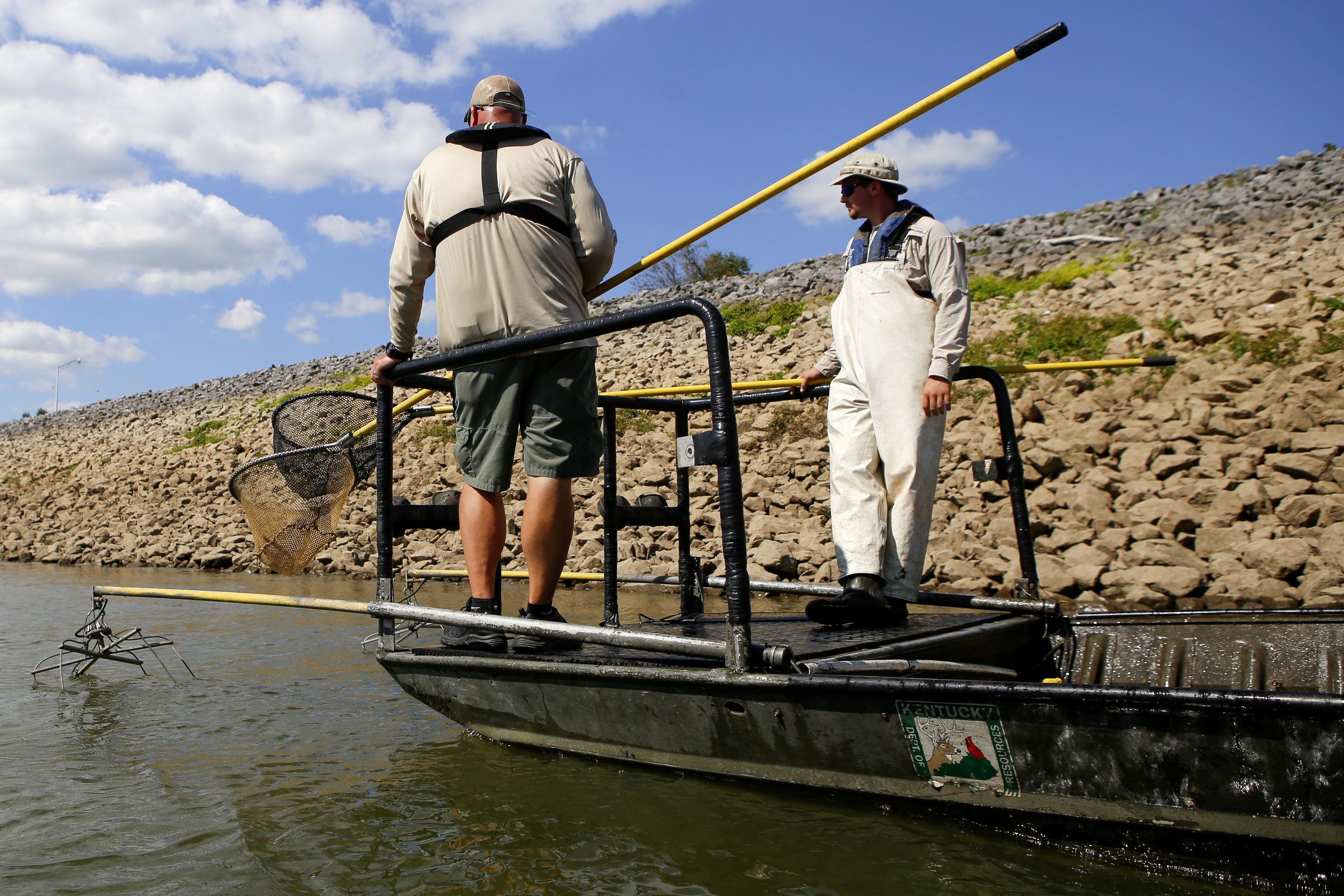
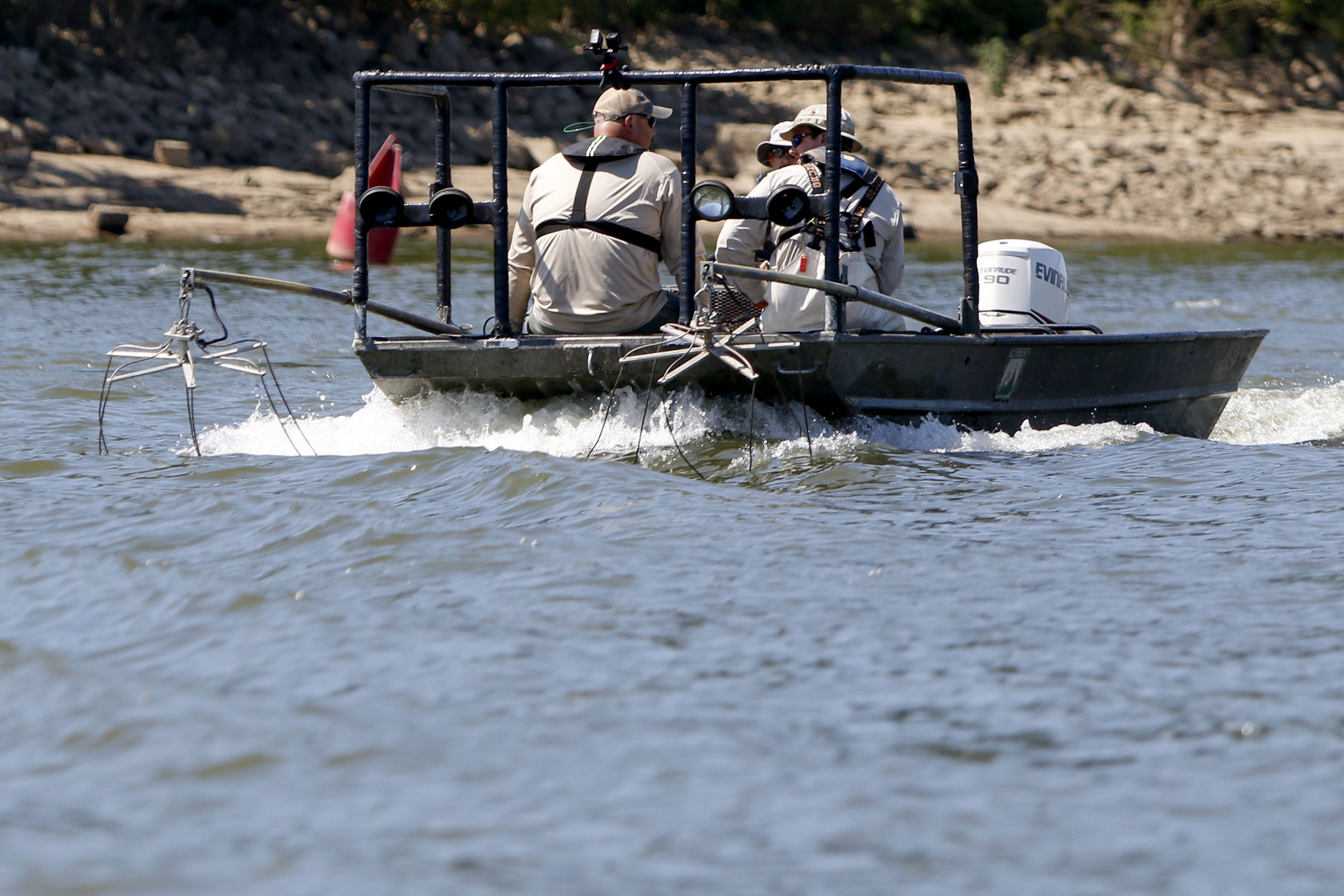
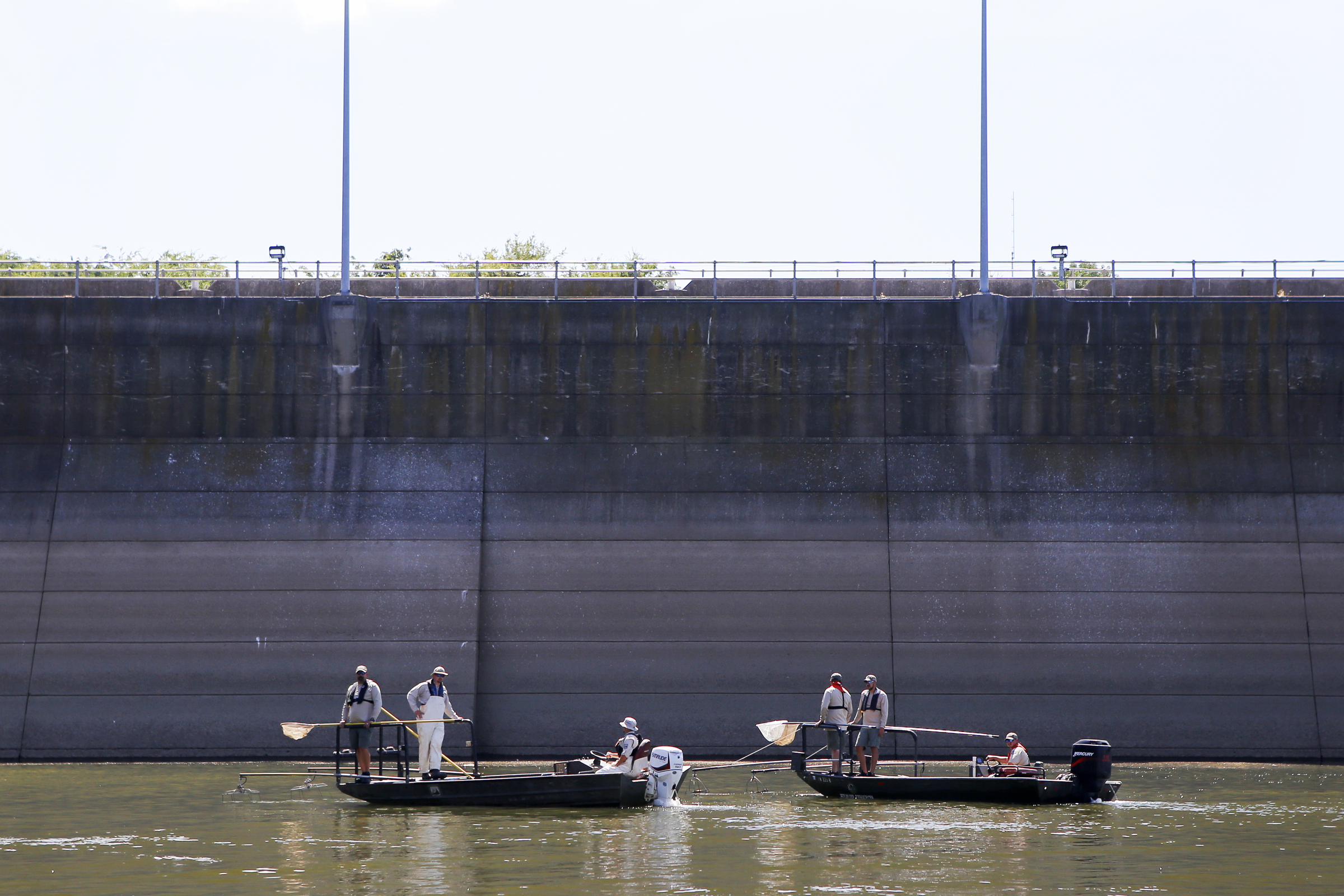
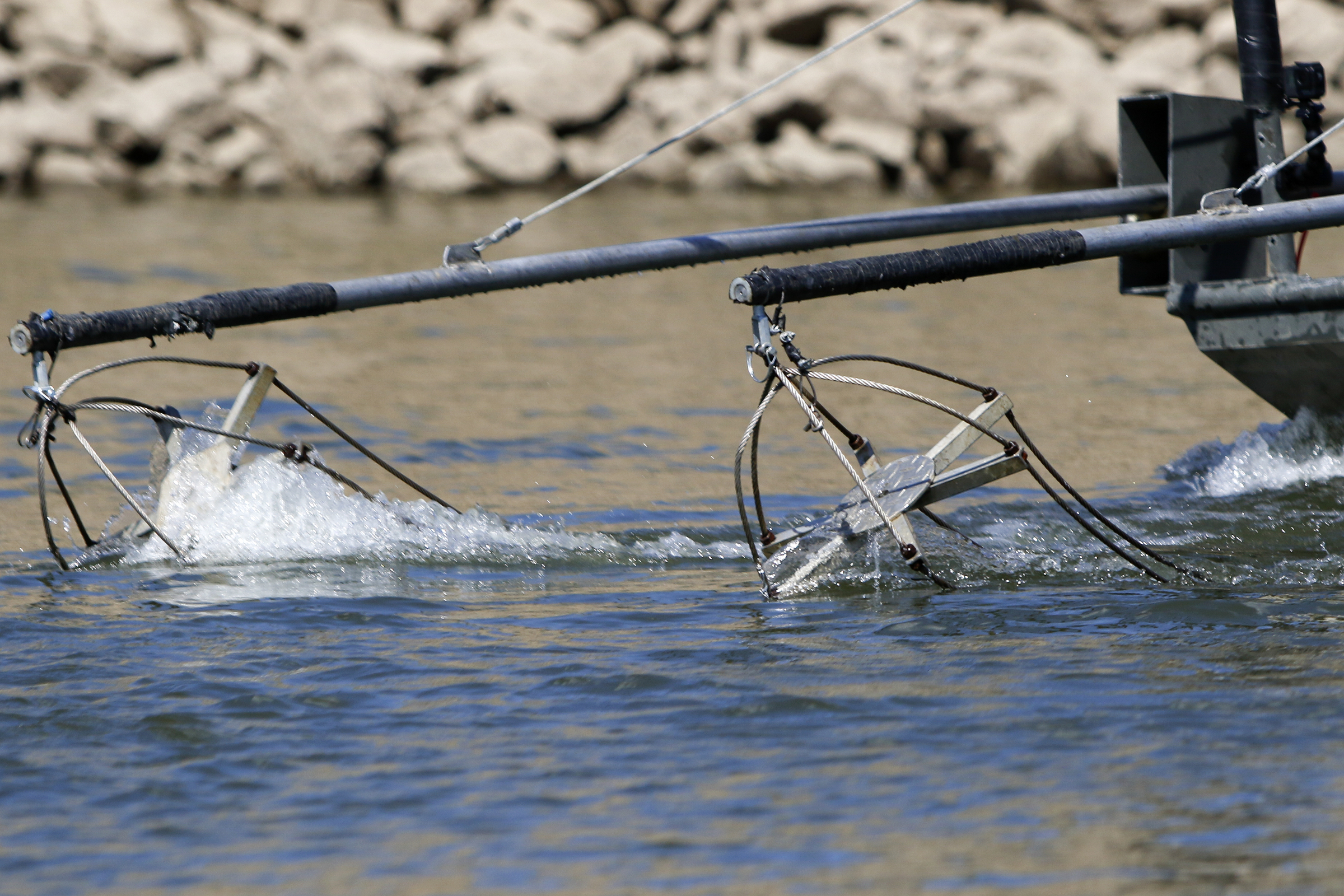
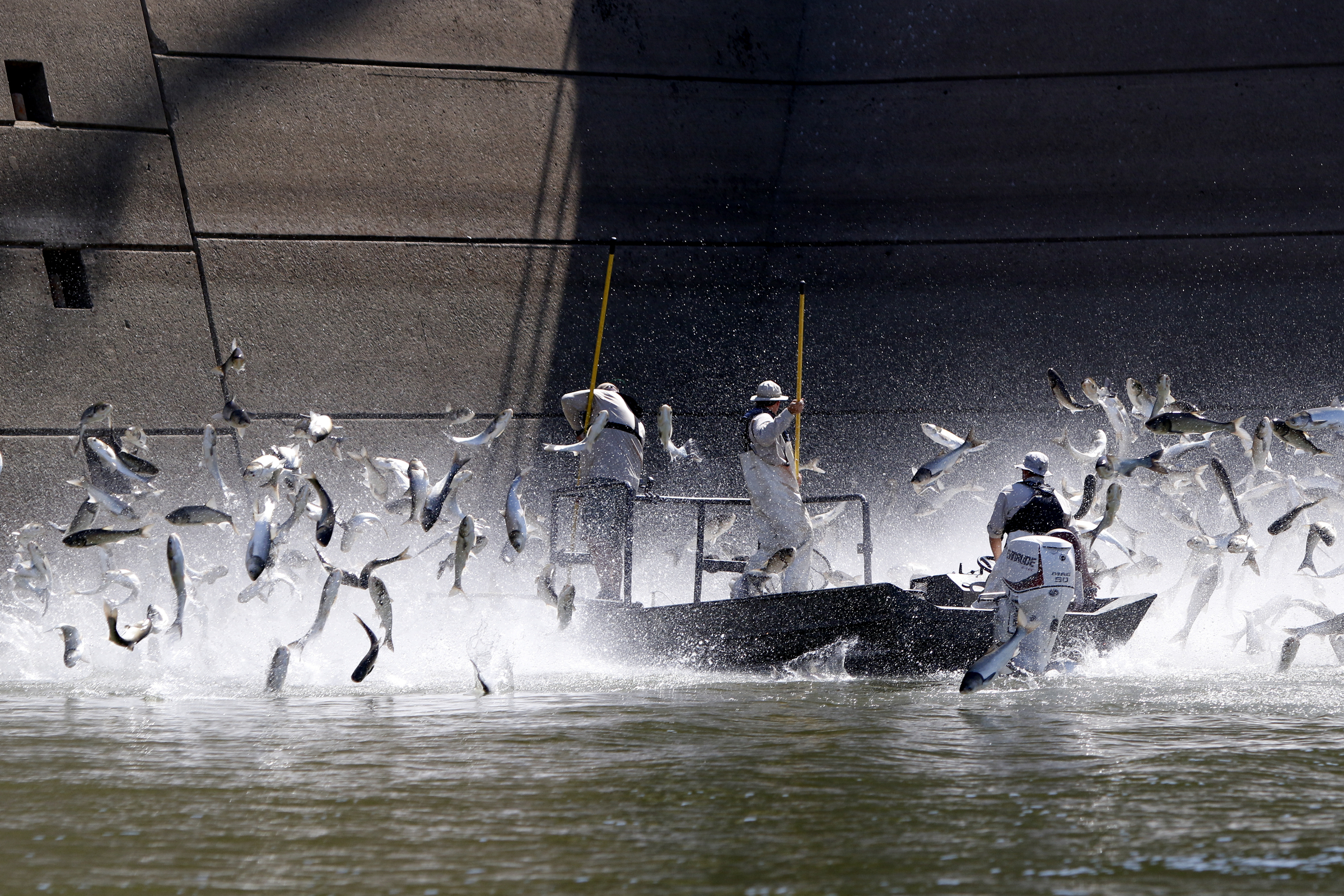
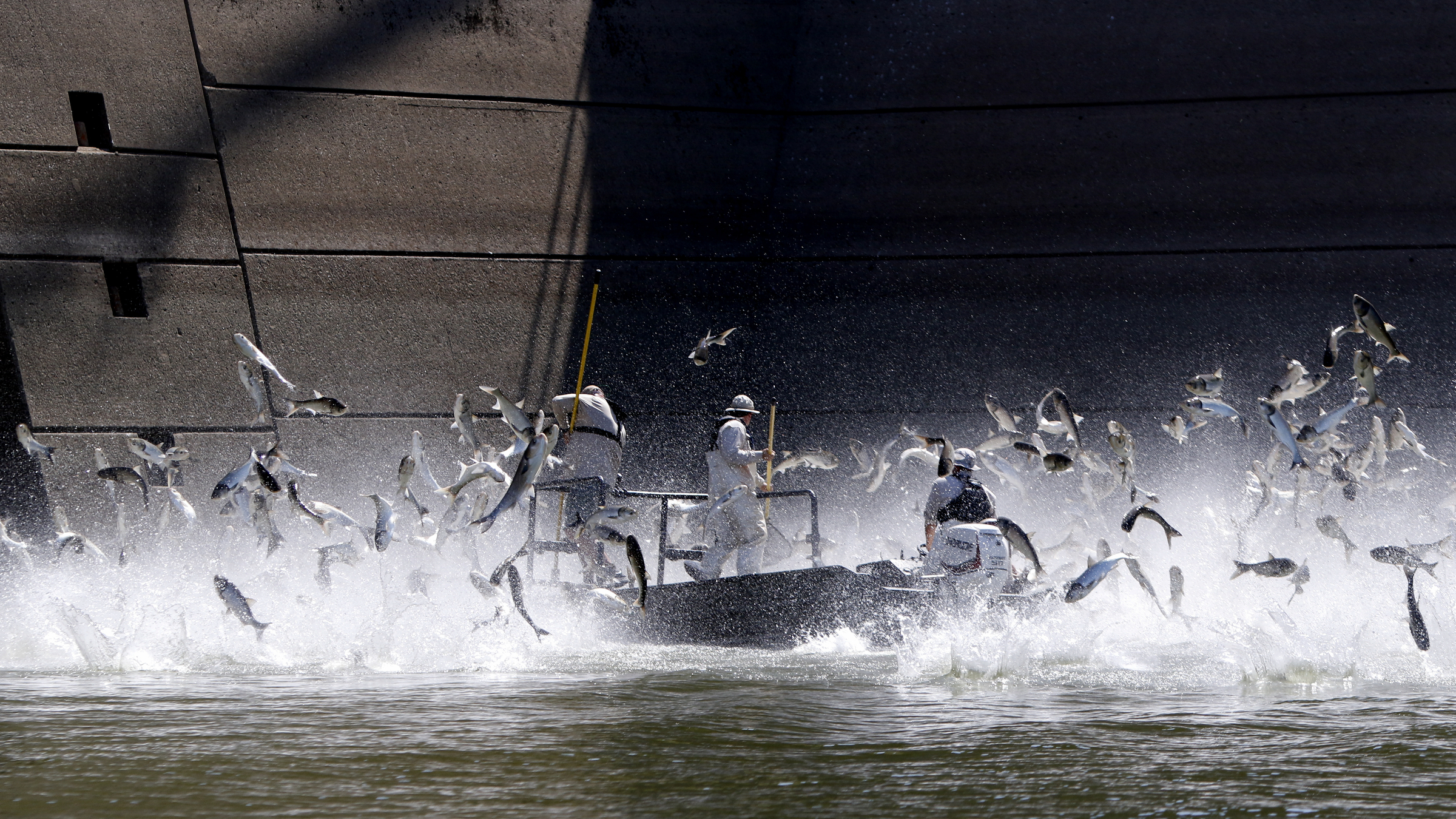
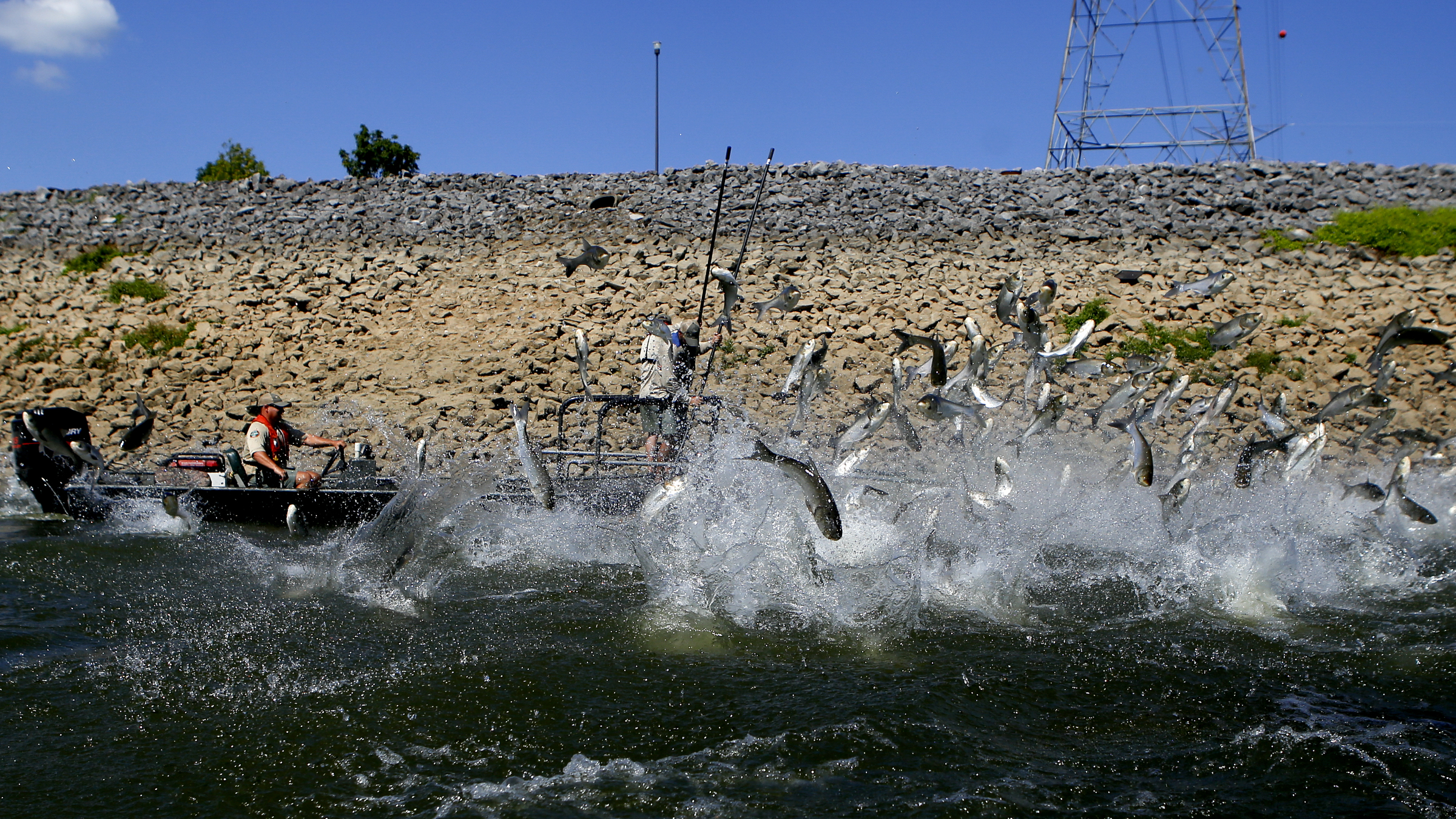
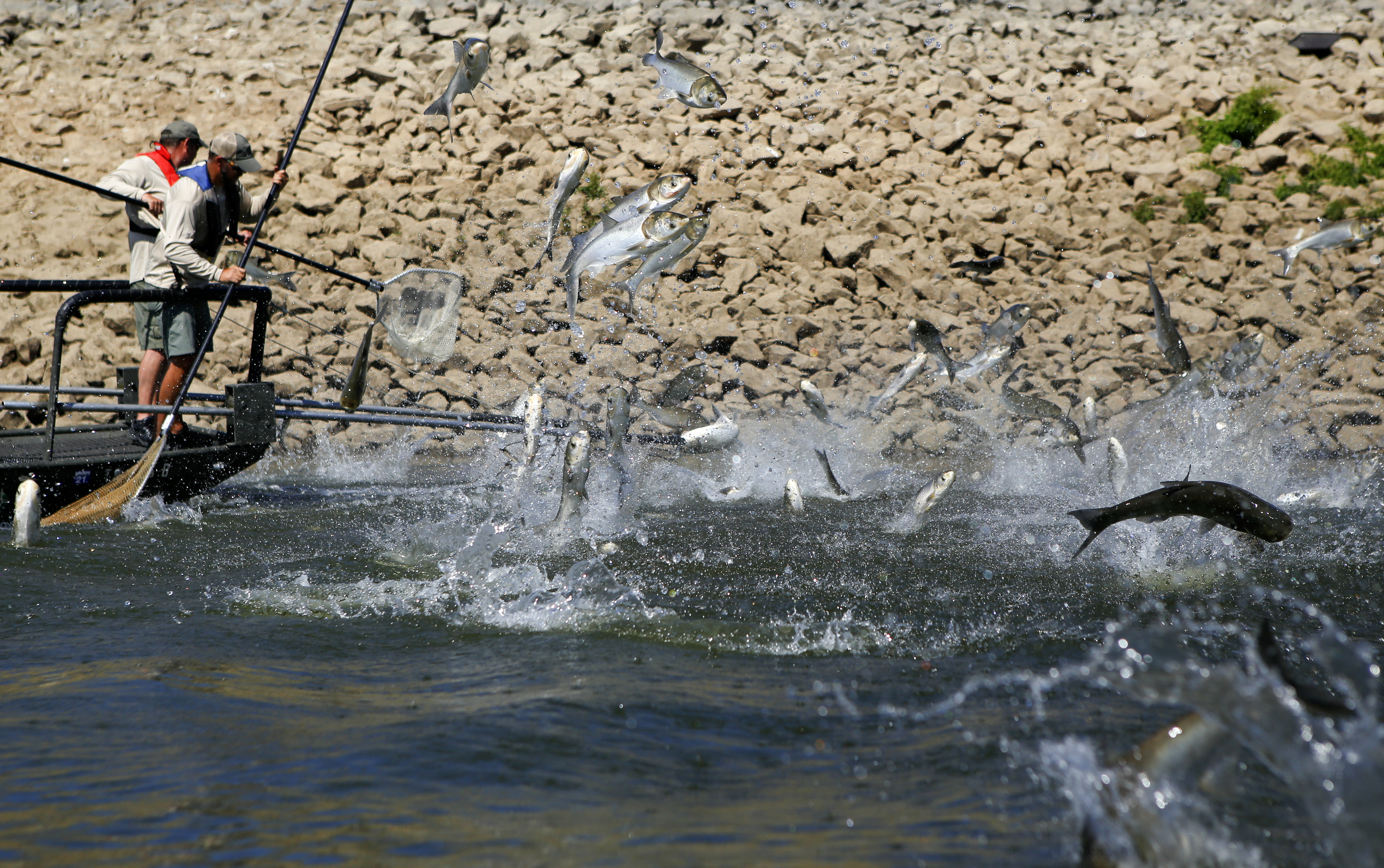
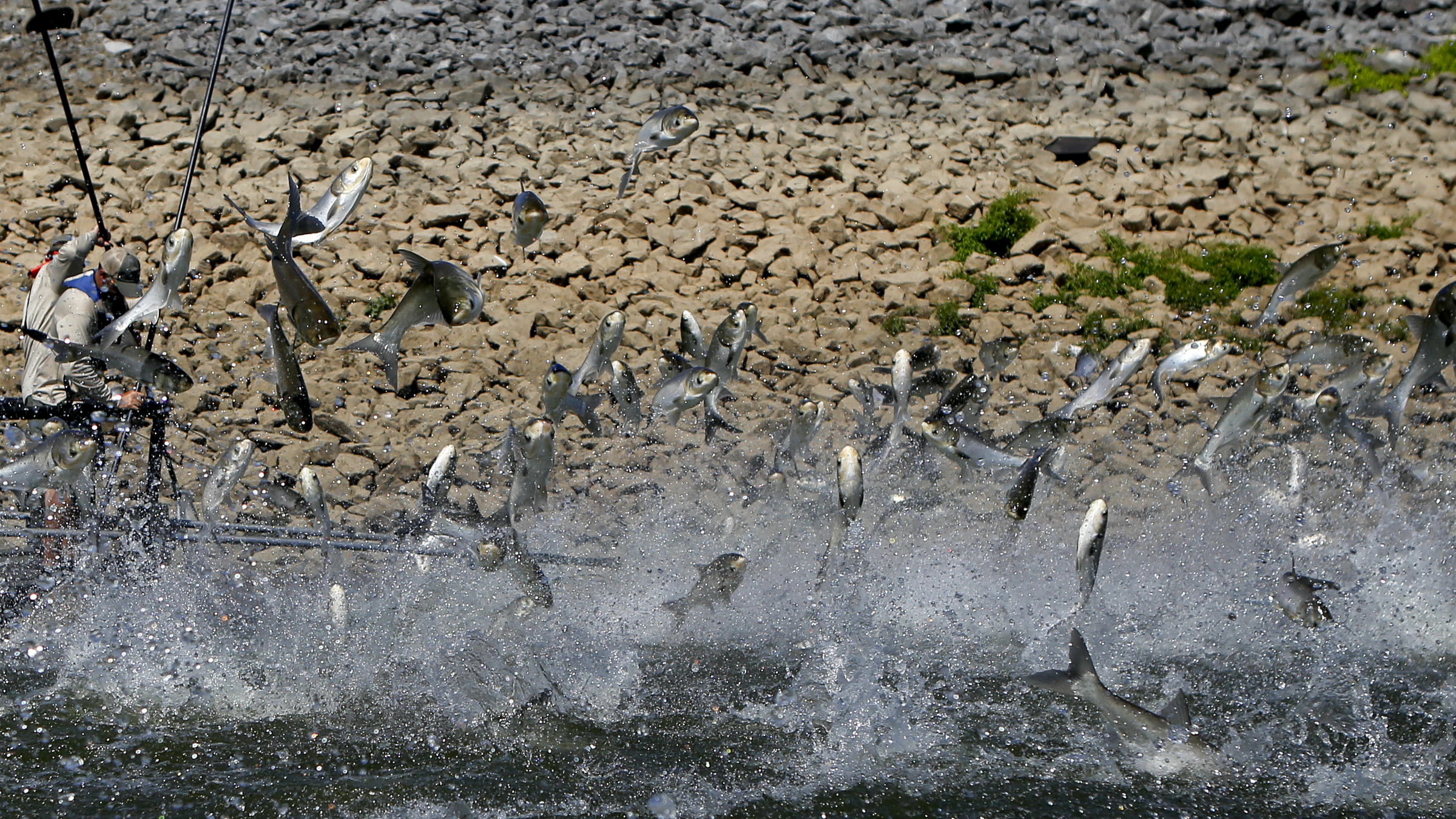
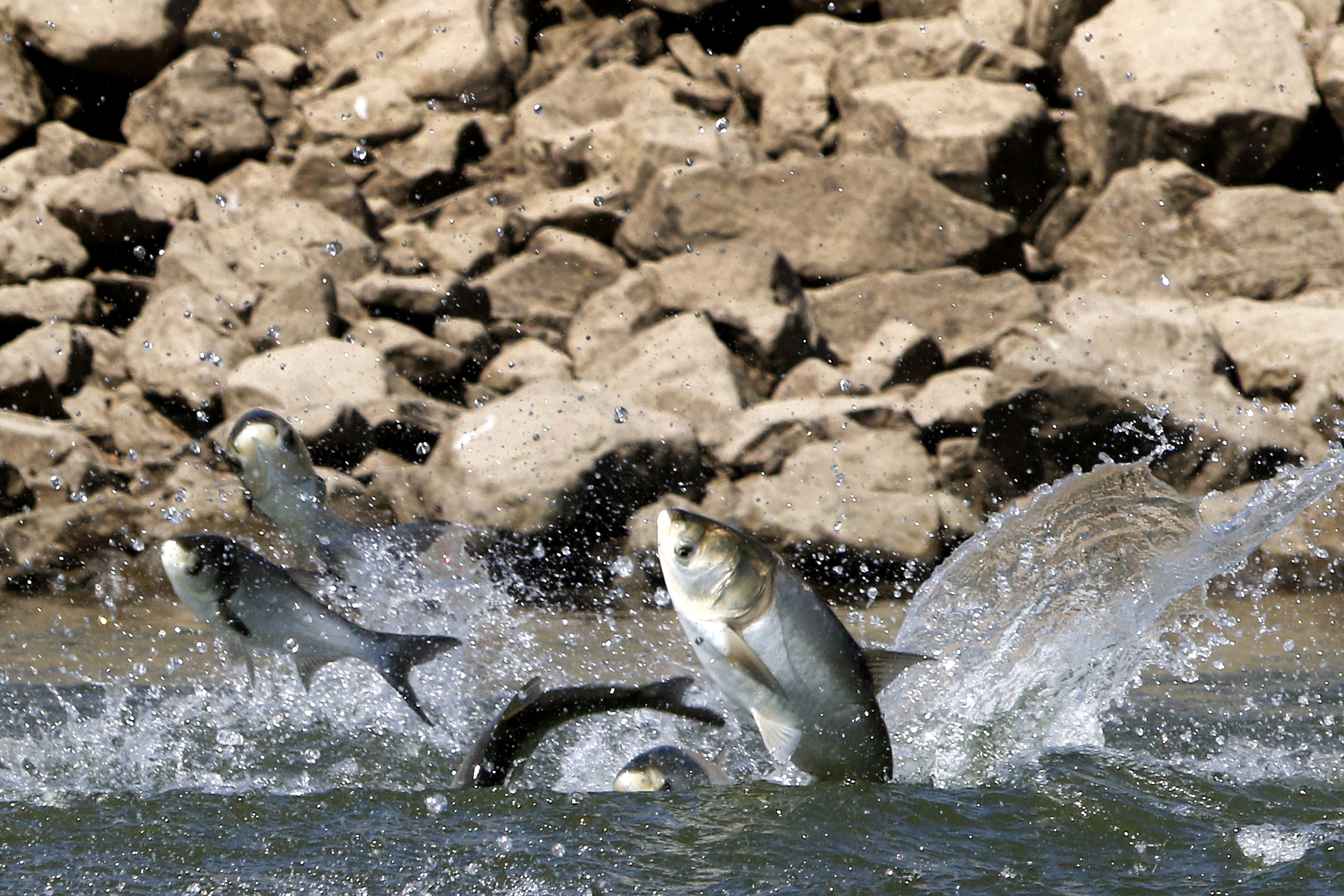
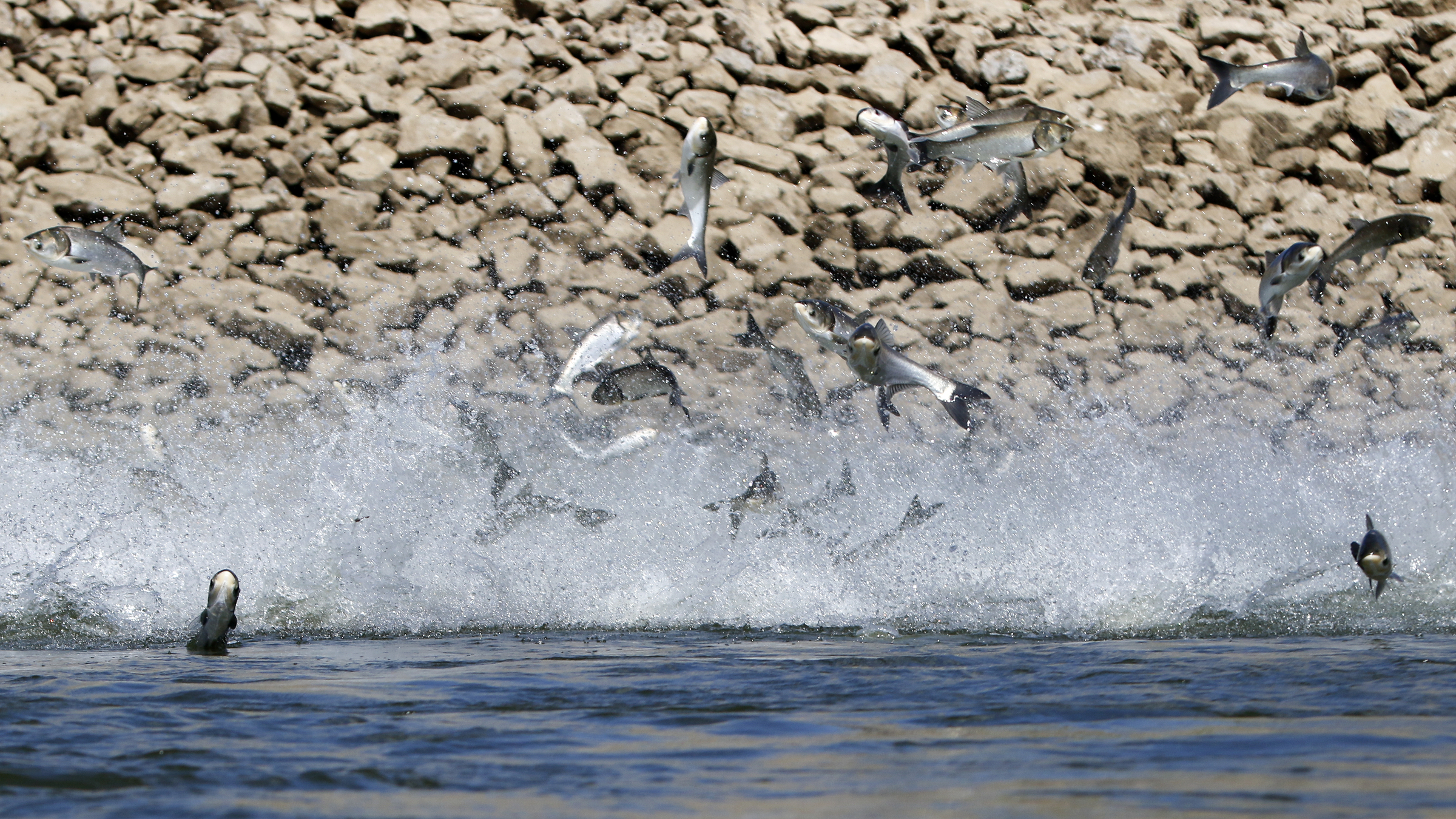
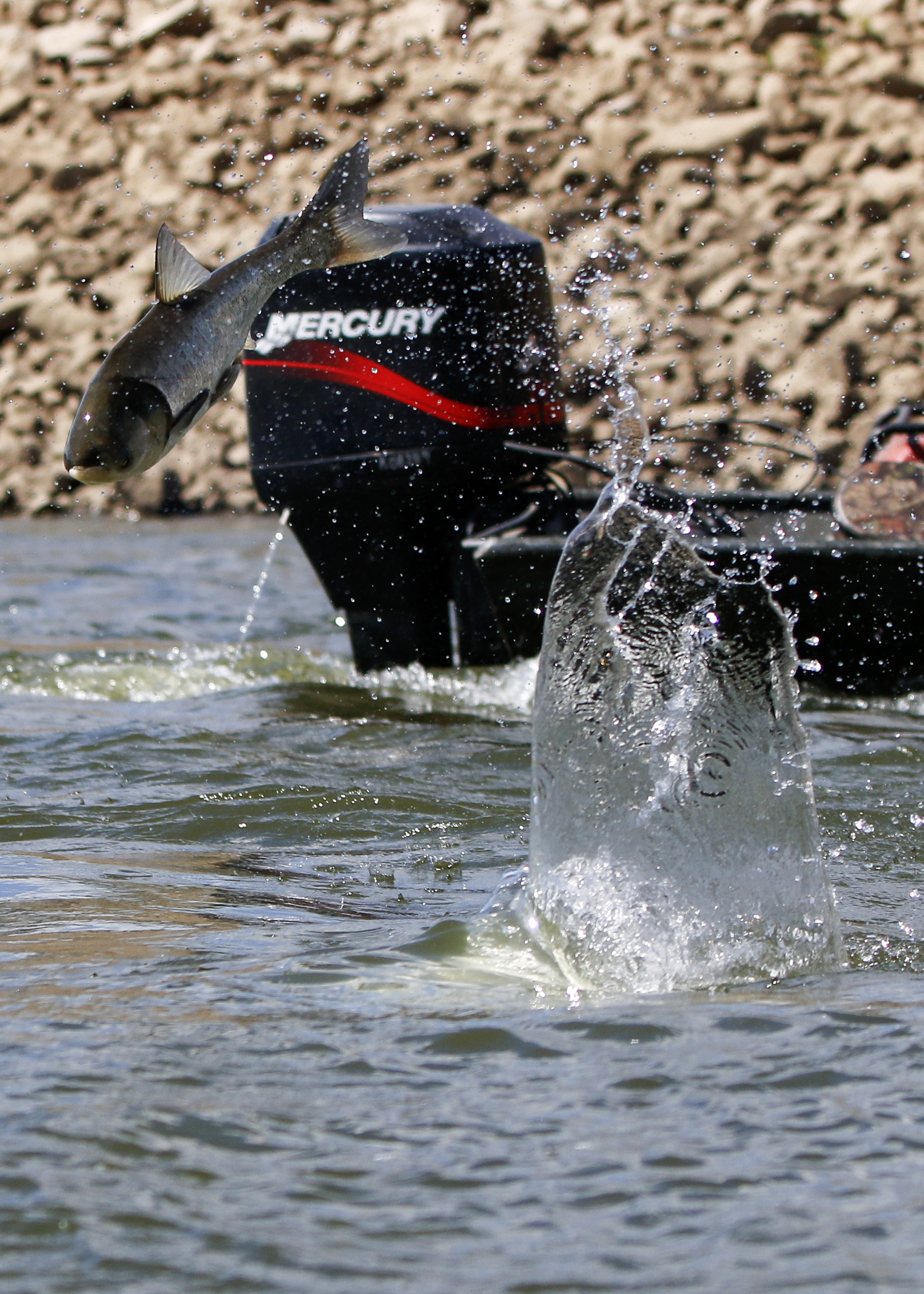
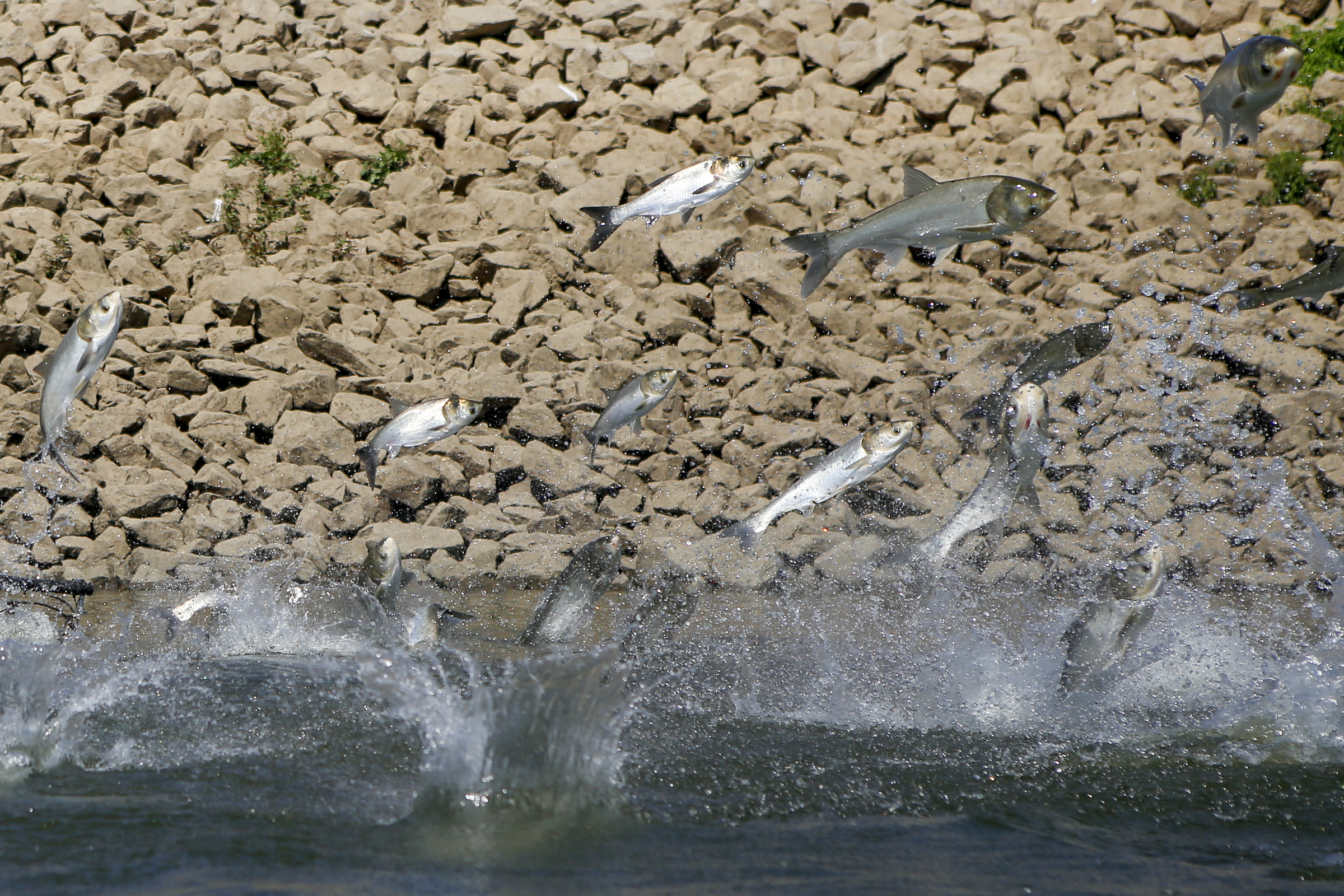
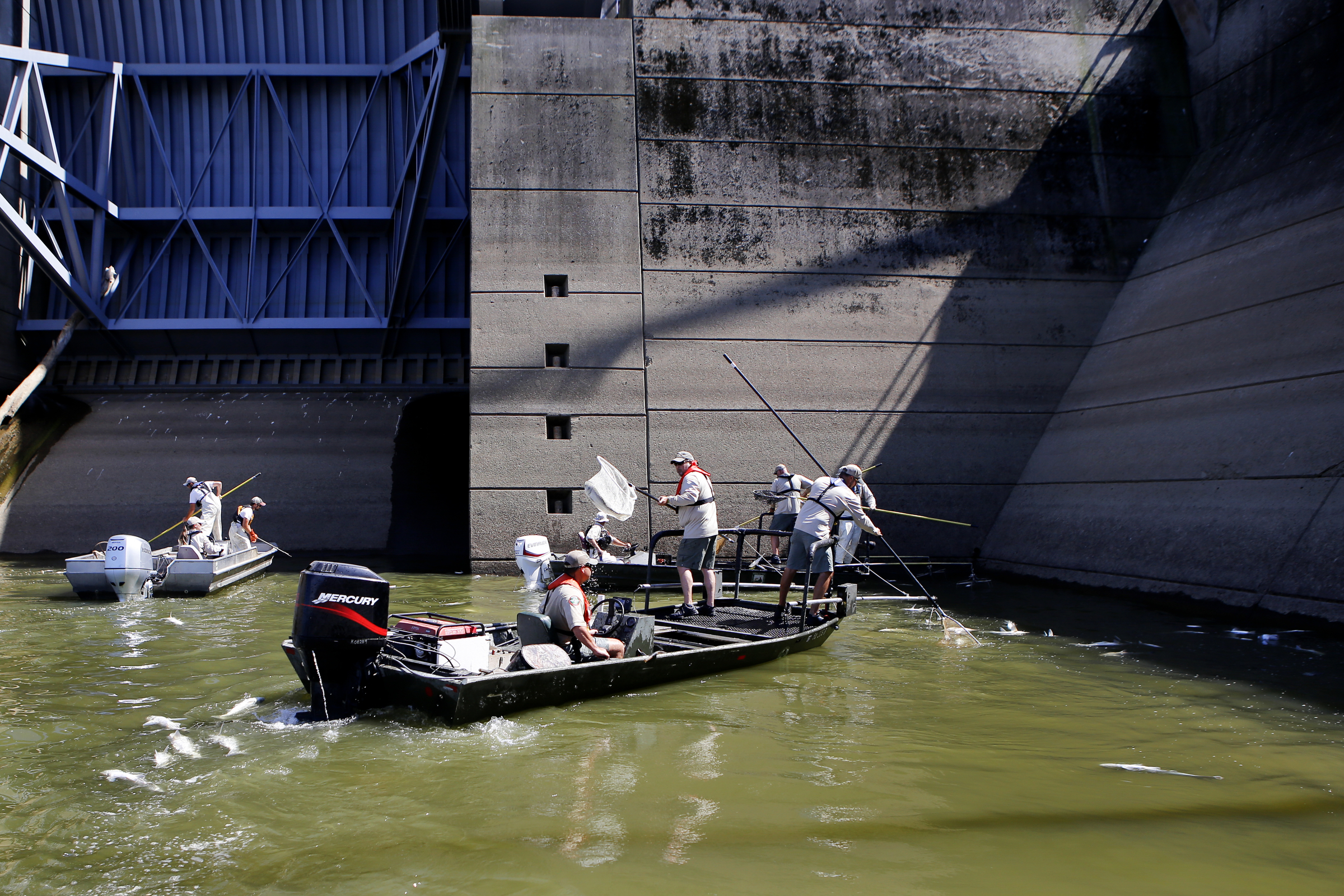
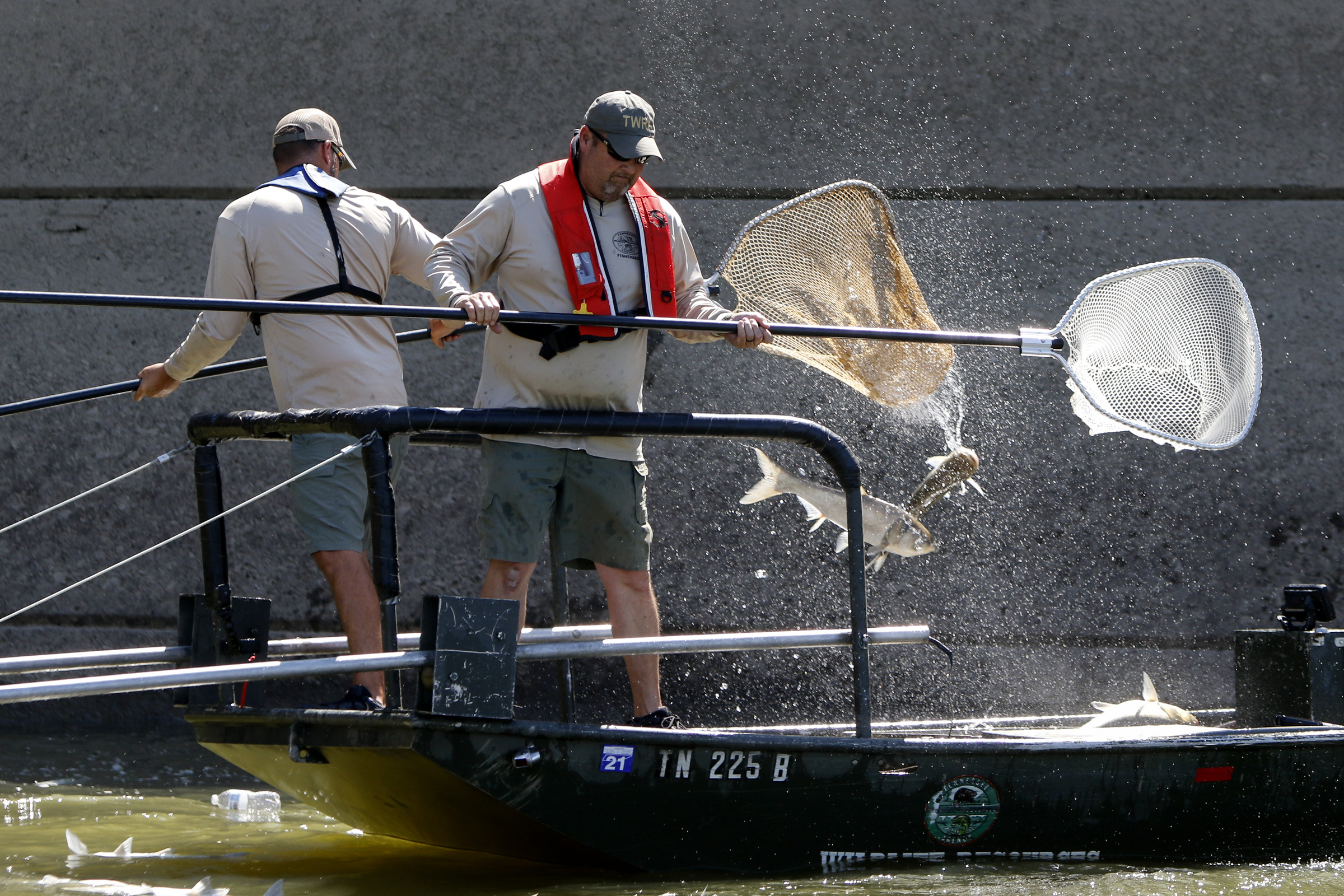
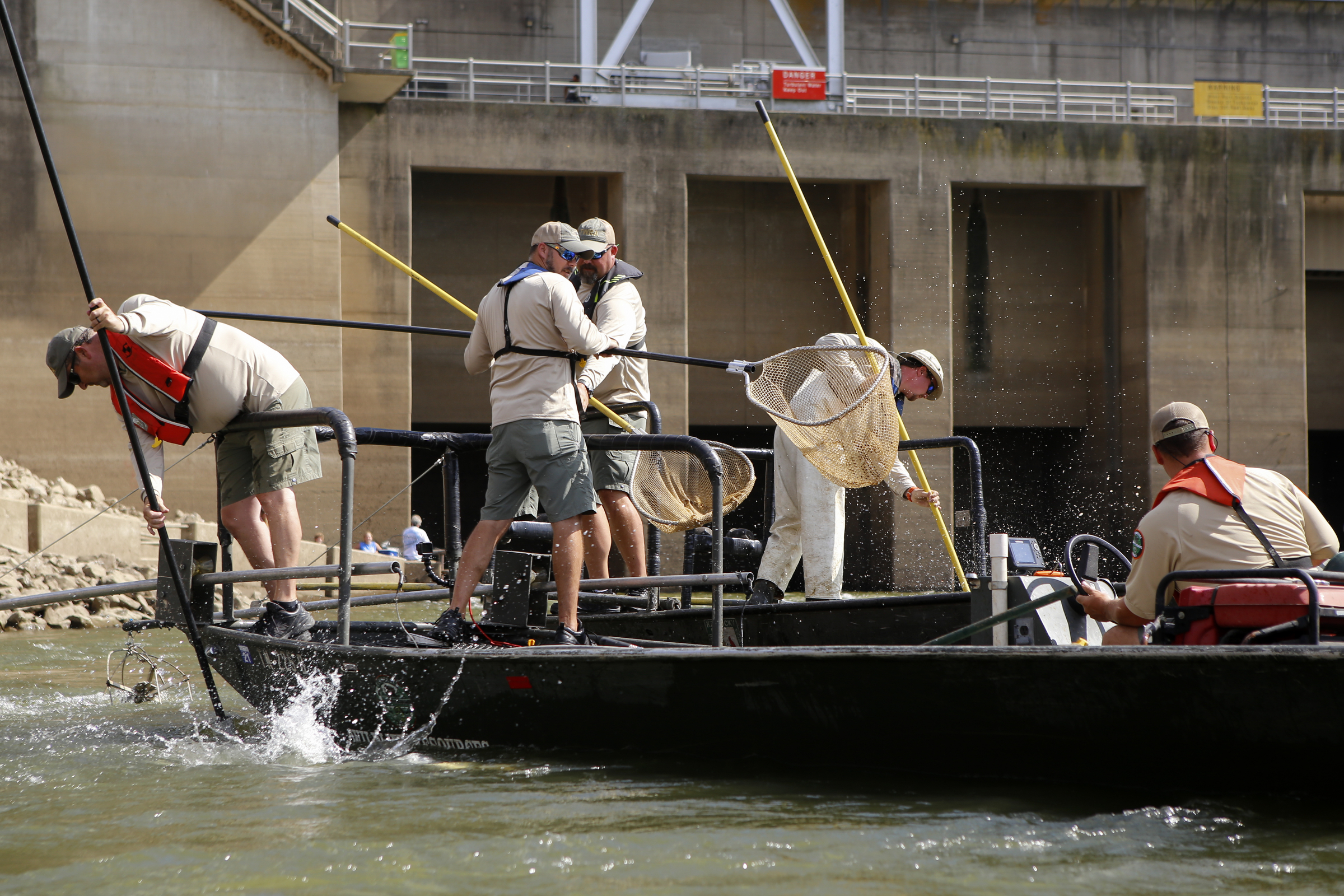
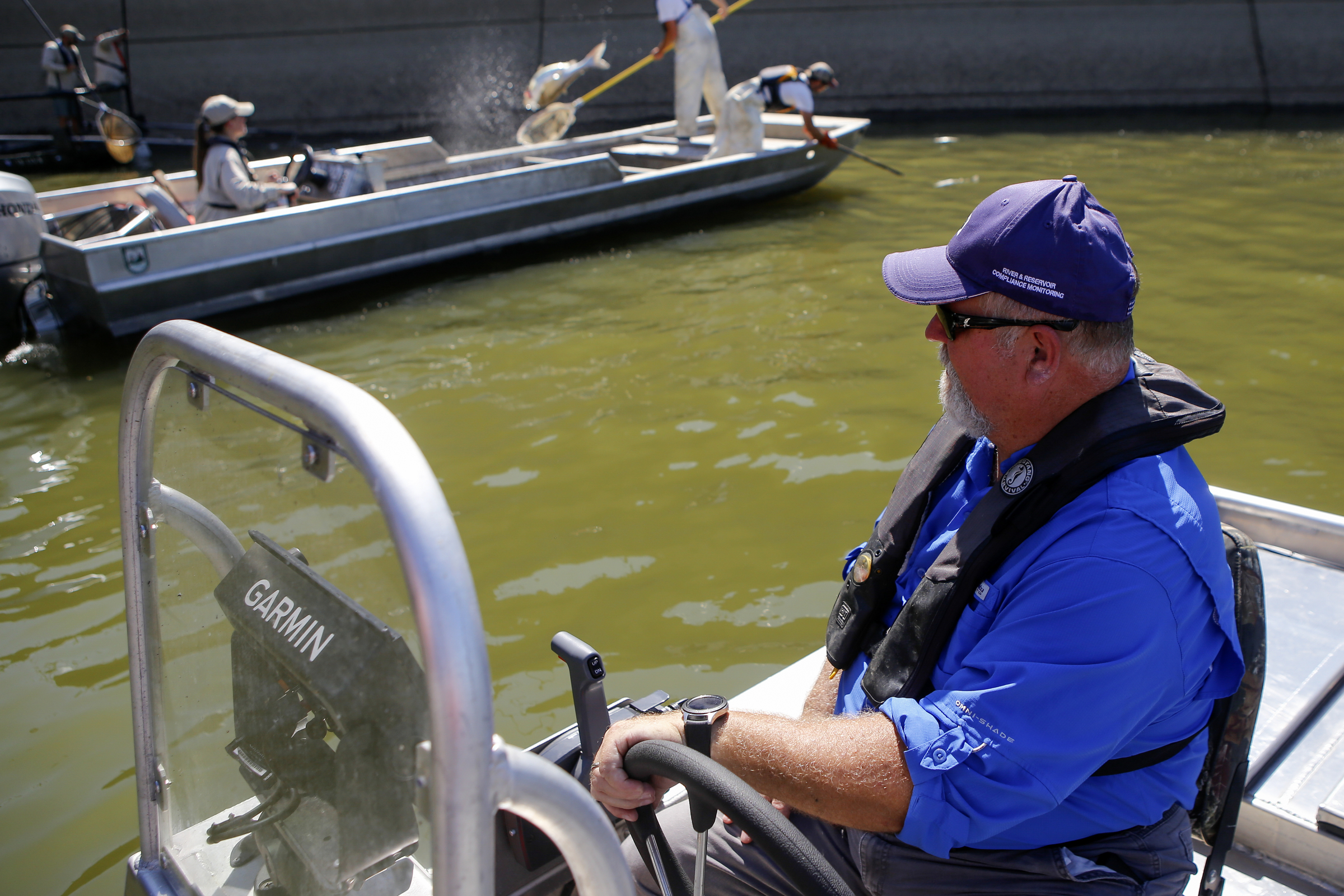
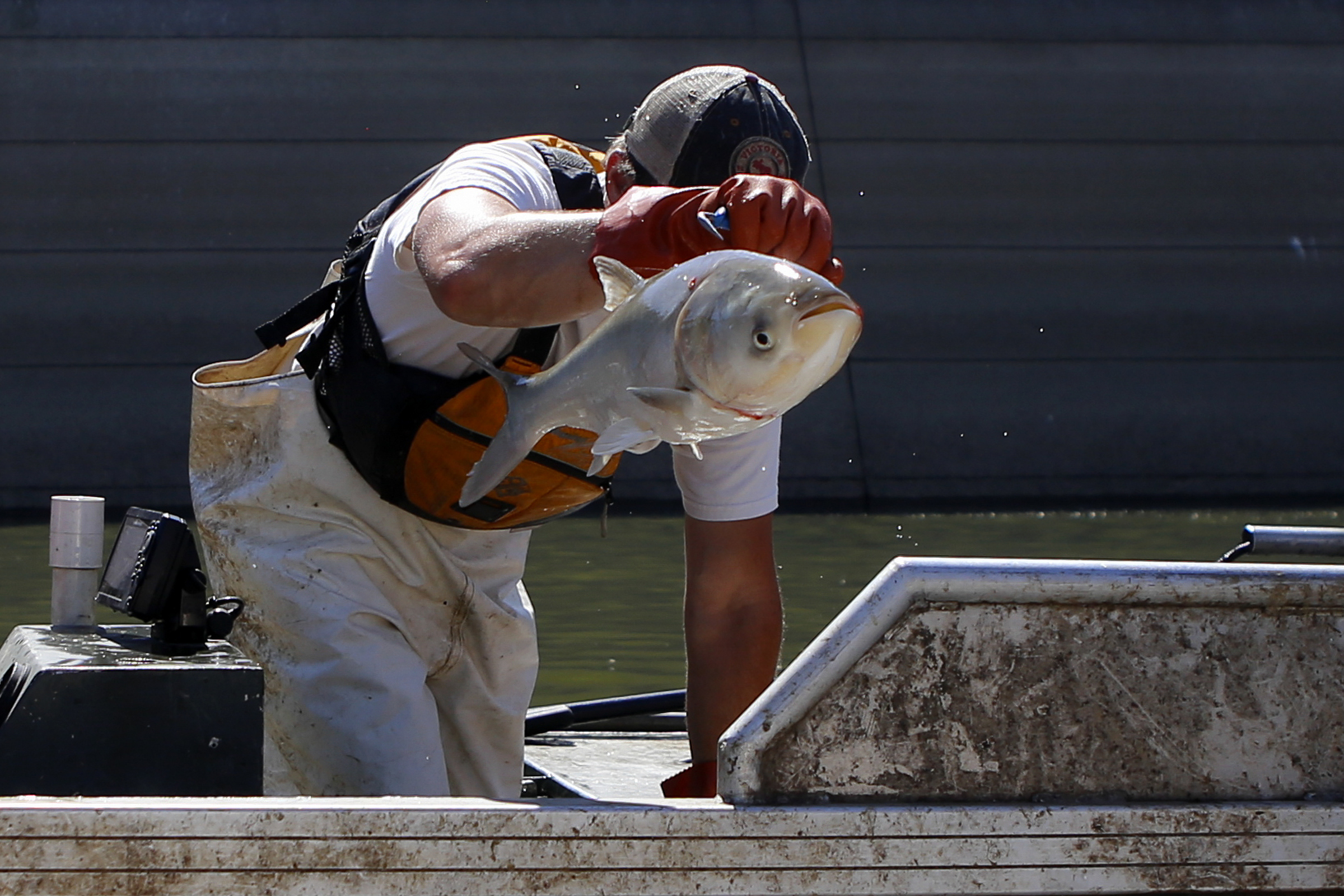
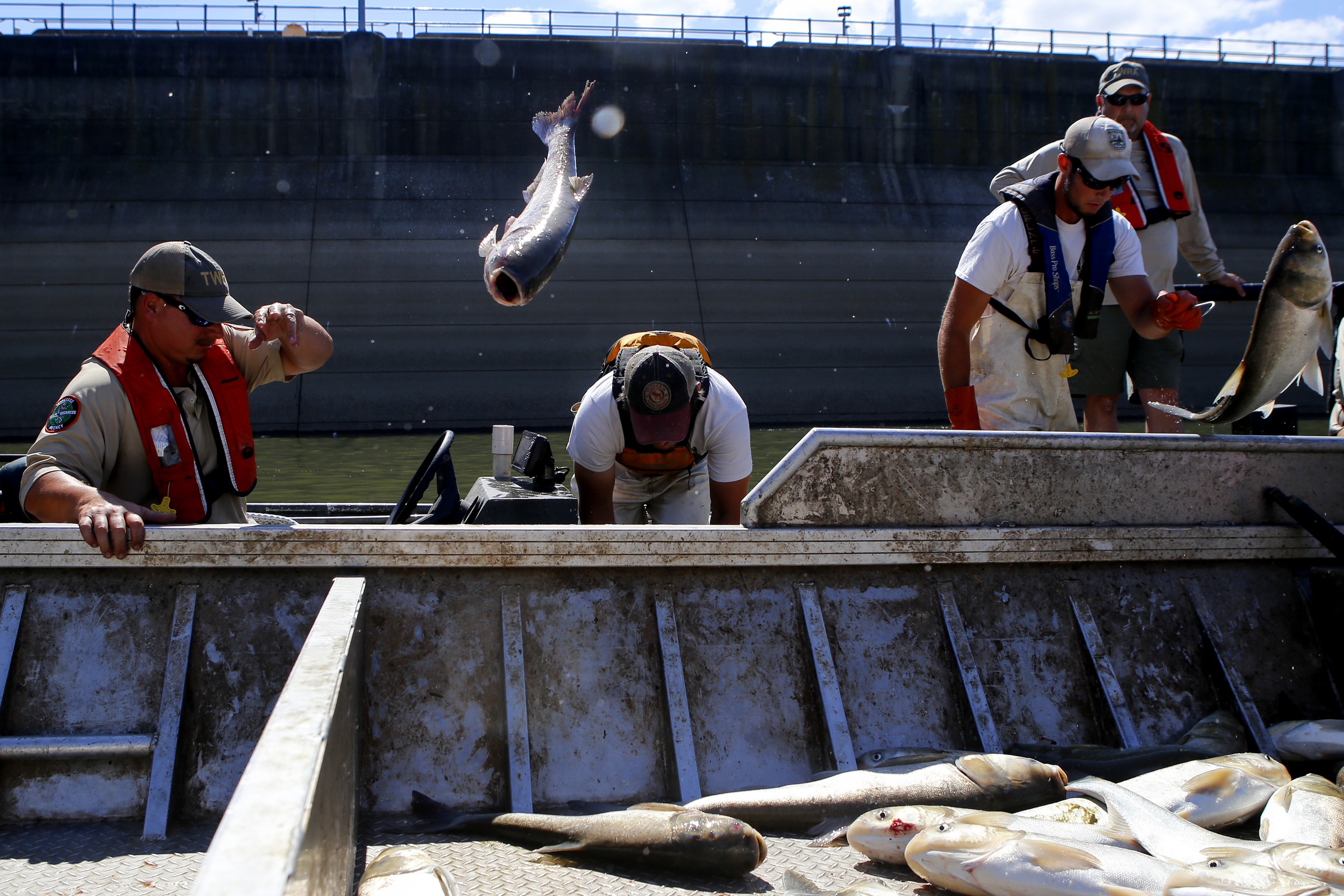
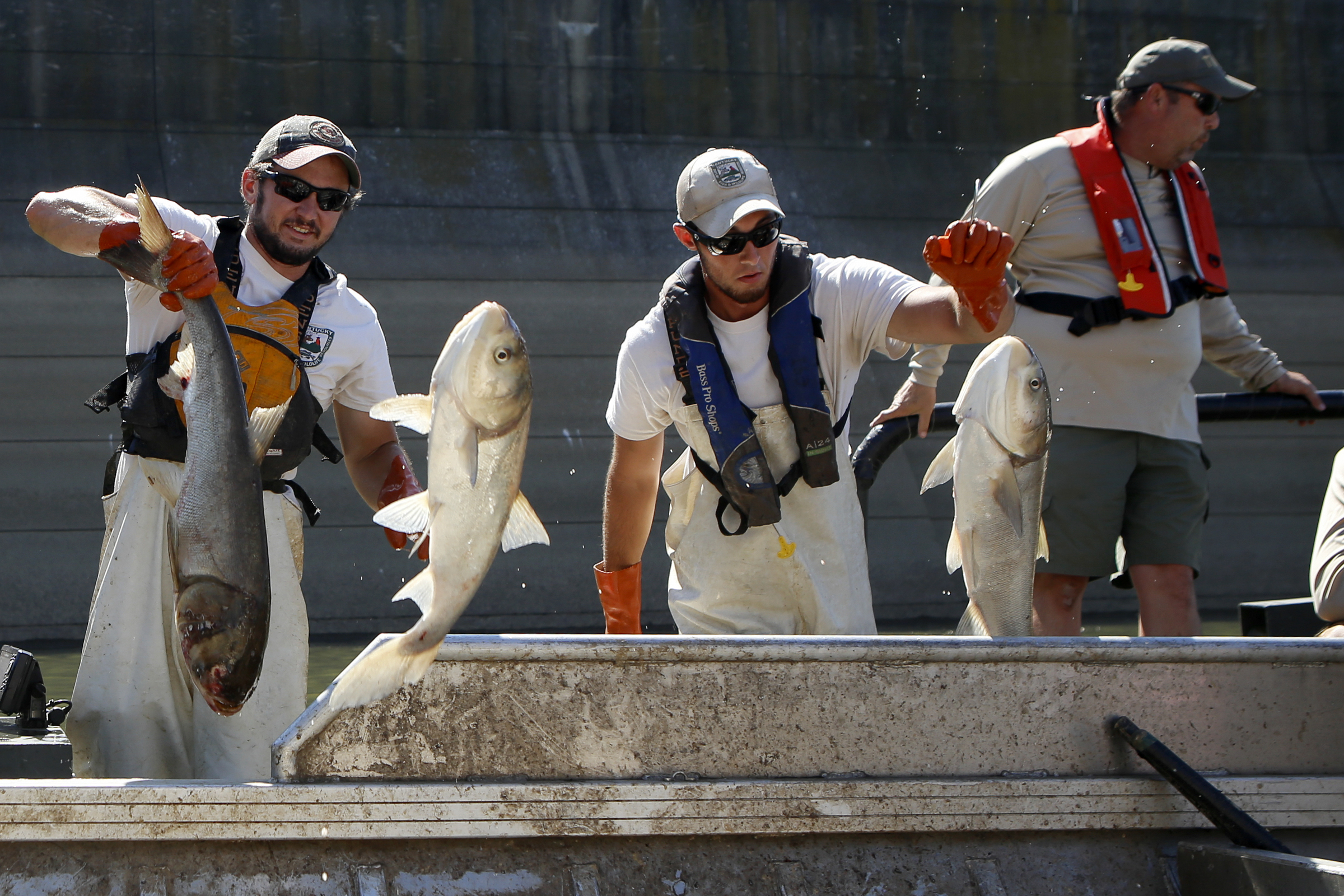
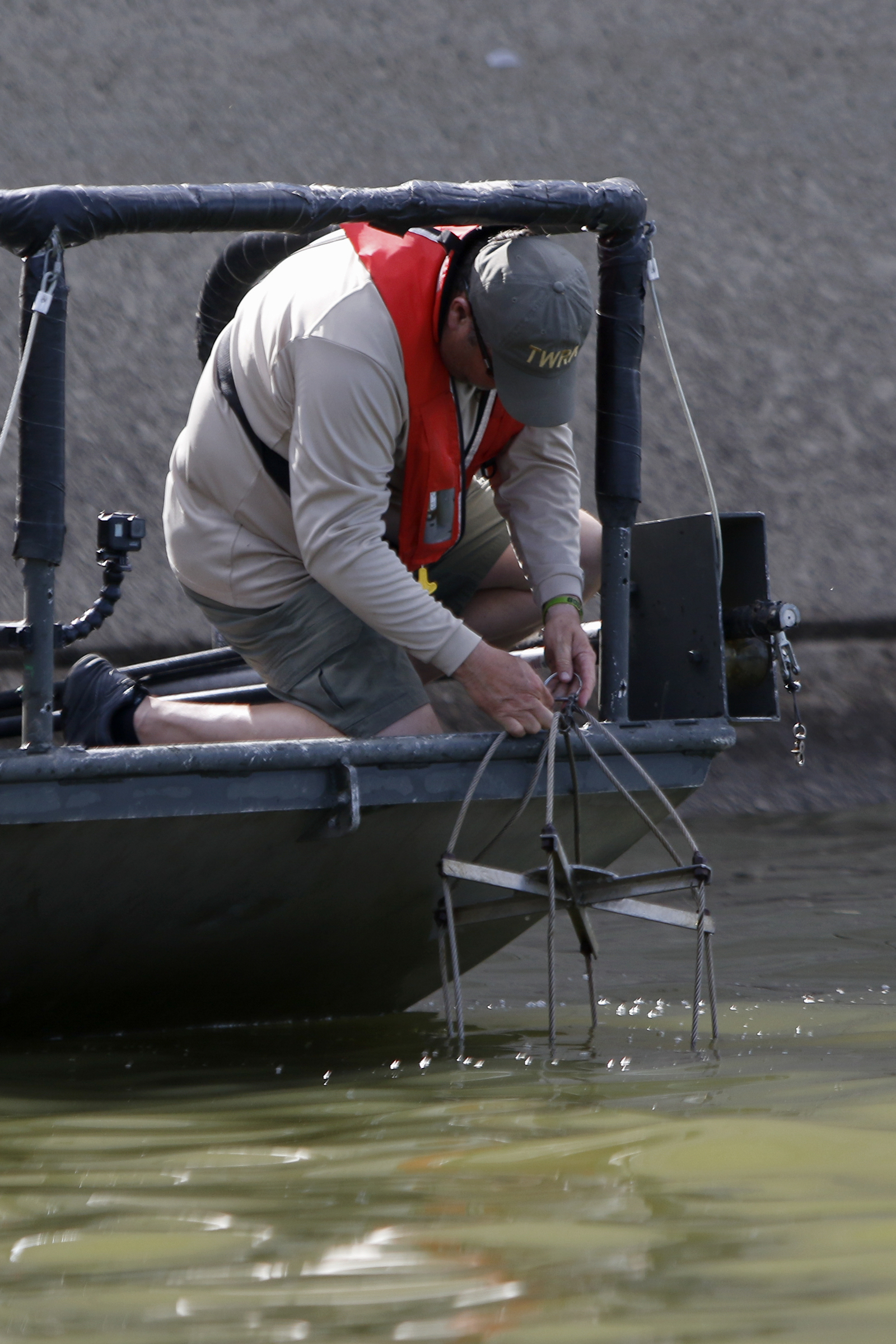
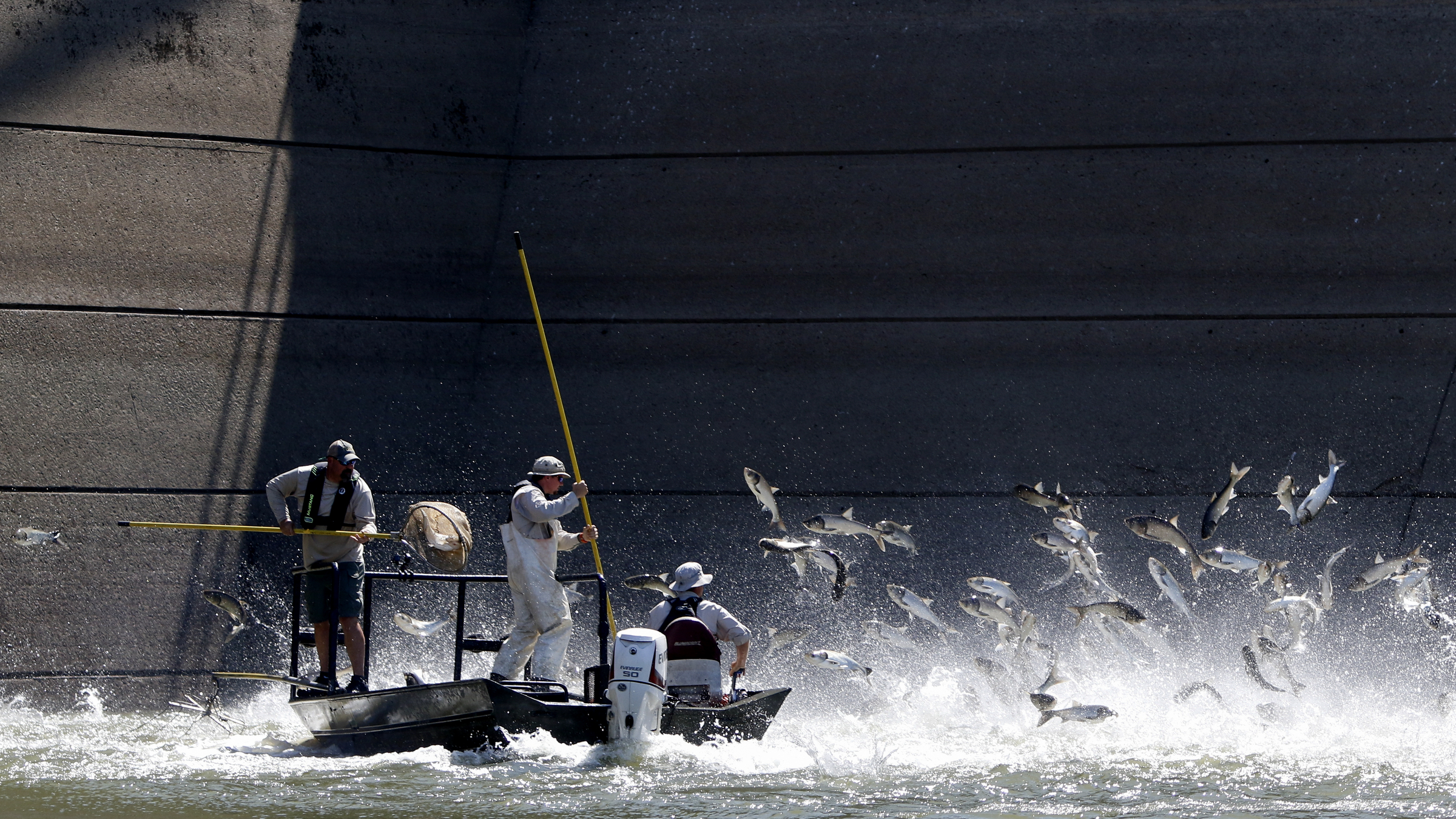
Staff photo by C.B. Schmelter/ Carp swarm out of the Cumberland River as Tennessee Wildlife Resources Agency Reservoir Biologist Michael Clark, left, Kentucky Department of Fish and Wildlife Resources Fisheries Biologist Matthew Combs, center, and Kentucky DFWR Fisheries Biologist Joshua Tompkins work to remove them from the water during an electrofishing demonstration at the Barkley Dam on Thursday, Aug. 1, 2019 in Grand Rivers, Ky. The electrofishing demonstration was held to show the large population of an invasive carp in the river.

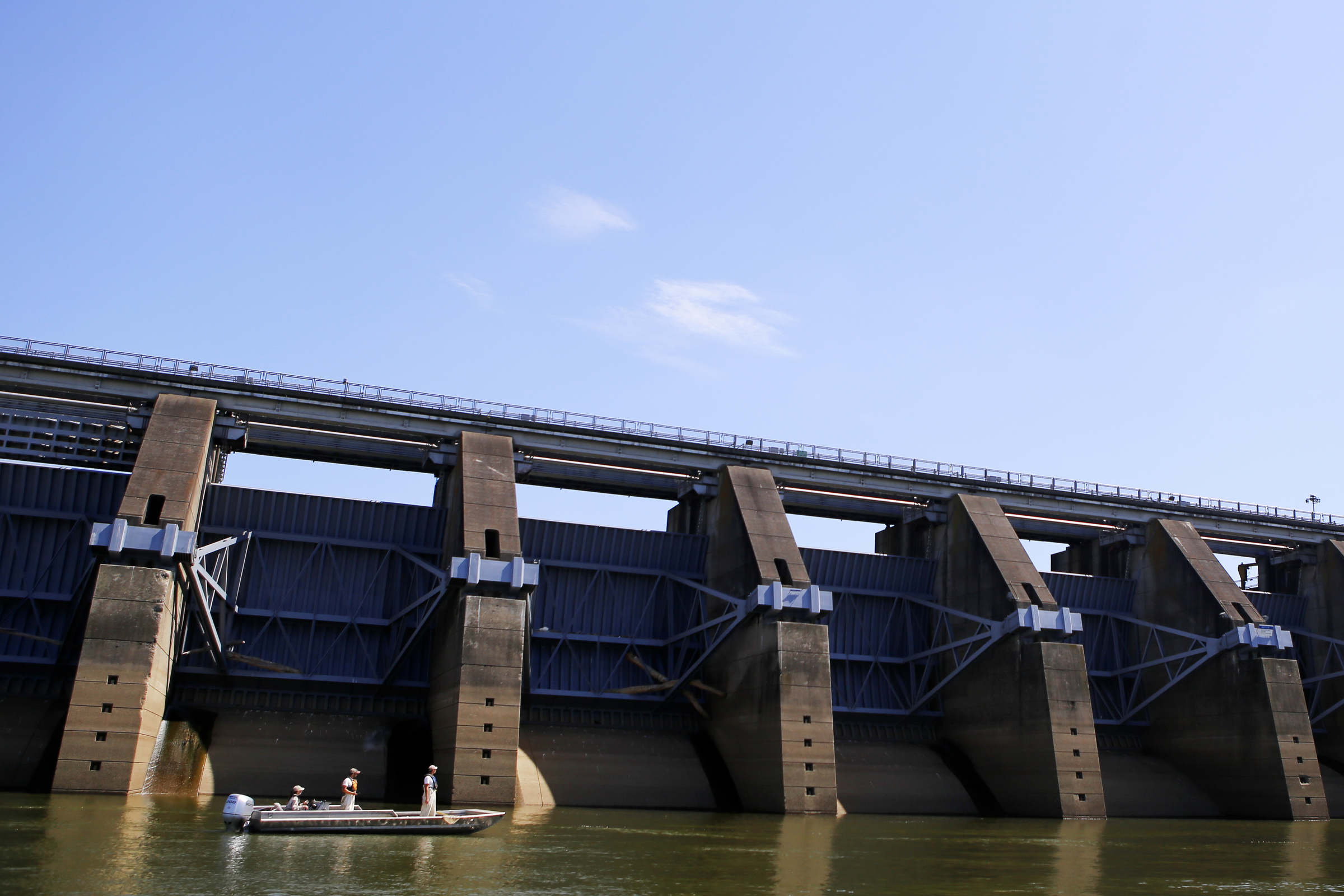
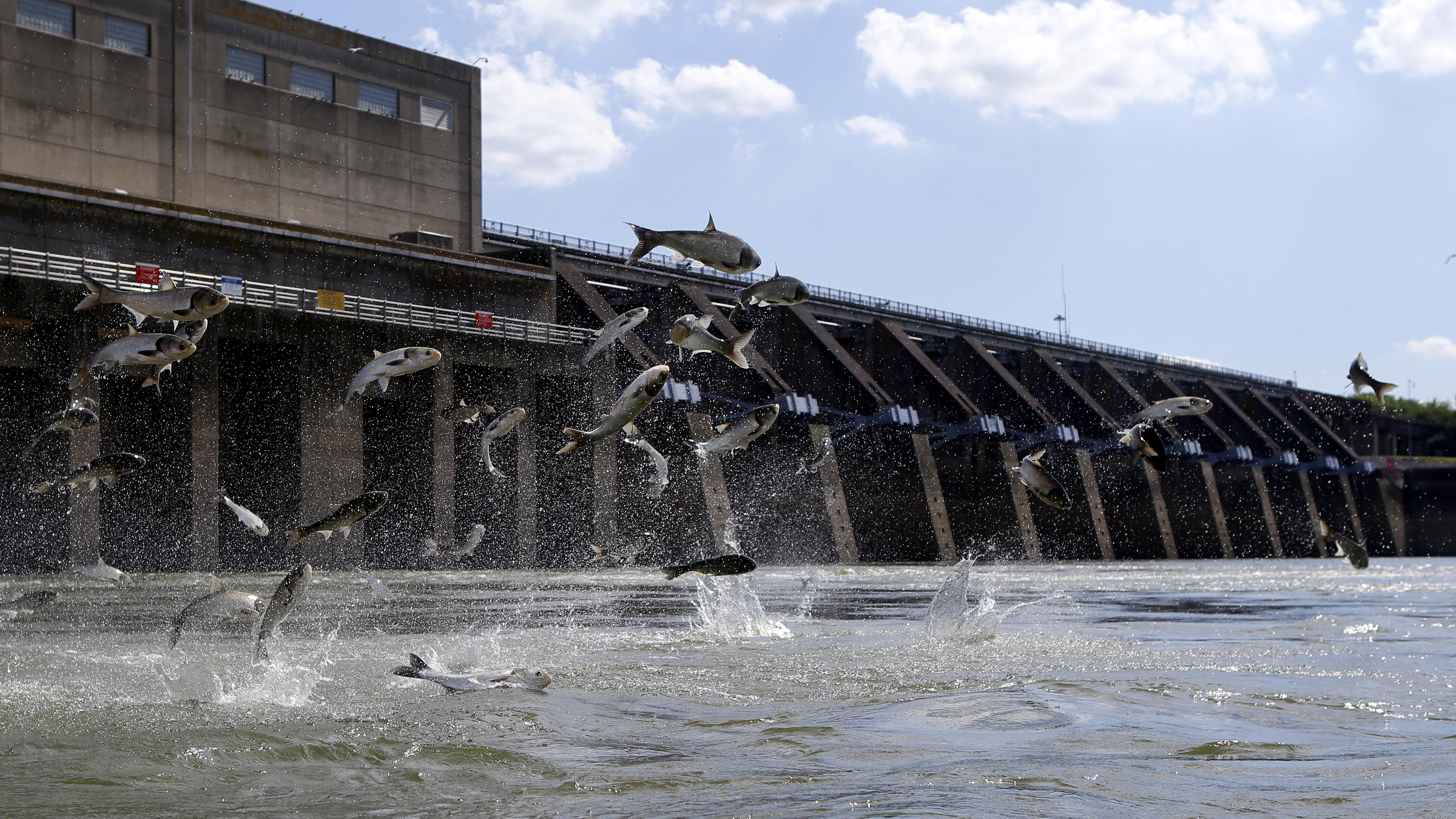
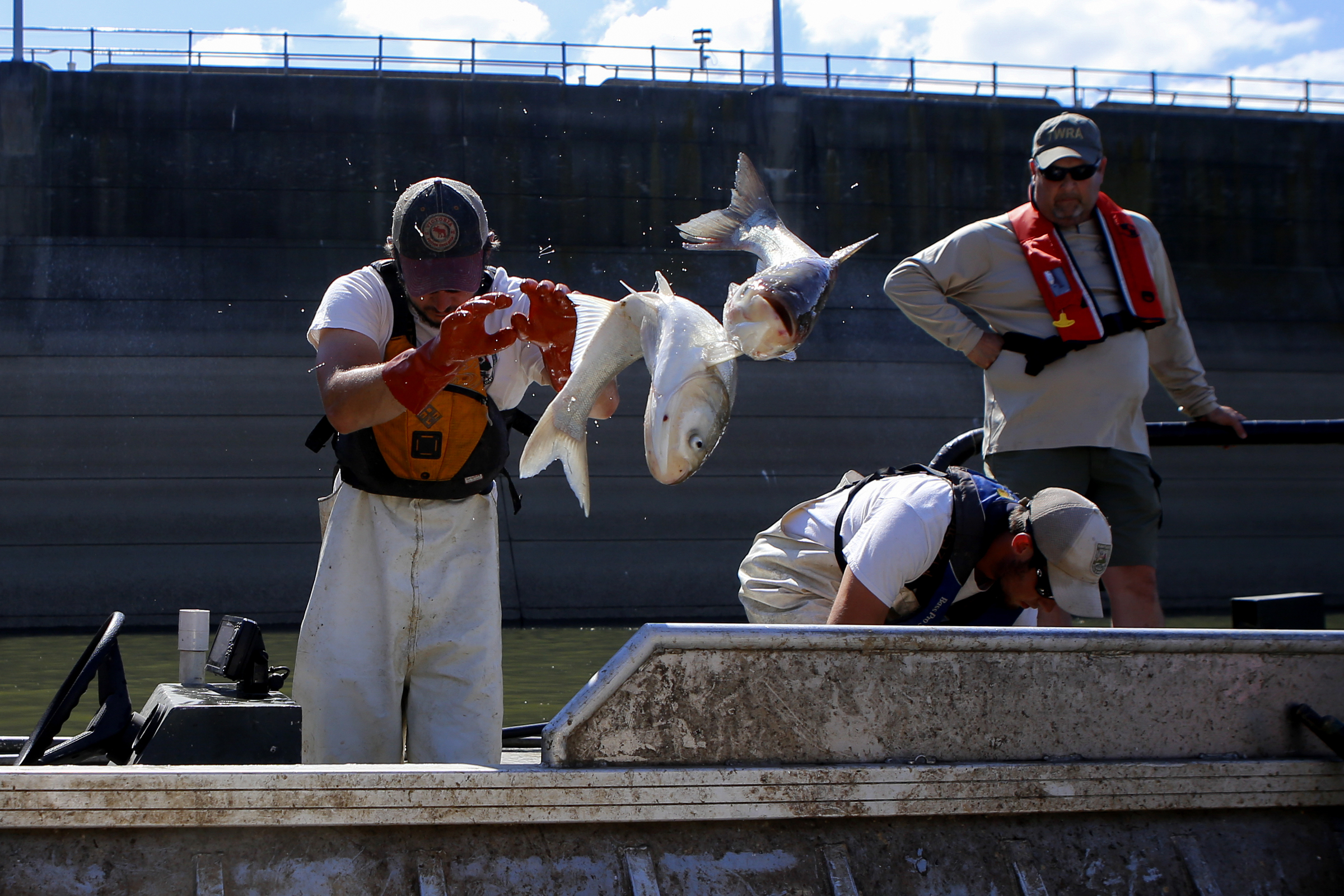
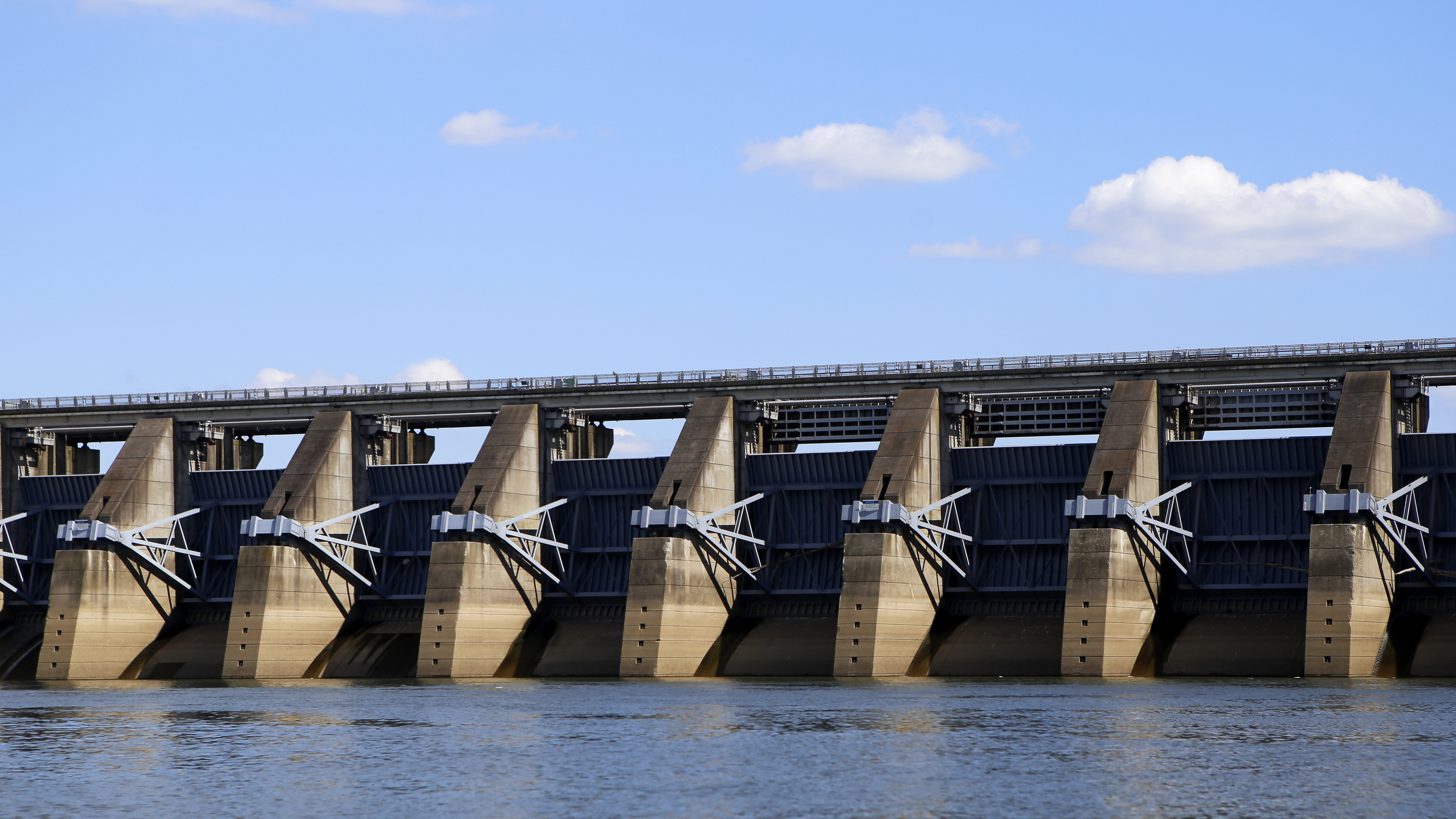
GRAND RIVERS, Ky. – Scores of fish jumped inside Western Kentucky’s Barkley Lock near the Tennessee border west of Clarksville.

Over and over, they threw their bodies into the air along the closed channel.

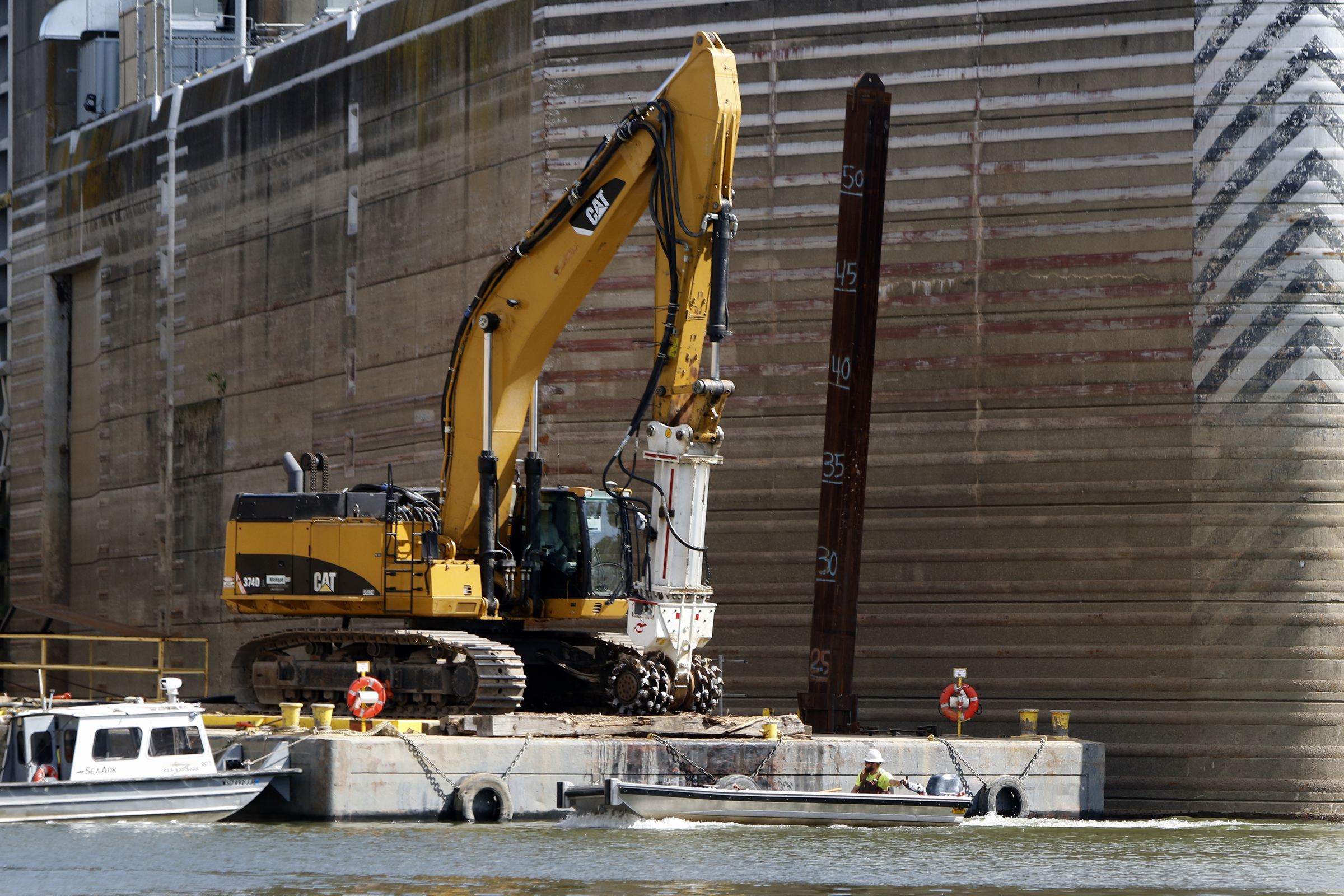
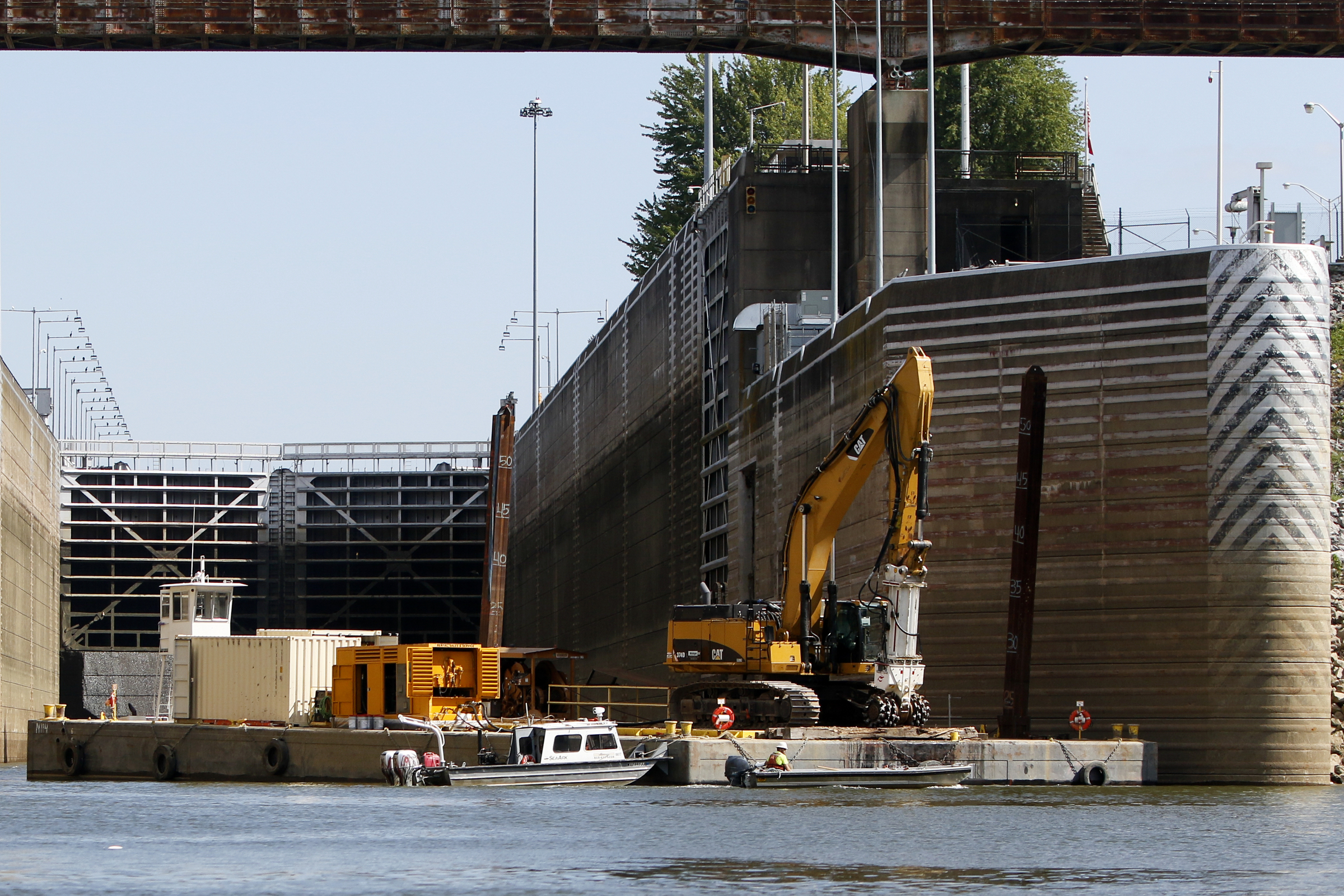
In the background, a crew rushed to complete a sound barrier designed to hold the fish at bay and from moving deeper into the Cumberland River system.

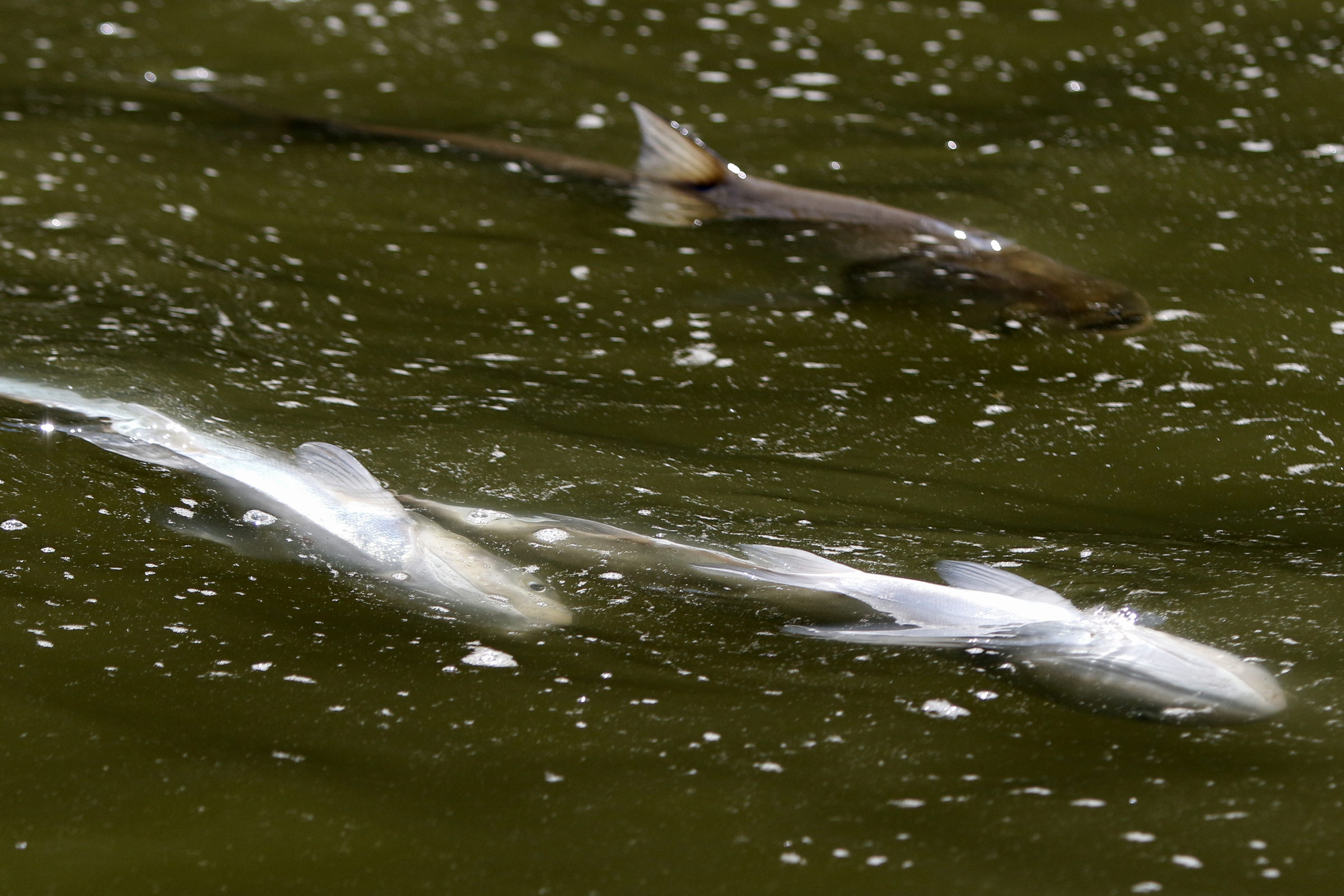
The fish are Asian carp, an invasive species whose growing population has migrated from the Ohio River into the Tennessee River, threatening the region’s renowned biodiversity, commercial fishing industry and posing a health risk to recreational boaters.

Day after day as the crew works, the constant sound of construction startles the fish, which spring from the water in response. It’s a constant reminder of what some biologists fear may be the greatest threat to the region’s freshwater.