
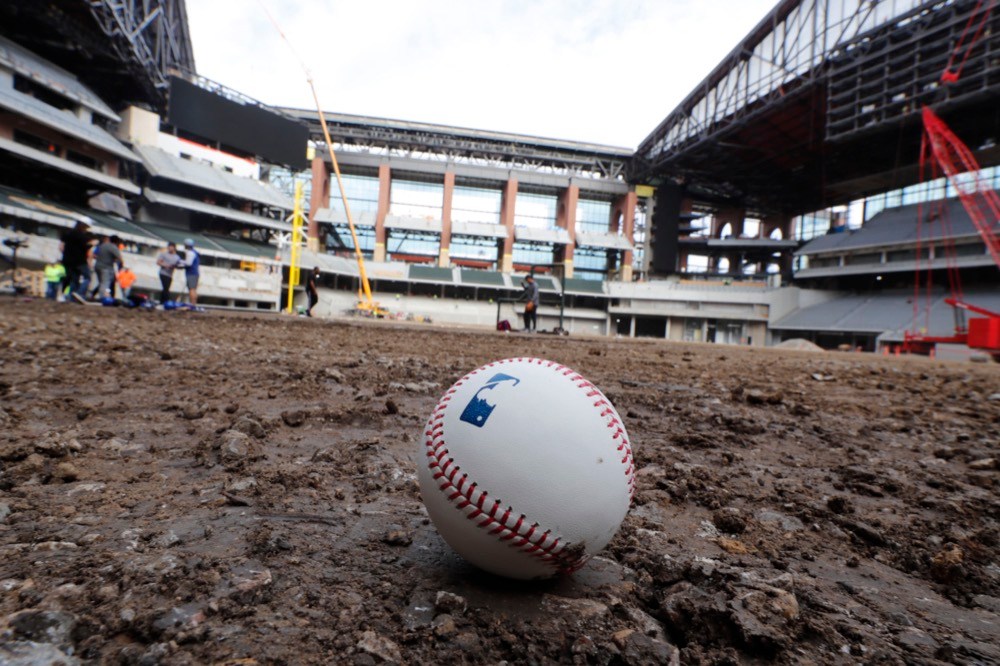
SAN DIEGO – Baseballs weren’t juiced during a record-setting 2019 regular season, according to a study commissioned by Major League Baseball.
They were just flying farther.
A four-person committee of scientists concluded baseballs this year had less drag on average than in previous seasons, contributing to a power surge that resulted in a record number of home runs. Their report released Wednesday blamed the spike on inconsistencies in the seam height of the baseballs, as well as “changes in player behavior.” Batters connected 6,776 times in the regular season, smashing the record of 6,105 set in 2017.
The committee said it did not find evidence that MLB intentionally altered baseballs and believes inconsistencies were due to “manufacturing variability.” The balls are hand-sewn by workers at Rawlings’ factory in Costa Rica.
“We have never been asked to juice or de-juice a baseball,” Rawlings president and CEO Michael Zlaket said. “And we’ve never done anything of the sort. Never would.”