
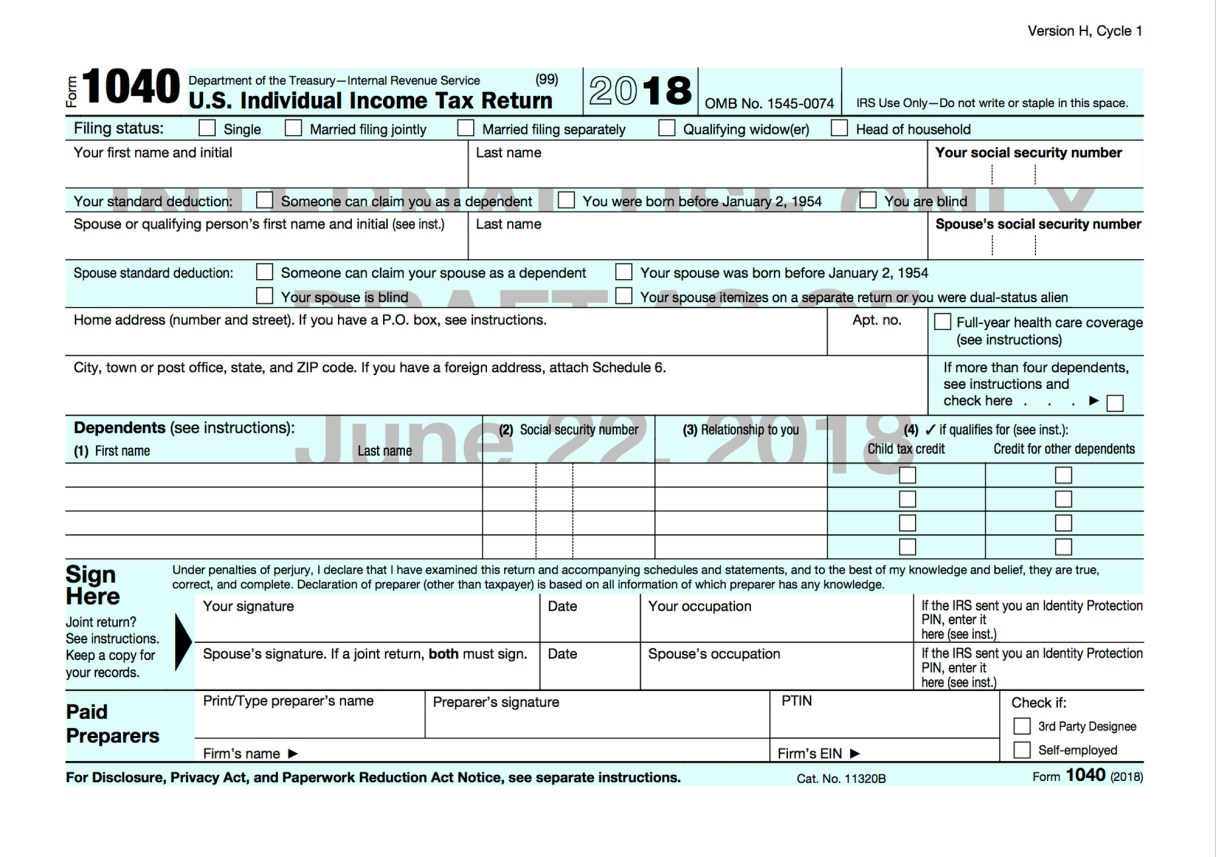
Q. I received a phone call from someone who claimed to be with the IRS (Internal Revenue Service) and he said I owed back taxes and if I didn’t pay right now the police were on the way, he was quite threatening. Does the BBB have any advice about how I should handle this type of call?
A. These calls can come in the form of a phone call, email or text message. “If you don’t pay, you’re going to jail. The police are coming to arrest you right now.” These are some of the things that people who have received the threatening tax scam phone call have heard. This scam reappears every tax season with a new spin on the same old con. Fraudsters pretend to be calling on behalf of the Internal Revenue Service (IRS) and demand payment for overdue taxes or try to gain access to your personal information.
 Jim Winsett of the BBB.
The IRS tax scam call is one of the most frequent scams we hear about at BBB. Although international law agencies have intervened, and even shut some of these call centers down, the scam is still very prevalent, especially with tax season approaching.
How Does This Scam Work?
This scam is most commonly performed via an unsolicited telephone call. The IRS ‘agent’ calls saying that you owe back taxes and proceeds to try and coerce you into paying fees via wire transfer or prepaid credit or debit cards. If you do not comply, the caller will threaten that you will be arrested, and claim that the police are on their way.