
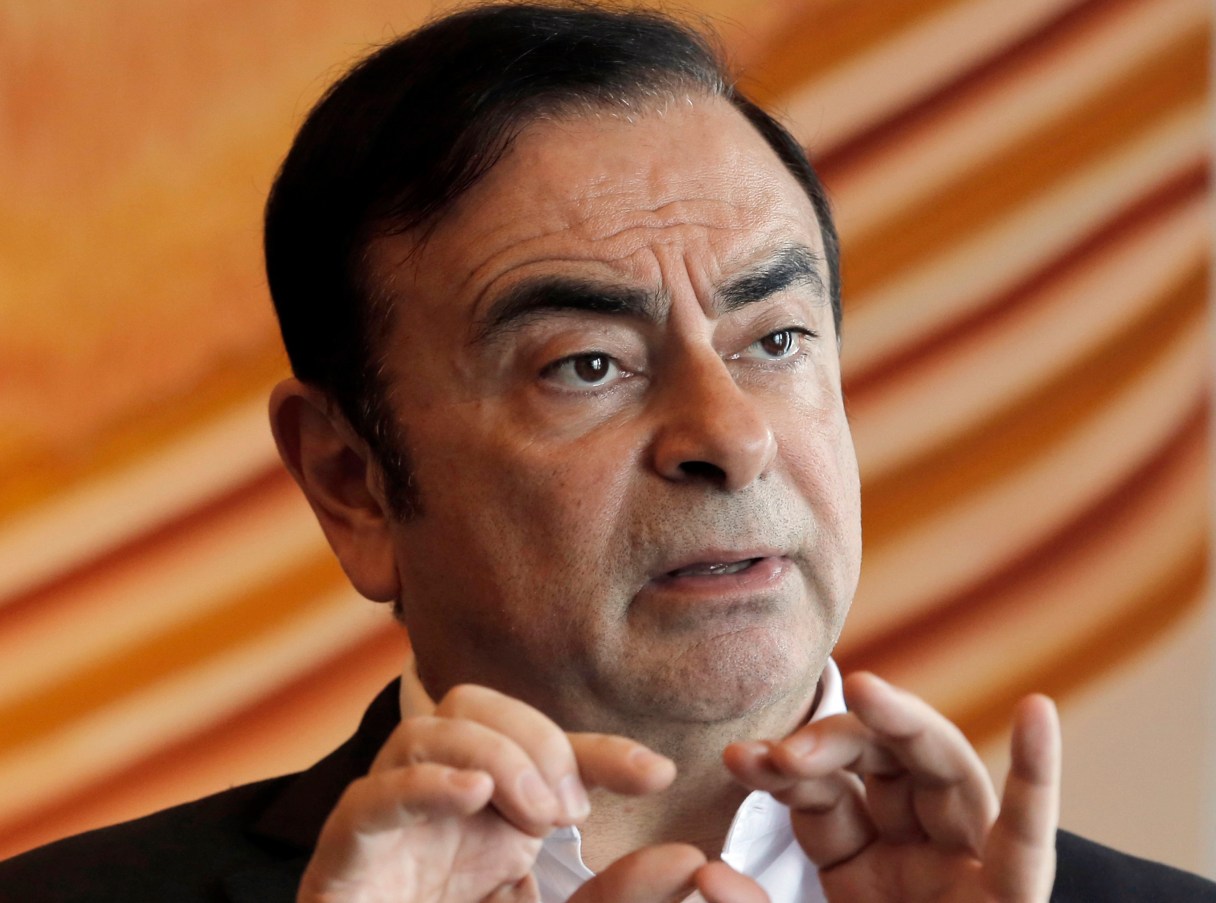
TOKYO – Carlos Ghosn and his lawyers are laying out the most comprehensive case yet for his innocence, nearly two months after his arrest shook the auto business and tarnished his reputation as an industry titan.
Still, it may not be enough to free him from jail for months, as prosecutors try to build a case against the ousted Nissan Motor chairman and onetime leader of an automaking juggernaut that builds more than 10 million cars annually.
Ghosn’s chief defense lawyer in Japan said on Tuesday that prosecutors had no basis for holding him in jail on allegations that he improperly transferred personal losses to Nissan’s books, saying that board members had approved the transactions.
Late Tuesday, that lawyer, Motonari Otsuru, submitted a request to the court to release Ghosn from detention on the grounds that Nissan did not ultimately bear any losses and that he was not a flight risk.
The moves came hours after Ghosn appeared in court on Tuesday, his first public appearance since his arrest on Nov. 19. Ghosn, 64, fought back against the allegations, which include charges that he failed to report his full compensation from Nissan in filings with regulators. He declared that he had “acted honorably, legally, and with the knowledge and approval of the appropriate executives inside the company.”