

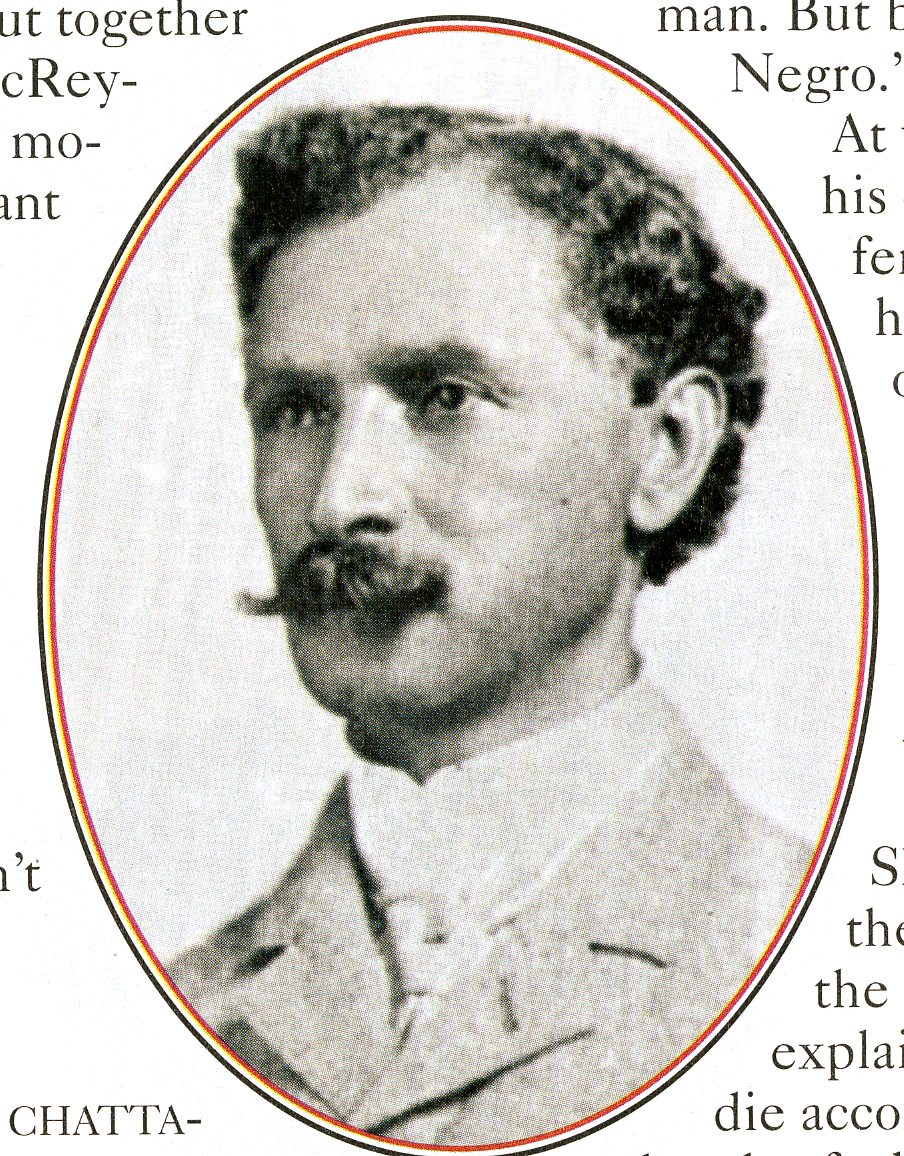
 Norah Parden practiced law in Chattanooga at the turn of the century.
(Editor’s note: Last of three parts)
Ed Johnson was found guilty of raping Nevada Taylor on Feb. 9, 1906. He continued to declare his innocence, but Johnson’s lawyer, W.G. Thomas, convinced him to waive his right to appeal, telling Johnson an appeal would be denied and a delay might result in a mob descending on the jail to lynch him.
Lawyer Lewis Shepherd contended an appeal for a new trial was warranted due to errors in the first trial. However, when Johnson told County Judge Samuel McReynolds he felt “everything possible had been done” for him, Shepherd was forced to end his efforts. Johnson was sentenced to hang on March 13.
The day after the sentencing, Johnson’s father visited lawyers Noah Parden and Styles Hutchins and asked them to take the case. Parden was reluctant. Though convinced of Johnson’s innocence, Parden feared the impact on their practice. Hutchins disagreed, invoking the biblical injunction: “To those whom much has been given, much is expected.” Parden reluctantly agreed.
On Feb. 13, Parden and Hutchins filed a motion for a new trial. Citing errors in the original trial, they contended his previous lawyers improperly abandoned him by convincing Johnson to waive his right to appeal. Judge McReynolds denied the request. Admonishing them, he asked, “What can two Negro lawyers do that the defendant’s previous lawyers were unable to achieve? … Do you think a Negro lawyer could possibly be smarter or know the law better than a white lawyer?”