
Thursday, October 29, 2026Oct 29

This story is free to read.

Census citizenship question could transform state elections

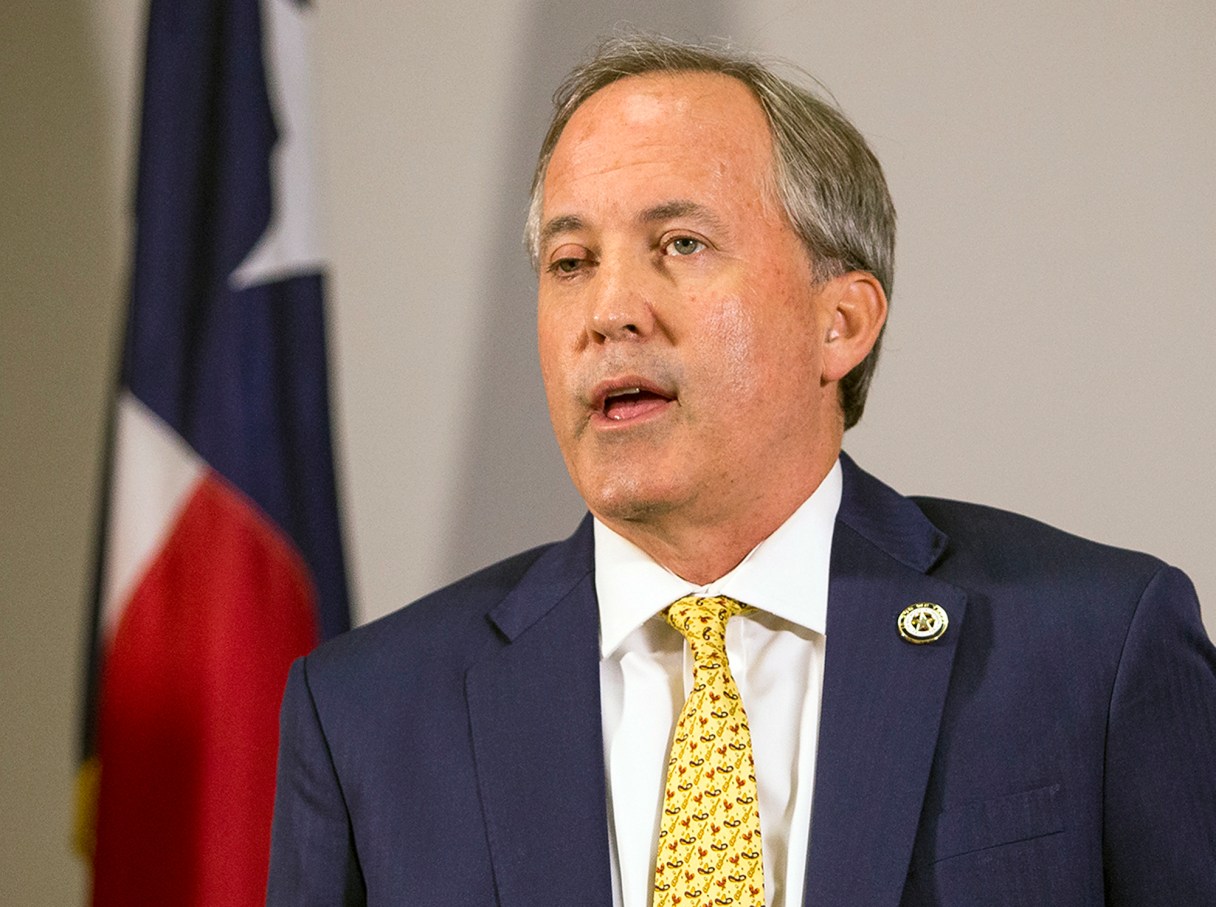
FILE - In this May 1, 2018, file photo, Texas Attorney General Ken Paxton speaks at a news conference in Austin, Texas. Computer files discovered in the home of Tom Hofeller , a Republican operative who died last year, contain a blueprint for how the GOP could extend its domination of legislatures in states where growing Latino populations favor Democrats and offer compelling context about a related case currently before the U.S. Supreme Court. Many of the state's top Republicans, including Paxton, have publicly expressed support for a citizenship question on the Census. (Nick Wagner/Austin American-Statesman via AP, File,)
FILE - In this May 1, 2018, file photo, Texas Attorney General Ken Paxton speaks at a news conference in Austin, Texas. Computer files discovered in the home of Tom Hofeller , a Republican operative who died last year, contain a blueprint for how the GOP could extend its domination of legislatures in states where growing Latino populations favor Democrats and offer compelling context about a related case currently before the U.S. Supreme Court. Many of the state's top Republicans, including Paxton, have publicly expressed support for a citizenship question on the Census. (Nick Wagner/Austin American-Statesman via AP, File,) FILE - In this May 1, 2018, file photo, Texas Attorney General Ken Paxton speaks at a news conference in Austin, Texas. Computer files discovered in the home of Tom Hofeller , a Republican operative who died last year, contain a blueprint for how the GOP could extend its domination of legislatures in states where growing Latino populations favor Democrats and offer compelling context about a related case currently before the U.S. Supreme Court. Many of the state's top Republicans, including Paxton, have publicly expressed support for a citizenship question on the Census. (Nick Wagner/Austin American-Statesman via AP, File,)

AUSTIN, Texas – Computer files discovered in the home of a Republican operative who died last year contain a blueprint for how the GOP could extend its domination of legislatures in states where growing Latino populations favor Democrats and offer compelling context about a related case currently before the U.S. Supreme Court.

The files from North Carolina redistricting expert Tom Hofeller include detailed calculations that lay out gains Republicans would see in Texas by basing legislative districts on the number of voting-age citizens rather than the total population. But he said that would be possible only if the Census asked every household about its members’ immigration status for the first time since 1950.

The U.S. Supreme Court is expected to rule on that question as early as next month. But Republicans who support adding the citizenship question have rarely acknowledged any partisan political motive. The emergence of the documents now could figure heavily in the case the court is considering.

To civil liberties lawyers suing to block the question, it’s now clear that partisan politics were at work all along. They assert in court filings that Hofeller not only laid out the political benefit for the GOP but also ghost-wrote a U.S. Department of Justice letter calling on the Census Bureau to add an immigration question to next year’s survey.

The Justice Department denied the allegations in a statement on Thursday, saying Hofeller’s Texas analysis “played no role in the Department’s December 2017 request to reinstate a citizenship question to the 2020 decennial census.” In that 2017 letter, Justice said it needed citizenship information to protect the voting rights of minorities.