
Friday, October 30, 2026Oct 30

This story is free to read.

Islamic State expands reach in Afghanistan, threatening West

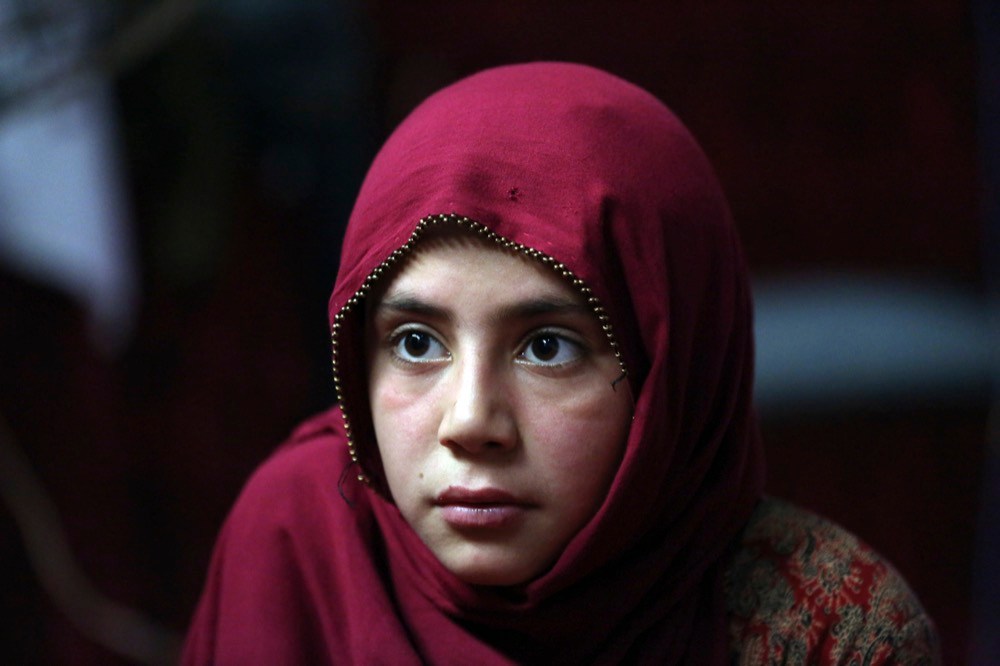
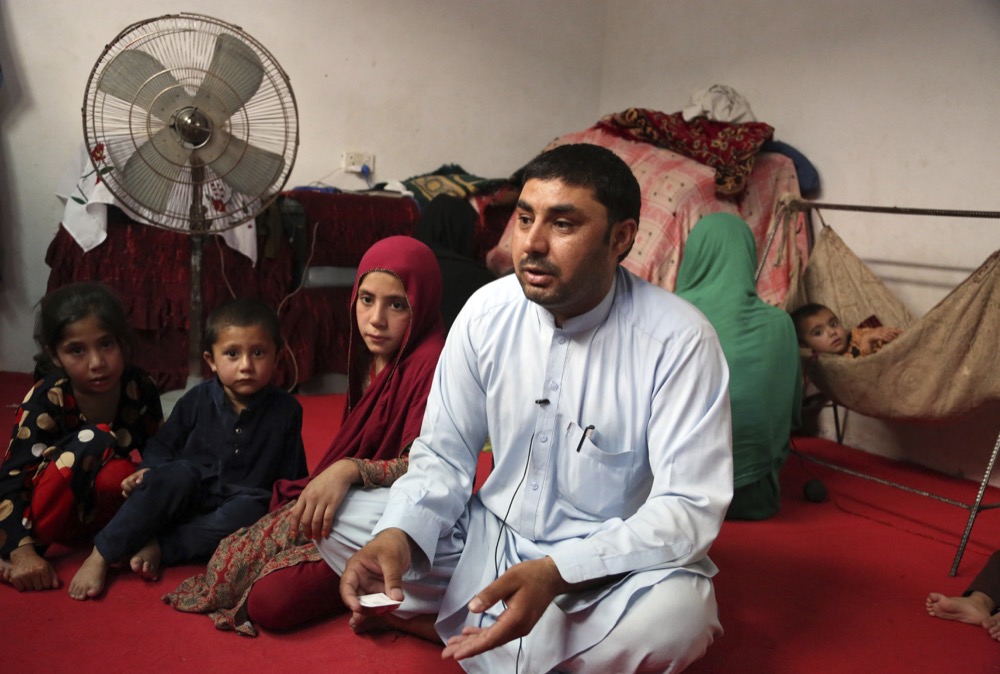
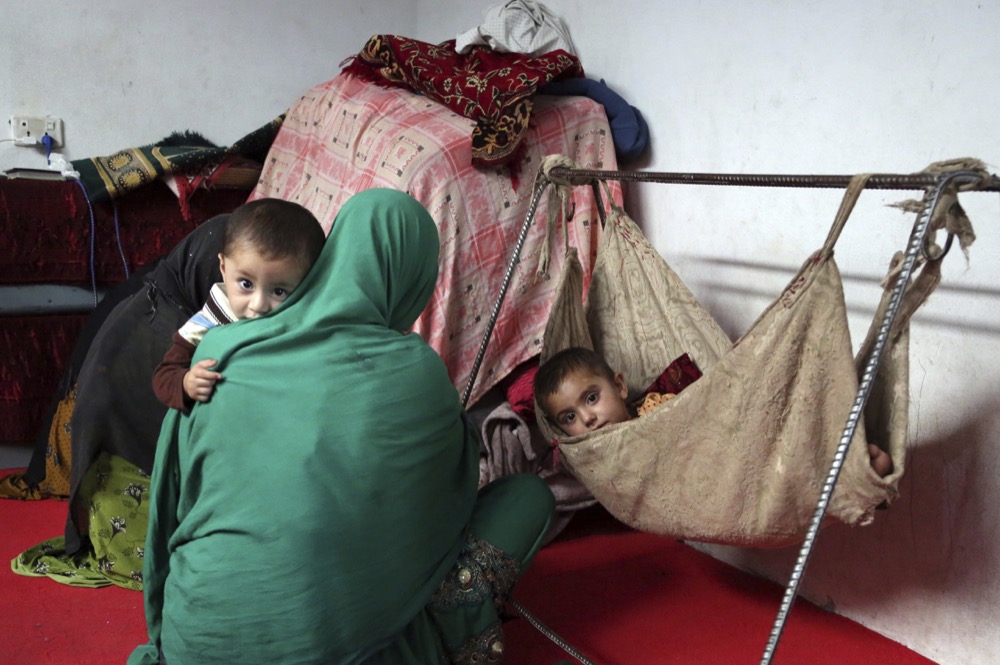
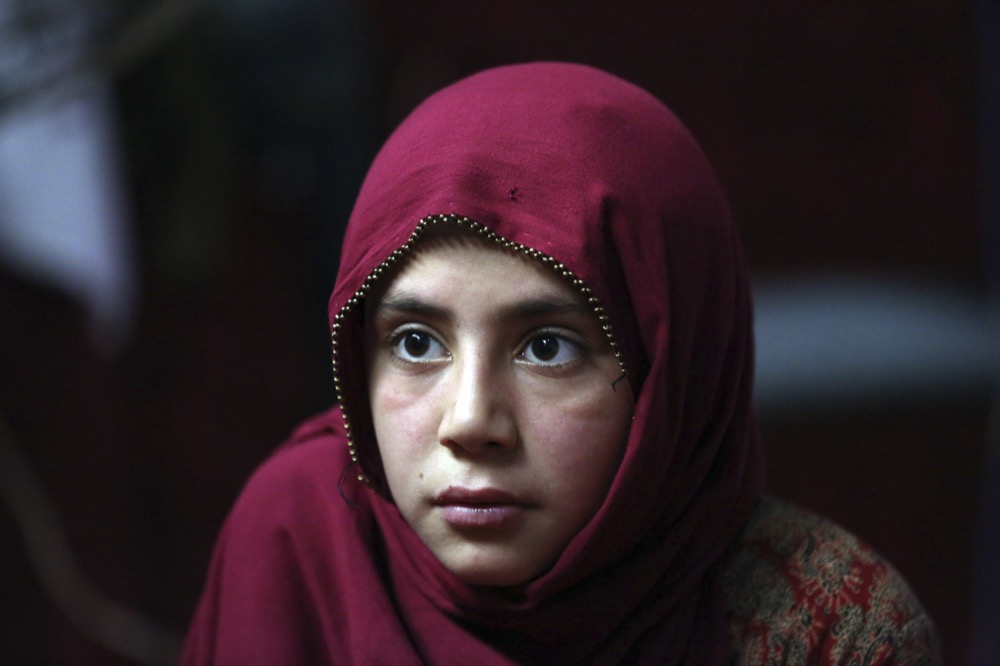
In this Thursday, May 30, 2019 photo, Shoghla, daughter of Farmanullah Shirzad  whose family fled their village in Nangarhar province in late April as Islamic State group fighters swept through the area, poses for a photograph in their temporary home in the city of Jalalabad east of Kabul, Afghanistan. The Islamic State group has lost its caliphate in Syria and Iraq, but in the forbidding mountains of northeastern Afghanistan the group is expanding its footprint, recruiting new fighters and plotting attacks in the United States and other Western countries. (AP Photo/Rahmat Gul)
In this Thursday, May 30, 2019 photo, Shoghla, daughter of Farmanullah Shirzad whose family fled their village in Nangarhar province in late April as Islamic State group fighters swept through the area, poses for a photograph in their temporary home in the city of Jalalabad east of Kabul, Afghanistan. The Islamic State group has lost its caliphate in Syria and Iraq, but in the forbidding mountains of northeastern Afghanistan the group is expanding its footprint, recruiting new fighters and plotting attacks in the United States and other Western countries. (AP Photo/Rahmat Gul) In this Thursday, May 30, 2019 photo, Shoghla, daughter of Farmanullah Shirzad whose family fled their village in Nangarhar province in late April as Islamic State group fighters swept through the area, poses for a photograph in their temporary home in the city of Jalalabad east of Kabul, Afghanistan. The Islamic State group has lost its caliphate in Syria and Iraq, but in the forbidding mountains of northeastern Afghanistan the group is expanding its footprint, recruiting new fighters and plotting attacks in the United States and other Western countries. (AP Photo/Rahmat Gul)

JALALABAD, Afghanistan (AP) – The Islamic State group has lost its caliphate in Syria and Iraq, but in the forbidding mountains of northeastern Afghanistan the group is expanding its footprint, recruiting new fighters and plotting attacks on the United States and other Western countries, according to U.S. and Afghan security officials.

Nearly two decades after the U.S.-led invasion, the extremist group is seen as an even greater threat than the Taliban because of its increasingly sophisticated military capabilities and its strategy of targeting civilians, both in Afghanistan and abroad. Concerns run so deep that many have come to see the Taliban, which have also clashed with IS, as a potential partner in containing it.

A U.S. intelligence official based in Afghanistan told The Associated Press that a recent wave of attacks in the capital, Kabul, is “practice runs” for even bigger attacks in Europe and the United States.

“This group is the most near-term threat to our homelands from Afghanistan,” the official said on condition of anonymity to preserve his operational security. “The IS core mandate is: You will conduct external attacks” in the U.S. and Europe. “That is their goal. It’s just a matter of time,” he said. “It is very scary.”

Bruce Hoffman, director of the Center for Security Studies at Georgetown University, sees Afghanistan as a possible new base for IS now that it has been driven from Iraq and Syria. “ISIS has invested a disproportionate amount of attention and resources in Afghanistan,” he said, pointing to “huge arms stockpiling” in the east.