
Thursday, October 29, 2026Oct 29

This story is free to read.

Alabama sets new execution date for sword-and-dagger slaying of pastor

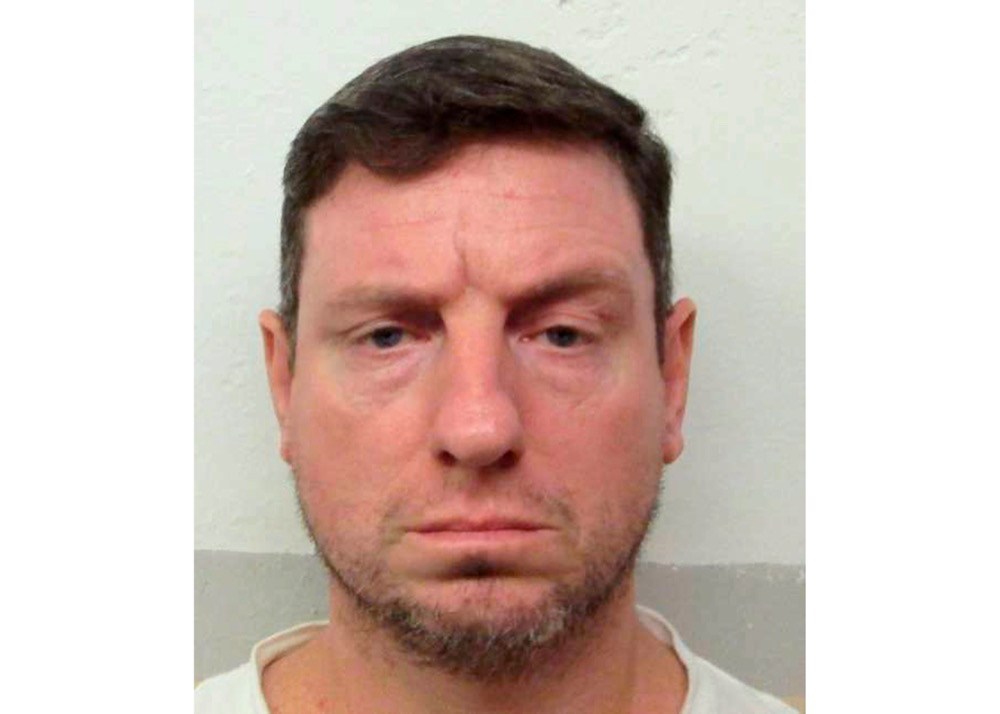
This undated photo provided by the Alabama Department of Corrections shows Christopher Lee Price. An appellate court won't halt Price's upcoming lethal injection, who had asked to be put to death with nitrogen gas. The 11th U.S. Circuit Court of Appeals on Thursday, April 10, 2019 denied his execution stay. (Alabama Department of Corrections via AP)
This undated photo provided by the Alabama Department of Corrections shows Christopher Lee Price. An appellate court won't halt Price's upcoming lethal injection, who had asked to be put to death with nitrogen gas. The 11th U.S. Circuit Court of Appeals on Thursday, April 10, 2019 denied his execution stay. (Alabama Department of Corrections via AP) This undated photo provided by the Alabama Department of Corrections shows Christopher Lee Price. An appellate court won't halt Price's upcoming lethal injection, who had asked to be put to death with nitrogen gas. The 11th U.S. Circuit Court of Appeals on Thursday, April 10, 2019 denied his execution stay. (Alabama Department of Corrections via AP)

MONTGOMERY, Ala. (AP) – The Alabama Supreme Court has set a new lethal injection date for a man convicted in the 1991 sword-and-dagger slaying of a pastor.

The Alabama Supreme Court scheduled Christopher Lee Price’s lethal injection for May 30. Price was set to be executed last month but the state death warrant expired at midnight before a divided U.S. Supreme Court lifted a stay that blocked the lethal injection.

State justices set a new execution date even though a federal judge had scheduled a June trial to hear Price’s challenge to Alabama’s lethal injection process.

The judge on Wednesday denied his requests for a stay of execution or to move up the trial date. However, the judge asked Alabama to respond to Price’s request to prohibit the state from administering a paralytic agent, which is the second drug in the state’s three-drug combination, during his lethal injection.

His attorneys said the first drug, a sedative called midazolam, doesn’t guarantee unconsciousness and a second drug, a paralytic, needlessly increase pain by adding “an unnecessary suffocation element.”