
Friday, October 30, 2026Oct 30

This story is free to read.

Colombian conservationist breeds rare frogs to undermine animal traffickers

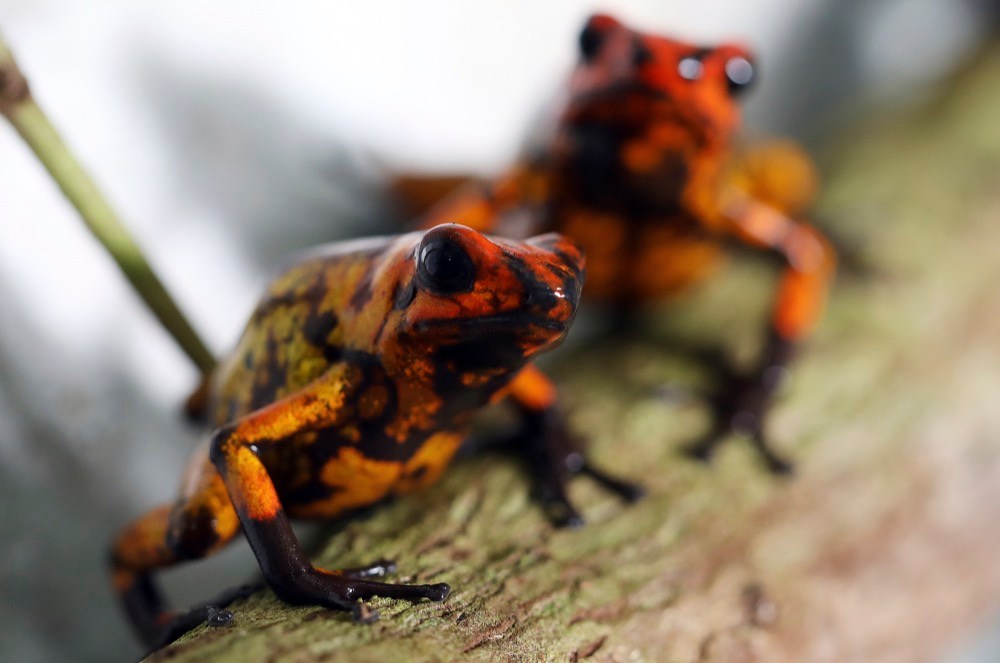
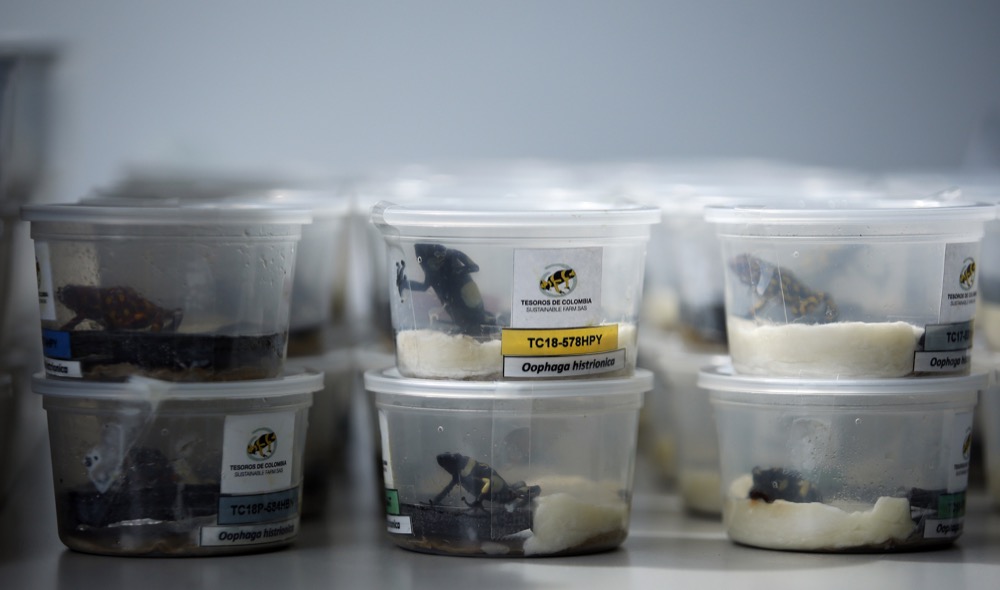
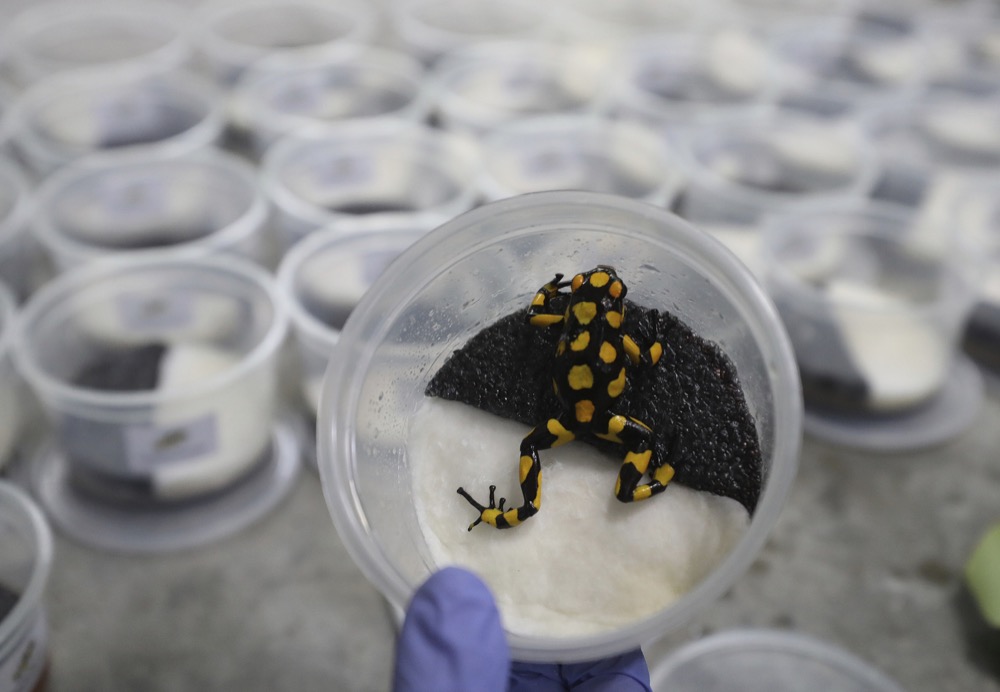
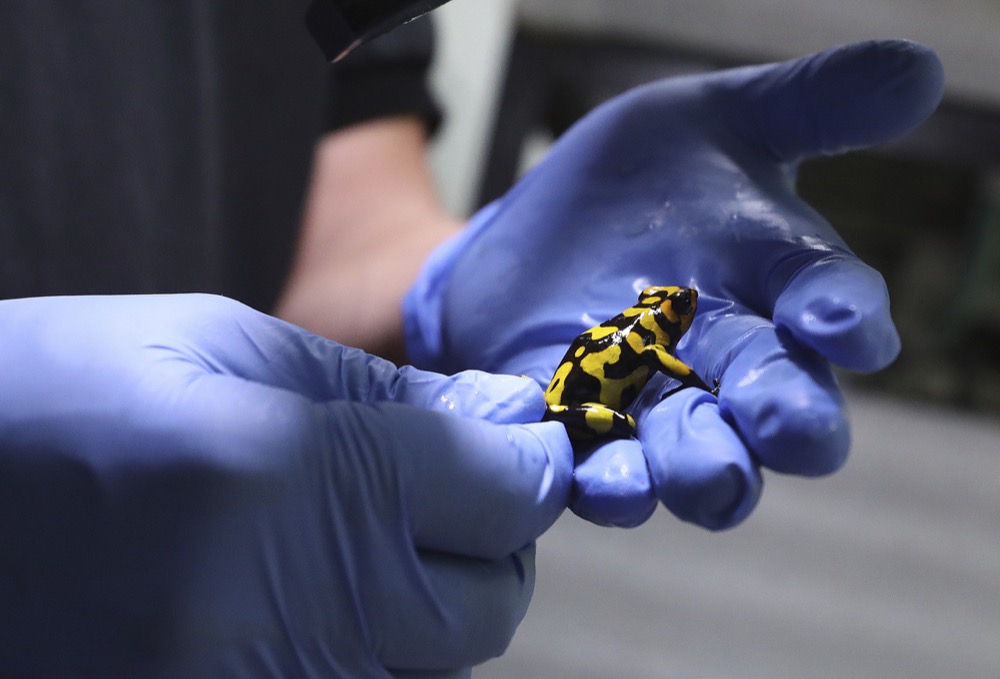
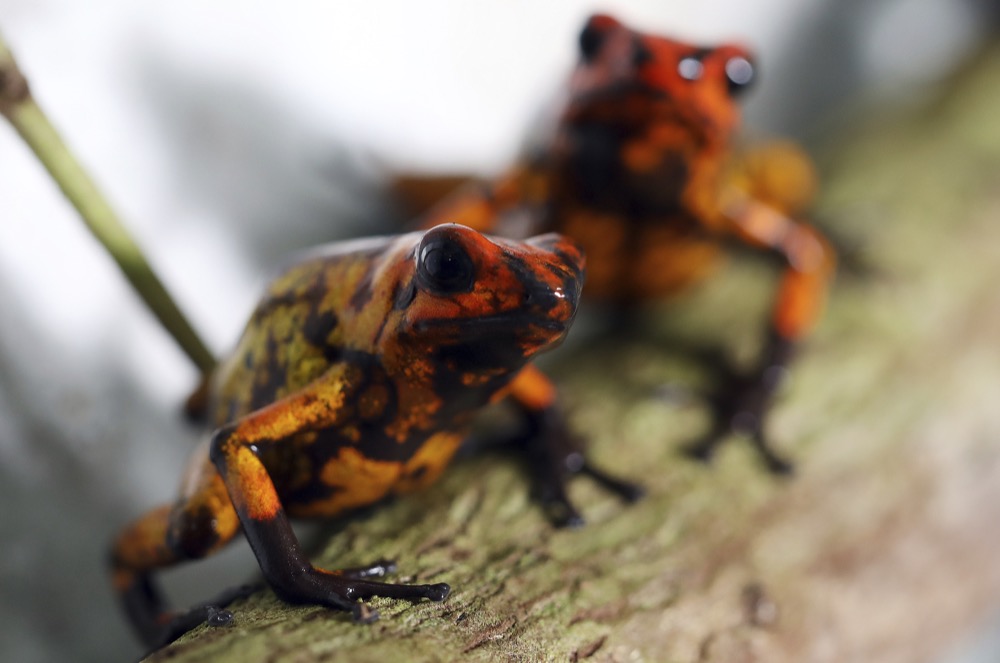
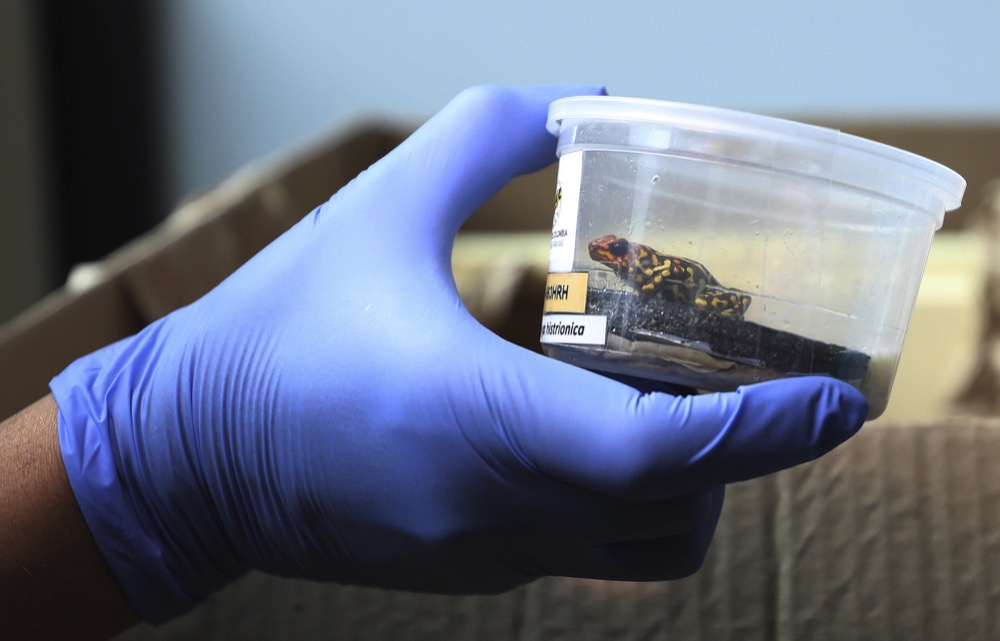
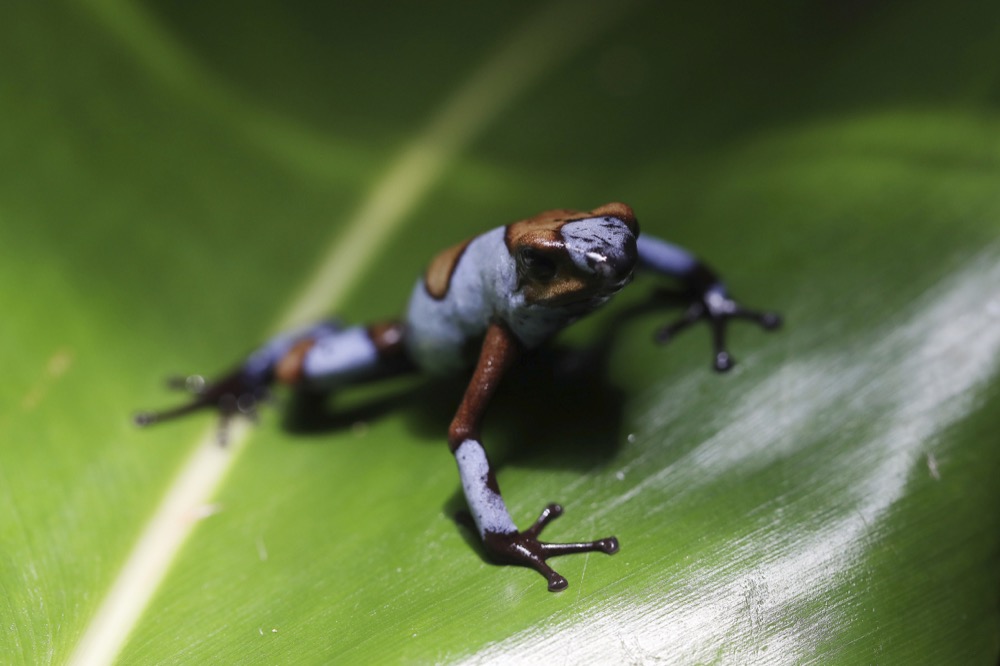
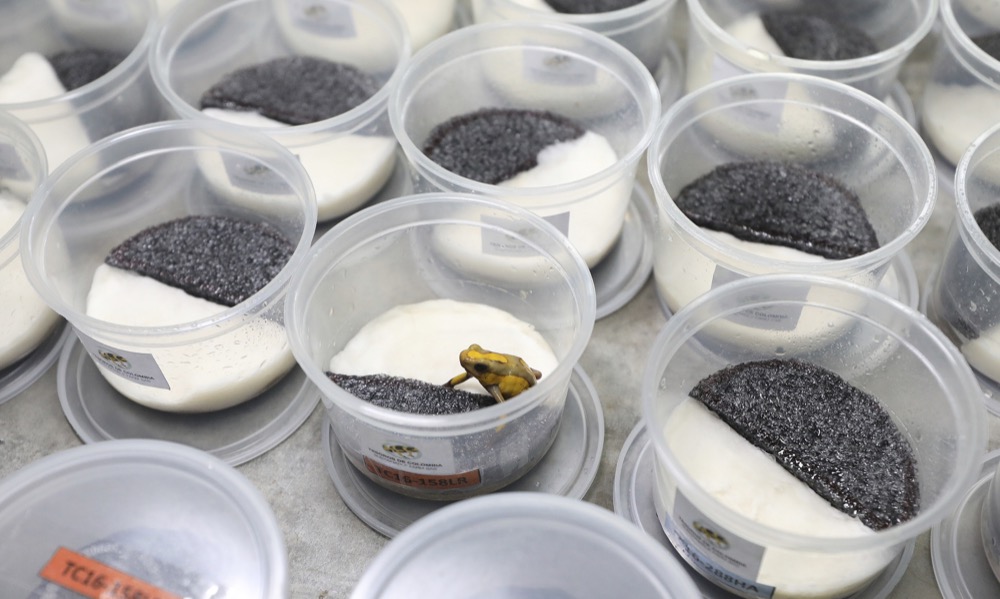
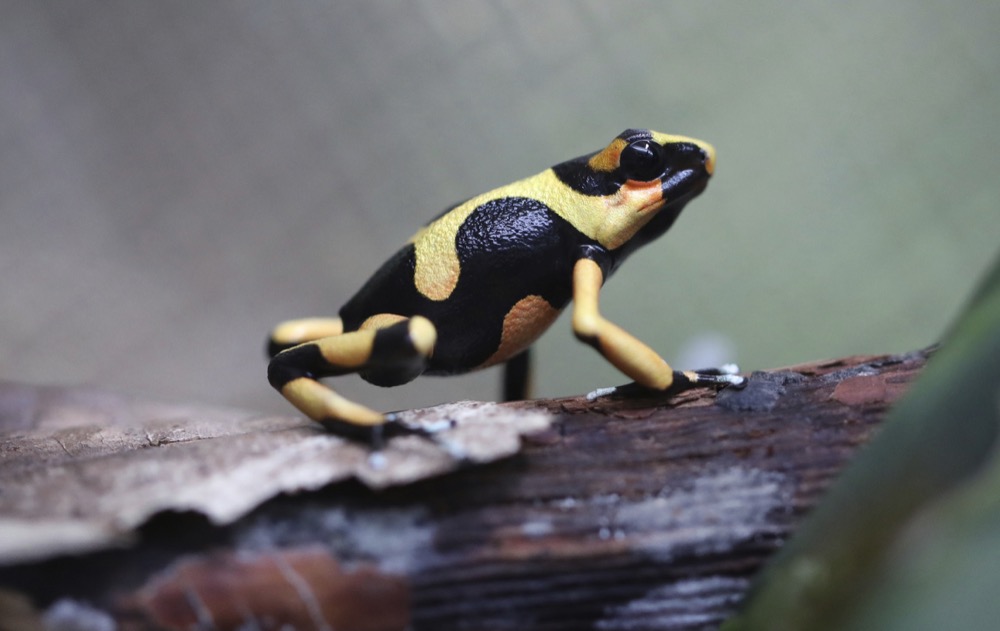
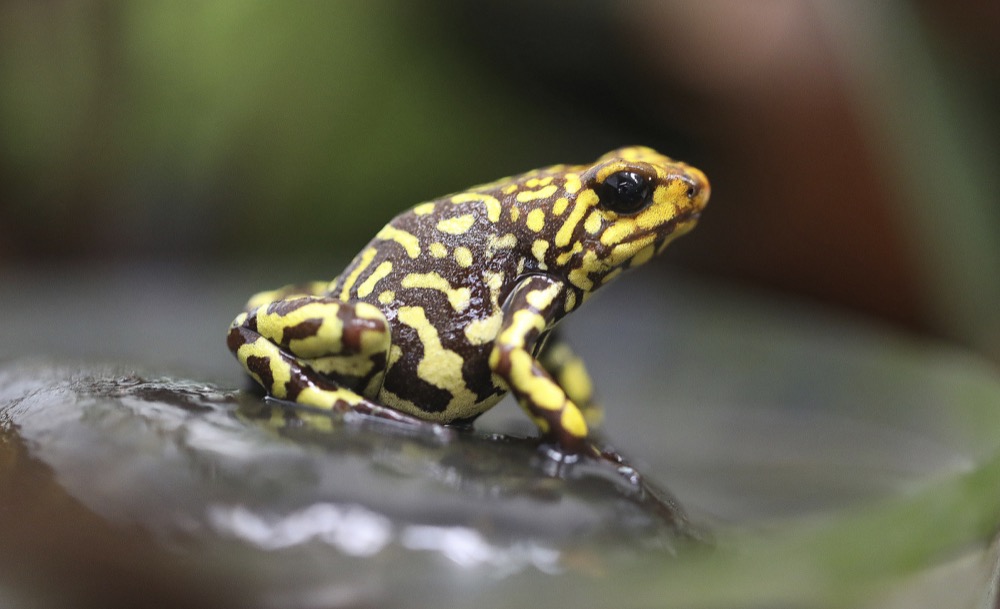
Oophaga histrionica red head frogs stand inside the glass container where they are bred at the “Tesoros de Colombia” frog breeding center in Cundinamarca, Colombia, Tuesday, April 23, 2019. According to Julio Rodriguez, an experienced New York City collector, since “Tesoros de Colombia” began exporting to the U.S. the price tag for the histrionicas dropped by 50 percent. (AP Photo/Fernando Vergara)
Oophaga histrionica red head frogs stand inside the glass container where they are bred at the “Tesoros de Colombia” frog breeding center in Cundinamarca, Colombia, Tuesday, April 23, 2019. According to Julio Rodriguez, an experienced New York City collector, since “Tesoros de Colombia” began exporting to the U.S. the price tag for the histrionicas dropped by 50 percent. (AP Photo/Fernando Vergara) Oophaga histrionica red head frogs stand inside the glass container where they are bred at the “Tesoros de Colombia” frog breeding center in Cundinamarca, Colombia, Tuesday, April 23, 2019. According to Julio Rodriguez, an experienced New York City collector, since “Tesoros de Colombia” began exporting to the U.S. the price tag for the histrionicas dropped by 50 percent. (AP Photo/Fernando Vergara)

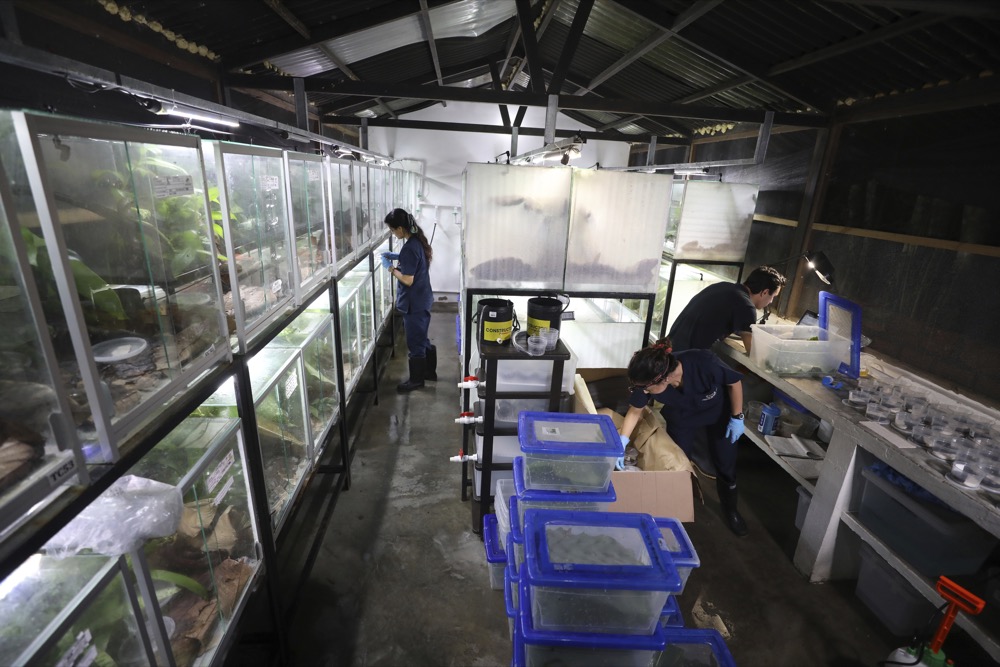
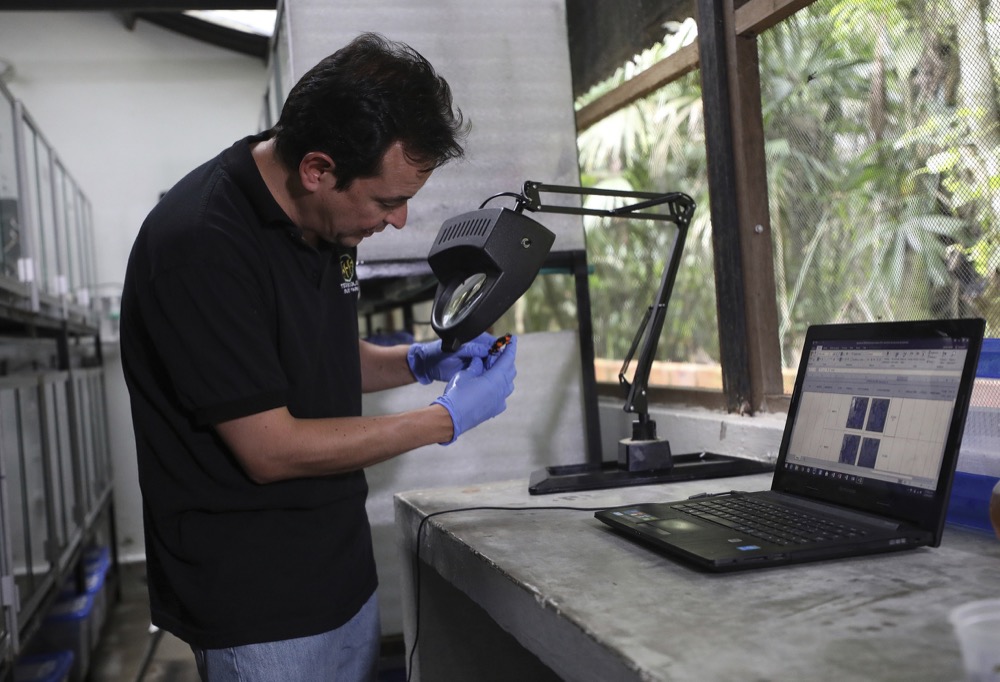
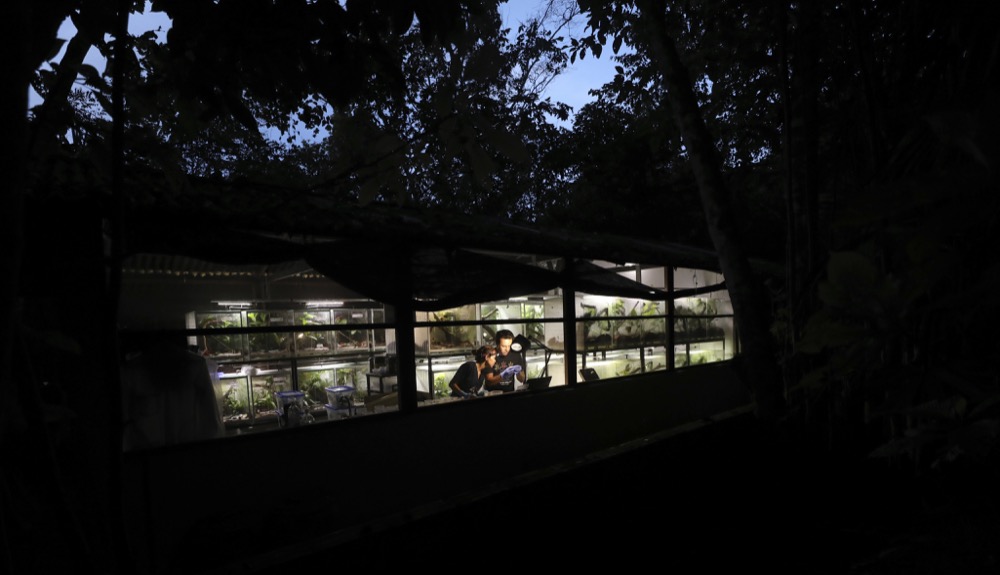
NOCAIMA, Colombia (AP) – In a small farmhouse surrounded by cloud forest, Iván Lozano inspects dozens of glass containers that hold some of the world’s most coveted frogs.

The conservationist has been fighting the illegal trade in rare tropical frogs for years, risking his life and his checkbook to save the brightly colored, poisonous amphibians whose population in the wild is dwindling.

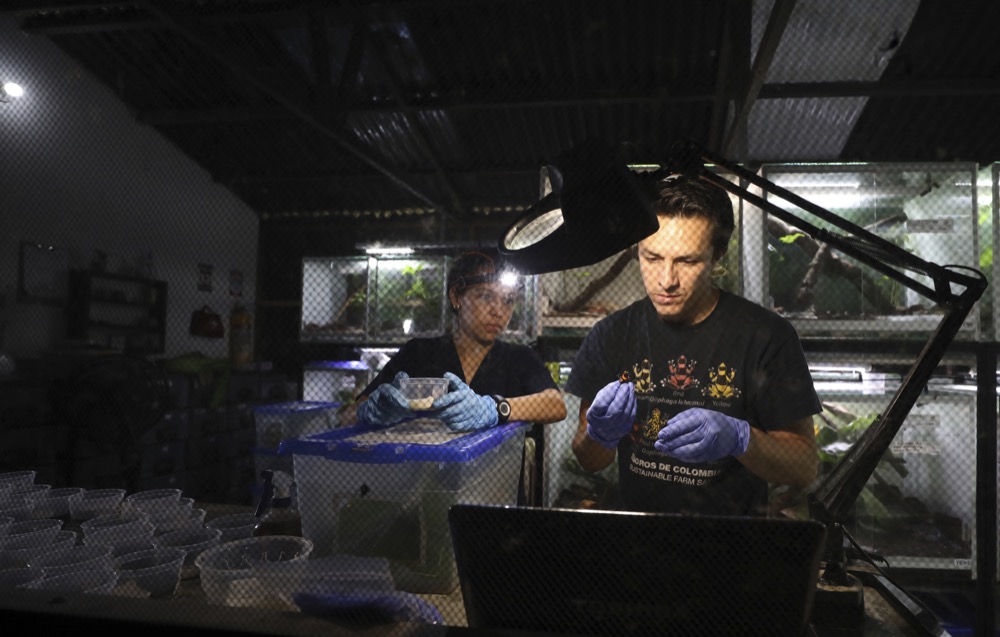
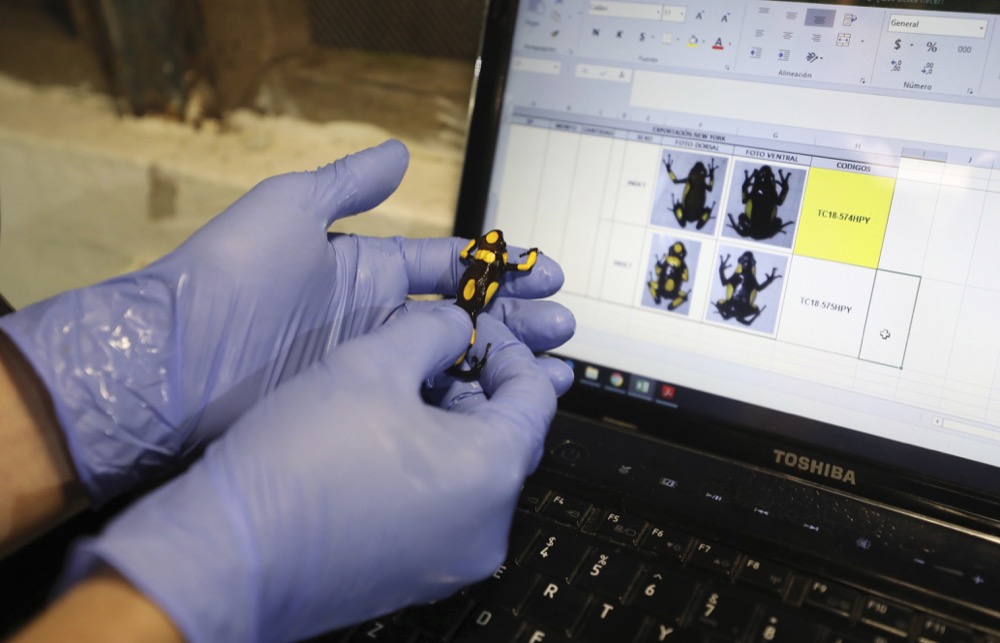
But Lozano doesn’t hunt down poachers and smugglers. He’s trying to undermine them by breeding exotic frogs legally and selling them at lower prices than specimens plucked by traffickers from Colombia’s jungles. His frog-breeding center, Treasures of Colombia, is among a handful of conservation programs around the world that are trying to curtail the trafficking of wild animals by providing enthusiasts with a more eco-friendly alternative: specimens bred in captivity.

“We can’t control the fact that in some countries it is legal to own these animals,” Lozano said. “But we want to make sure that collectors buy animals that are raised in captivity and are legally exported.”

Lozano’s efforts to replace illegally captured poison dart frogs have made him well known among collectors in the United States, who are increasingly seeking legally traded specimens.