
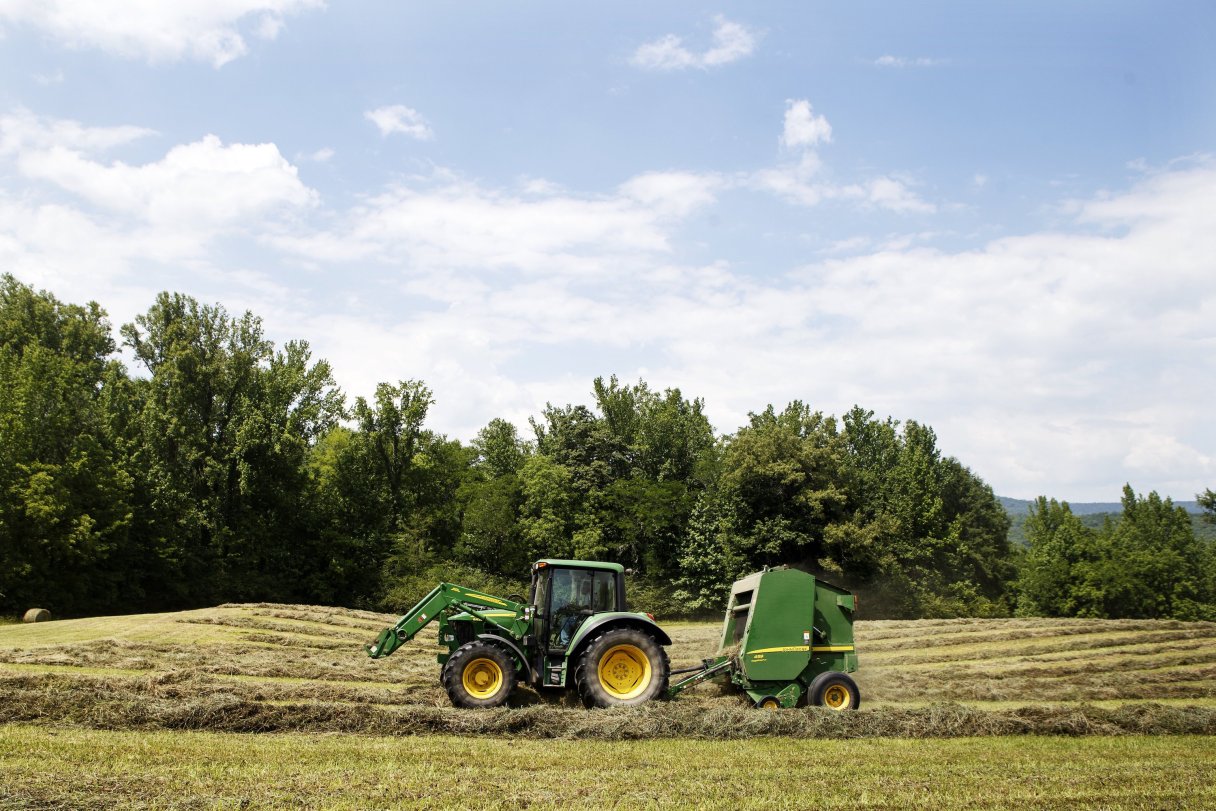
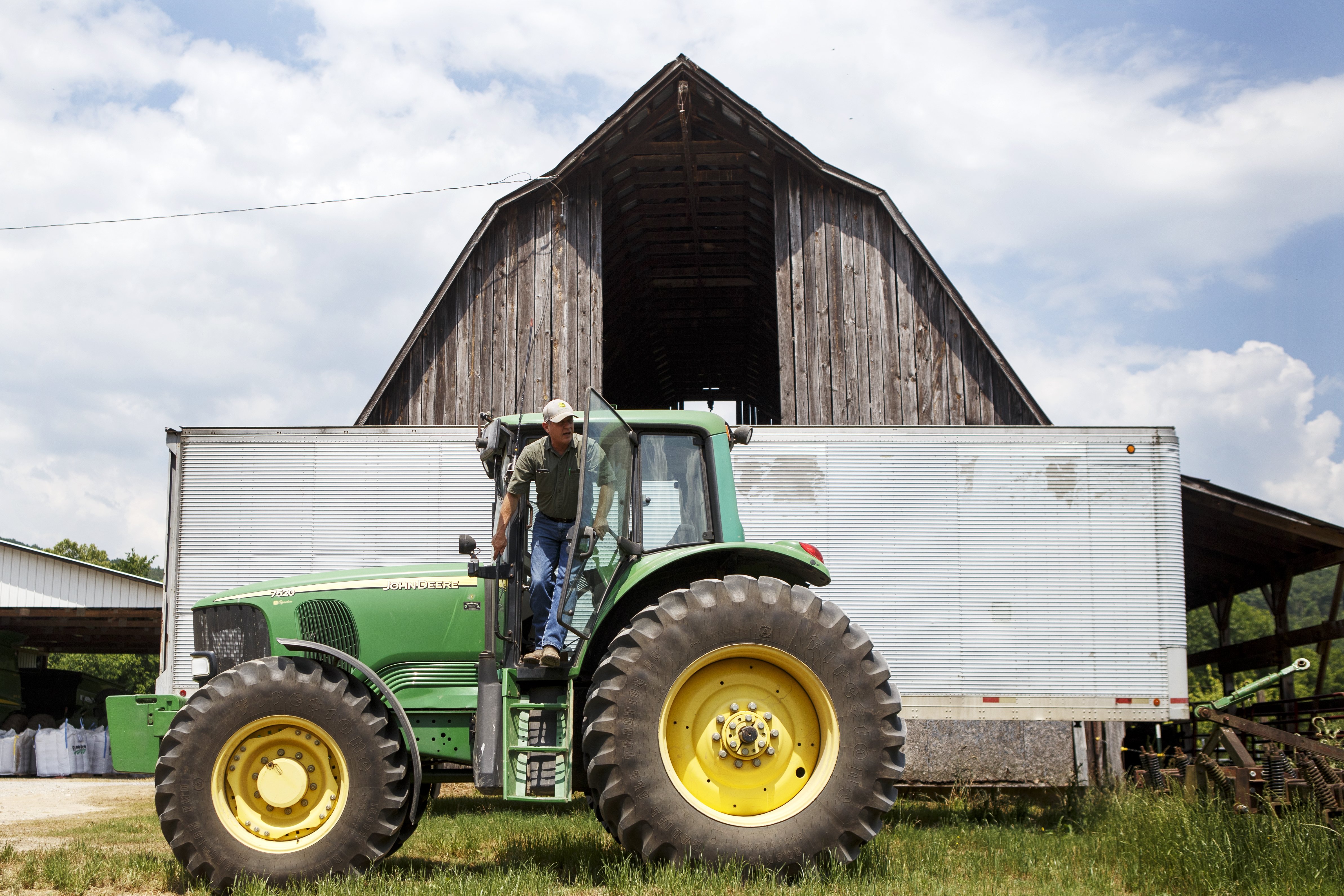
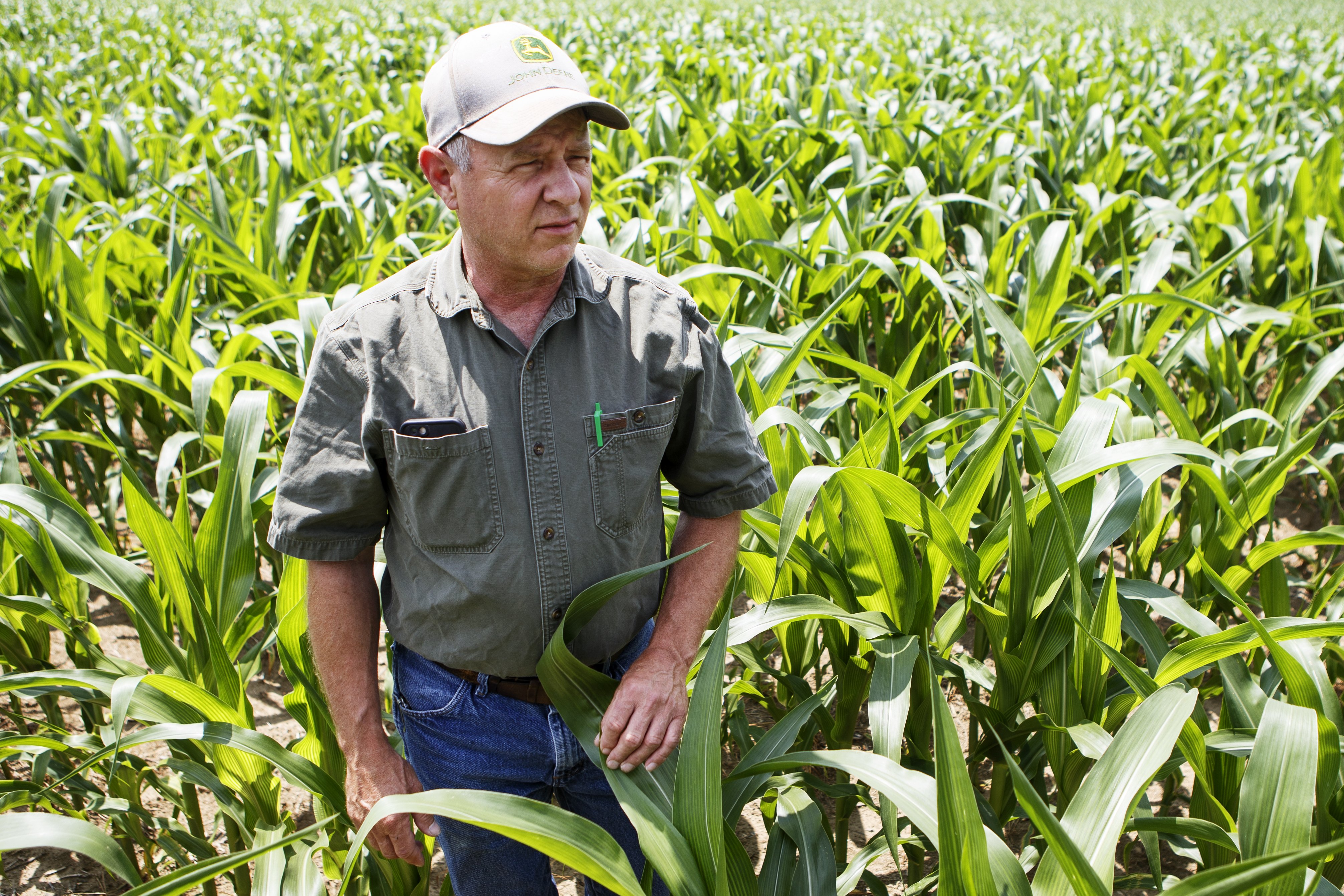
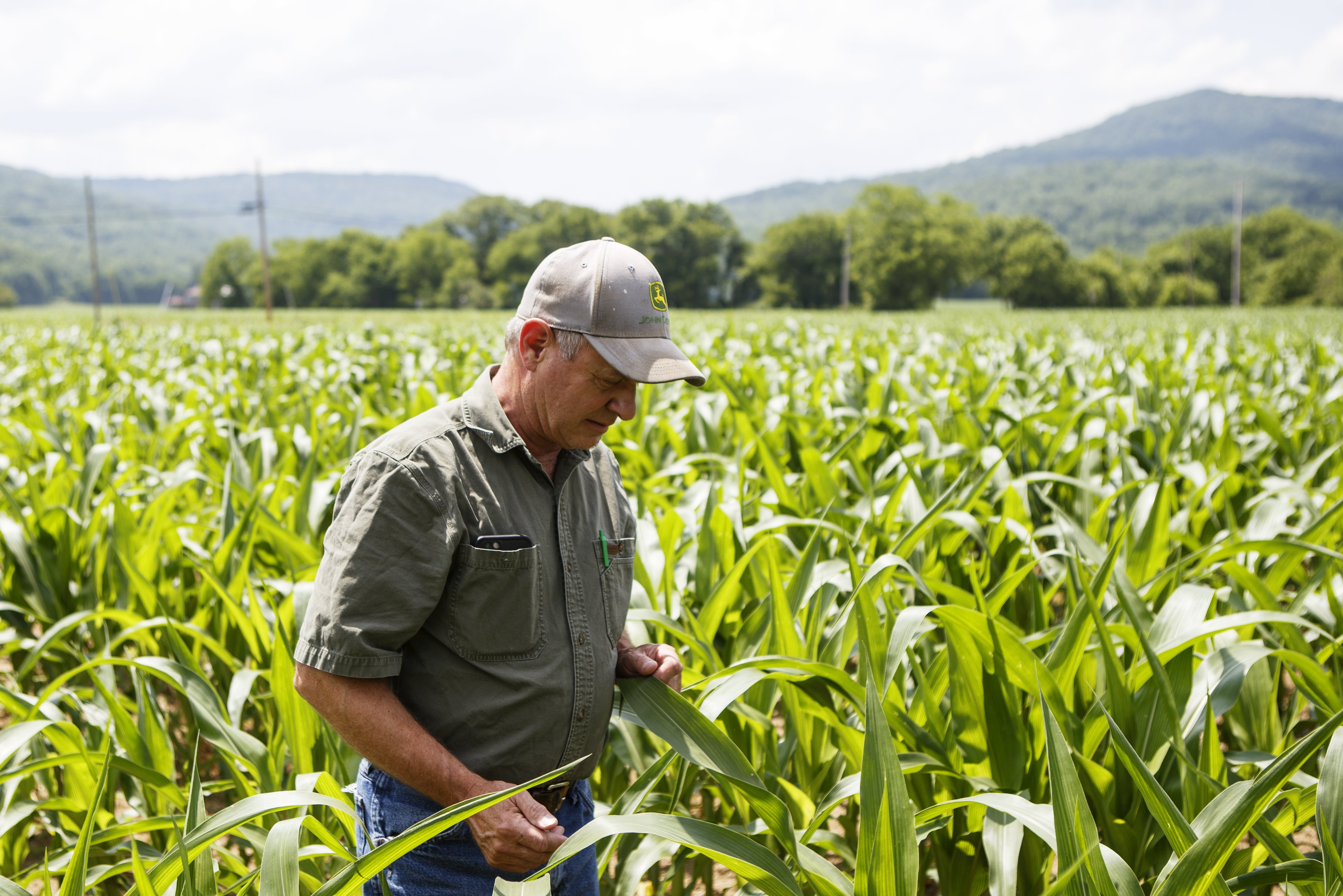
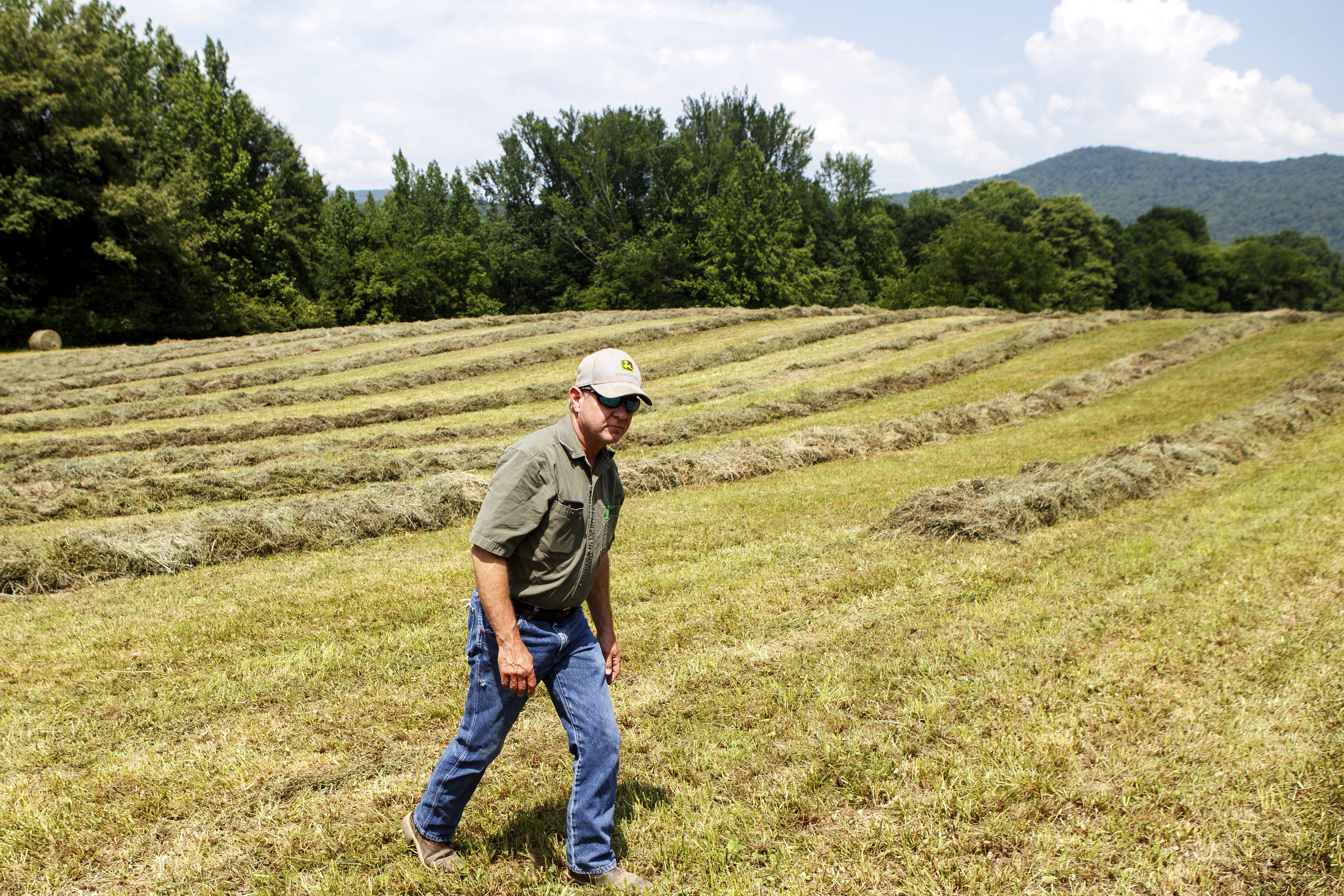
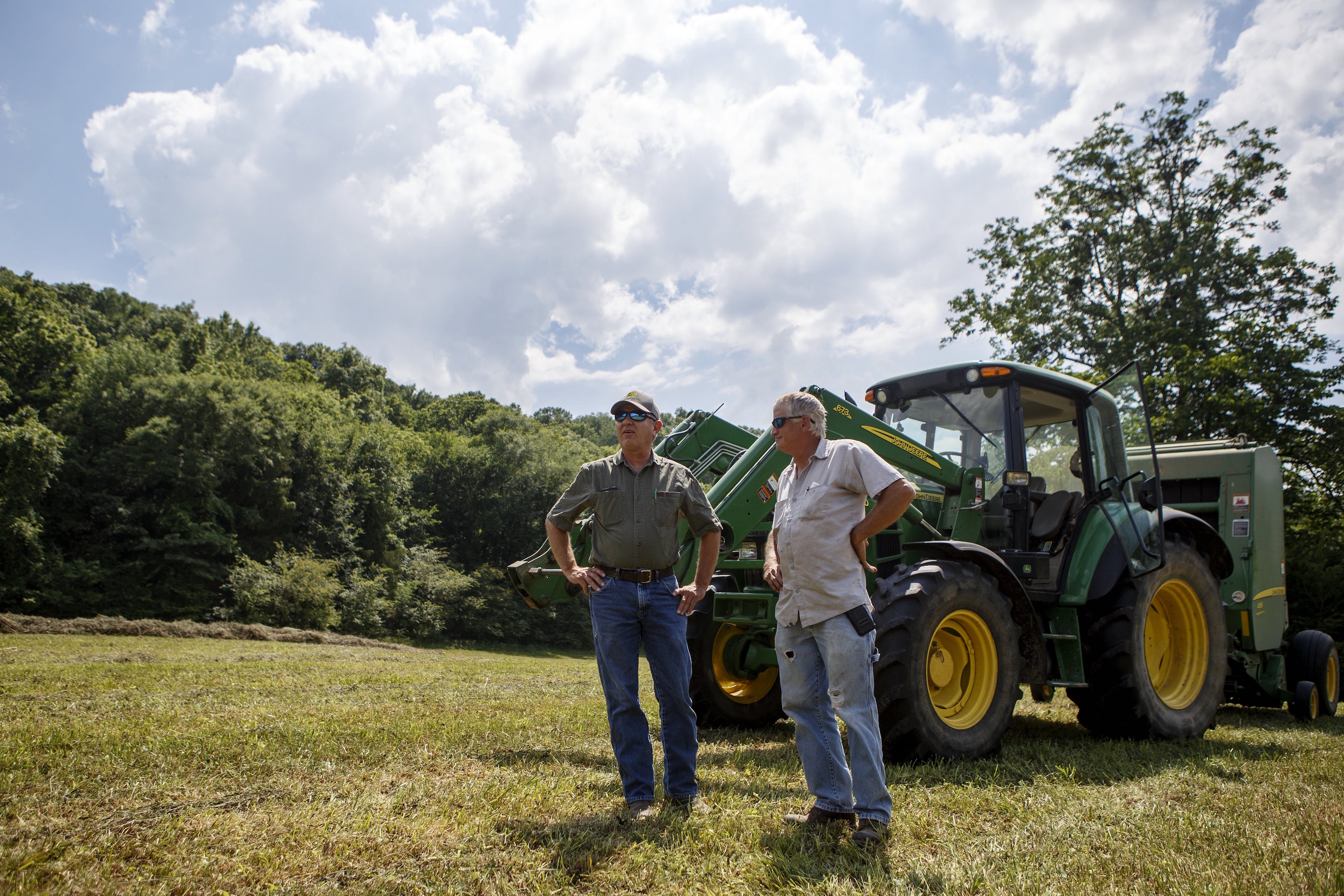
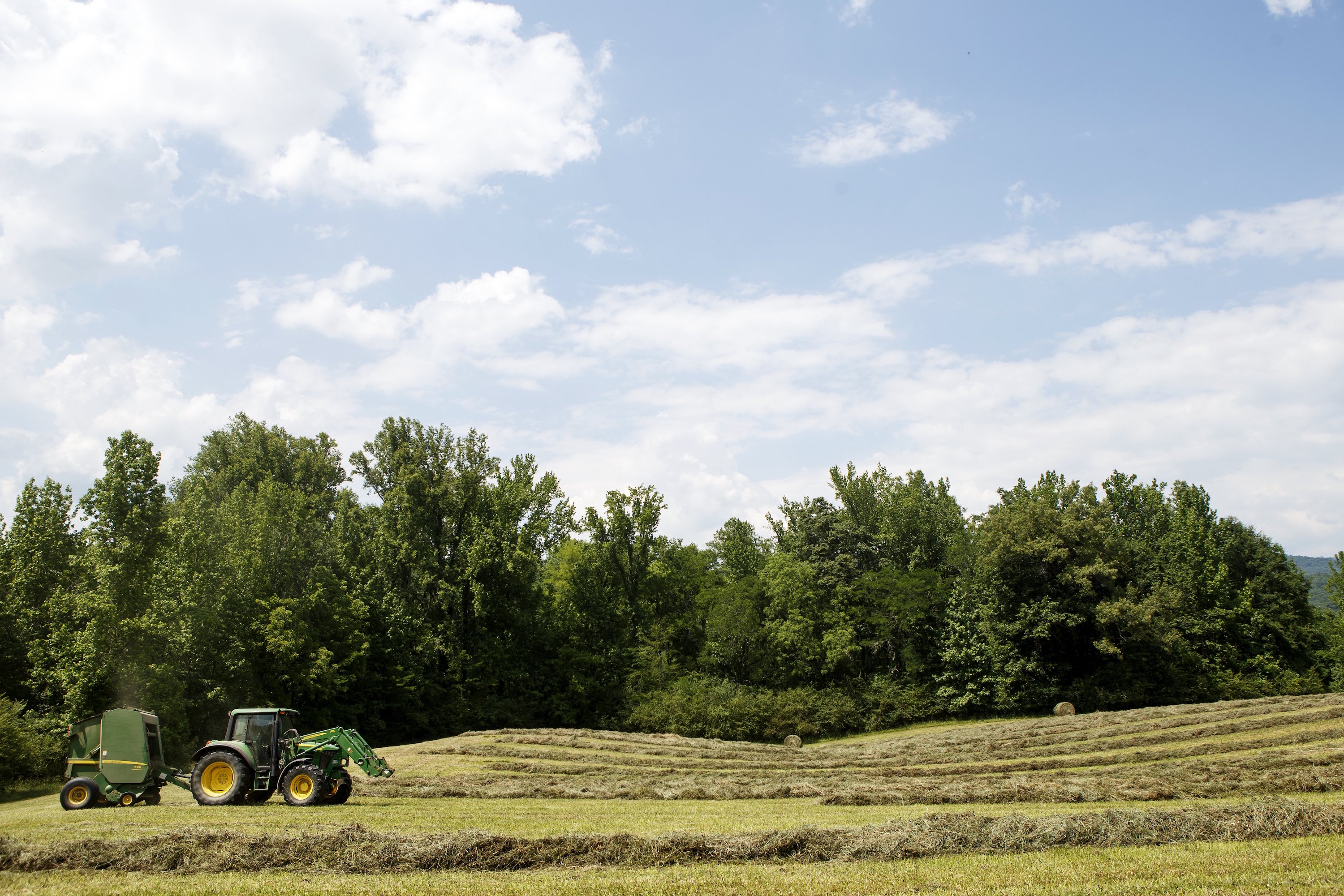
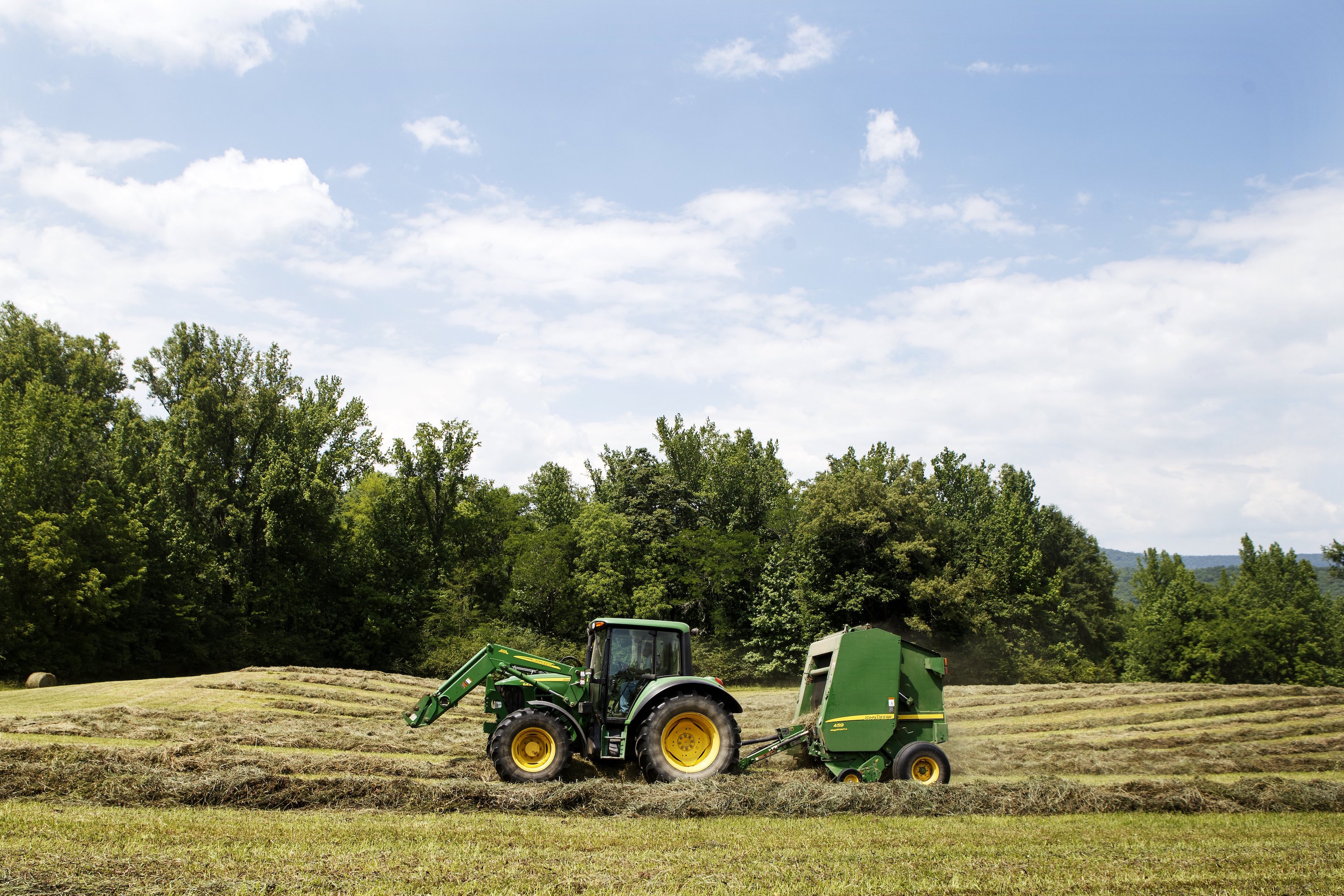
This weekend’s dry, hot temperatures were good for more than Memorial Day cookouts and lake time with the family; they provided farmers an escape from steady rain and a chance to catch up on working their fields.
The Tennessee Valley has been pummeled with record-setting rain for more than a year. Last year was the rainiest on record, and 2019 is on pace to be wetter – setting farmers back weeks.
“It’s going to be a tough year for some of the agricultural producers out there, and understandably, with the amount of rainfall we’ve had,” said James Everett, manager of the TVA River Forecast Center in Knoxville. “If anyone understands rainfall, it’s farmers.”
February was one of the wettest months in recorded history in the Tennessee Valley. It rained 22 of 28 days with a month-long average of 11.6 inches across the valley. It’s also a month when farmers spray fertilizer, Walker County hay and beef farmer James Burton said. The rain set him back, so he turned his concentration to building a fence for his cattle, but the ground was too wet even for that. The fence posts wouldn’t stay up and holes quickly filled with water.
He worked the parts of his field he could, but largely was left waiting for a heat stretch that would allow his fields to dry.
“It’s set us back,” Burton said. “People putting corn and soybeans, it’s been tough on them, too, because you just couldn’t cover the ground. Some of the best land you’ve got, it has 3-4 inches of water sitting in it. I’ve got a hay field now that just isn’t going to be dry enough.”
Long term, heavy rain and some flooding can be good for farmers, Everett said. It provides nutrients to the soil, but farmers have deadlines. Corn had to be planted by May 15 and soybeans have to be in the ground by June 15 for crop insurance purposes.
Insurers set crop deadlines based on growing time. Farmers and insurers want the crops planted early enough to harvest in the fall. If they wait too long, cold temperatures will set in at the end of the year. So if the crop isn’t in the ground by those dates, farmers could lose everything if their fields are destroyed by natural disasters or suffer revenue losses – which have been a major concern, South Pittsburg, Tennessee, farmer James Haskew said.
Farm income has dropped 50% from record highs five years ago. And while revenue has dropped, prices have continued to rise amid an escalating trade war with China that has brought tariffs to a variety of industries, including agriculture.
“I call it the triple whammy,” Tennessee Farm Bureau Federation communications director Lee Maddox said. “With the tariffs, the prices and bad weather on top of that, it’s a triple hit to some areas.”
Added Haskew, “it’s really difficult. It’s hard to crunch out any income currently.”
With thinning margins, it was important for farmers to have a fruitful season. Heavy rain threatened it, but 90-plus degree days in May dried out fields and finally gave farmers time to get crops into the ground.
“This week and last week, this has been huge planting time all across the state,” Maddox said.
And while that means some 16-hour days, it’s better than sitting inside, waiting for the fields to dry.
“Patience is a big virtue in this business,” Haskew said.
Contact Mark Pace at mpace@timesfreepress.com or 423-757-6659. Follow him on Twitter @themarkpace and on Facebook at ChattanoogaOutdoorsTFP.