
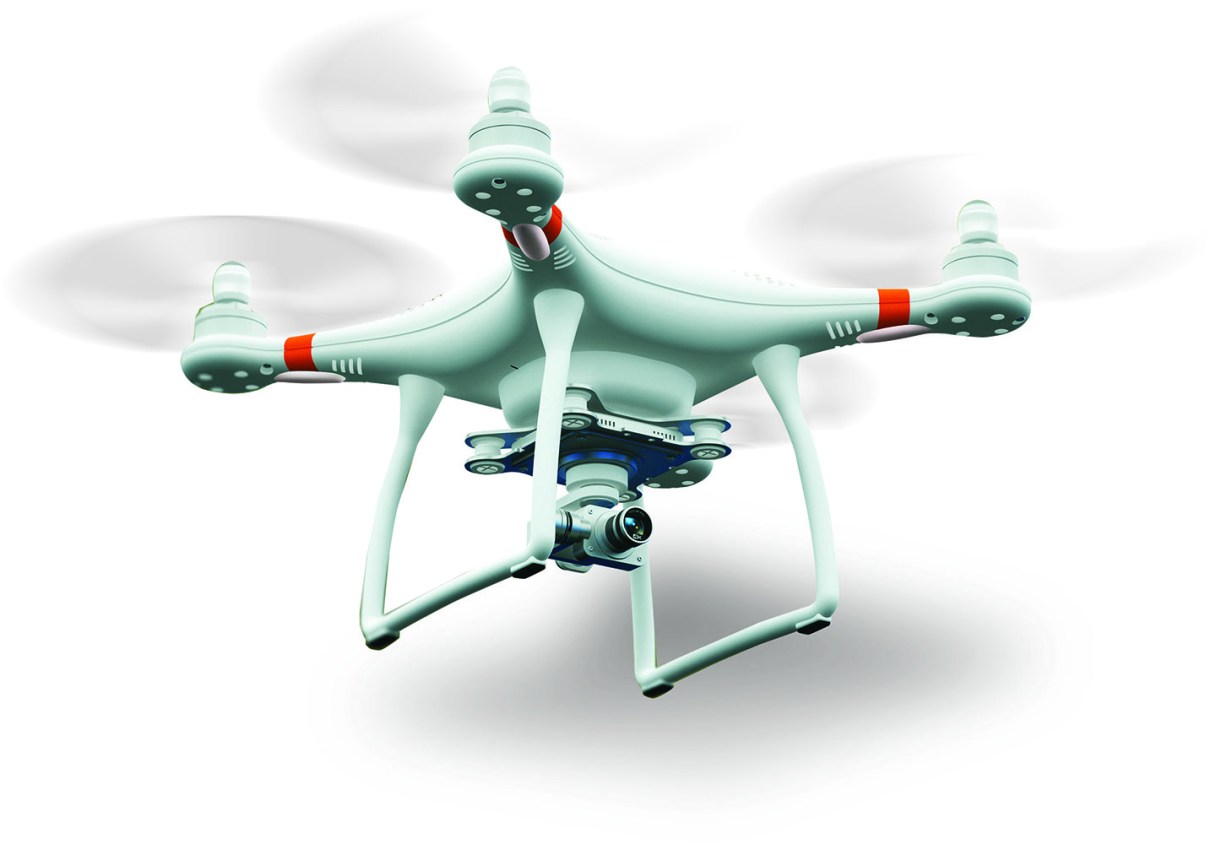
The next time you stumble off the beaten path and find yourself lost and alone, you might be able to look to more than just your surroundings for help. You might also be able to look to the skies.
Drones are becoming more and more of a utility for search-and-rescue teams across the nation, including here in Tennessee, says Brian Krebs, a lieutenant with Chattanooga Hamilton County Rescue Services’ Cave, Cliff and Technical Unit.
During the course of a drone’s 20- to 30-minute flight time, the unmanned aerial system can cover a vast area, giving search teams a bird’s-eye view of the terrain through high-definition cameras. To boost rescue efforts, some models are equipped with night vision while others have infrared cameras in tow, increasing the chances a victim may be found by pinpointing large heat sources, such as a hiker’s body.
Since you never know where rescue may come from when you’re lost in the wild, here are a few tips to make you more visible to any passing drones.
1. Stay put.