
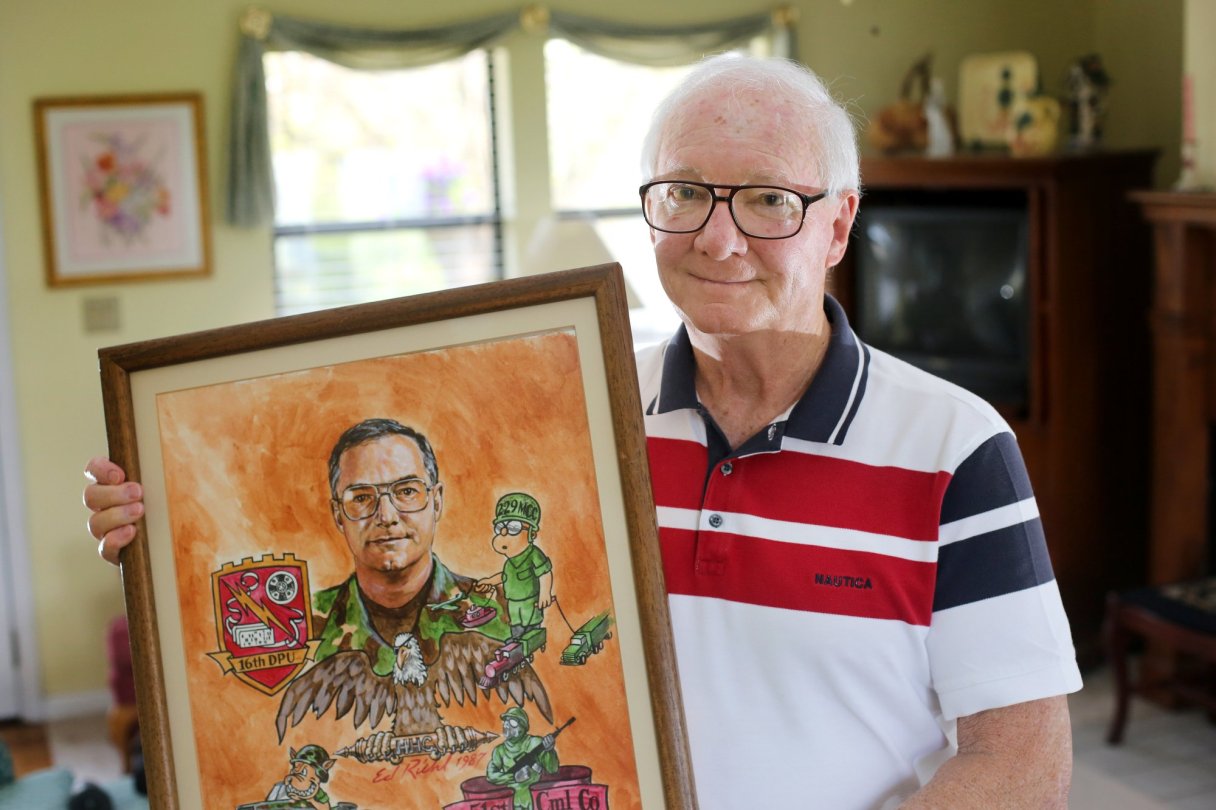

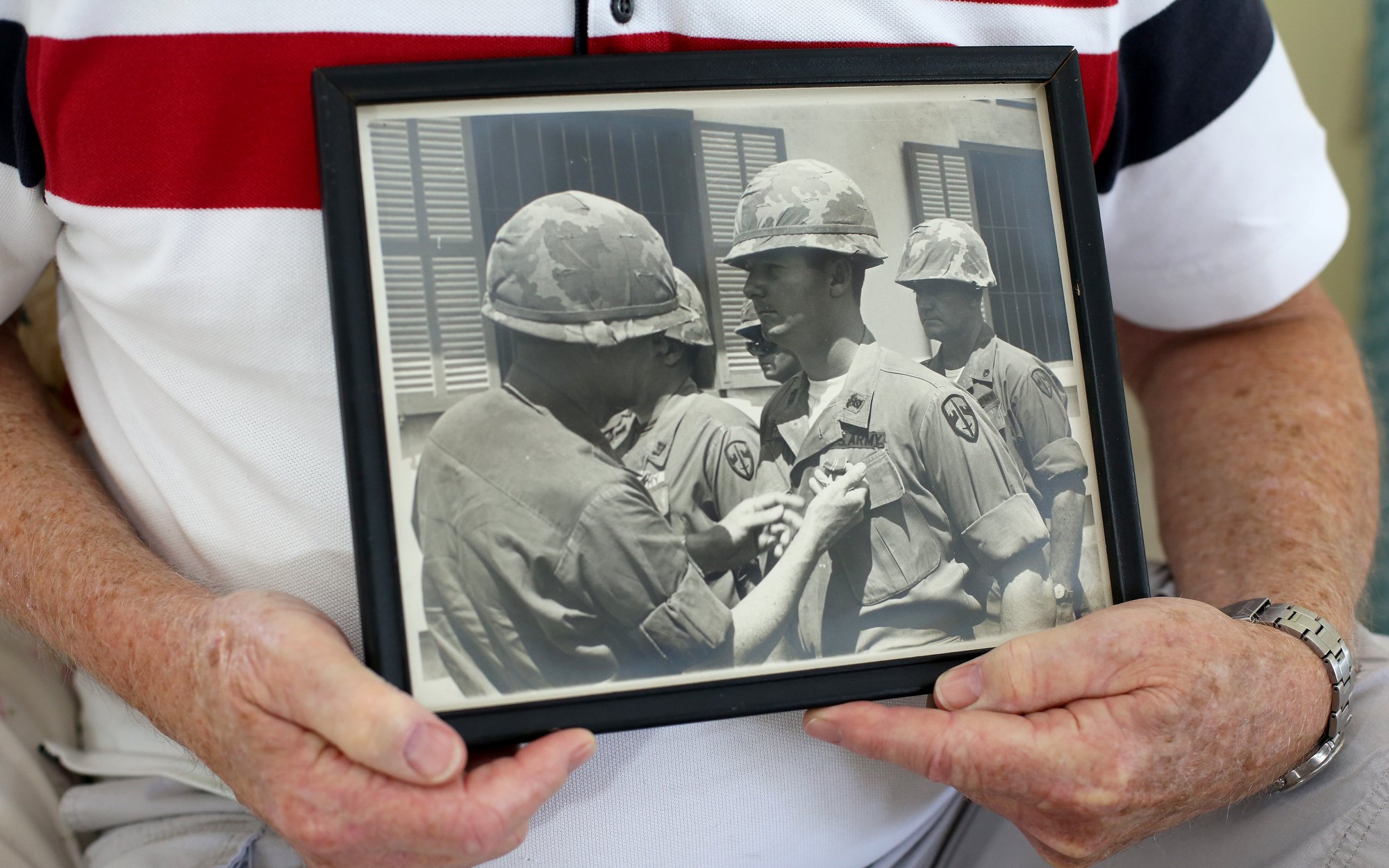
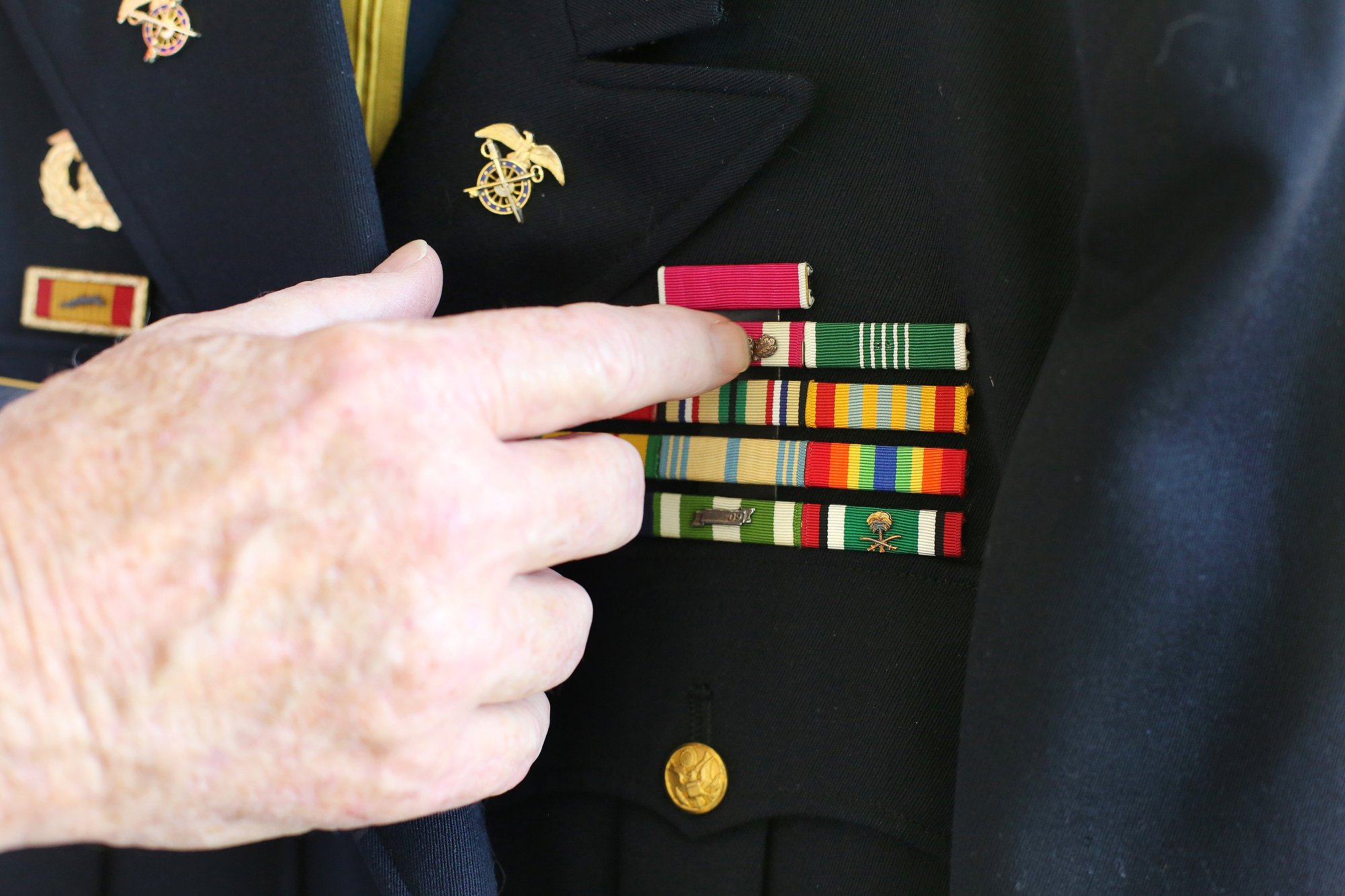
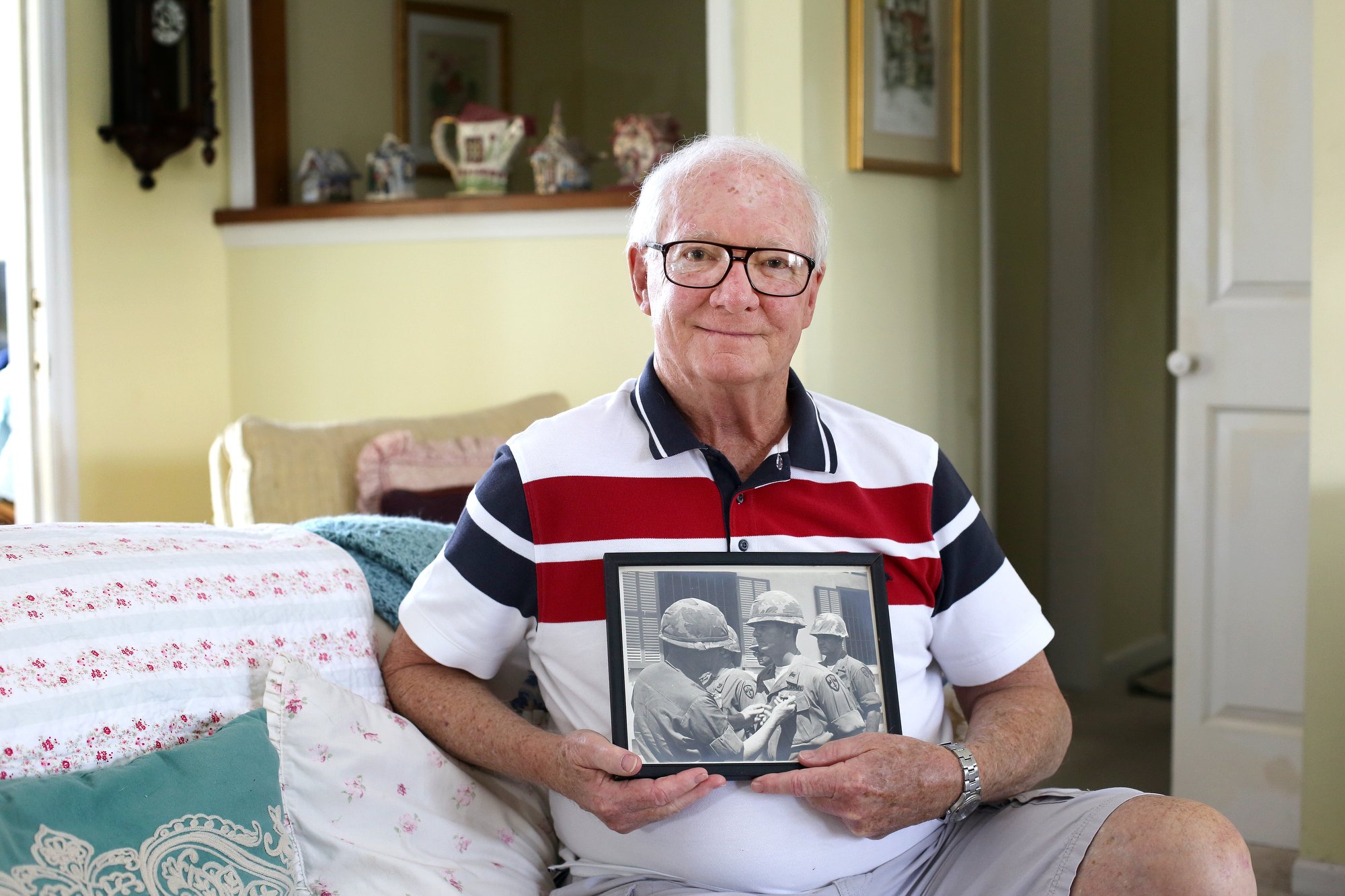
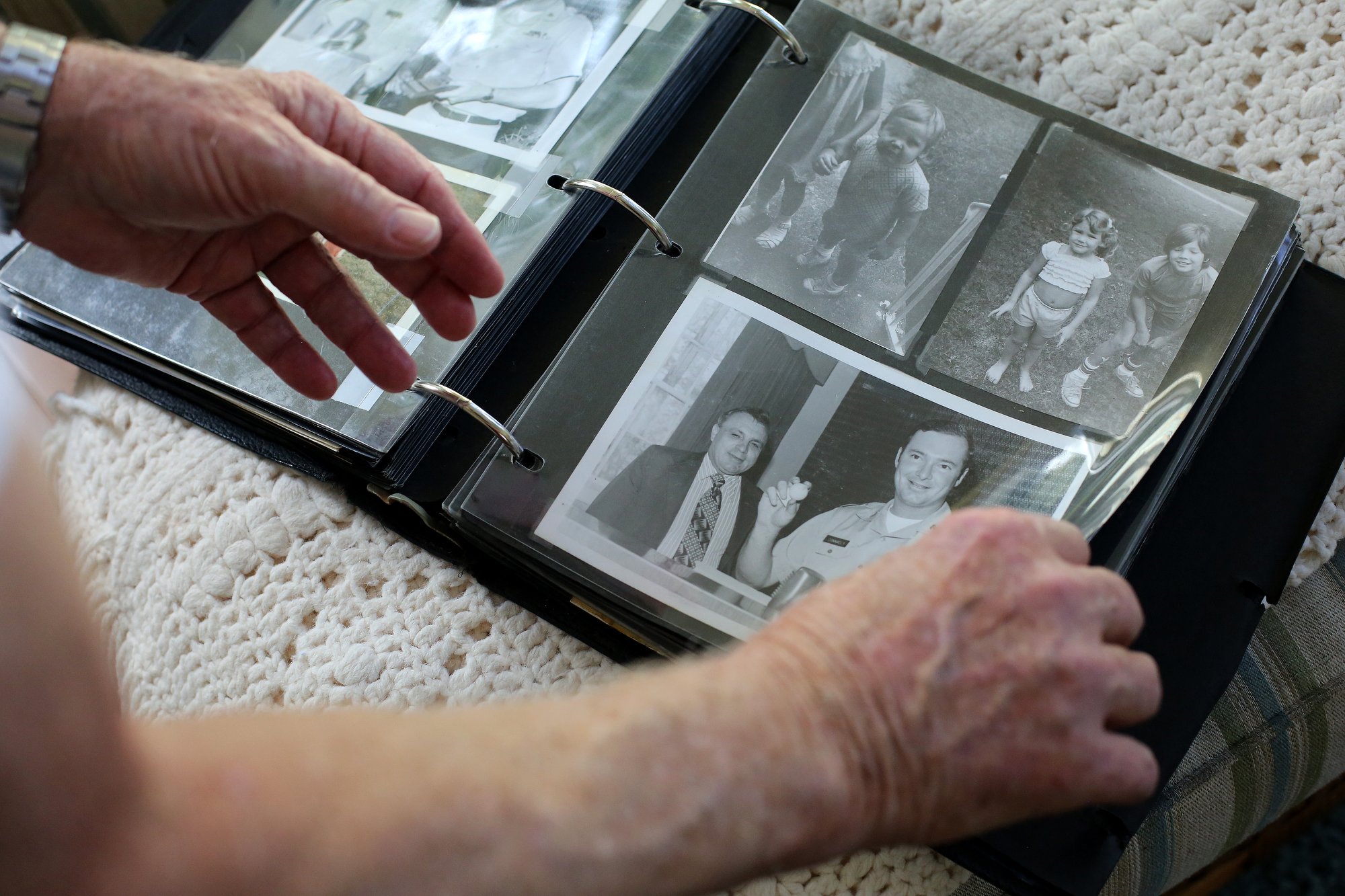
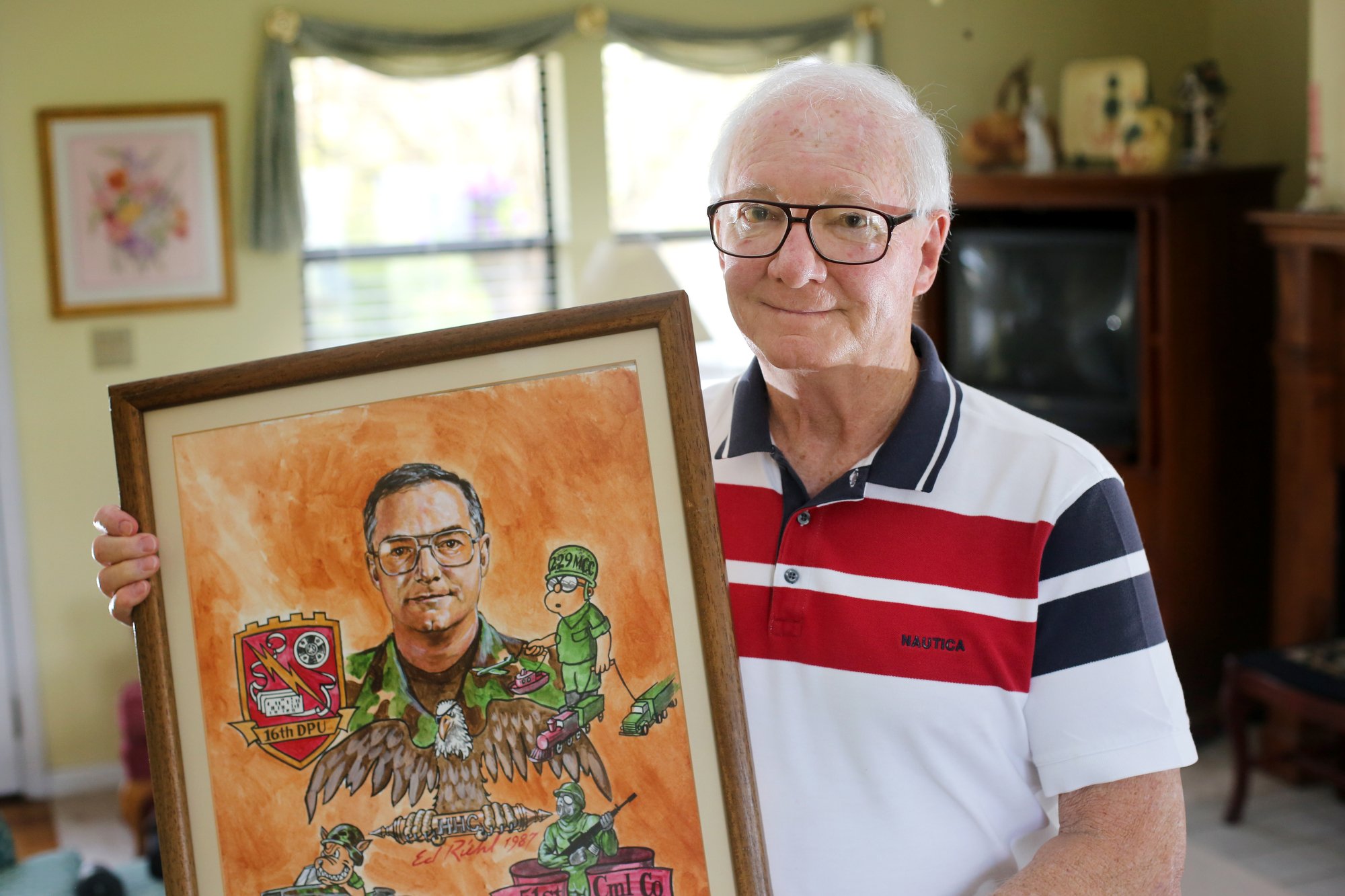
During his 28-year career in the U.S. Army, retired Lt. Col. Bud Connally was leading and training combat troops in various military theaters around the world and on home soil, starting the day he was commissioned as an officer on the stage of the Tivoli Theatre on June 6, 1965.
Connally – a native of Villa Rica, Georgia, who lived most of his youth in Atlanta – trained his sights early on a military life starting with seven years of ROTC in high school in Atlanta and at the University of Chattanooga. He continued his link to the service after retiring, he said recently at his home just over the Georgia state line in Rossville.
The 77-year-old’s home on Georgia’s end of Missionary Ridge now overlooks the land where his grandparent’s farm stood.
Military service is instilled in the Connally family, he said. His father served in the U.S. Marine Corps during World War II and others attained ranks as high as general during their service, “so it’s in the family,” he said. A brief civilian experience working in the sporting goods department at Sears and Roebuck in downtown Chattanooga didn’t change his track, though.
“The military was just much more of what I wanted to do at that point and time, and I had so much more responsibility than I would have in some kind of civilian industry,” he said. “It was a wise decision, for the most part.”