
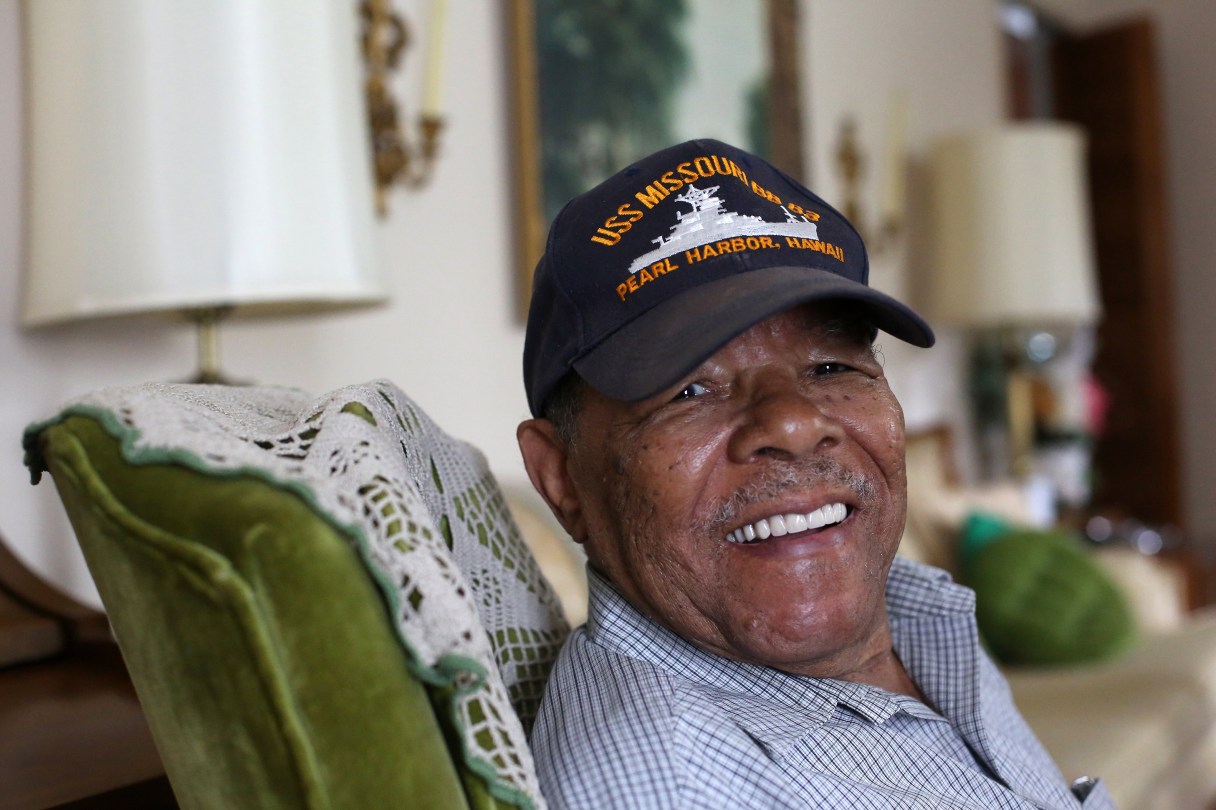
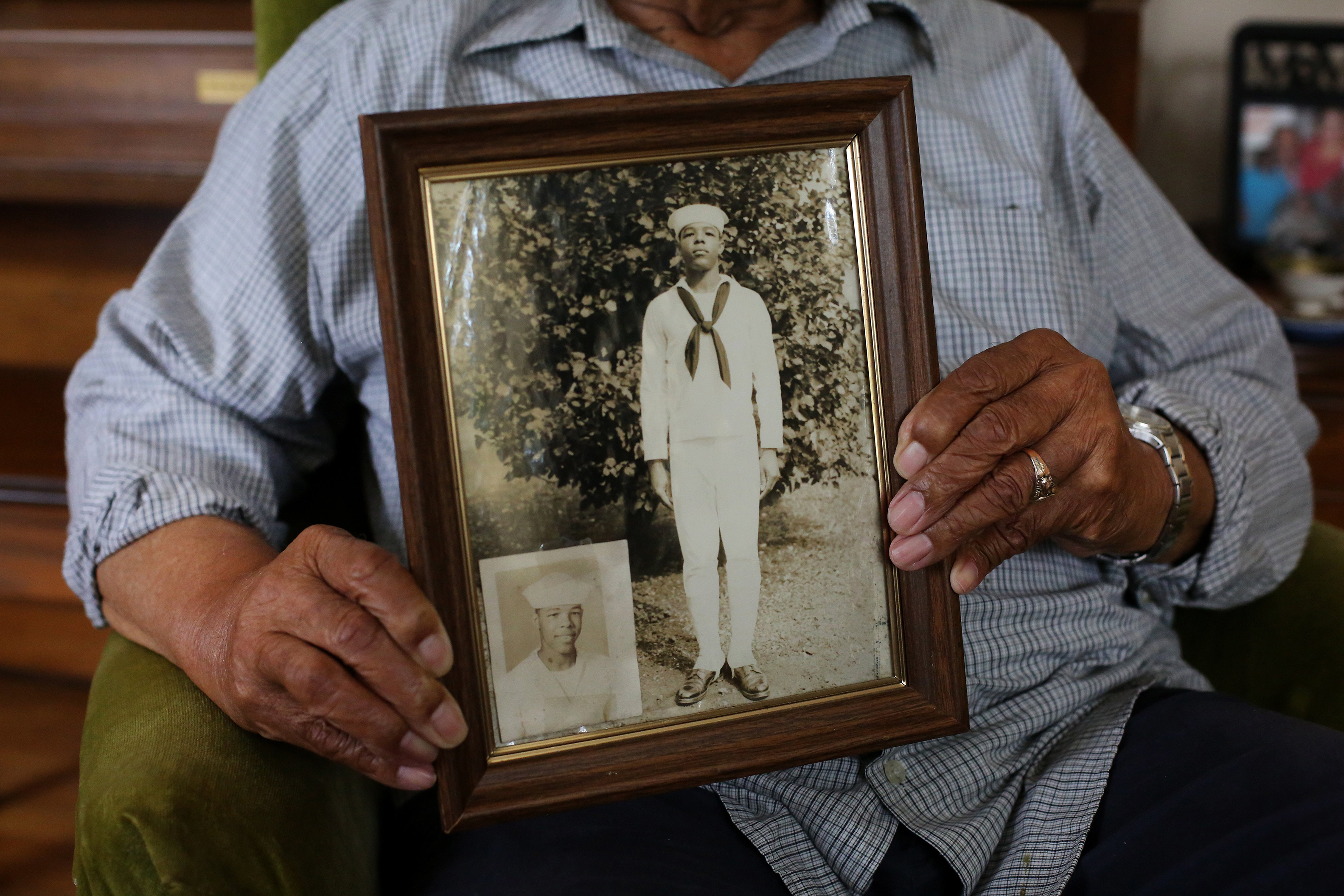
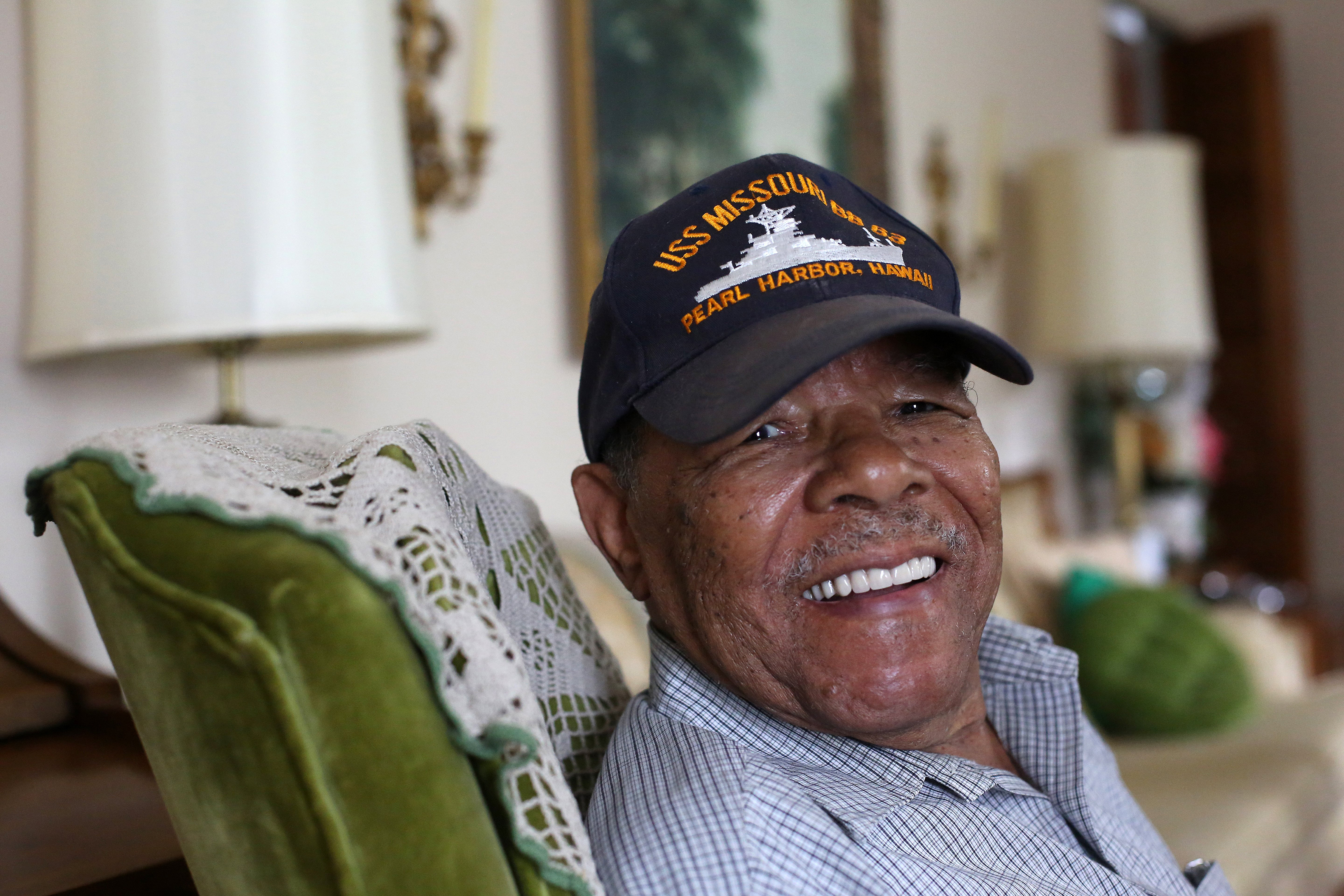
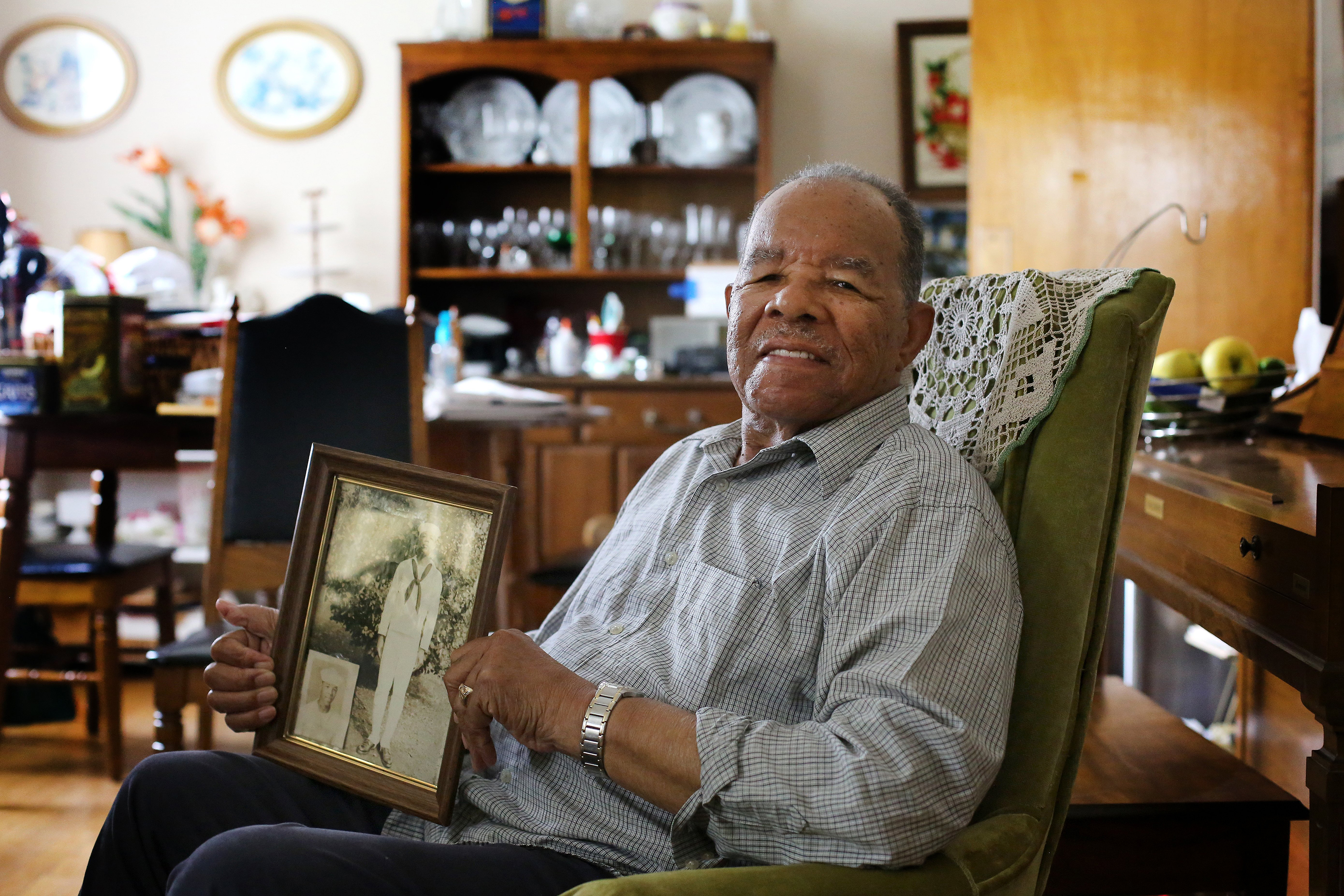
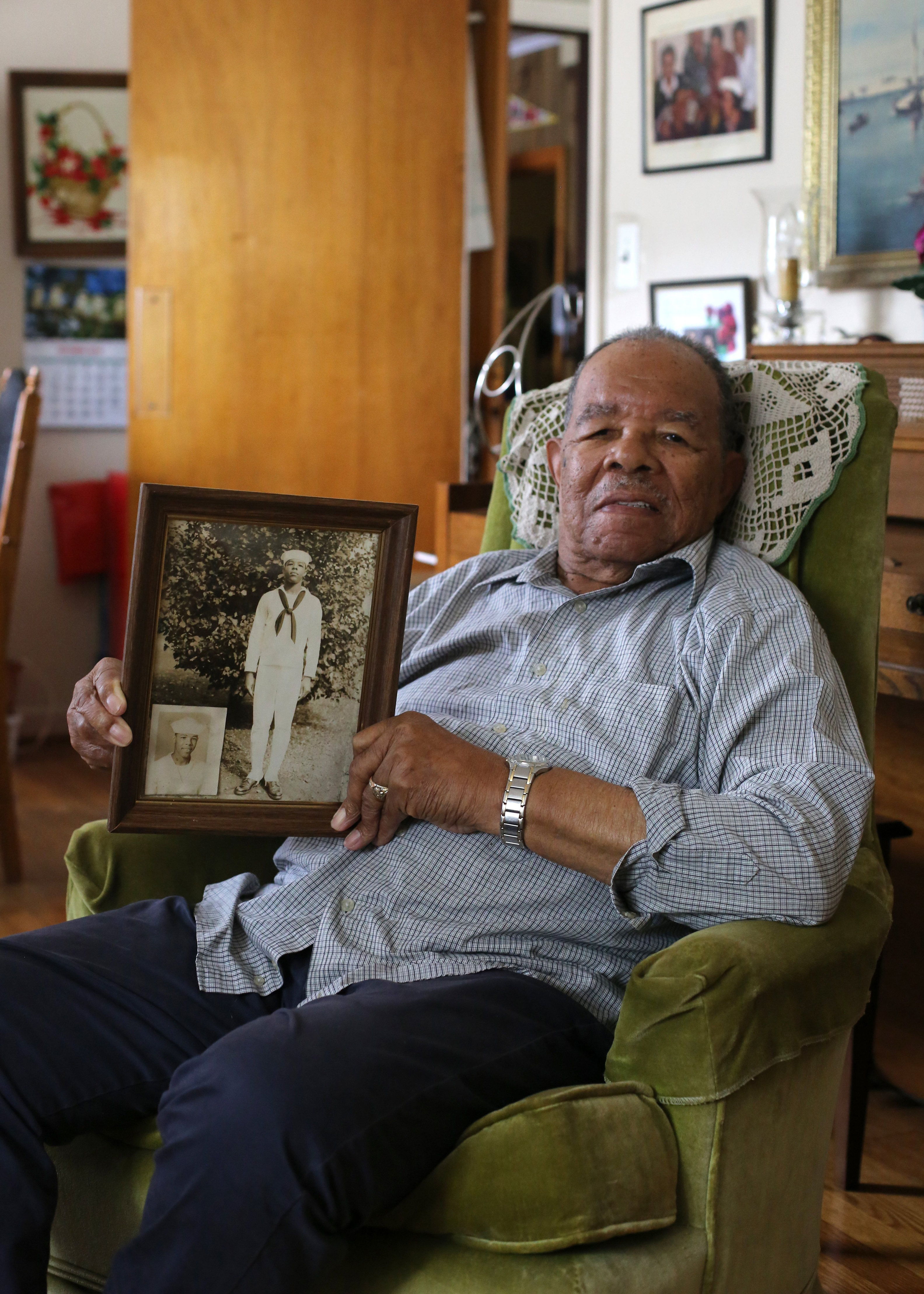
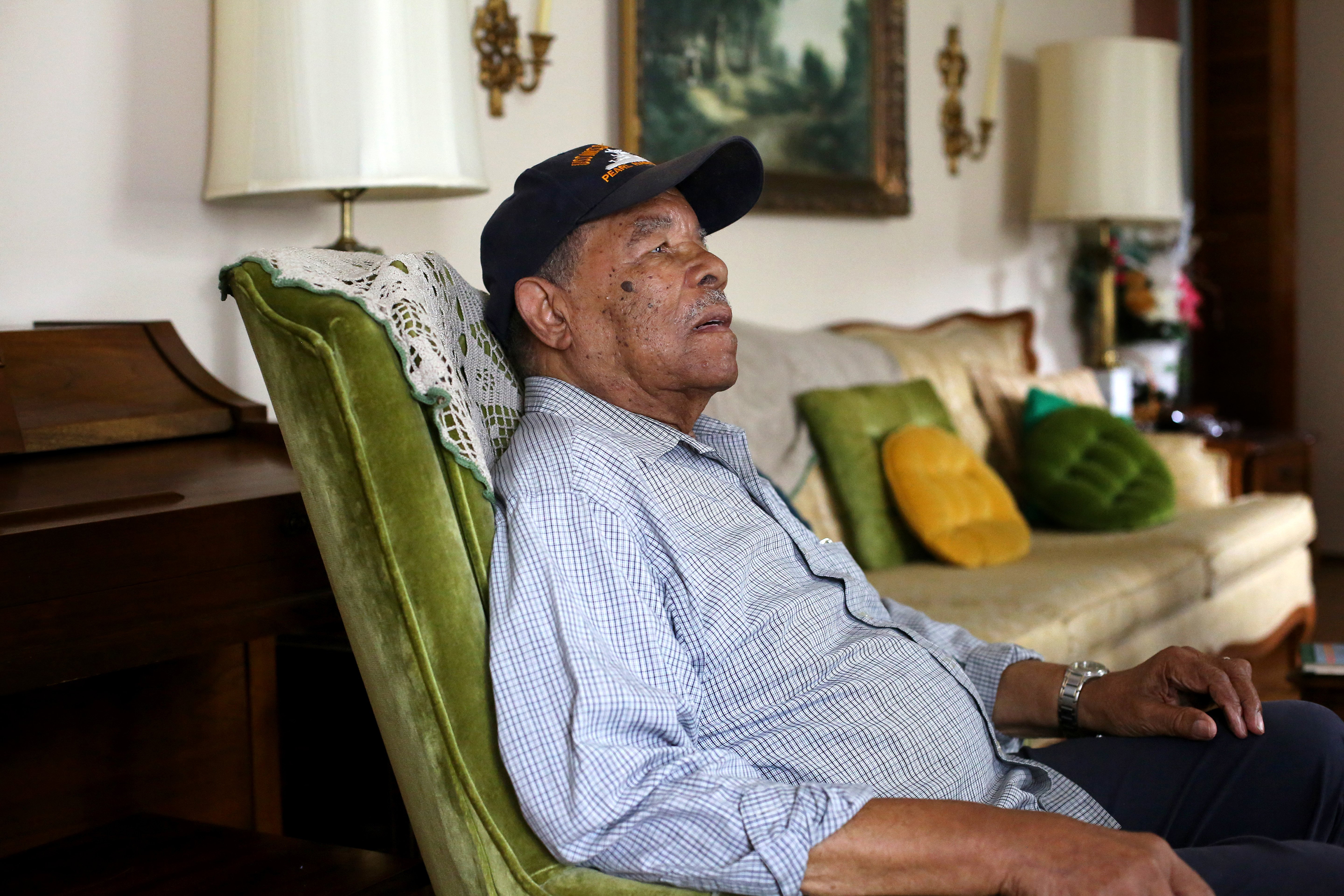
As a young black man in a small Southern town, James Elligan Sr. didn’t think differently about his country, even when his country felt differently about him.
It was 1943 in Tullahoma, Tennessee, and Elligan had just graduated high school.
Most of the South was still under Jim Crow law and the American military was racially segregated.
Throughout the country’s history, the U.S. Navy had allowed African Americans to work only in general services like kitchen duty or serve in the messmans and stewards branches, which included duties such as setting tables and serving food.
That didn’t deter Elligan, who like everyone he grew up with, was proud to serve his country and honored to be drafted.