




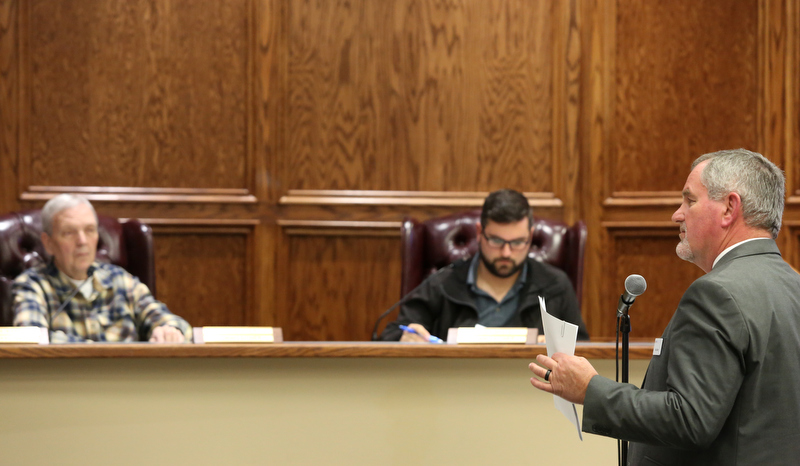


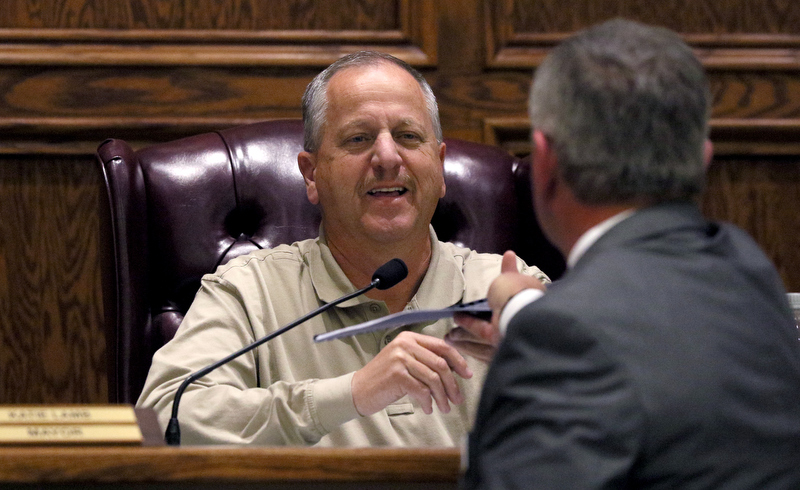
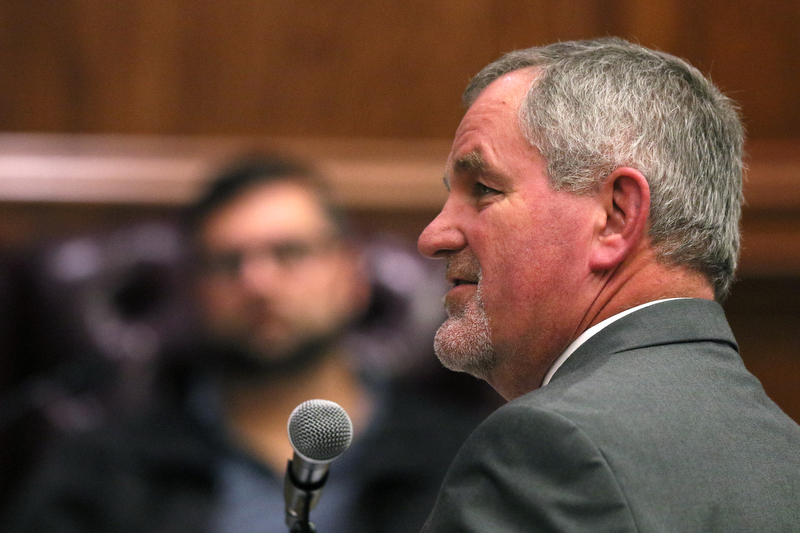
The Collegedale Police Department has received largely positive feedback by the Municipal Technical Advisory Service, which reviewed its policies, though it did not address the department’s alleged quota system due to an ongoing state investigation.
“It would be terribly irresponsible of us to look into something like that at the same time there’s an ongoing investigation,” said Rex Barton, MTAS police management consultant and former police captain.
MTAS, which is a part of the University of Tennessee’s Institute for Public Service, evaluates a department based on its employee satisfaction, the readiness of its equipment and the effectiveness of its training program. To do so, consultants interview officers and look at crime rates, Barton said.
Barton initially was going to interview only a random selection of officers, but after noticing a “trend” he interviewed all sworn police officers. He said after a Monday night city commission meeting on the review that the city’s human resources department coordinated the interviews but he selected the names, which was “everybody in the organizational chart I got.”
The “trend,” he said, was that “a very small number of police officers were unhappy.”