
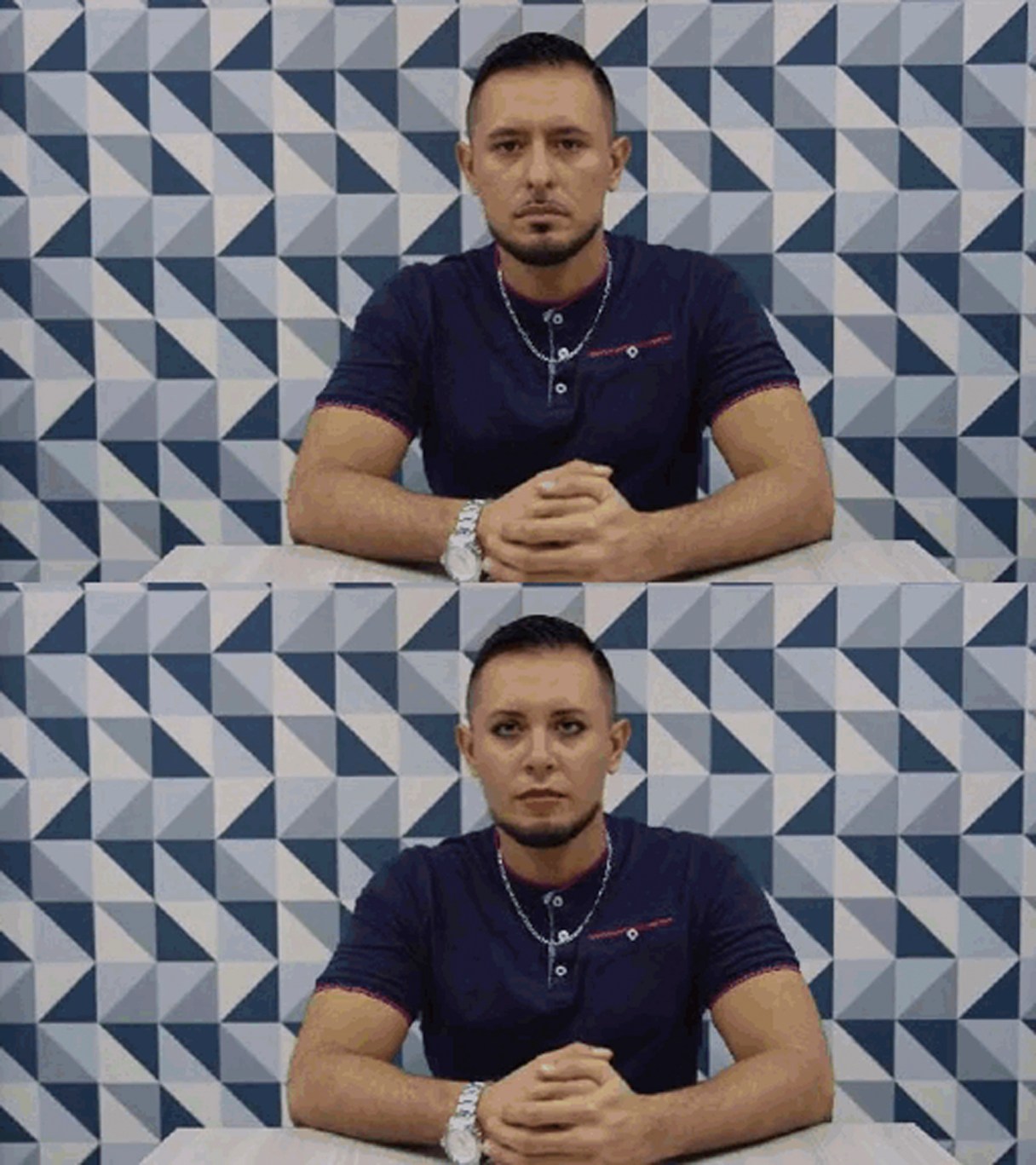
SAN FRANCISCO – Several months ago, Google hired dozens of actors to sit at a table, stand in a hallway and walk down a street while talking into a video camera.
Then the company’s researchers, using a new kind of artificial intelligence software, swapped the faces of the actors. People who had been walking were suddenly at a table. The actors who had been in a hallway looked like they were on a street. Men’s faces were put on women’s bodies. Women’s faces were put on men’s bodies. In time, the researchers had created hundreds of so-called deepfake videos.
By creating these digitally manipulated videos, Google’s scientists believe they are learning how to spot deepfakes, which researchers and lawmakers worry could become a new, insidious method for spreading disinformation in the lead-up to the 2020 presidential election.
For internet companies like Google, finding the tools to spot deepfakes has gained urgency. If someone wants to spread a fake video far and wide, Google’s YouTube or Facebook’s social media platforms would be great places to do it.
Imagine a fake Sen. Elizabeth Warren, virtually indistinguishable from the real thing, getting into a fistfight in a doctored video. Or a fake President Donald Trump doing the same. The technology capable of that trickery is edging closer to reality.