





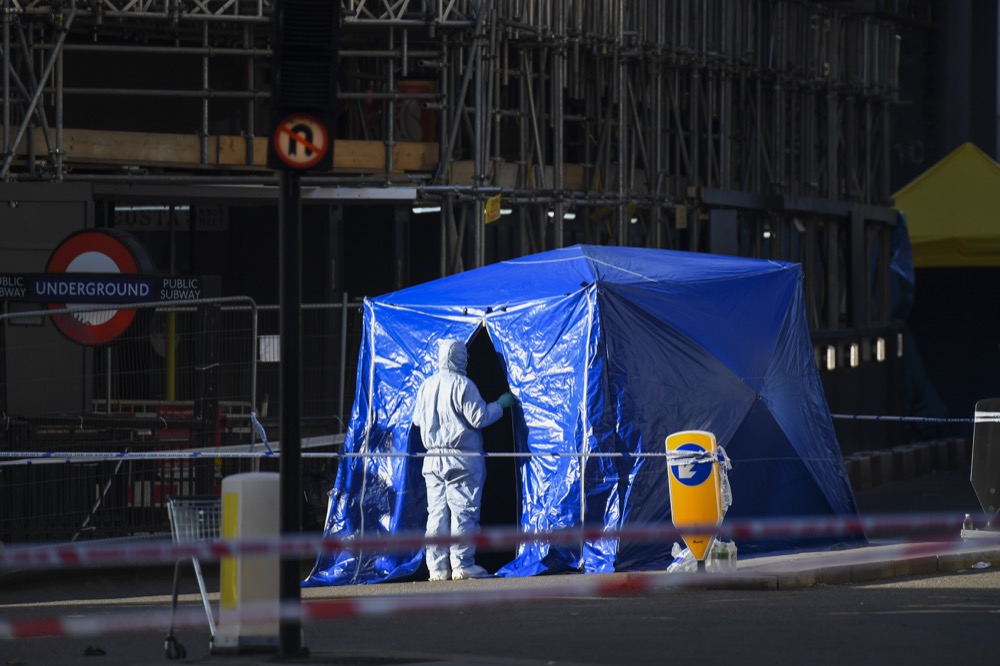
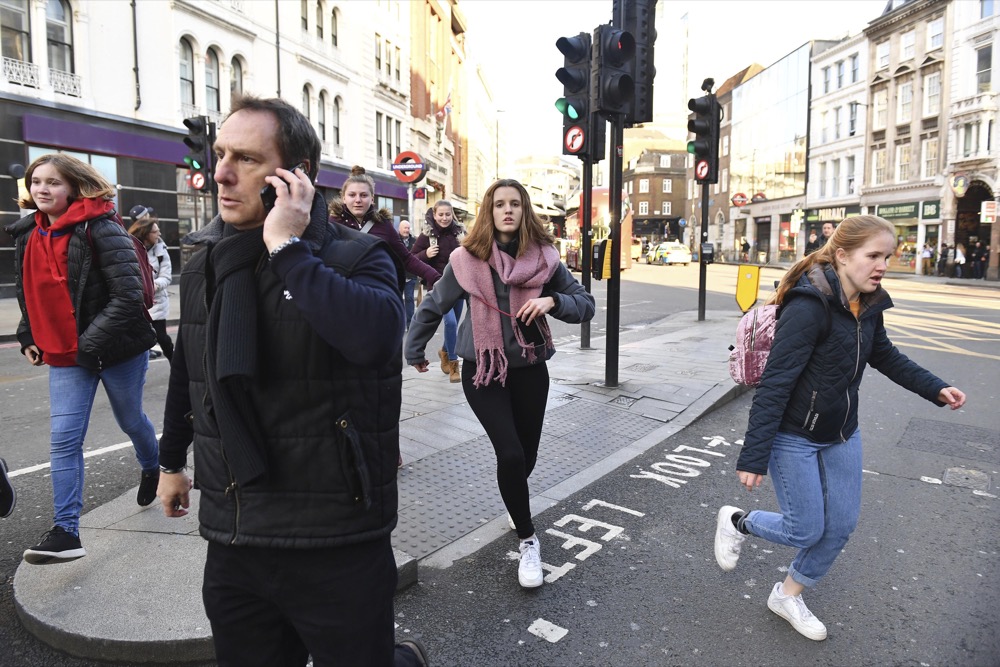


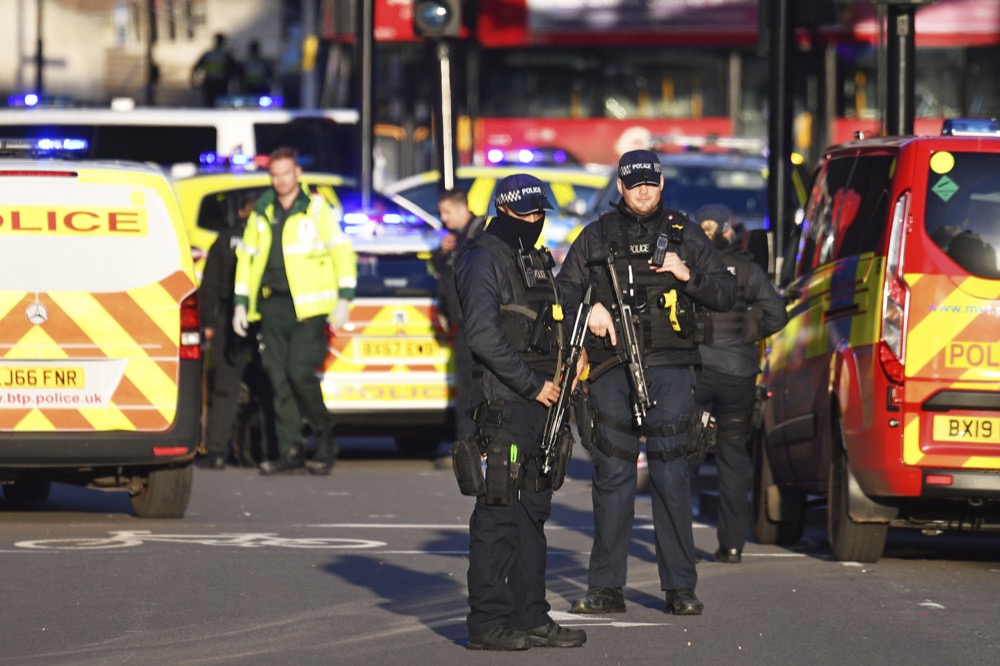

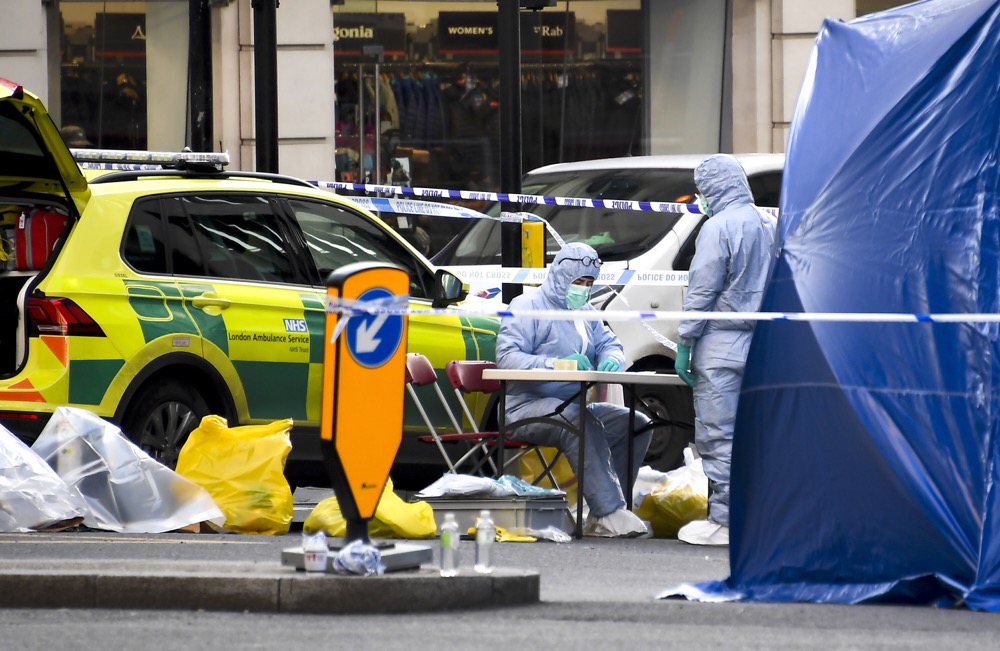
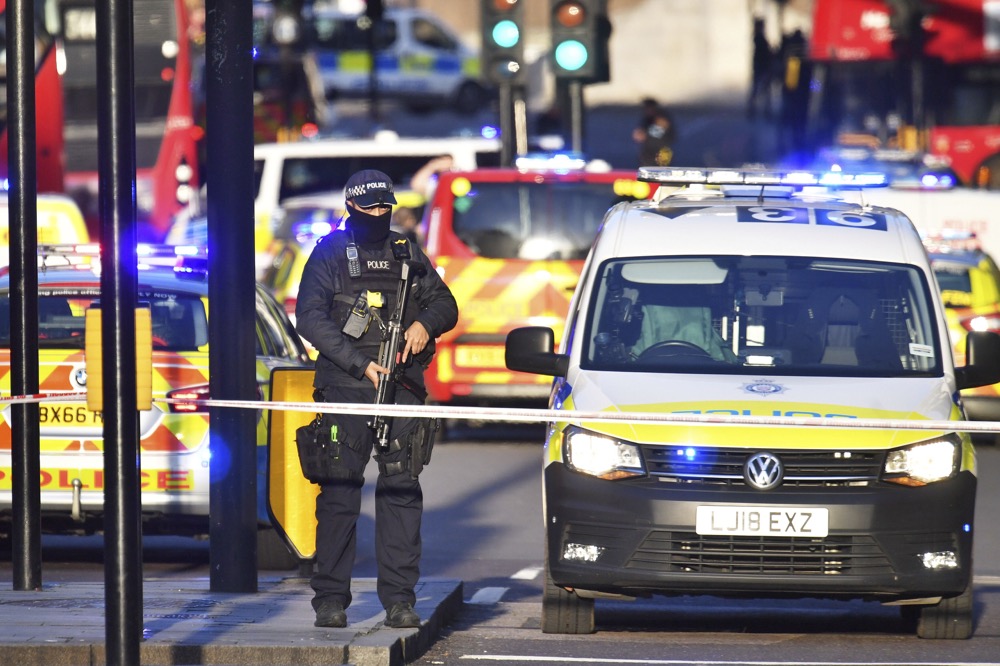
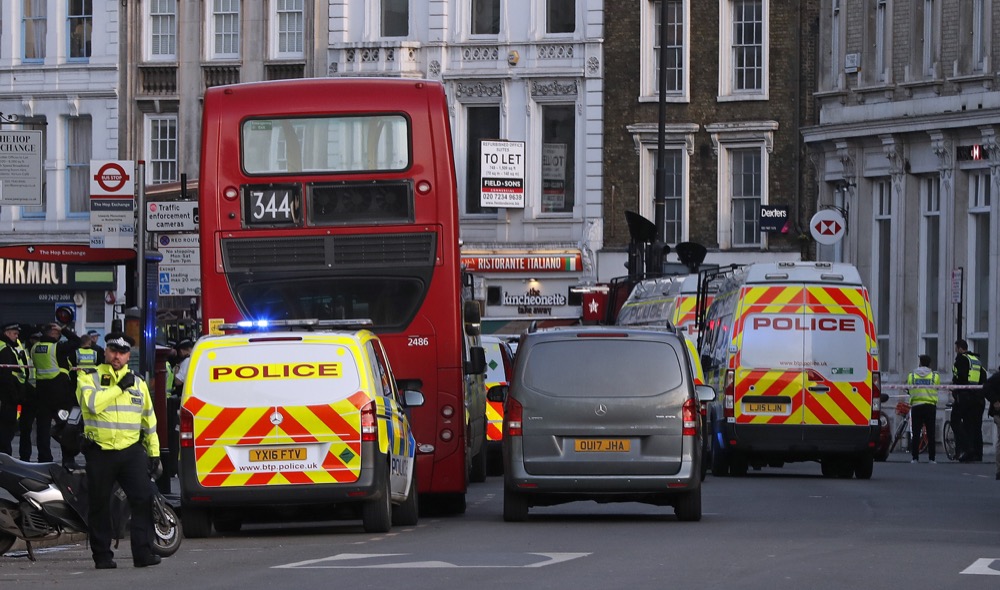
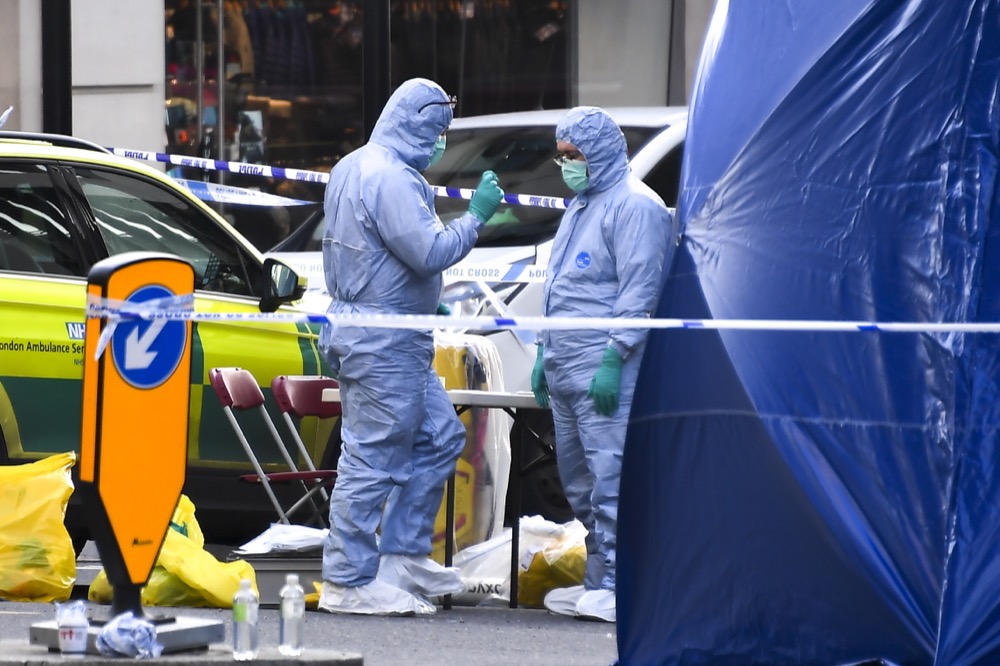
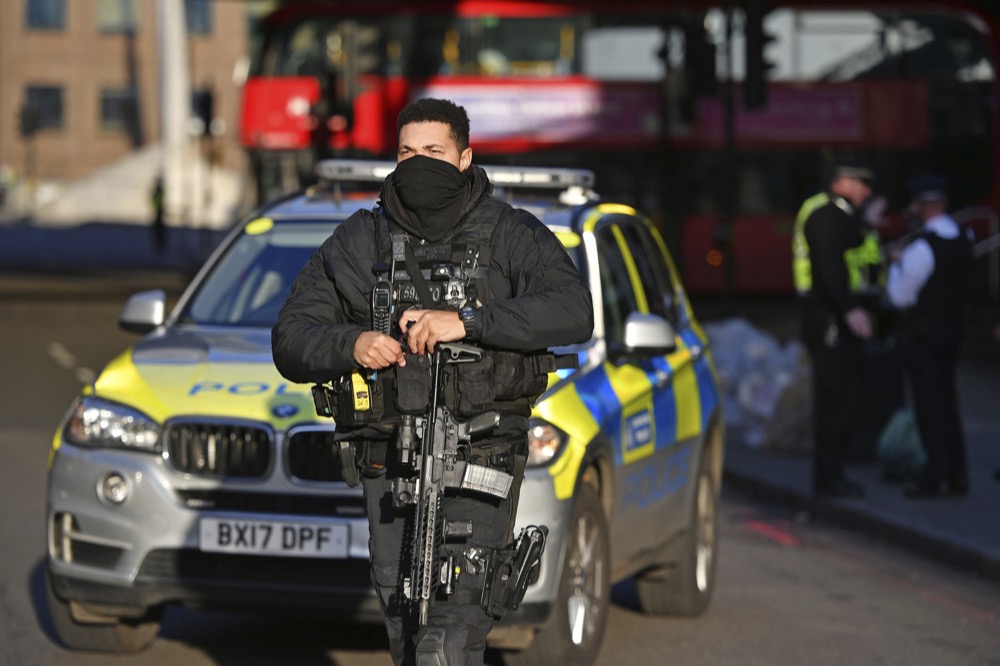

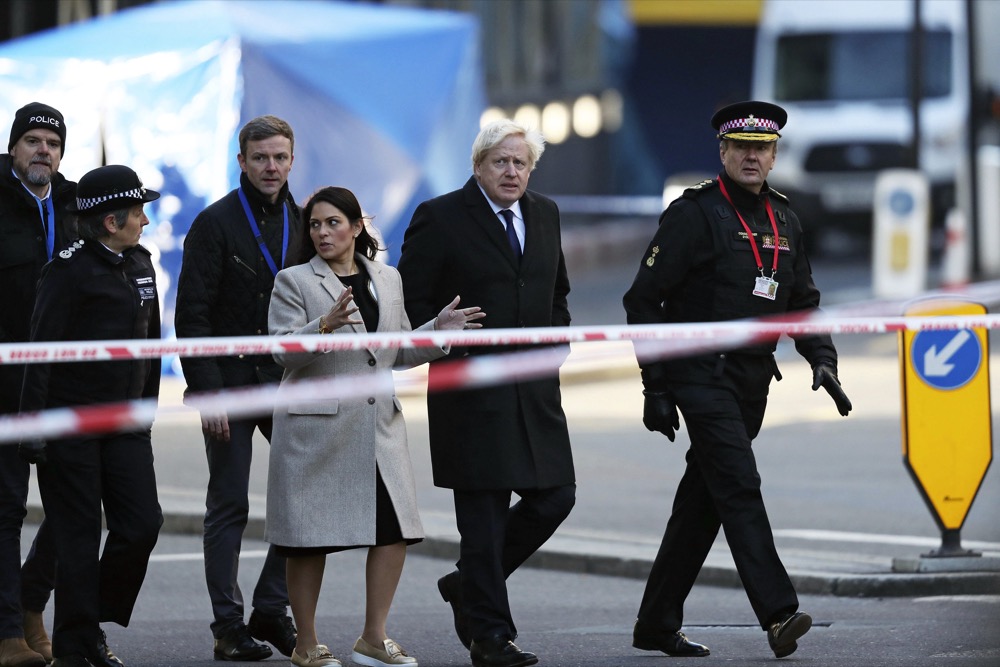
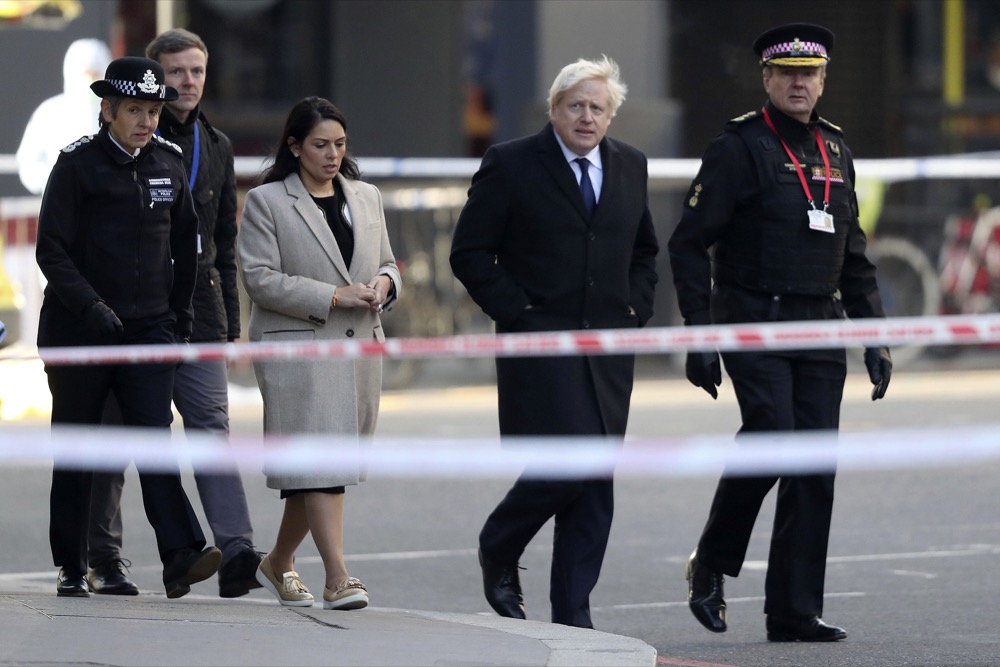
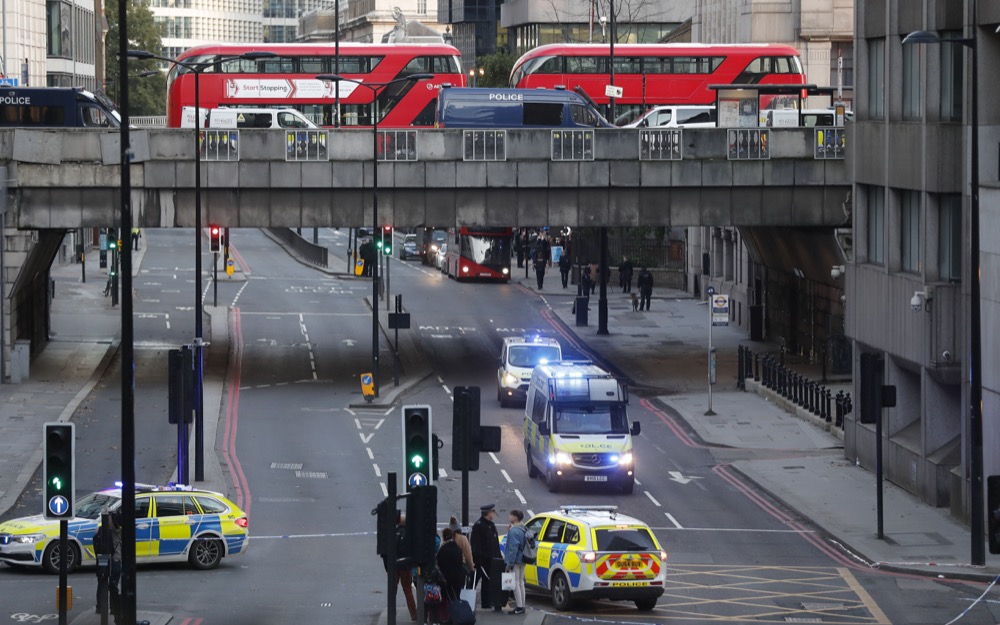






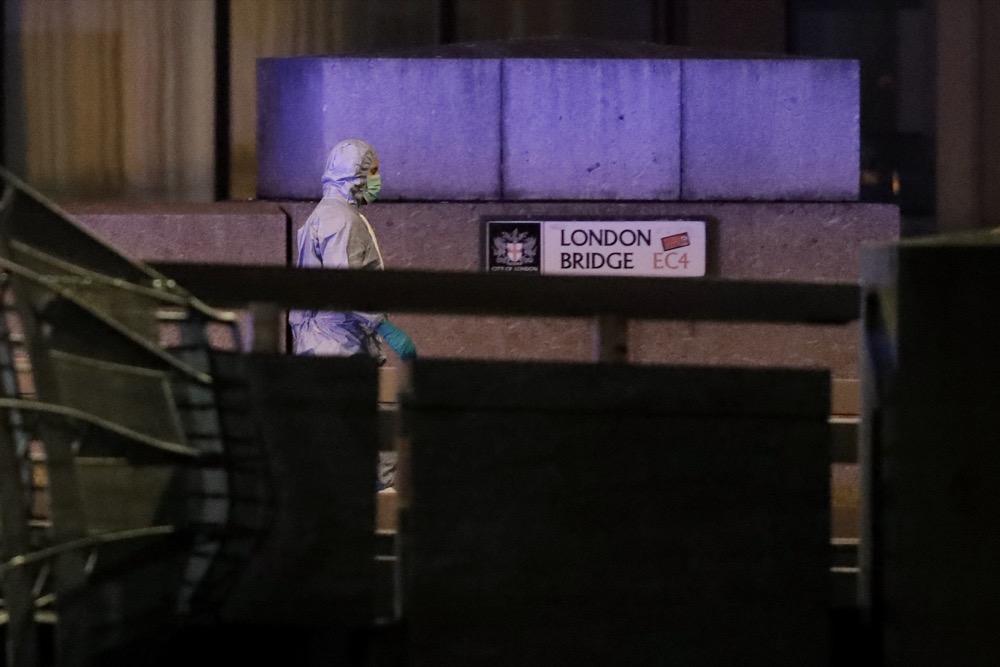
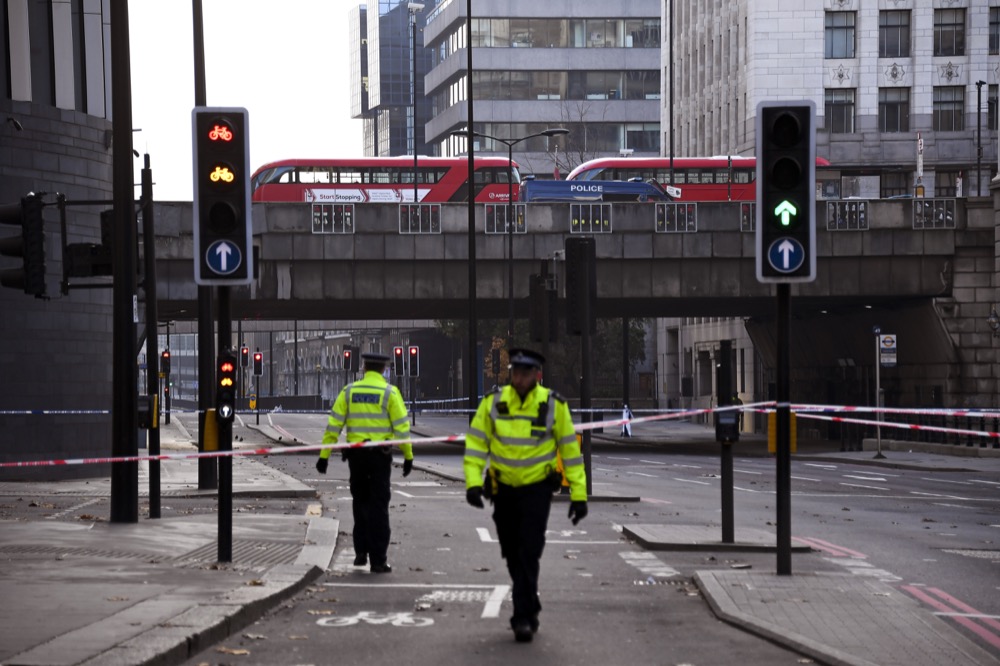


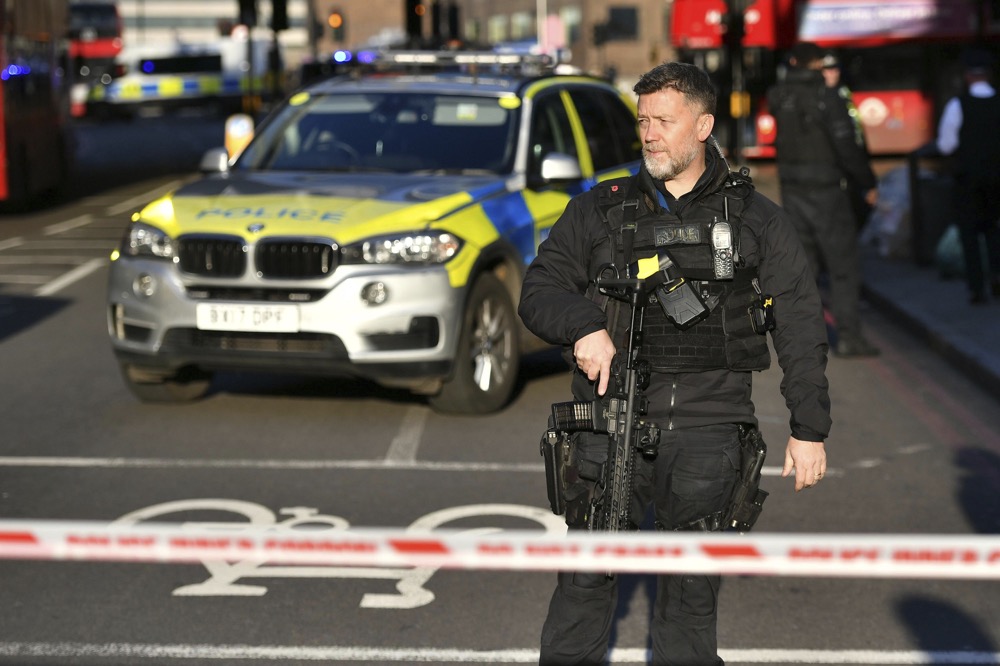
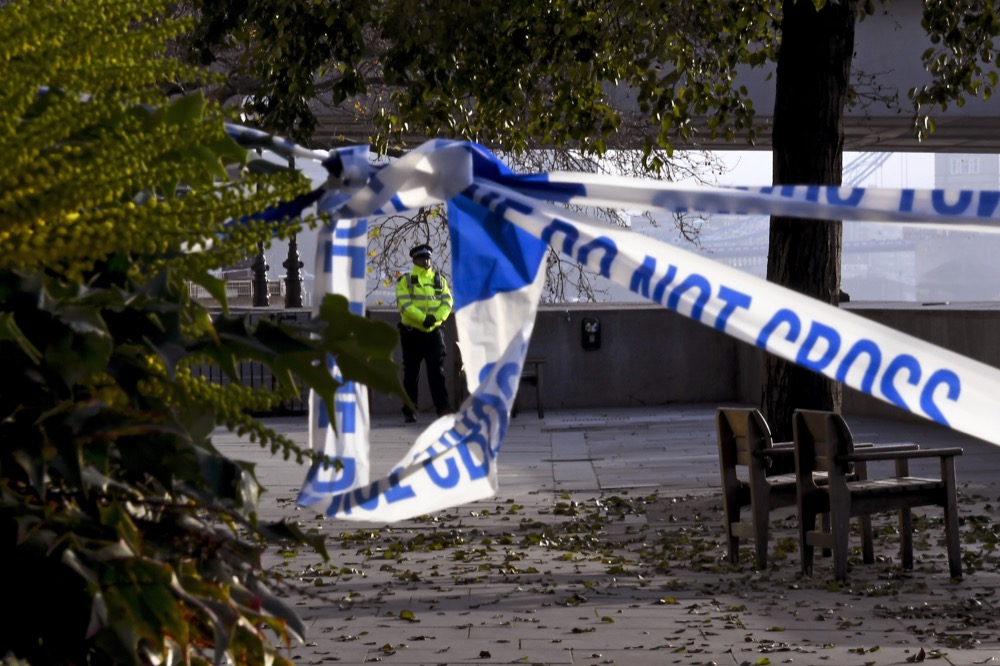
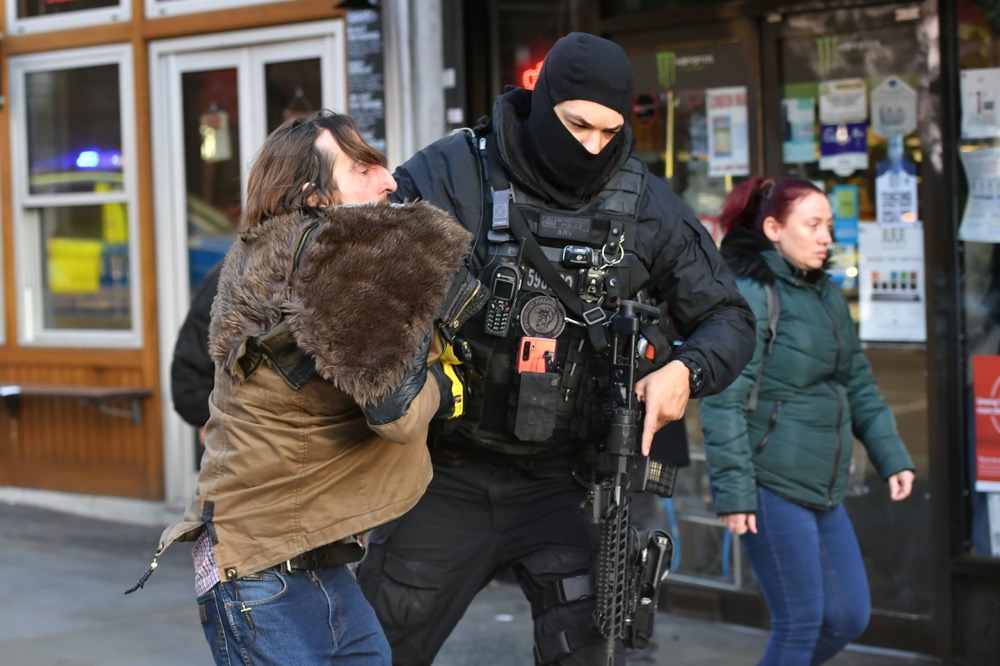
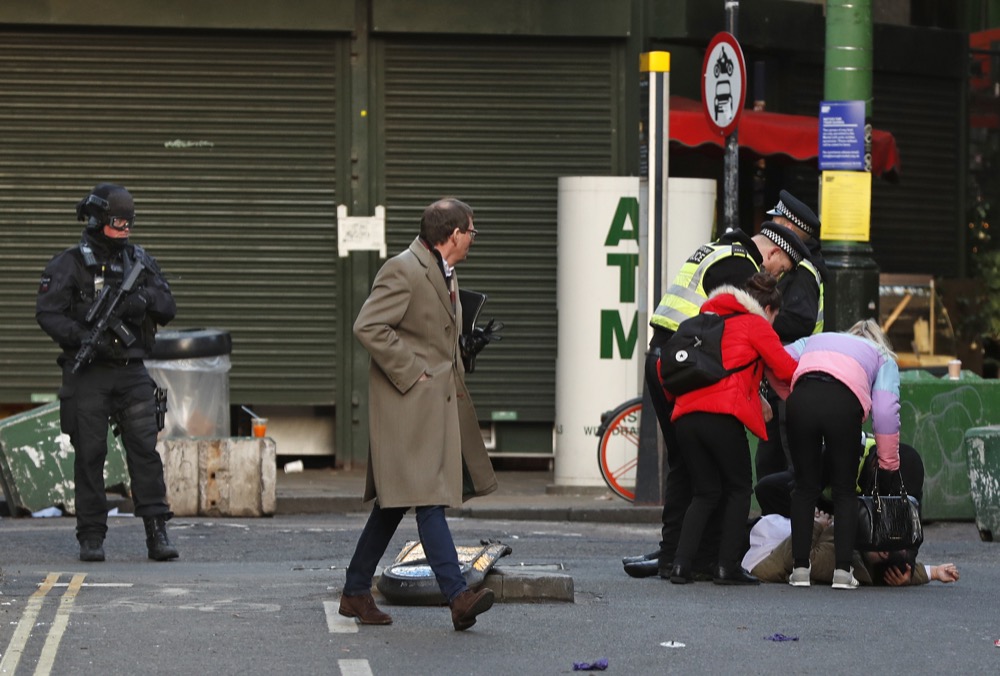


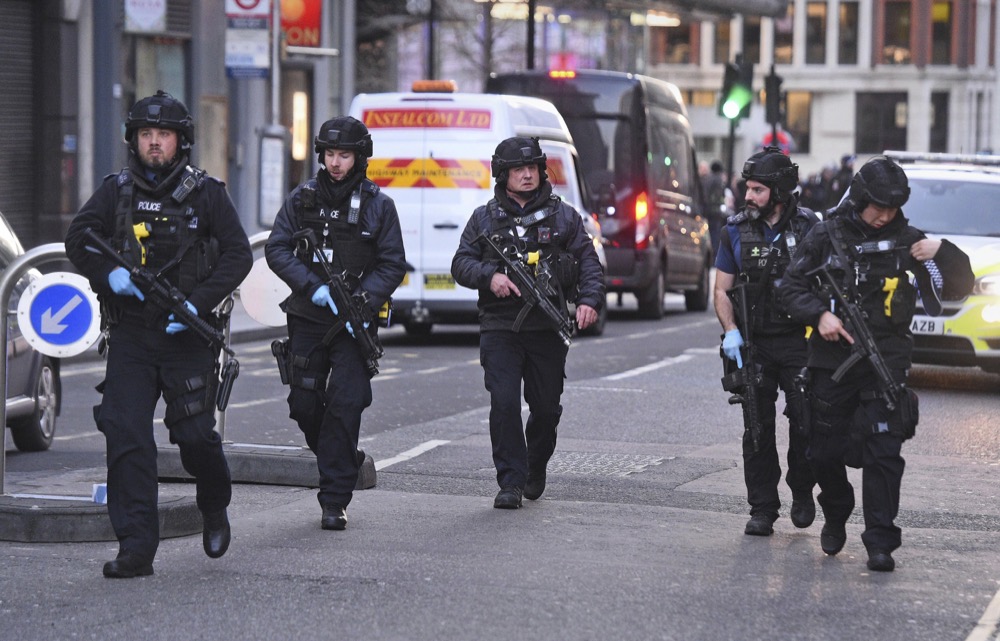
LONDON (AP) – Usman Khan was convicted on terrorism charges but let out of prison early. He attended a “Learning Together” conference for ex-offenders, and used the event to launch a bloody attack, stabbing two people to death and wounding three others.
Police shot him dead after he flashed what seemed to be a suicide vest. Khan is gone, but the questions remain: Why was he let out early? Did authorities believe he no longer believed in radical Islam? Why didn’t the conditions imposed on his release prevent the carnage?
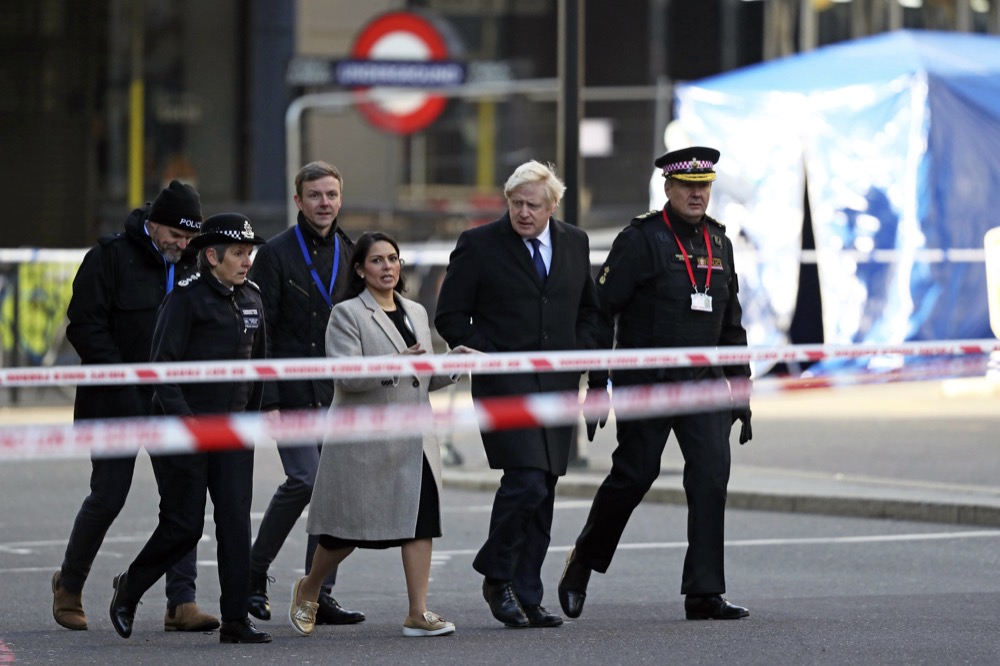
Britons looked for answers Saturday as national politicians sought to pin the blame elsewhere for what was obviously a breakdown in the security system, which had kept London largely free of terror for more than two years.
Police said Khan was convicted in 2012 of terrorism offenses and released in December 2018 “on license,” which means he had to meet certain conditions or face recall to prison. Several British media outlets reported that he was wearing an electronic ankle bracelet that allowed police to track his movements at the time of the attack.
Authorities seemed quick to blame “the system” rather than any one component.