
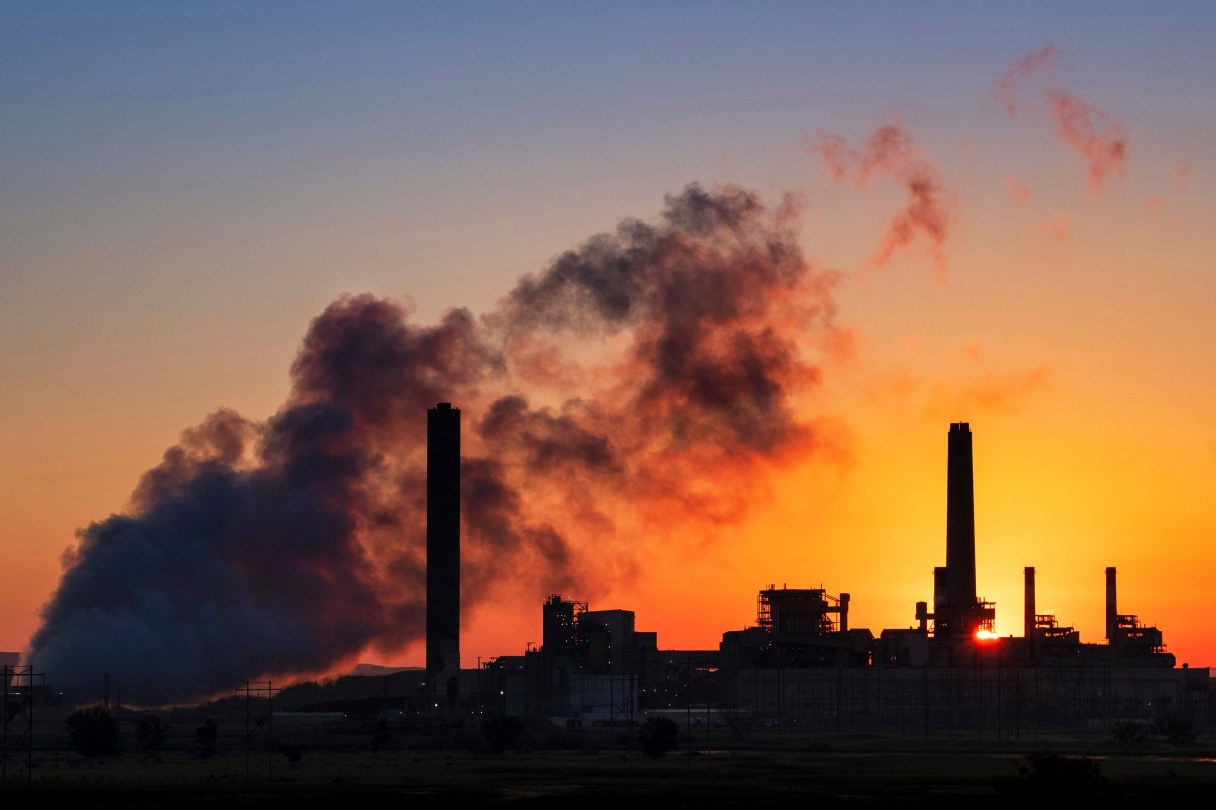
Accelerated climate change is amply documented in thousands of scientific studies from around the world. Consequences of change range from expanding areas of drought, which lead to widespread crop failures and forest fires, forced migrations of people due to shortages of food and water, more intense oceanic storms, rising sea levels, and destruction of ocean-based food chains.
Increasing concentration of greenhouse gases is the fundamental cause.
In the mid-19th century, John Tyndall, an Irish physicist, demonstrated that certain gases, including carbon dioxide, methane and water vapor trapped heat. He concluded that these gases helped to regulate the Earth’s temperature by blocking the loss of heat that would otherwise be lost. Work by a succession of international scientists linked rising, global temperatures to increases in carbon dioxide concentrations in the atmosphere.
In 1958, Charles Keeling, an American scientist based at California’s Scripps Institute, initiated continuous monitoring of atmospheric carbon dioxide, also known as CO2, from a station which he established atop Mauna Loa, an extinct volcano in Hawaii. “Keeling curves” demonstrated the link between steadily rising levels of CO2, most of which he attributed to the burning of fossil fuels, and rising, global temperatures. Keeling was the first climate scientist to alert the public to the risk of global warming. Stations in Antarctica and other sites confirm these measurements.
Before industrialization, atmospheric CO2 levels hovered for thousands of years around 280 parts per million. The concentration reached 317 ppm in 1960 and 415 earlier this year.