
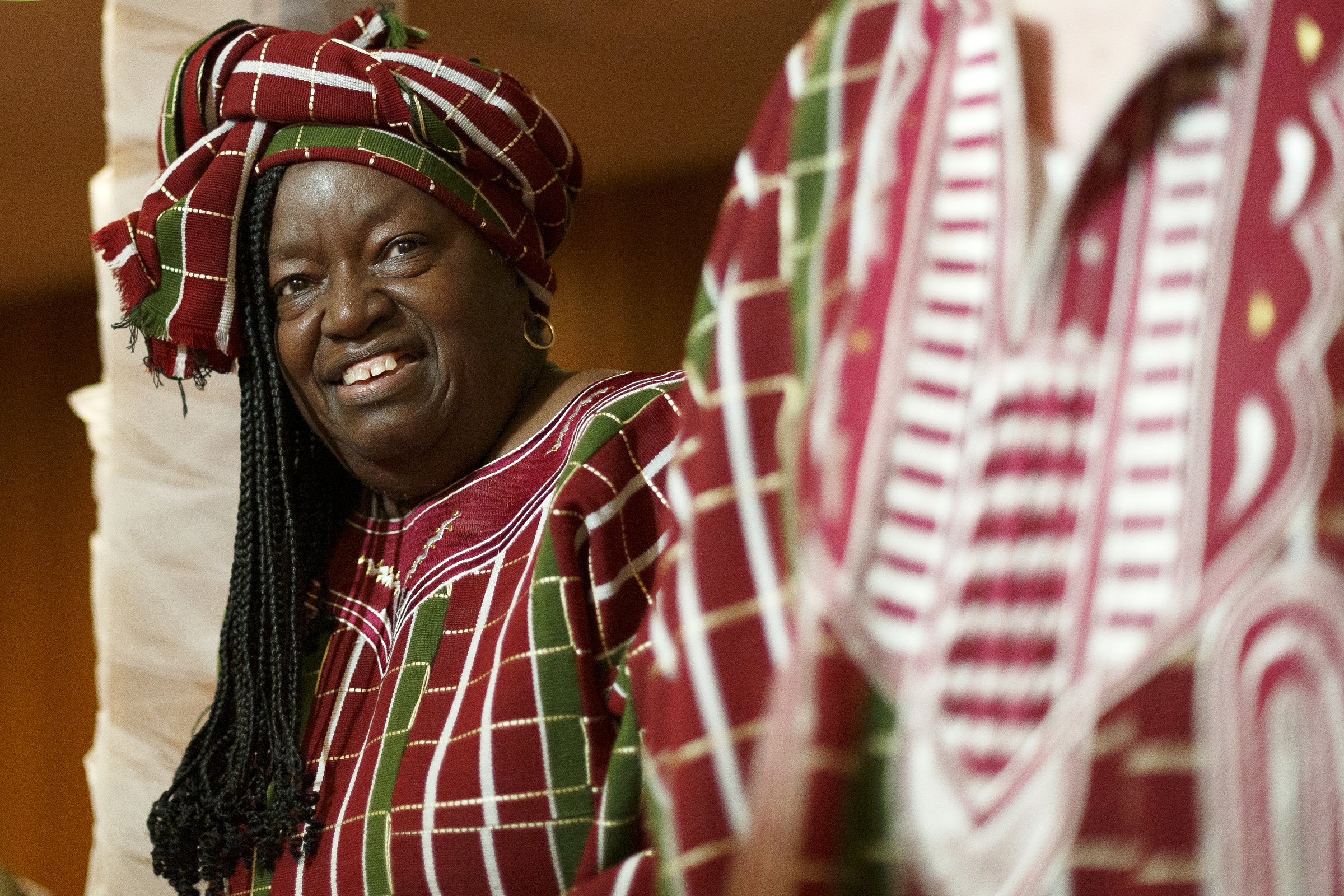
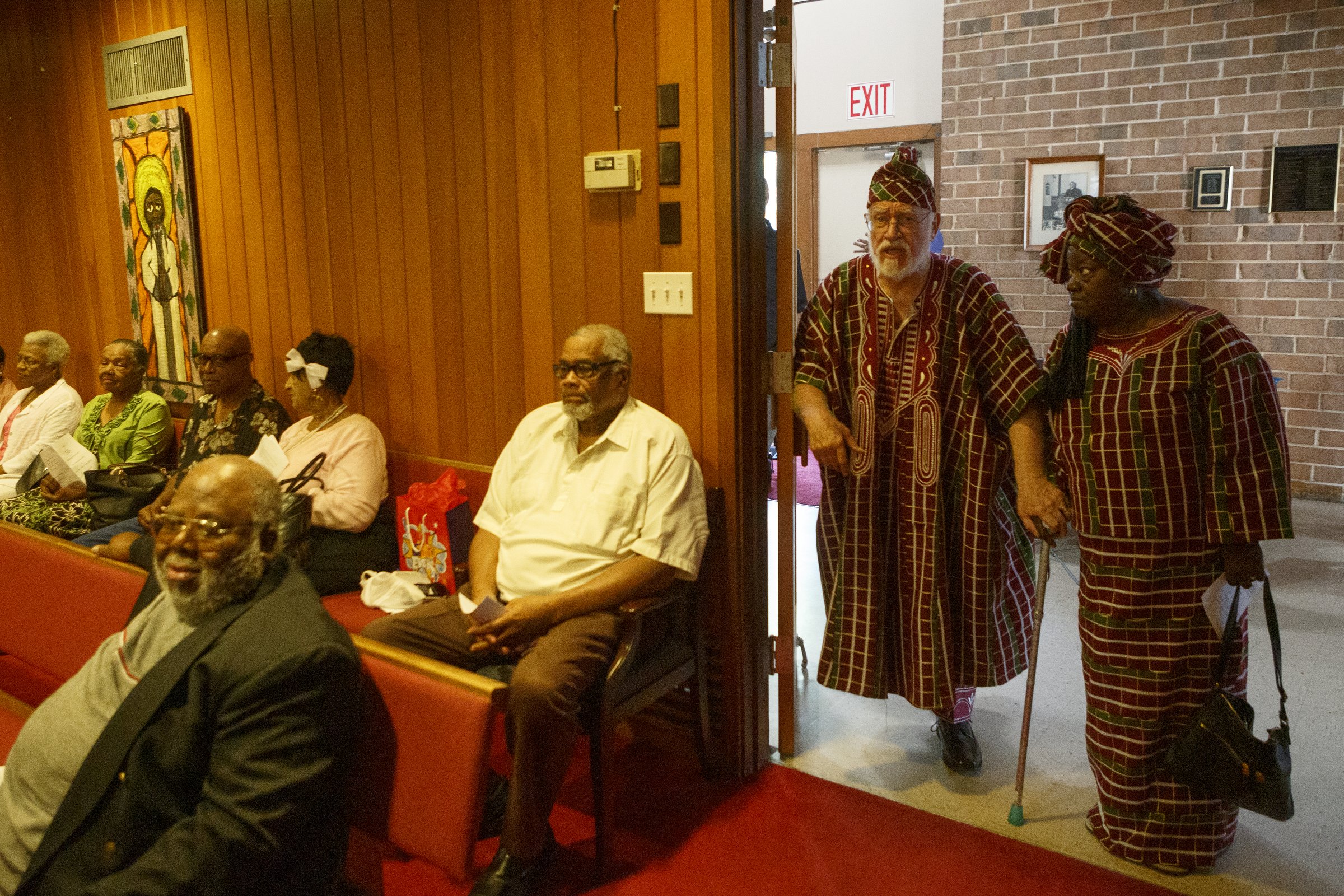
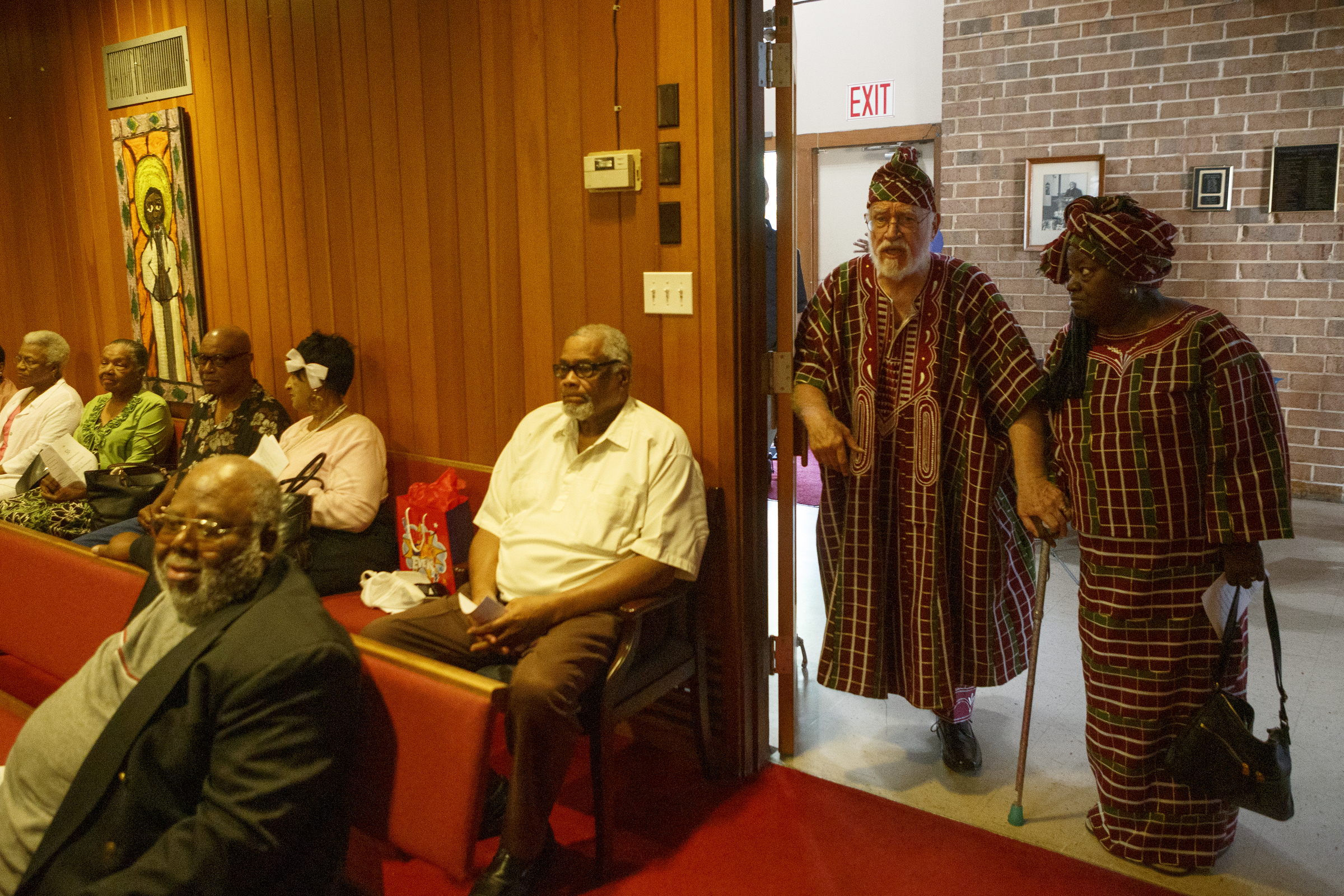
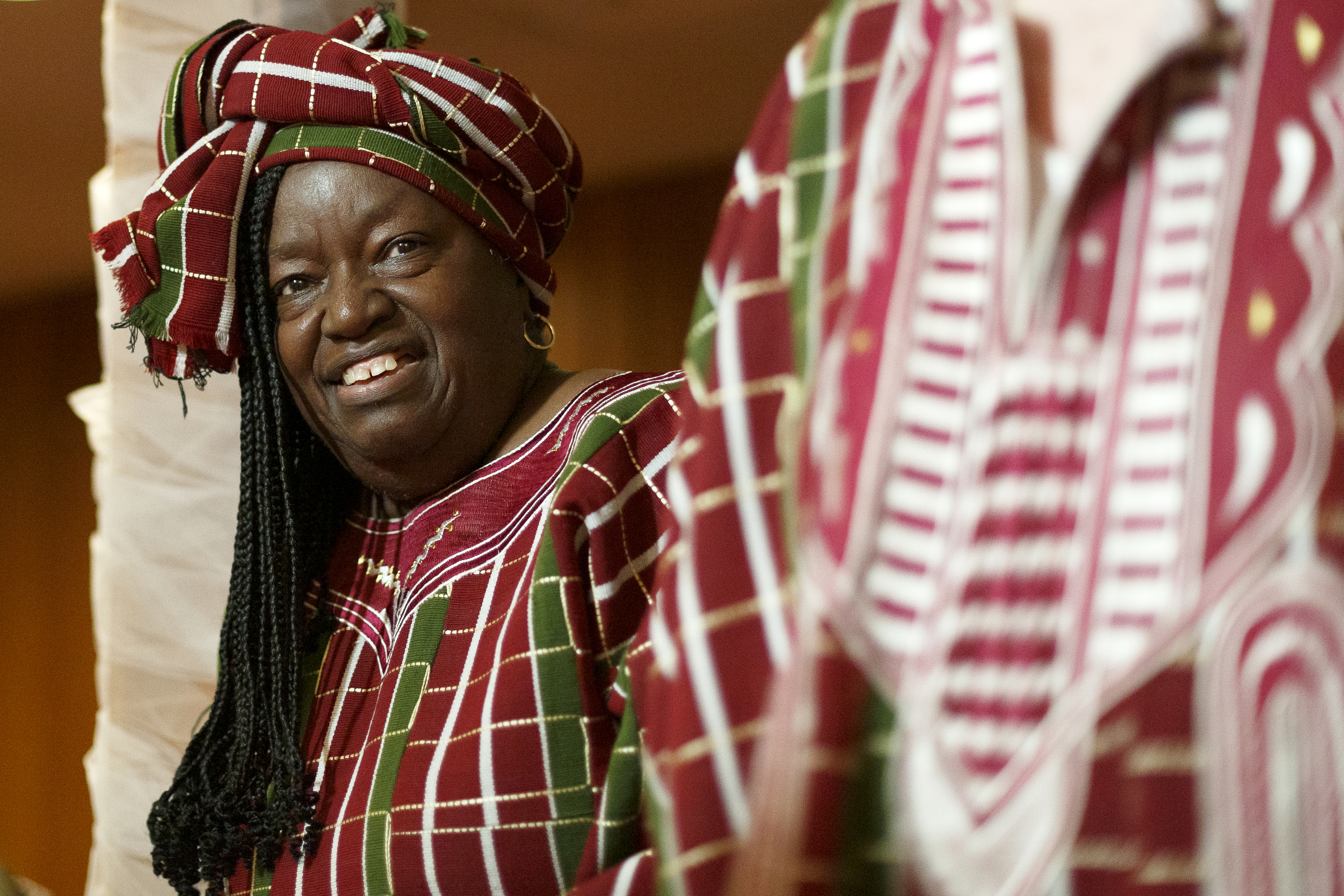
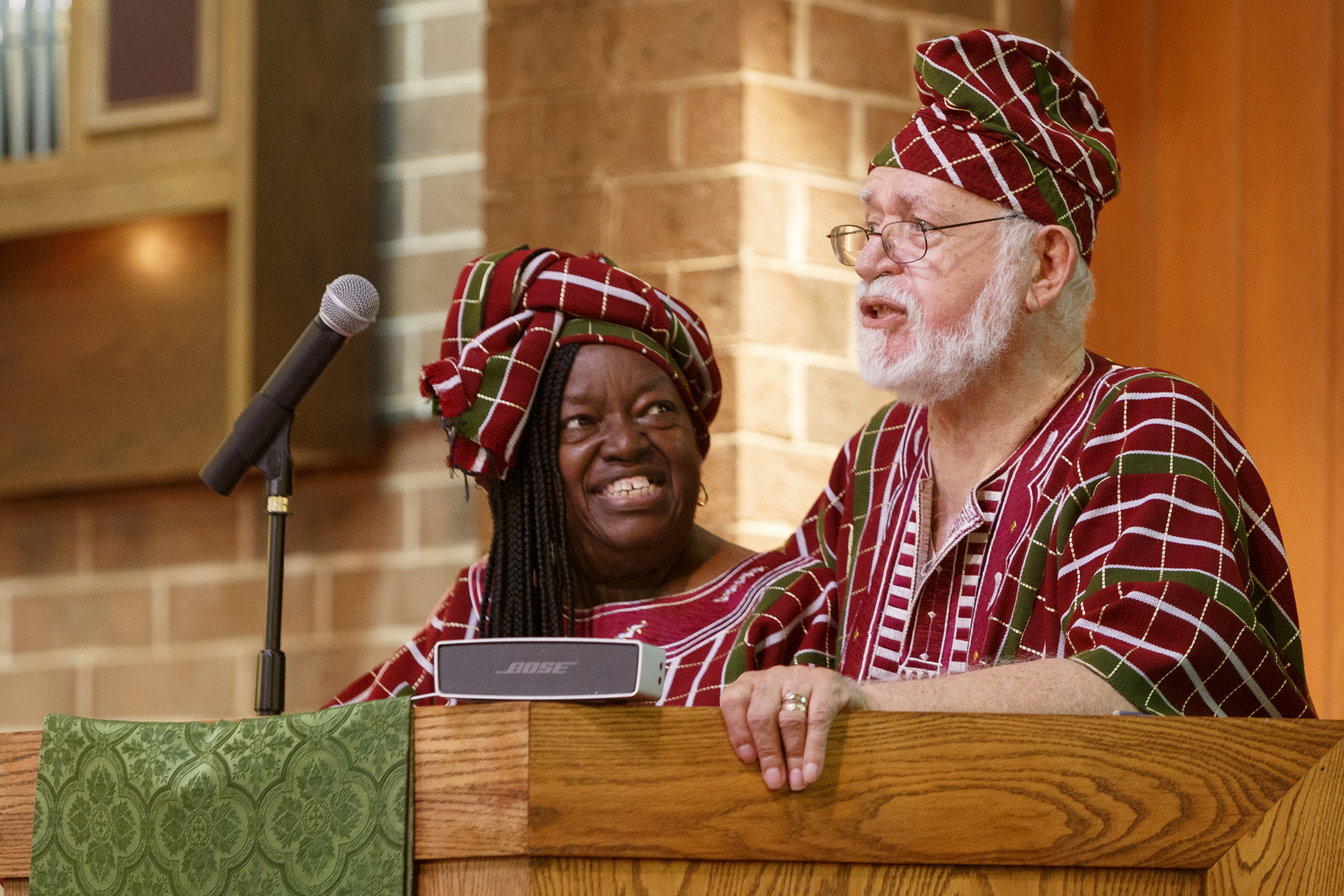
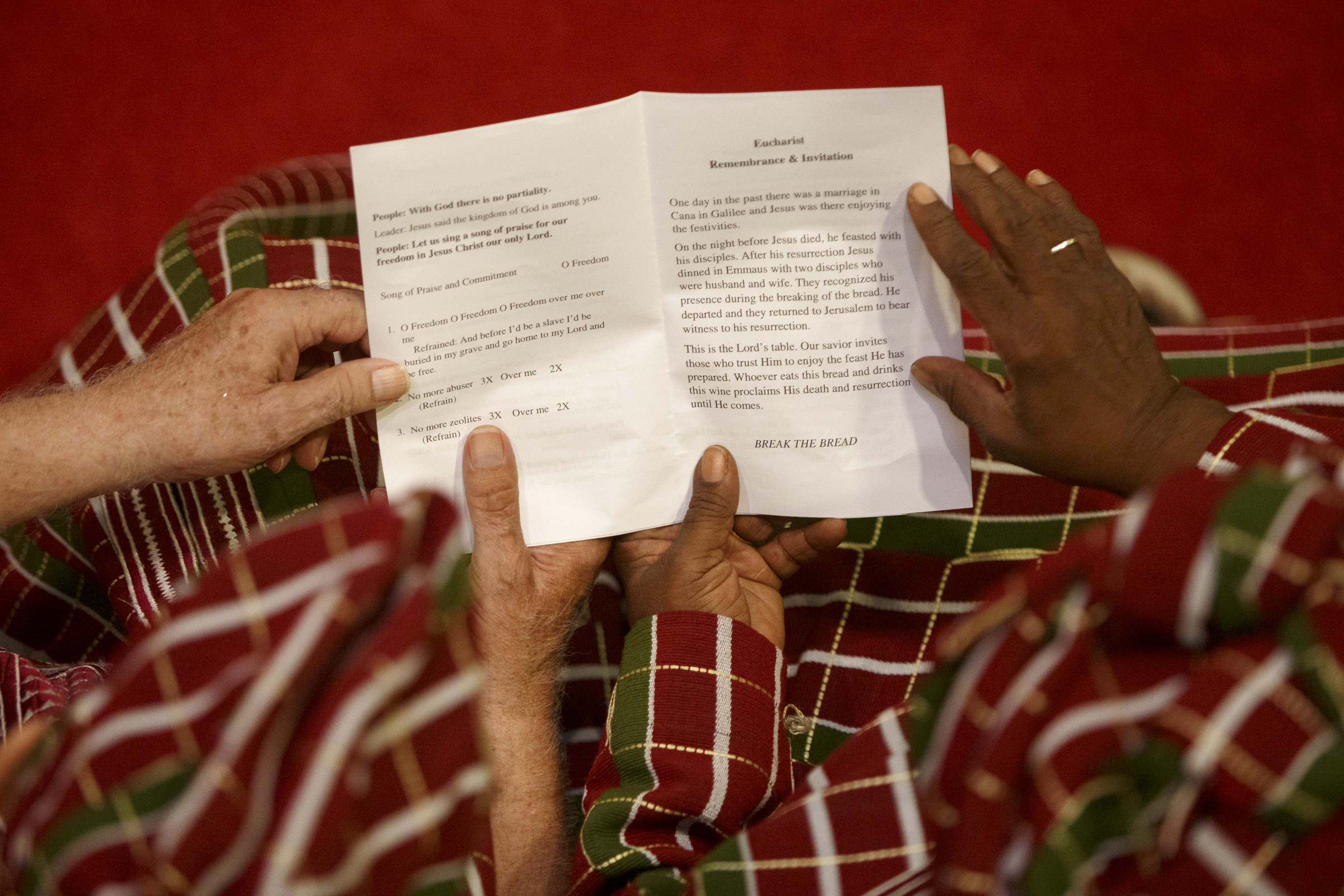
When Leroy and Gloria Griffith got married 50 years ago, their interracial union was still regarded as illegal under Tennessee law and the couple struggled to find a church where they could conduct their wedding ceremony.
Even though the Rev. Leroy Griffith was a local Presbyterian pastor and the U.S. Supreme Court had already struck down such miscegenation bans two years earlier, the governing sessions of two other local Presbyterian churches voted at the time against allowing Griffith, a 31-year-old white minister from California, from marrying his fiancee Gloria, a 21-year-old black employee at Memorial Hospital in Chattanooga.
Under the threat of a lawsuit, the Hamilton County clerk granted the interracial couple a wedding license and, ultimately, the Griffiths found a local pastor who would conduct their wedding outdoors near the site of the Renaissance Presbyterian Church, which the Griffiths later helped build on Chattanooga’s Westside.
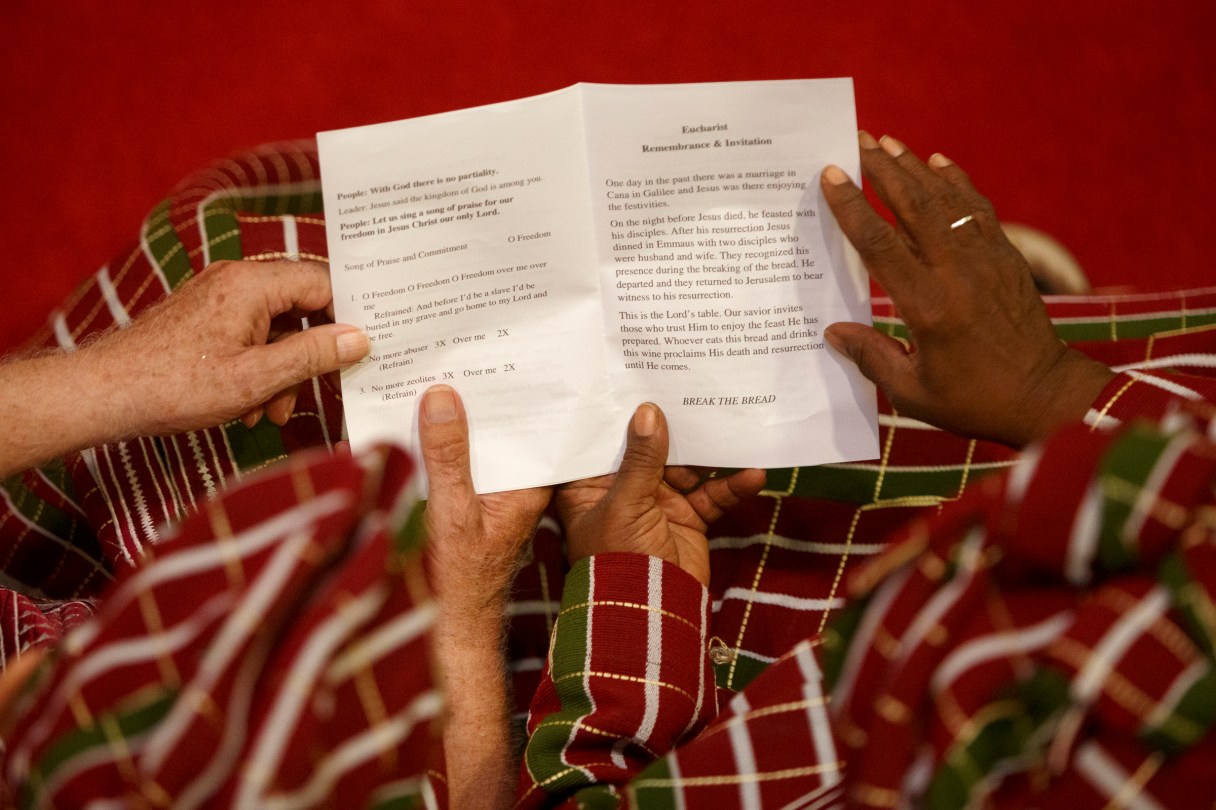
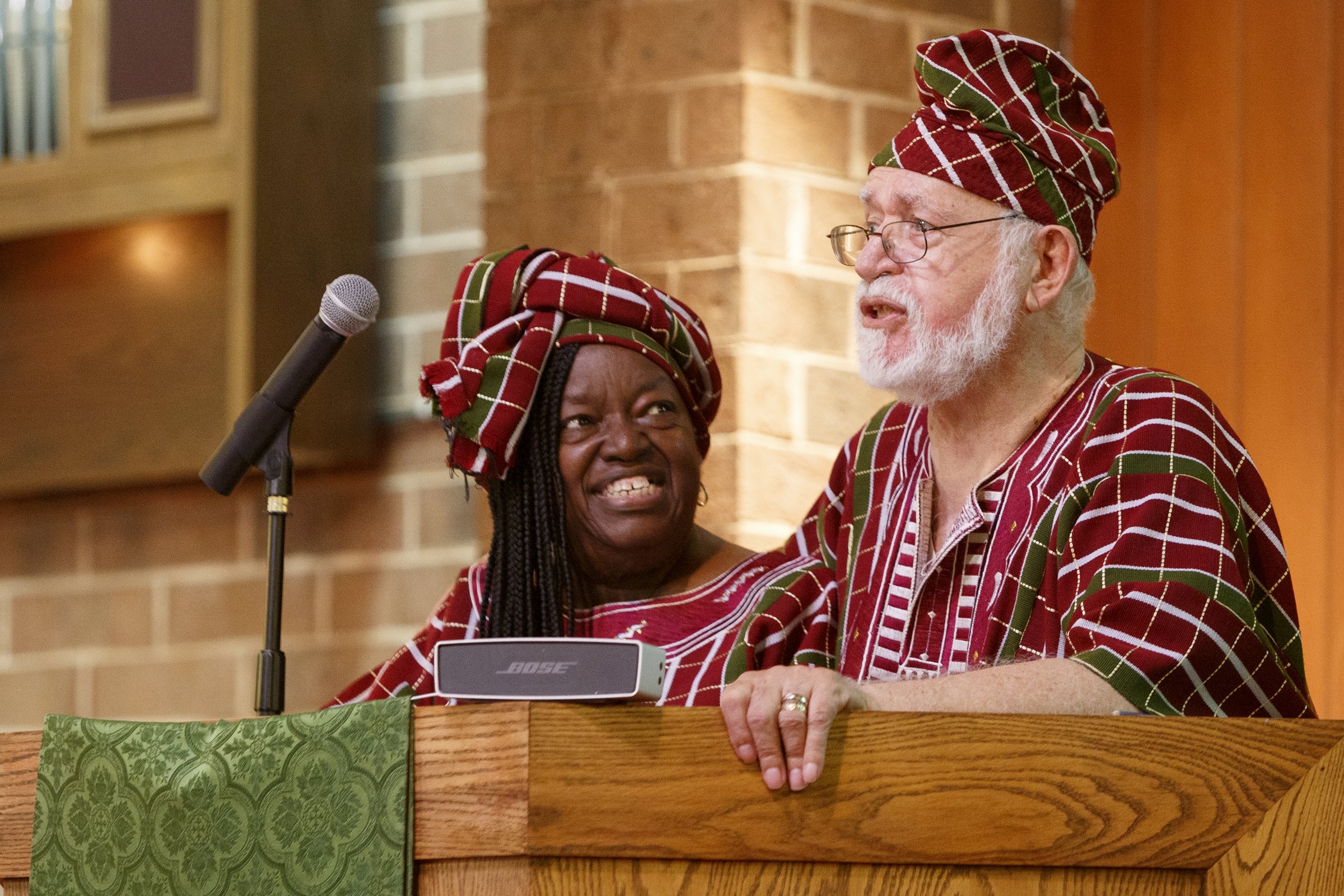
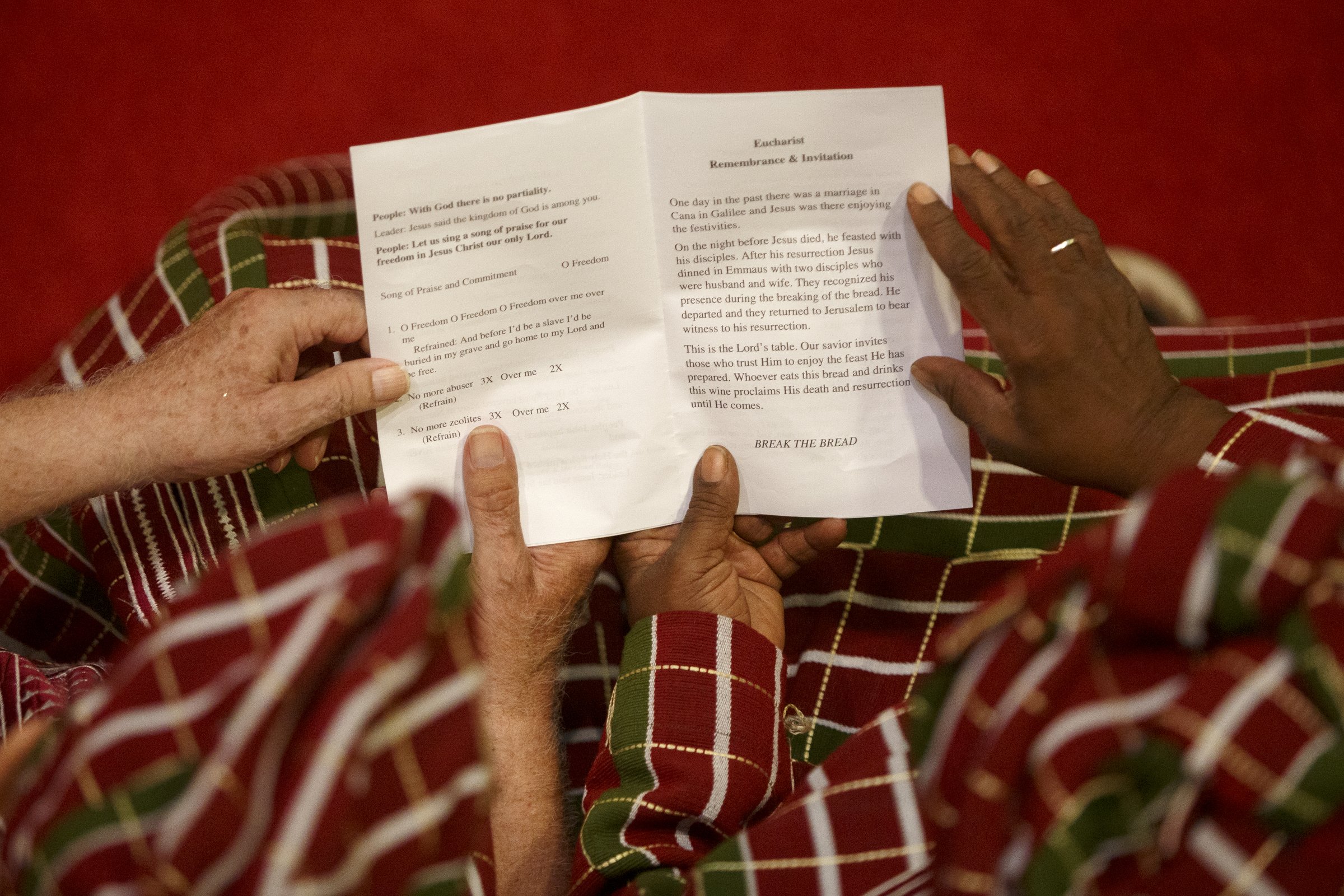
“A lot of people tried to talk us out of getting married, but I really believe this woman was an answer to my prayer and she’s been a continual blessing to me,” Griffith told friends and supporters gathered last week to mark the couple’s 50th anniversary.
The Griffiths met at church when Leroy was a pastor for a different congregation and was called upon to pray with and aid Gloria’s sister, who suffered a disabling disorder that left her body partially paralyzed. A romance developed weeks later as Leroy and Gloria got to know one another, took hikes together and eventually started dating.
At the time, Leroy drove a 1964 Chevy Corvette, and on one date with Gloria, a carload of white men followed the couple down Brainerd Road and pulled up beside their car at a stop sign. As a worried Leroy feared for their safety, the three white youths in the other car screamed their approval, yelling, “Right on, brother.”
“We don’t know who those three were, but that gave us a little more courage and spiritual freedom for ourselves and a whole lot better feeling about Chattanooga,” Griffith recalled.
Chattanooga Mayor Andy Berke said the Griffiths’ relationship shows both the power of their own love and the injustice of how other similar relationships were banned for 237 years in Tennessee. The Volunteer State was one of 16 Southern states that banned interracial marriages a generation ago, just as Nazi Germany and South Africa’s apartheid regimes had similar interracial marriage prohibitions in the past.
“Racism has done horrible things in our city and state and these miscegenation laws were some of the most personal of those injuries,” Berke told the Griffiths at the couple’s wedding anniversary celebration. “The trailblazing path that you set proved that these bans didn’t have to survive.”
The Griffiths were married on Aug. 28, 1969 – six years to the day after Martin Luther King Jr. gave his famous “I Have a Dream” speech in Washington urging the end of America’s racial divisions and discrimination.
Leroy, who had grown up in California, came to the South in 1965 to march with King from Selma, Alabama, to Montgomery. The experience helped lead him to apply to be the pastor of a black Presbyterian Church in Chattanooga.
Gloria, also a lifelong social activist, lost her job shortly after she met Leroy because of her attempts to unionize the nurses at Memorial Hospital.
“We both had a deep sense of justice and a deep sense of the dignity of what other people call the lower class, and what we call the human class,” Leroy recalled in a radio podcast about his pioneering marriage.
When they decided to get married, Gloria’s mother sent the couple to Atlanta to visit Gloria’s grandparents about their wedding plans. Although many in Gloria’s family tried to talk the couple out of getting married, Gloria’s grandfather ultimately gave the couple his blessing: “This marriage is chosen by God and I’m with you all the way.”
To protect the outdoor wedding from bomb threats, one of Leroy’s friends sent a bunch of young men out to block the streets and keep out protesters.
“Their cars all ‘broke down’ at the same time,” Leroy recalled. “They pretended to have flat fires or some other problem to block the road. And when the wedding was over, they had their cars fixed and moved on.”
The wedding was the first interracial marriage in Chattanooga and came two years after the Supreme Court ruled in its landmark Loving vs. Virginia decision that banning interracial marriages violated the equal protection language of the 14th amendment and was a tool of white supremacy. Tennessee didn’t get around to repealing its ban on interracial marriages until 1978.
In 2010, 15.1% of all new marriages in the United States were interracial marriages, according to the U.S. Bureau of Census, and that number continues to rise.
Contact Dave Flessner at dflessner@timesfreepress.com or 423-757-6340.