
Friday, November 6, 2026Nov 6

This story is free to read.

Japanese rocket blasts off with batteries for space station

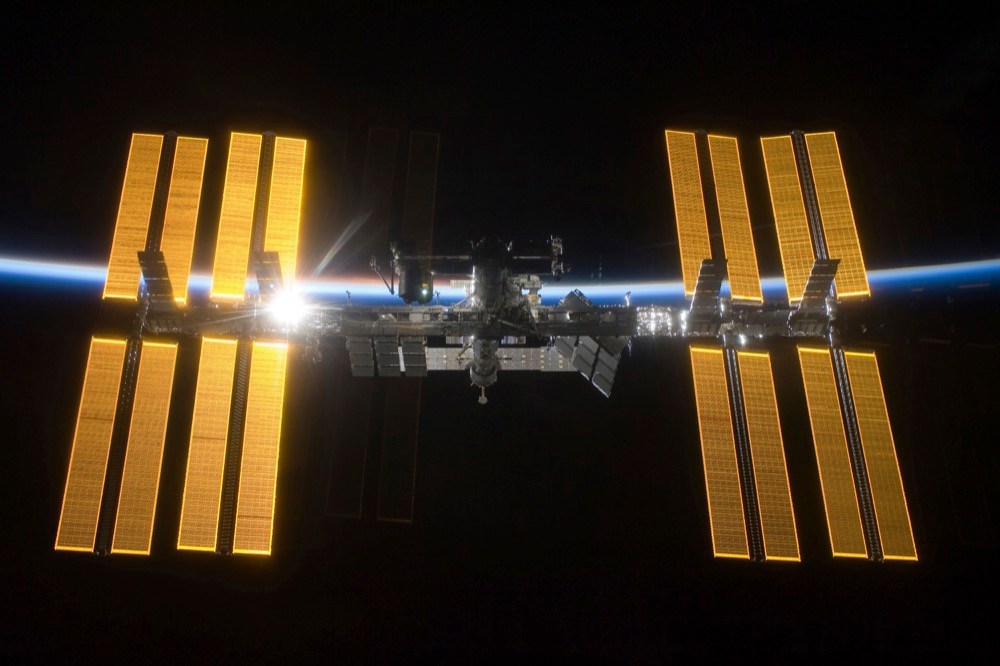
FILE - This March 25, 2009 photo provided by NASA shows the International Space Station seen from the Space Shuttle Discovery during separation. NASA announced Friday, June 7, 2019 that it will open the International Space Station to private astronauts, with the first visit as early as next year. The round-trip ticket will cost an estimated $58 million. And accommodations aboard the orbiting outpost will run about $35,000 per night, for trips of up to 30 days long. (NASA via AP)
FILE - This March 25, 2009 photo provided by NASA shows the International Space Station seen from the Space Shuttle Discovery during separation. NASA announced Friday, June 7, 2019 that it will open the International Space Station to private astronauts, with the first visit as early as next year. The round-trip ticket will cost an estimated $58 million. And accommodations aboard the orbiting outpost will run about $35,000 per night, for trips of up to 30 days long. (NASA via AP) FILE - This March 25, 2009 photo provided by NASA shows the International Space Station seen from the Space Shuttle Discovery during separation. NASA announced Friday, June 7, 2019 that it will open the International Space Station to private astronauts, with the first visit as early as next year. The round-trip ticket will cost an estimated $58 million. And accommodations aboard the orbiting outpost will run about $35,000 per night, for trips of up to 30 days long. (NASA via AP)

CAPE CANAVERAL, Fla. (AP) – A Japanese supply ship rocketed toward the International Space Station on Tuesday, two weeks after a launch pad fire halted the first countdown.

Japanese officials traced the fire to static electricity and oxygen propellant, and corrected the problem.

The 4-ton shipment should arrive at the space station Saturday. Spacewalking astronauts will install the six new lithium-ion batteries later this year, replacing old-style batteries. The cargo ship is named Kounotori, Japanese for white stork.

The Japanese Space Agency is one of several organizations making periodic station deliveries. Russia sends up supplies, as do SpaceX and Northrop Grumman on NASA’s behalf.

Russia, meanwhile, plans to launch three astronauts to the space station Wednesday, including the first person from the United Arab Emirates bound for orbit.