
Friday, November 13, 2026Nov 13

As Earth Day turns 50, green movement faces fresh challenges

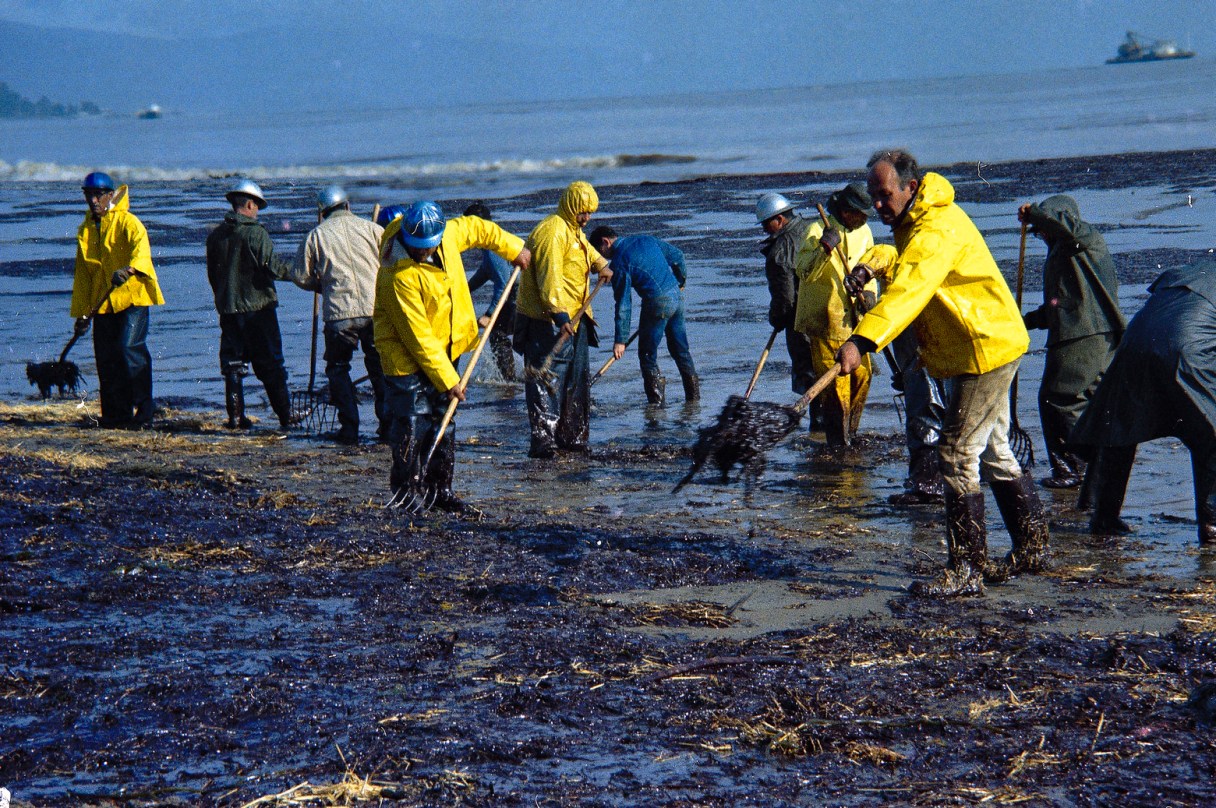
FILE- In this Feb. 6, 1969, file photo, state forestry conservation crews gather up oil-soaked straw on a beach in Santa Barbara, Calif. Fifty years after the first Earth Day helped spur activism over air and water pollution and disappearing plants and animals, significant improvements are undeniable but monumental challenges remain. Minority communities suffer disproportionately from ongoing contamination. Deforestation, habitat loss and overfishing have wreaked havoc on global biodiversity. And the existential threat of climate change looms large. (AP Photo/Wally Fong, File)
FILE- In this Feb. 6, 1969, file photo, state forestry conservation crews gather up oil-soaked straw on a beach in Santa Barbara, Calif. Fifty years after the first Earth Day helped spur activism over air and water pollution and disappearing plants and animals, significant improvements are undeniable but monumental challenges remain. Minority communities suffer disproportionately from ongoing contamination. Deforestation, habitat loss and overfishing have wreaked havoc on global biodiversity. And the existential threat of climate change looms large. (AP Photo/Wally Fong, File) FILE- In this Feb. 6, 1969, file photo, state forestry conservation crews gather up oil-soaked straw on a beach in Santa Barbara, Calif. Fifty years after the first Earth Day helped spur activism over air and water pollution and disappearing plants and animals, significant improvements are undeniable but monumental challenges remain. Minority communities suffer disproportionately from ongoing contamination. Deforestation, habitat loss and overfishing have wreaked havoc on global biodiversity. And the existential threat of climate change looms large. (AP Photo/Wally Fong, File)

BOSTON (AP) – Gina McCarthy remembers the way things used to be: Tar balls clinging to her legs after swimming in Boston Harbor. The Merrimack River colored bright blue and green by textile mill chemicals. Black smoke everywhere.

Kim Wasserman worries about what it’s like today: Hundreds of diesel trucks rolling down residential streets in her mostly low-income, Hispanic neighborhood in Chicago. Houses blanketed in ash from a recent smokestack demolition at a shuttered coal-fired power plant. High rates of asthma and other illnesses.

Fifty years after the first Earth Day helped spur activism over air and water pollution and disappearing plants and animals, significant improvements are undeniable. But monumental challenges remain.

Black, brown and poor communities suffer disproportionately from ongoing contamination. Deforestation, habitat loss and overfishing have wreaked havoc on global biodiversity. And the existential threat of climate change looms larger than anything that came before.

A fundamental, global change in thinking and action is needed that goes well beyond any one day, said former California Gov. Jerry Brown, who called Earth Day an opportunity for “a wake-up call.”