
Monday, November 9, 2026Nov 9

Chattanooga leaders work to get resources to older adults amid COVID-19 pandemic

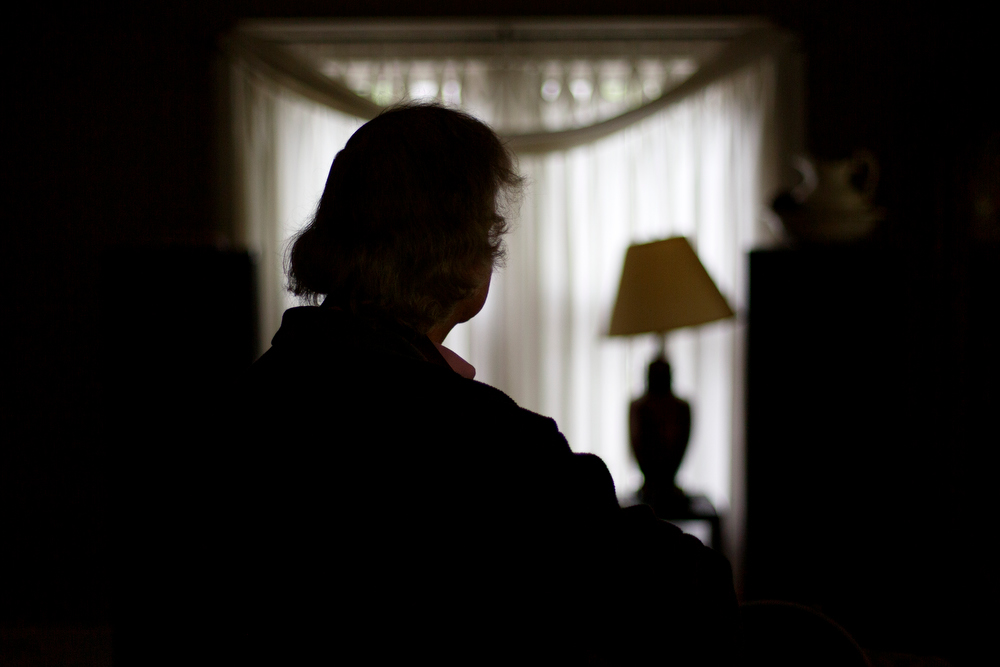
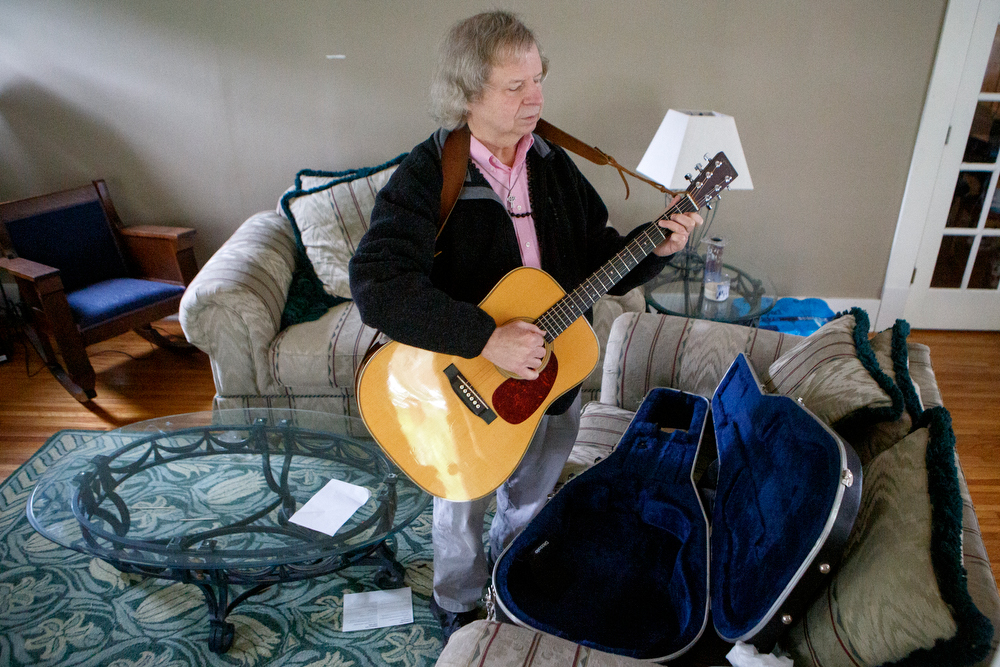
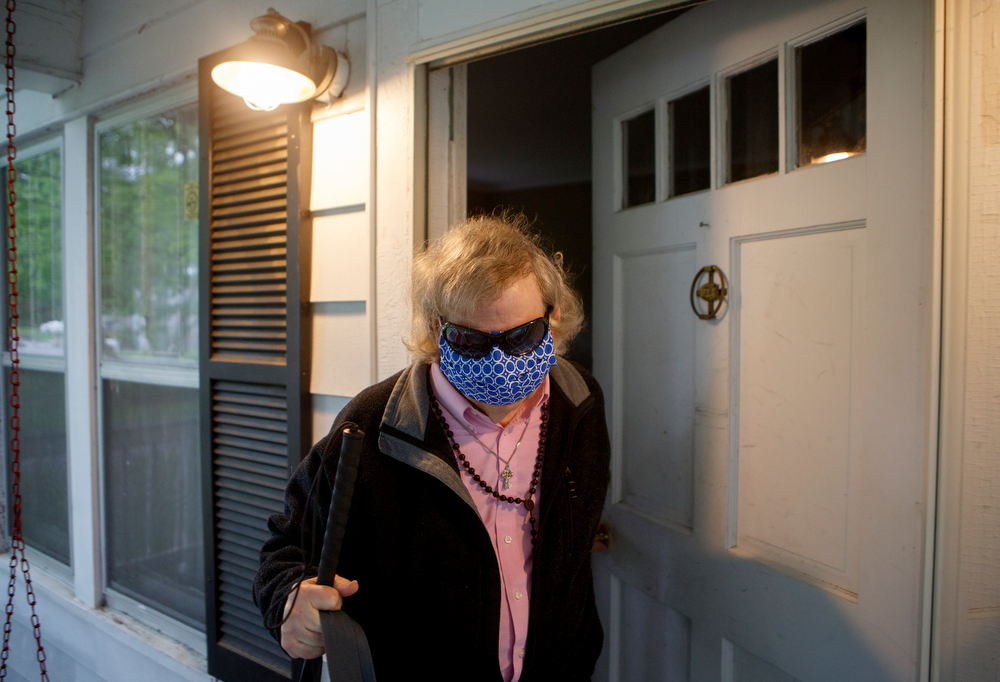
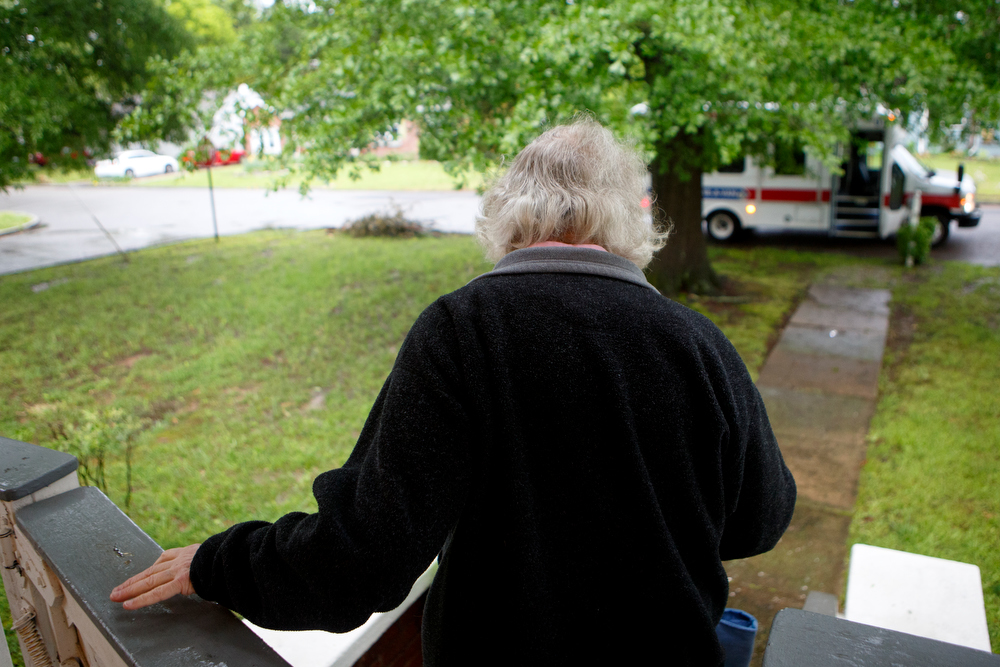
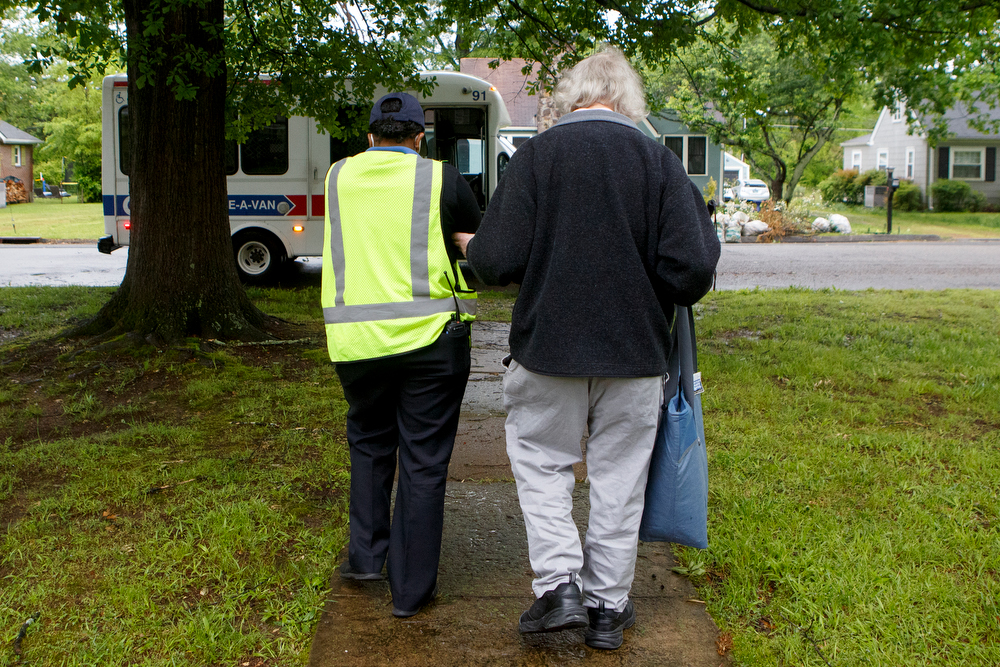
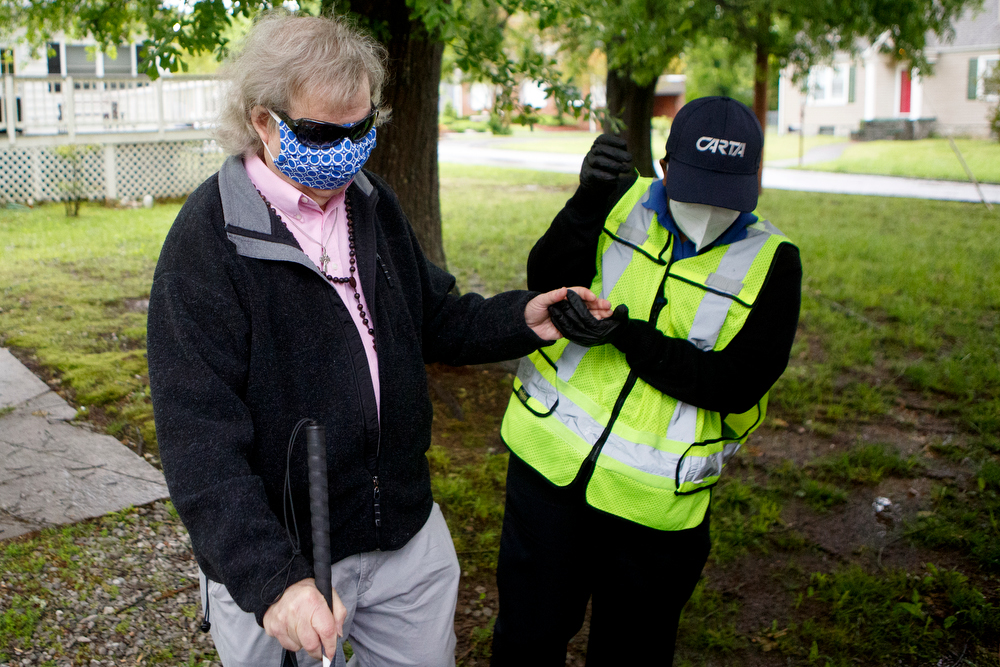
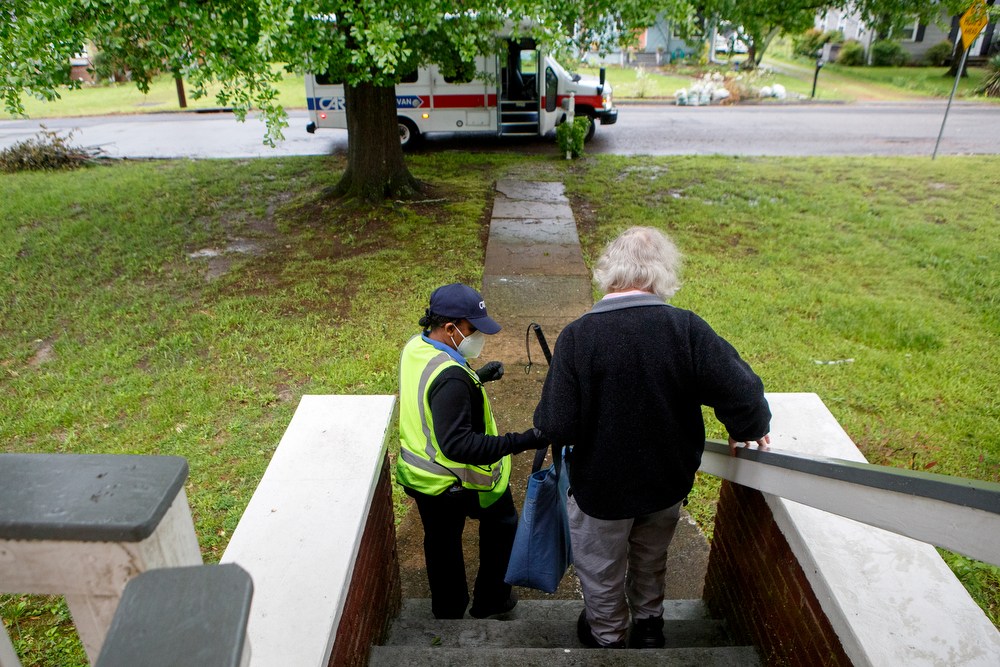
Staff photo by C.B. Schmelter / Gary Shimel, right, gets help from CARTA Care-A-Van driver Alicia Beck down the steps at his home on Thursday, April 23, 2020 in Chattanooga, Tenn. While Kristi Wick, the Vicki B. Gregg chair of gerontology at the University of Tennessee at Chattanooga, said that CARTA has done a great job of providing transportation, it remains an issue for the 25% of older adults in Hamilton County who don't have cars.
Staff photo by C.B. Schmelter / Gary Shimel, right, gets help from CARTA Care-A-Van driver Alicia Beck down the steps at his home on Thursday, April 23, 2020 in Chattanooga, Tenn. While Kristi Wick, the Vicki B. Gregg chair of gerontology at the University of Tennessee at Chattanooga, said that CARTA has done a great job of providing transportation, it remains an issue for the 25% of older adults in Hamilton County who don't have cars. Staff photo by C.B. Schmelter / Gary Shimel, right, gets help from CARTA Care-A-Van driver Alicia Beck down the steps at his home on Thursday, April 23, 2020 in Chattanooga, Tenn. While Kristi Wick, the Vicki B. Gregg chair of gerontology at the University of Tennessee at Chattanooga, said that CARTA has done a great job of providing transportation, it remains an issue for the 25% of older adults in Hamilton County who don't have cars.

With adults older than 65 at greater risk of serious COVID-19 complications, providing information and resources to that population is imperative, local leaders say. But they have found many barriers to getting resources to people while maintaining social distance during the coronavirus pandemic, particularly older adults living alone.

The main barriers are finding and getting access to older adults who are aging in place and have never previously asked for help, said Jamie Bergmann, vice president of impact policy and advocacy for United Way of Greater Chattanooga.

“Older adults who are not receiving any type of services are not on anyone’s radar,” she said.
Data such as the number of 211 calls placed from a particular area to United Way asking for assistance can be useful in helping to identify areas with the greatest needs, but the data does not account for the people in need who may need help but do not request assistance.

“Some people don’t know how to ask for help,” said Bergmann, adding that when they do accept help, it’s from people they know and trust, such as church and neighborhood leaders.