
The COVID-19 pandemic is putting America’s deepening class divide into stark relief. Four classes are emerging.
* The Remotes: These are professional, managerial and technical workers – an estimated 35% of the workforce – who are putting in long hours at their laptops, Zooming into conferences, scanning electronic documents and collecting about the same pay as before the crisis.
Many are bored or anxious, but they’re well off compared with the three other classes.
* The Essentials: They make up about 30% of the workforce, including nurses, home care and child care workers, farm workers, food processors, truck drivers, warehouse and transit workers, drug store employees, sanitation workers, police officers, firefighters and the military.
Too many Essentials lack adequate protective gear, paid sick leave, health insurance and child care. They also deserve hazard pay.
* The Unpaid: They’re an even larger group than the unemployed – whose ranks could soon reach 25%, the same as in the Great Depression. Some of the unpaid are furloughed or have used up their paid leave. So far in this crisis, 43% of adults report that they or someone in their household has lost jobs or pay, according to the Pew Research Center.
An estimated 9.2 million have lost their employer-provided health insurance.
Many of these jobs had been in personal services that can’t be done remotely, such as retail, restaurant and hospitality work. But as consumers rein in spending, layoffs are spreading to tech companies, consumer-goods manufacturers and new organizations.
The unpaid most need cash to feed their families and pay the rent. Fewer than half say they have enough emergency funds to cover three months of expenses, according to a survey conducted this month by Pew.
So far, government has failed them, too. Extra benefits could help, but unemployment offices are so overwhelmed with claims that they can’t get money out the door. Loans to small businesses have gone largely to big, well-connected businesses, with banks collecting fat fees.
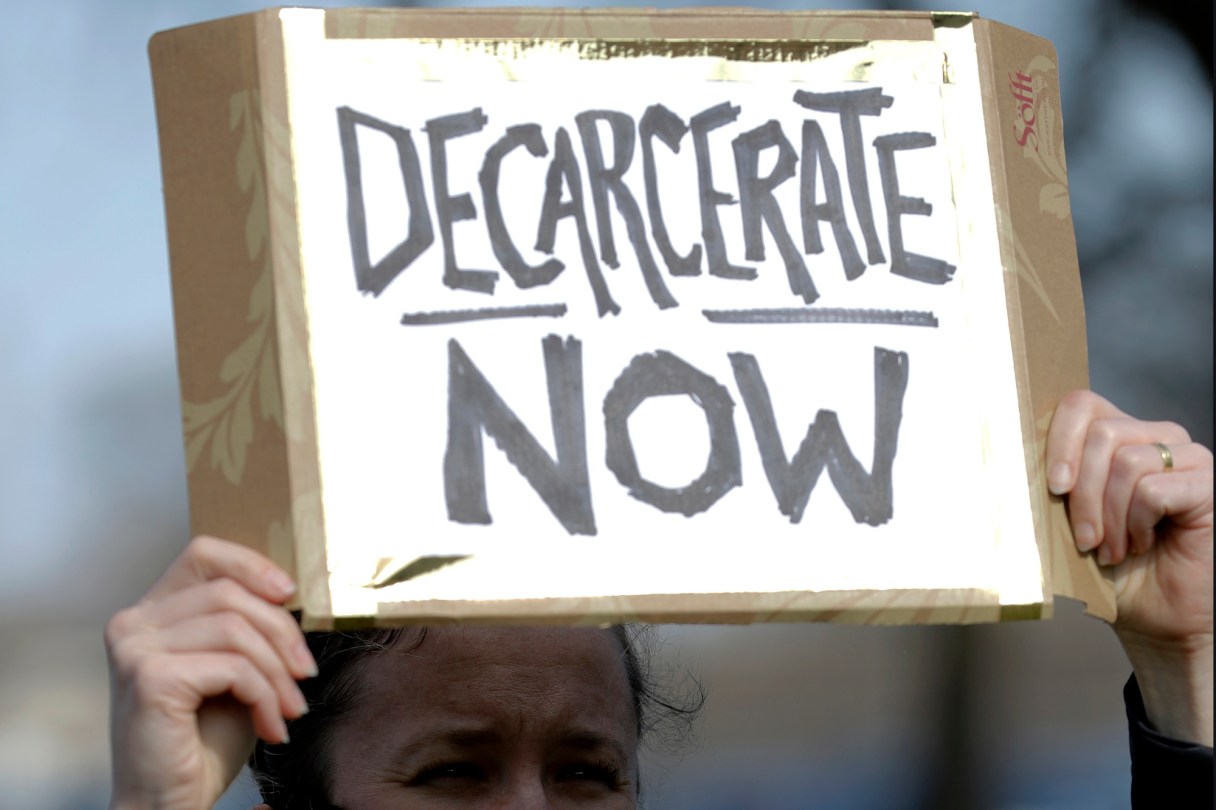
* The Forgotten: This group includes everyone for whom social distancing is nearly impossible because they’re packed tightly into places most Americans don’t see – prisons, jails for undocumented immigrants, camps for migrant farm workers, Native American reservations, homeless shelters and nursing homes.
All such places are becoming hotspots for the virus. These people need safe spaces with proper medical care, adequate social distancing, testing for the virus and isolation of those who have contracted it.
Not surprisingly, the Essentials, the Unpaid and the Forgotten are disproportionately poor, black and Latino. And they are disproportionately becoming infected.
An Associated Press breakdown of available state and local data showed that close to 33% of coronavirus deaths so far are African American, despite representing only 14% of the total population in areas surveyed. The Navajo Nation already has lost more to coronavirus than have 13 states. Four of the 10 largest known sources of infection in the United States have been correctional facilities.
These three groups aren’t getting what they need to survive this crisis because they don’t have lobbyists and political action committees to do their bidding in Washington or state capitals.
The Remotes among us should be concerned, and not just because of the unfairness of the COVID-19 class divide. If the Essentials aren’t sufficiently protected, the Unpaid are forced back to work earlier than is safe and the Forgotten remain forgotten, no one can be secure. COVID-19 will continue to spread sickness and death for months, if not years to come.
Tribune Content Agency